
Table of Contents
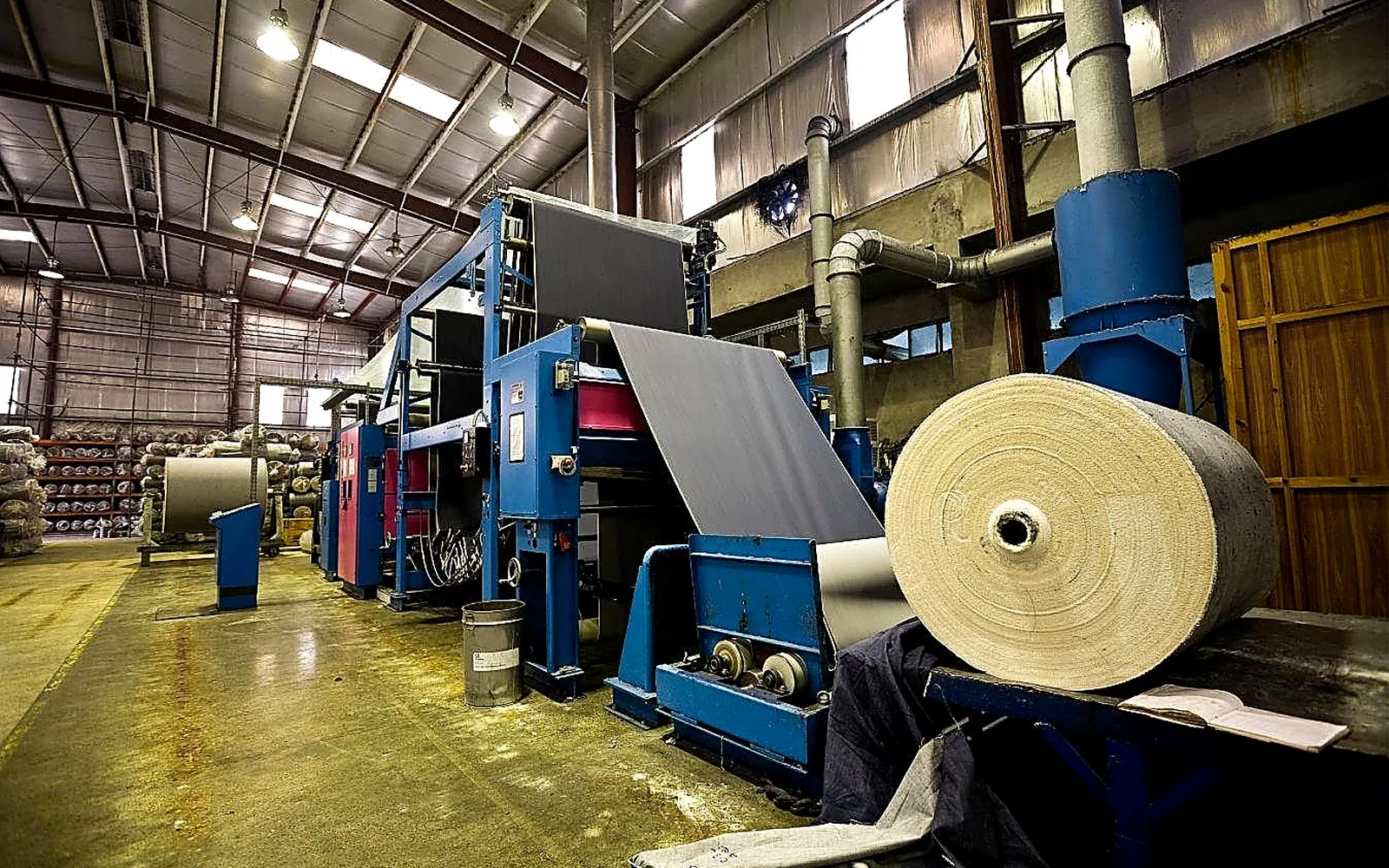
It’s the Tuesday before a Friday ship date. Fabric approval slips. Trims sit with a vendor in another city. The sewing line waits on a cutting ticket no one owns.
Three suppliers get called. Each blames the other. None of it shows on a quote, yet every handoff eats margin and calendar. One late trim can push a full run by two weeks.
Vertical integration apparel closes that leak. Across more than a decade managing production for 300+ private-label accounts, this failure repeats hundreds of times.
Brands that scale from 100 to 50,000 units per season do not chase the lowest quote. They remove handoffs. The fix is a shorter, cleaner chain, not a cheaper supplier.
This guide is for that operator: DTC, streetwear, sportswear, and private-label teams treating sourcing as a margin decision, not a hobby.
Expect a lead-time and landed-cost teardown, a factory-floor SOP for spotting real integration, and a full-package vs CMT comparison for matching the model to order size and speed.
What Is Vertical Integration Apparel?
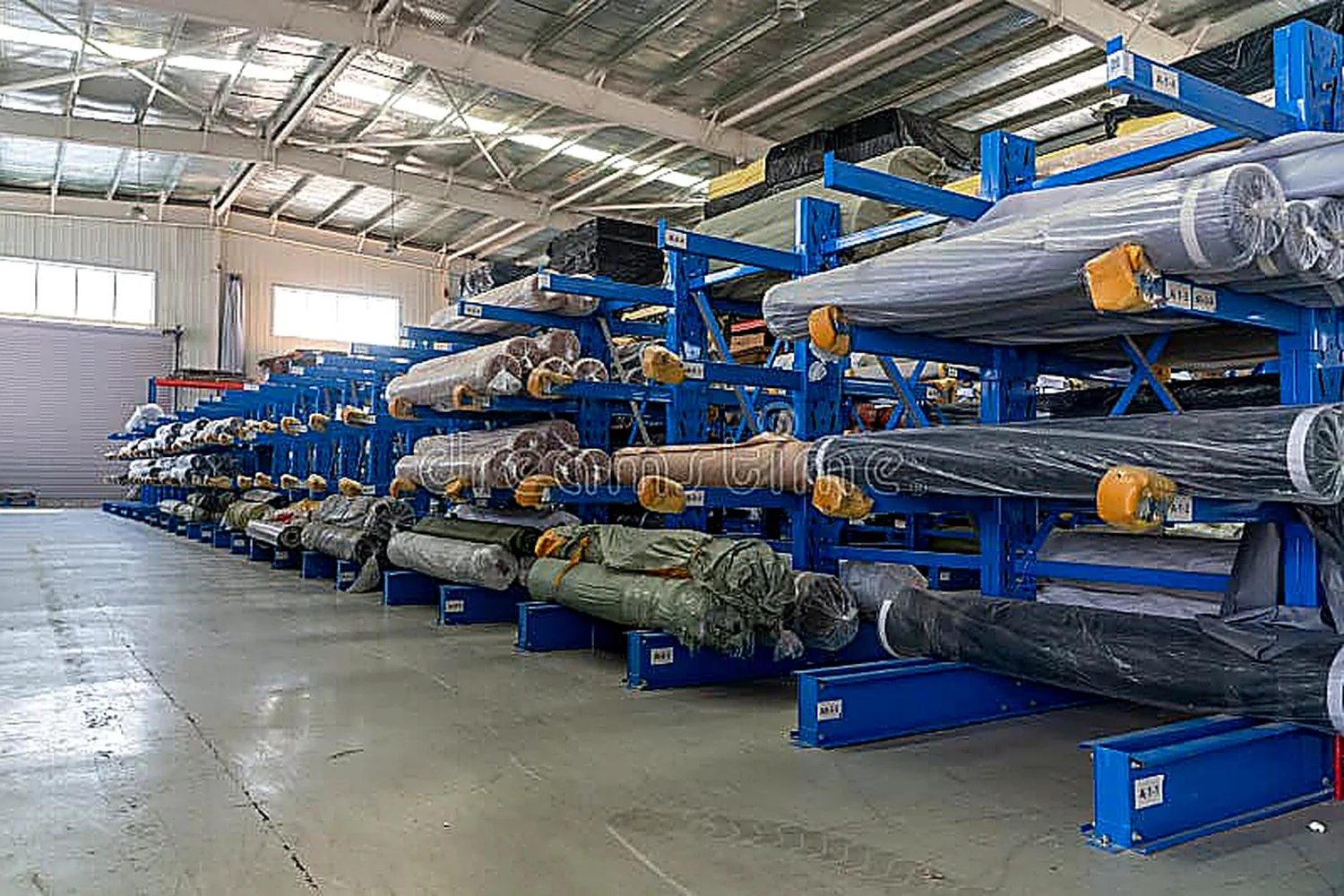
Vertical integration apparel is a production structure where one company, or a tightly controlled factory network, manages multiple stages of garment creation.
Those stages run from material sourcing and pattern development through sampling, fabric processing, cutting, sewing, finishing, quality control, packing, and shipping.
Think of a house built by one general contractor. Nobody hires the plumber, electrician, and roofer separately, then hopes they coordinate. One team owns the schedule and the handoffs.
Not every supplier controls the full upstream chain. Two versions count. Some factories run everything under one roof, while others run a controlled end-to-end network with partner mills under contract.
The test in a Wuhan sample room is simple: can the team name the mill, dye house, and sewing line for one style in under 10 minutes?
If not, it is a network, not true integration. Ownership, system control, traceability, and accountability matter more than the brochure.
That is where the vocabulary loosens. Vertically integrated clothing manufacturers cut external handoffs by internalizing or tightly controlling key stages. Factory-direct garment production means fewer intermediaries between design file and pallet.
A private label cut and sew factory is narrower: it cuts, sews, and trims a label into the finished garment.
That differs from print-on-demand, which prints on ready-made blanks, and trader-only sourcing houses, which resell and rarely touch a sewing floor.
Hence the case for apparel supply chain consolidation. Here is the split explained to each new client:
CMT (cut, make, trim): the factory cuts, sews, and trims. The buyer manages fabric, trims, labels, testing, and often freight.
Full-package apparel manufacturing (FPP): the supplier manages sourcing, development, production, and often export and logistics support.
The tradeoff is control versus coordination. CMT gives experienced teams more direct material choice, but multiplies the moving parts to chase.
Full-package centralizes ownership. When color, shrinkage, or a sewing fault appears, one party answers. That is the real promise of end-to-end textile and garment sourcing.
See the FPP vs CMT cost split for the itemized side.
The choice is settled before a sketch becomes a tech pack.
It drives the sample timeline, early design-stage planning (clothing design tools and apps), and the full clothing sample making process.
💡 Key Insight: True vertical integration apparel means one accountable chain, not one logo on a catalog.
How Vertical Integration Apparel Works: Inside the Operating Model
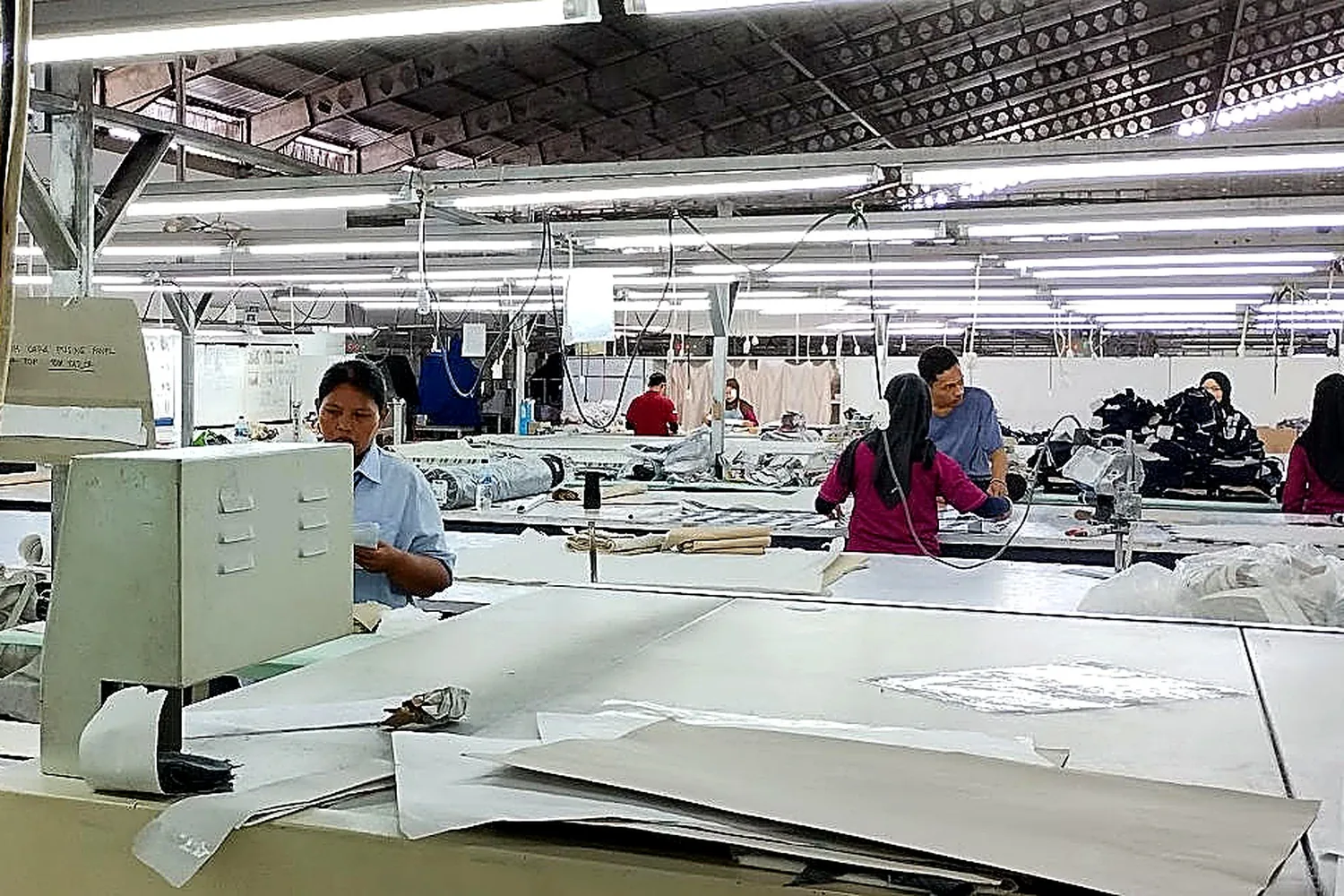
A fragmented chain runs like a relay race. Each handoff risks a dropped baton. An integrated factory runs like one crew that owns each lap.
Both models were examined using anonymized ERP records from 300+ accounts and time logs from 7 Wuhan production lines. Here is how work actually moves.
The Fragmented Chain: Where Time Dies
The standard three-vendor model has three players: fabric mill, trading agent, CMT workshop. Each optimizes its own queue, not the calendar.
The tech pack reaches the agent, who sources fabric, waits on lab dips, forwards comments, then books cutting. Every transfer creates a wait state.
Sample relays burn 4 to 6 days per round trip. Lab-dip ping-pong between mill, agent, and brand eats 10 to 14 days.
Trim mismatches surface at cutting, after fabric is committed. Inspections repeat at every vendor. Partial shipments split freight and documents into two or three customs entries.
None of it shows on a quote. It shows in the launch date.
The Integrated Workflow, Step by Step
One team owns eleven stages. Here is the real sequence on the floor:
- Tech pack review: feasibility check against machines and fabrics.
- Pattern engineering and marker planning: pattern makers sit 20 meters off the cutting table, so marker efficiency gets tested the same day.
- Fabric sourcing or development: knits, wovens, and blends spec’d to hand-feel and GSM.
- Lab-dip and color approval: the internal dye house partner logs each strike-off in one Pantone system.
- Sample room execution: prototypes in 5 to 7 days.
- Fit comments and revision loop: comments route directly to the pattern file, not to a middleman.
- Bulk material booking: fabric is reserved against the approved color, not a guess.
- Cutting and line loading: cutting ticket and sewing line share one schedule.
- Inline QC and AQL 2.5 checkpoints: checked at the machine, not after the fact.
- Finishing, packing, carton control: needle detection at 1.2mm and verified carton weights.
- Consolidated export and DDP delivery: one shipment, one entry, one door.
Bulk runs land in 15 to 25 days. Not because the sewing is faster. Because nothing waits in a parking lot between vendors.
⚙️ Technical Detail: ISO 2859-1 defines the AQL sampling math used here: AQL 2.5 for majors, 4.0 for minors.
The standard has not changed. What changes is when a defect is caught — inline at unit 50, or final at unit 900.
Timeline Teardown: Handoffs vs. Overlap
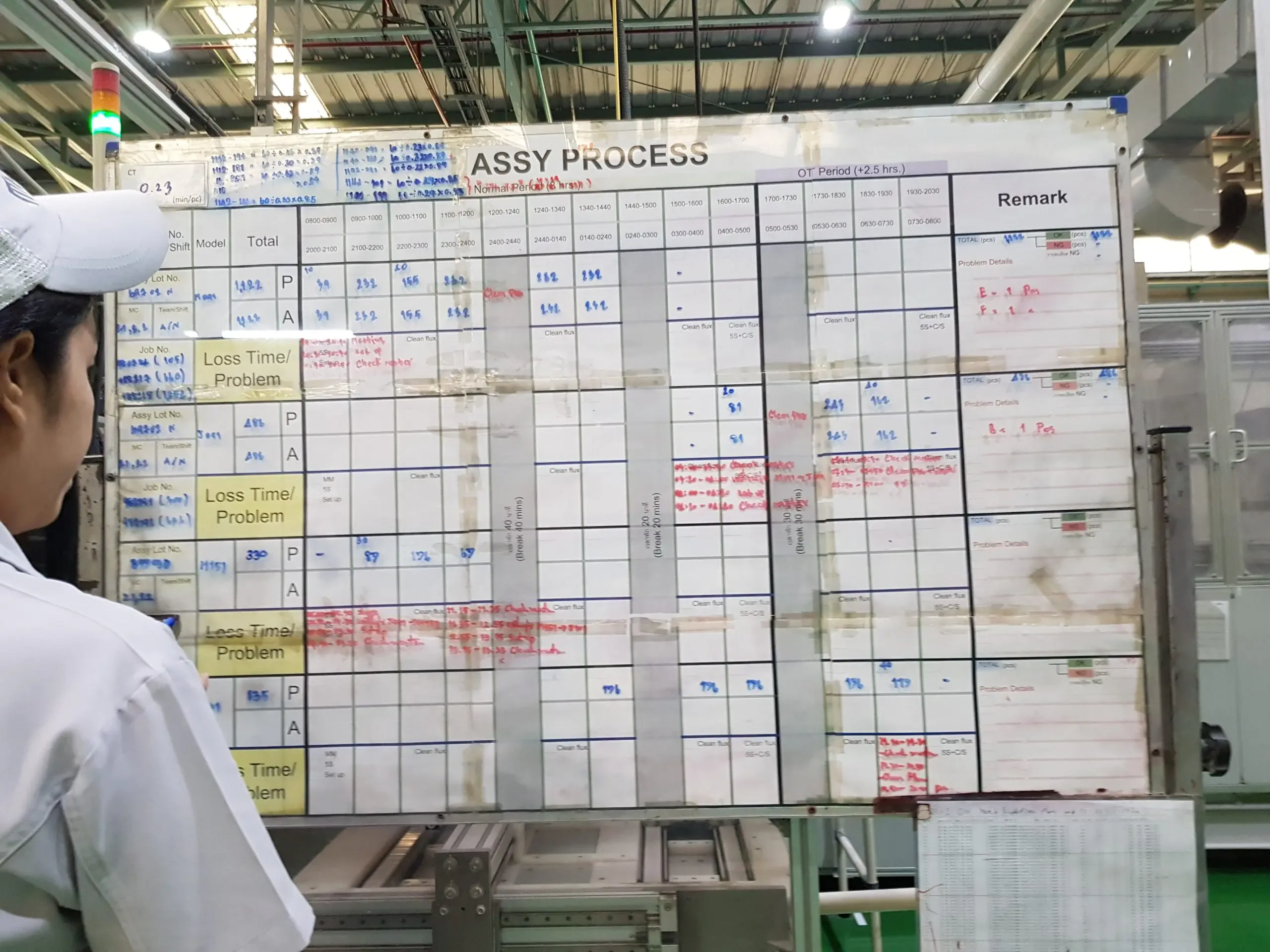
Here is the side-by-side shown to sourcing directors. Figures are medians in account data, not best cases.
| Stage | Standard 3-vendor | Integrated |
|---|---|---|
| Sample development | 14 to 21 days | 5 to 7 days |
| Lab-dip approval | 10 to 14 days | 5 to 7 days |
| Fabric booking to arrival | 21 to 30 days | 10 to 14 days |
| Cutting queue | 7 to 10 days | 2 to 4 days |
| Sewing | 18 to 25 days | 15 to 20 days |
| Final inspection | 5 to 7 days | 1 to 2 days (inline) |
| Shipment consolidation | 7 to 10 days | 2 to 3 days |
| Door-to-door total | 90 to 120 days | 45 to 70 days |
Read the sewing row. It barely moves. The gain is concurrency: fabric books while the lab dip runs, cutting preps while fit comments land.
That is honest apparel lead time reduction from fewer handoffs, not magic speed.
For the full sequence, see the five-stage fashion production timeline and the supply chain logistics guide.
🔄 Common Misconception: Integration does not make sewing faster. It makes waiting shorter.
Landed-Cost Teardown: Why the Cheap Quote Loses
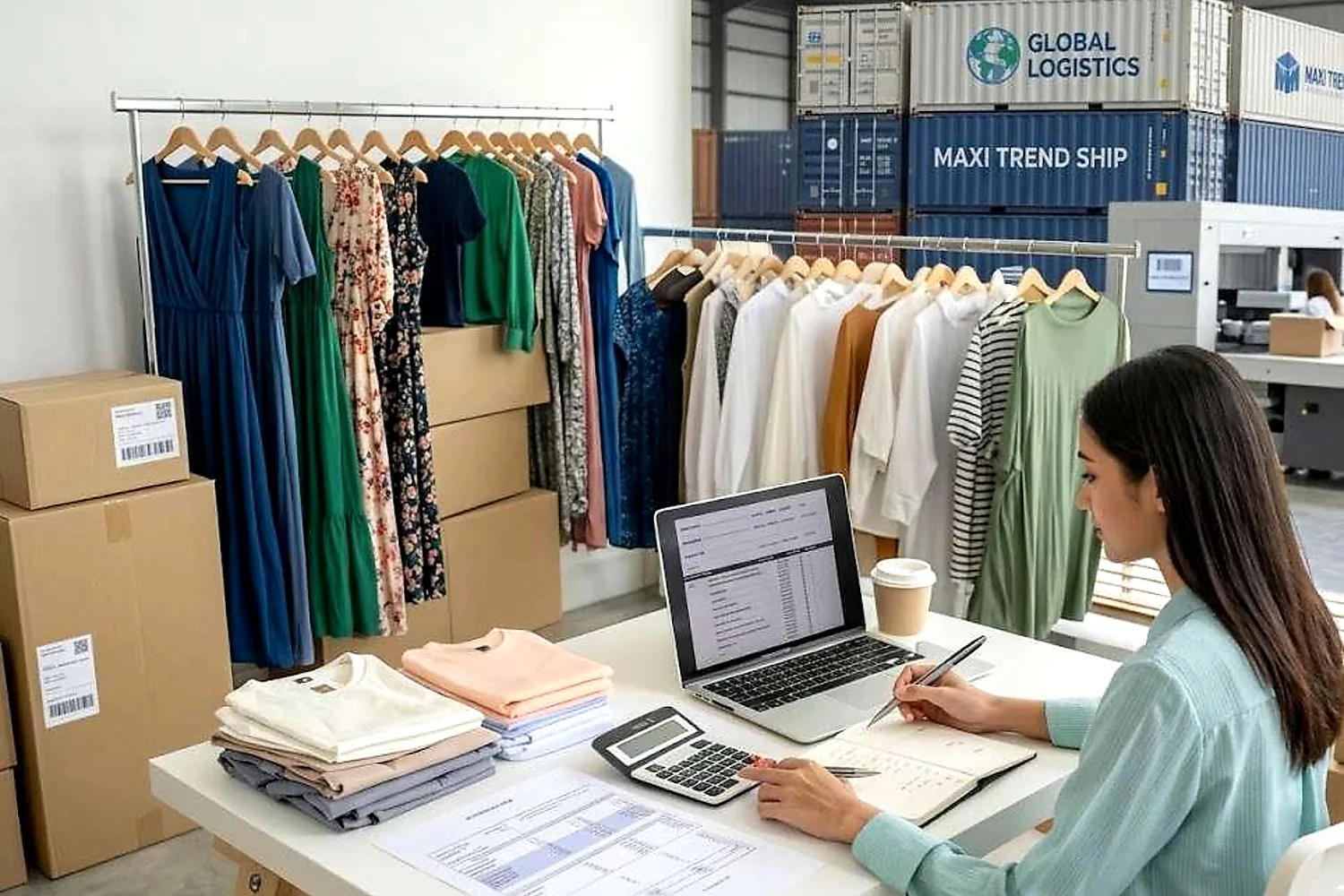
A 1,000-unit heavyweight hoodie ran through both models. The cost breakdown shows the line items.
| Cost line (per unit) | 3-vendor | Integrated |
|---|---|---|
| Quoted CM/CMT | $4.20 | $4.80 |
| Fabric sourcing spread | $5.60 | $5.10 |
| Trim purchasing overhead | $0.85 | $0.55 |
| Freight between vendors | $0.40 | $0.05 |
| Third-party QC / re-inspection | $0.35 | $0.15 |
| Defect and rework exposure | $0.60 | $0.20 |
| Inventory carrying (longer calendar) | $0.50 | $0.20 |
| Customs and admin | $0.30 | $0.10 |
| Landed cost | $12.80 | $11.15 |
The quote that looked $0.60 cheaper per unit turned into $1.65 more expensive once coordination costs landed. On 1,000 units, handoffs burn $1,650, not craftsmanship.
Category depth matters: see how it plays out on small-batch hoodie production and streetwear runs.
Why Silos Create Technical Failures
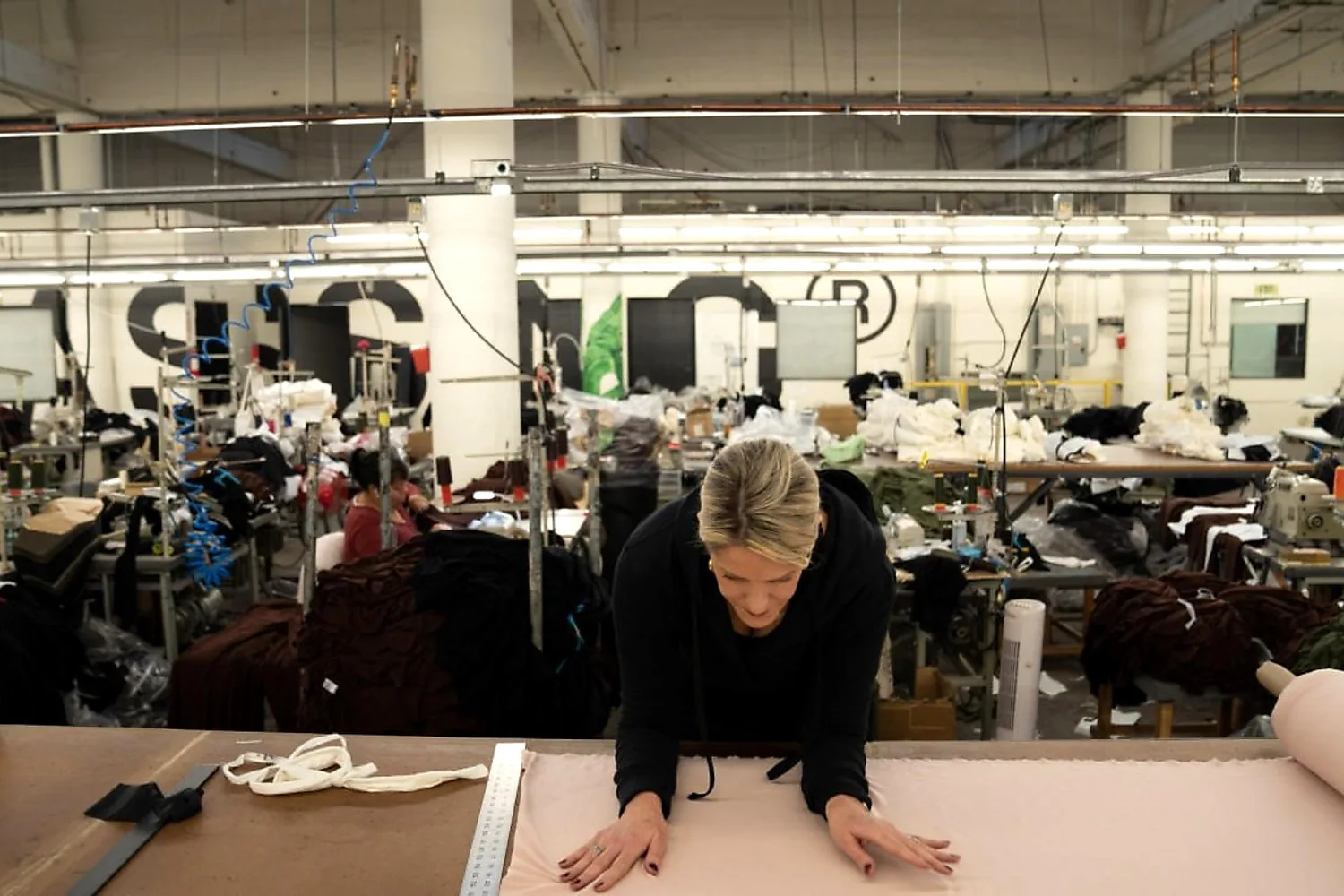
Grace Zhao, Design & Technical lead, and Jason Wang in pattern engineering were blunt.
Grace: “When the pattern maker never sees the shrinkage report, the fit block is fiction. We had a client’s 100% cotton tee shrink 5.2% on the first wash because testing ran in a separate lab that never spoke to the pattern team.
Now the ISO 5077 result lands in the same file as the pattern.”
Jason: “Stretch recovery is worse. If the fabric tester uses one protocol and the sewing line uses another, you get bagging at the knee after three wears. No inspection catches that. Only aligned specs do.”
The most common pattern in rework data: sample comments arrive by email, get paraphrased, then miss the bulk line setup entirely.
Fit consistency improves when development, testing, and production share one technical language and one accountable system.
🧠 Expert Insight: Ask a supplier who owns the shrinkage number. If two people do, you have a silo.
The Audit SOP: How Buyers Verify Real Integration
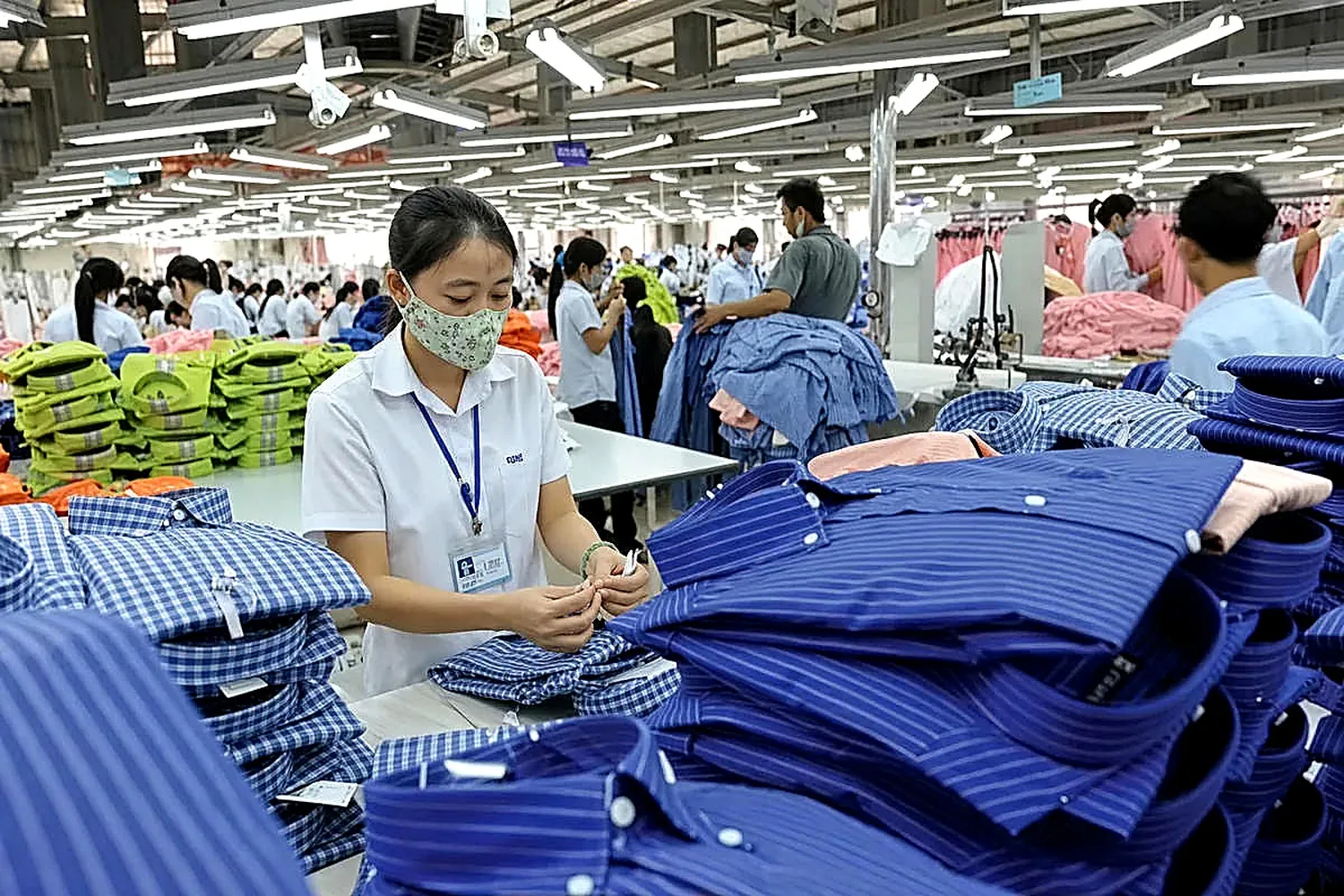
Ask for evidence artifacts, not certificates. The audit file for each order holds:
- Raw-material batch traceability logs (mill, lot, date)
- Lab-dip approvals with colorfastness sign-off
- Fabric inspection records under the 4-point system
- Pattern and version control history
- Inline QC reports, by line and by date
- AQL 2.5 checkpoint logs across all 7 lines
- Needle detection and final packing records
A supplier that cannot produce the inline QC log by line and date has a sales claim, not integration. Industry testing standards from AATCC give the reference language to challenge it.
That record-first stance is what Nat Binns, Startup Fashion Brand Specialist builds into supplier decisions with founder brands: settle the evidence before bulk, not after a defect forces the question.
Traceability: The Compliance Payoff
Traceable clothing manufacturing is a debugging tool, not a marketing badge.
When a dye lot fails, the batch log isolates the roll in hours, not weeks. When a retailer asks for documentation under stricter sourcing laws, the file already exists.
Supplier accountability, faster root-cause analysis, and compliance readiness all flow from the same records.
Test the chain before scaling. The sample process is the cheapest place to learn whether one team owns each lap.
Key Benefits: Why Vertical Integration Apparel Protects Margin, Speed, and Trust
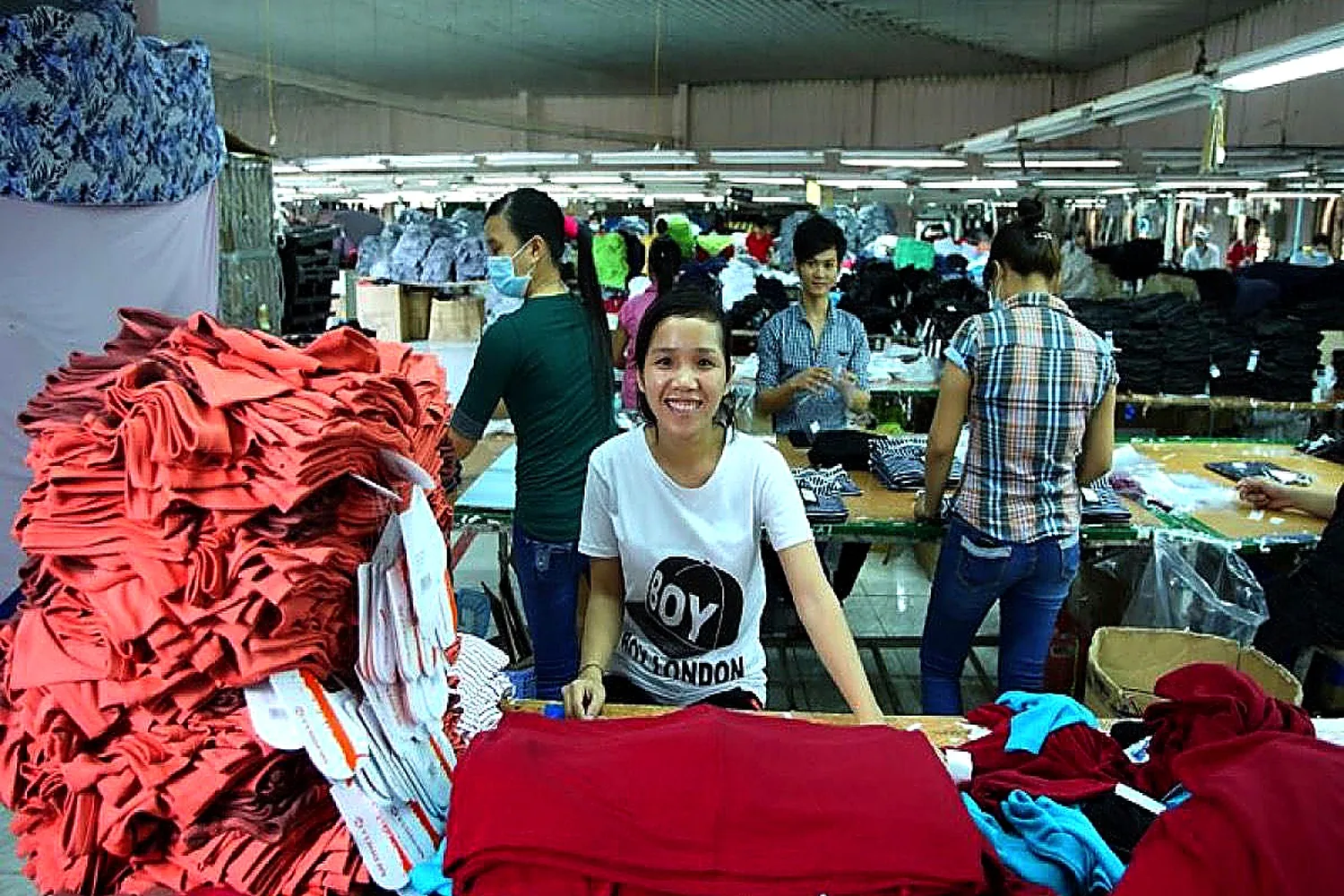
Landed costs and production calendars were reviewed across 300+ accounts, and a hoodie was run through both models. The result: fewer handoffs, fewer leaks in cost, time, and quality.
Two numbers decide a launch — landed cost and ship date. Visibility lets scaling brands catch leaks before they compound.
Protect Margin Beyond the Quote
Apparel supply chain consolidation cuts hidden leakage: extra freight legs, rework, duplicated QC, management overhead. In the hoodie comparison, the lower CMT quote lost by $1.65 per unit after coordination costs.
A cost breakdown helps pressure-test a quote. Fewer moving parts on a first private-label launch means fewer fire drills.
Compress the Calendar and Buy Predictability
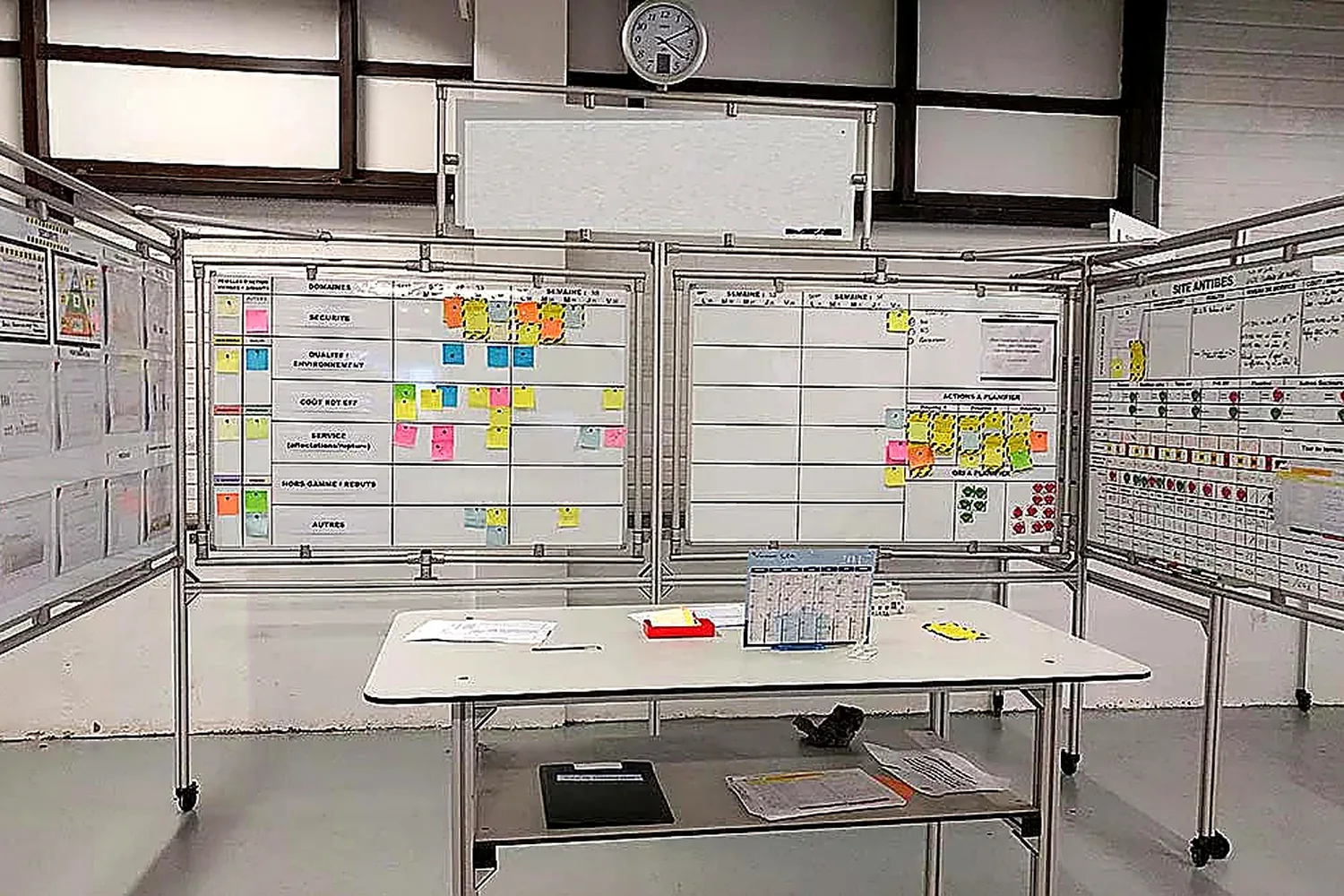
Integration drives apparel lead time reduction by overlapping work: prototypes in 5 to 7 days, bulk runs in 15 to 25 days.
Predictability matters as much as speed. Wholesale windows, marketing drops, and replenishment can be committed without air-freight panic. A growth sportswear brand gains tighter control on stretch, recovery, and repeat fits.
📈 ROI Check: Compare fragmented sourcing cost against an integrated model. Request a project review.
Hold Fit, Color, and Construction Consistent
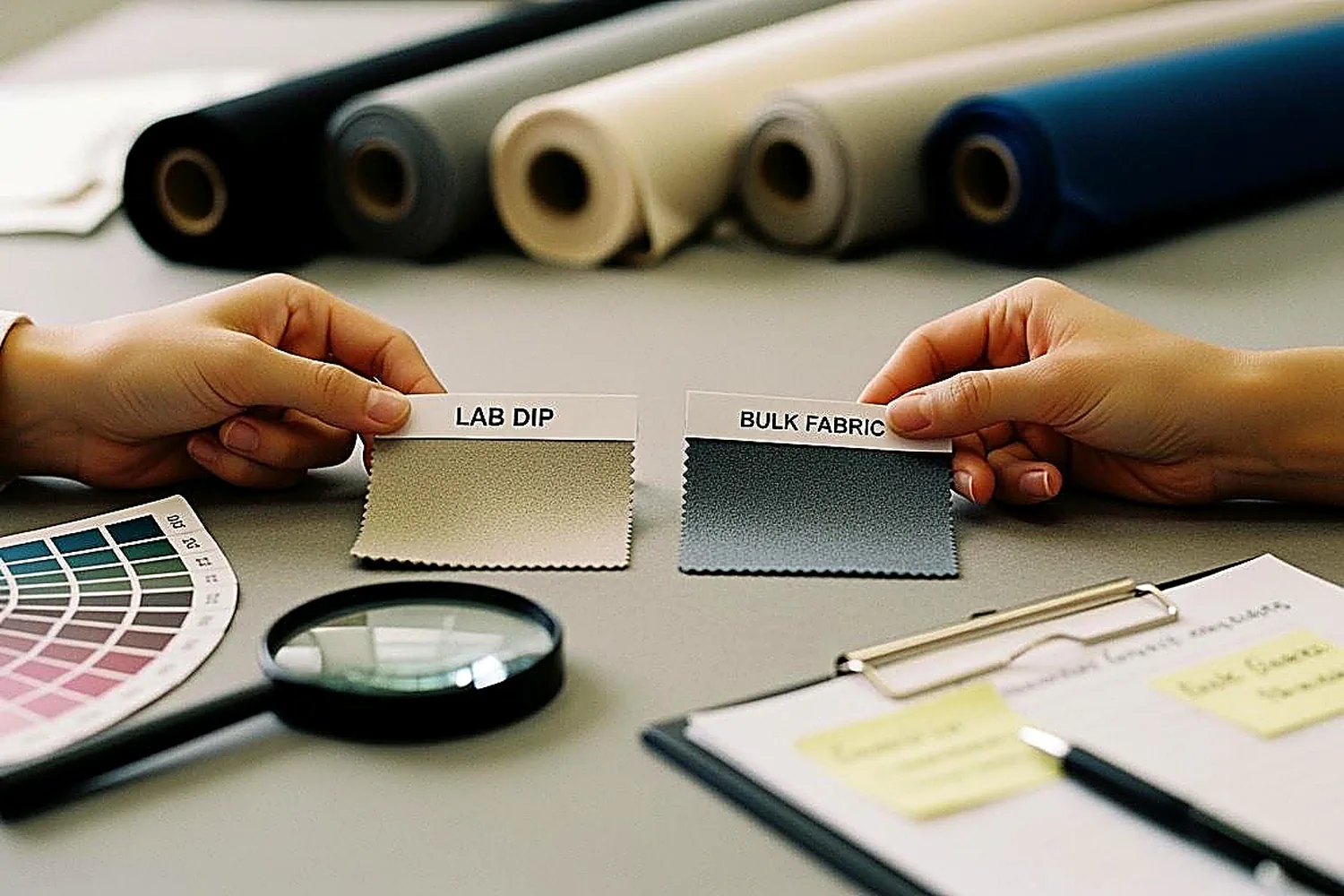
One technical file connects pattern, fabric, and sewing. ISO 5077 shrinkage results, lab dips, and inline QC sit in one system.
That protects fit for sportswear, kidswear, uniforms, and other fit-sensitive garments. One team catches a shrink issue before bulk, not after the first wash complaint.
Close Ownership Gaps
One accountable team removes email chains and blame loops. Root-cause analysis speeds up when a defect traces to fabric lot, pattern version, or sewing line.
Lean teams gain most: no in-house sourcing department chasing three vendors.
It is the same principle Nat Binns, Startup Fashion Brand Specialist, applies to sourcing plans: one accountable owner per stage, so coordination cost has nowhere to hide.
Build Traceability into Operations First
Records built into operations pay off before a problem ever appears.
Retailer compliance teams can verify the chain from fabric lot to finished garment, and credible sustainability claims stand only when auditable material documentation backs them. The fabric selection guide covers the material side.
💡 Key Insight: Integration pays twice: it cuts coordination cost, then protects the calendar and the claims a brand sells on.
Disclosure: No manufacturer kickbacks are received for these findings.
Challenges & Limitations
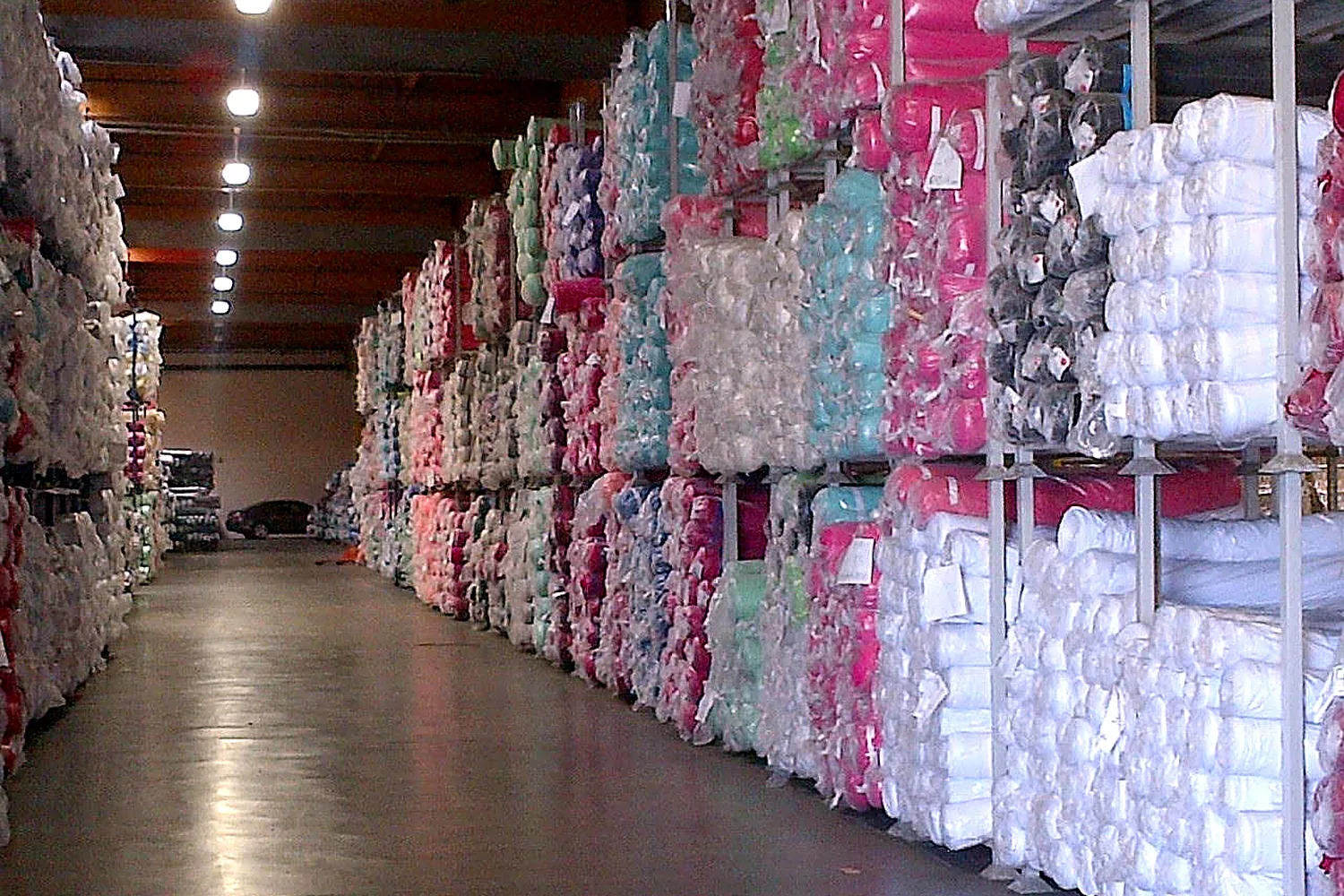
Vertical integration apparel removes handoffs. It also removes escape routes.
Fabric and MOQ Flexibility Can Narrow
Some integrated mills protect their in-house fabric program. That protects consistency but limits choice.
On a 1,000-unit hoodie order, the stock black fleece carried a 50-unit fabric minimum per colorway. A custom Pantone on 240 GSM fleece moved that to 300 units and added 7 days. Specialty knits and low-volume colors hit the same wall.
🛡️ Mitigation: Lock core colors, book off-season capacity, and keep one stock fabric as a fallback. The Textile Exchange standards library compares fiber options.
Single-Supplier Concentration Creates Exposure
One partner simplifies execution and concentrates risk. If capacity tightens, quality slips, or the supplier overpromises, there is no second line.
One line stop lasted 11 days and held three SKUs. A backup is now qualified for each core style, with a 10% to 15% capacity buffer. ISO 31000 frames that view.
“Vertical” Claims Often Outrun Evidence
Some “integrated” suppliers are trading desks with outsourced sewing. They quote fast and cannot show line-level records.
Ask for raw-material batch logs tied to PO and style, lab-dip trails, wash/colorfastness logs, inline QC records, AQL logs, and corrective-action history. Credible traceability ties back to who performed each step.
Nat Binns, Startup Fashion Brand Specialist, flags the reverse with founder brands: an integration pitch sounds airtight until someone asks which stages genuinely run in-house.
In-House Is Not Automatically Best
In-house wins on coordination, not on every technical textile. Specialized swim, flame-retardant, or medical-adjacent fabrics may need external mills and accredited labs.
A hybrid model works only with sourcing skill; without it, hybrid adds back handoffs. External labs stay for specialized testing because a sewing floor is not a lab. AATCC methods give shared test language.
⚖️ Trade-off: One integrated partner suits a 50-unit fabric test. It is risky for a 10,000-unit peak without a backup.
How to Verify True Vertical Integration Before Placing Bulk Orders
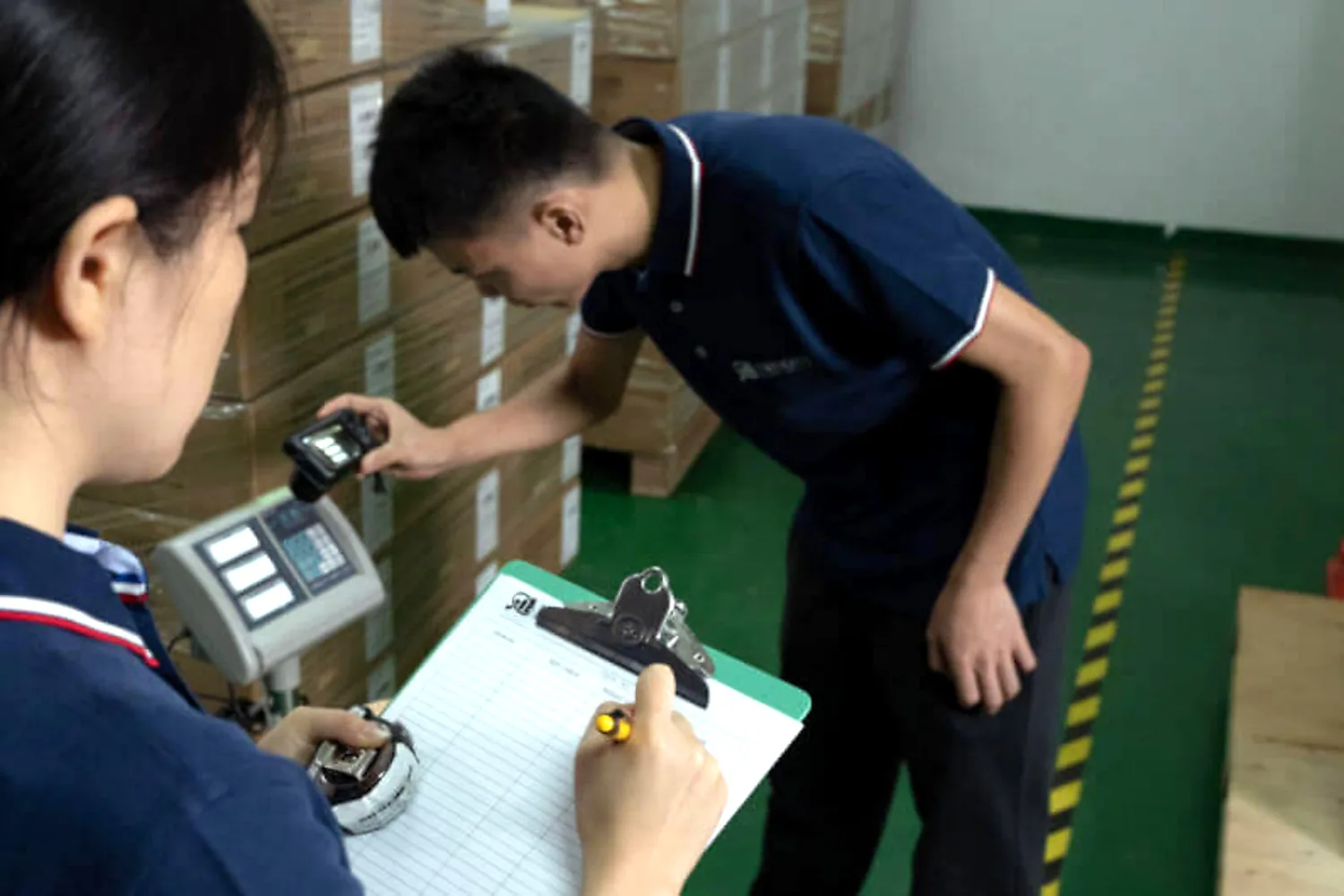
Ask these questions before wiring a deposit:
- Which stages are genuinely in-house versus approved partner-managed?
- Can they show raw material batch records linked to PO and style?
- Can they produce lab-dip approval trails and wash/colorfastness logs?
- Can they show inline QC records, AQL logs, and corrective-action history?
- Can they walk a buyer through sampling, bulk cutting, and packing areas live?
- Can they explain who handles DDP/export coordination?
Warning signs: vague answers, refused line-level documents, shifting lead times, and no pattern or spec version control. One is a pause. Two is a stop.
🛡️ Mitigation: Run a 50-unit sample first. Audit the document trail, then scale. Prep with a sampling reality check and a color management guide.
Want the chain pressure-tested against your own SKU mix and MOQ?
Final Verdict: Vertical Integration Is a Control Strategy
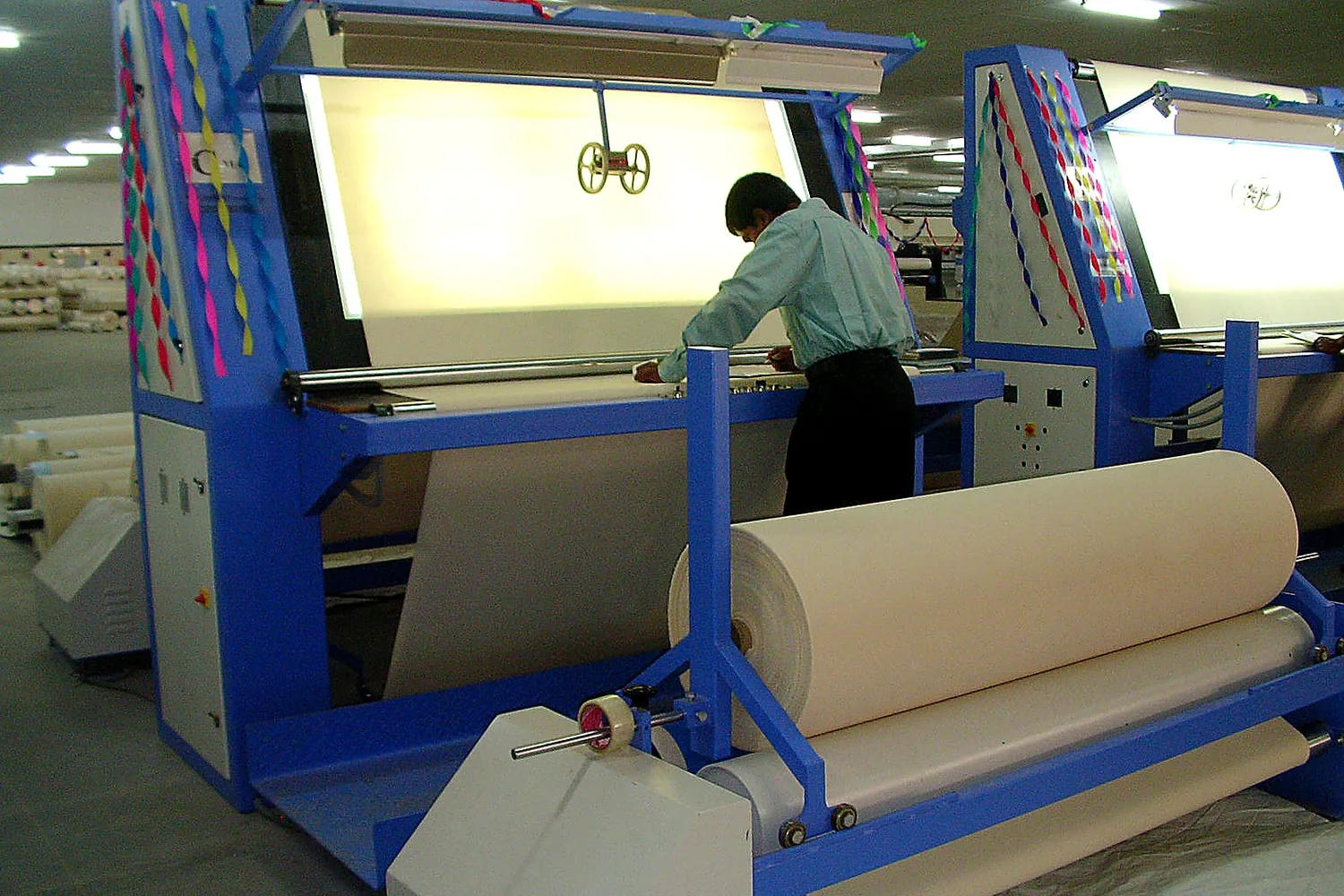
Vertical integration apparel is one accountable chain controlling more stages from fabric to finished garment. The win is not a cheaper sewing quote.
It is fewer handoffs, faster decisions, cleaner accountability, and tighter control over landed cost. The hoodie test made this plain: the lower CMT quote cost $1.65 more per unit after coordination.
The model is not a universal rule. It works when the supplier controls the critical stages and can prove it with batch records, lab-dip trails, inline QC logs, and transparent communication.
If the factory cannot name its mill, dye house, and sewing line in 10 minutes, treat it as a network, not a single accountable chain.
That is the line between a control strategy and a sales claim.
Full-package apparel manufacturing vs CMT is a fit question.
Choose full-package when the team lacks sourcing depth, when volume, complexity, or the launch calendar demands it, or when one owner for quality and delivery is worth it. Stay with CMT with strong material sourcing, in-house technical support, and the bandwidth to chase multiple vendors.
Before scaling, compare the current workflow against an integrated model using the cost breakdown, sample process, and cut and sew manufacturing pages. The final call is simple: buy accountability, not another handoff.
Frequently Asked Questions About Vertical Integration Apparel
1. What does vertical integration mean in apparel manufacturing?
One company, or one tightly controlled factory network, manages more stages between a design file and a shipped garment: fabric sourcing and development, pattern making, sampling, cutting, sewing, finishing, quality control, packing, and export.
The point is fewer handoffs and one party accountable when something goes wrong. It does not require every stage under one roof, only control and traceability of every stage.
2. Is vertical integration cheaper than using separate suppliers?
Not on the quoted sewing price, but on the landed cost.
In the 1,000-unit hoodie comparison, the fragmented three-vendor quote looked $0.60 cheaper per unit, yet hidden freight legs, duplicated QC, rework, and inventory carrying pushed its landed cost to $12.80 against $11.15 for the integrated route. The lower quote lost by $1.65 per unit once coordination costs were counted.
3. What is the difference between full-package and CMT?
CMT (cut, make, trim) means the factory supplies labor and machines while the buyer owns fabric, trims, labels, testing, and often freight.
Full-package means the supplier manages sourcing, development, production, and frequently export and logistics support. CMT gives an experienced team more direct material choice; full-package centralizes ownership so one party answers for color, shrinkage, or a sewing fault.
4. How do I verify a factory is truly vertically integrated?
Ask for evidence artifacts, not brochures: raw-material batch traceability logs tied to PO and style, lab-dip approvals with colorfastness sign-off, 4-point fabric inspection records, pattern version history, inline QC reports by line and date, and AQL 2.5 checkpoint logs.
If the team cannot name the mill, dye house, and sewing line for one style within 10 minutes, treat it as a network, not integration.
5. Does vertical integration raise the minimum order?
It can, on fabric. Some integrated mills protect their in-house fabric program, so a stock colorway may run at a lower per-color minimum while a custom Pantone shifts to a higher one and adds lead time.
The garment minimum stays 100 units per design per color; the fabric minimum per colorway depends on the mill and the spec, which is why core colors get locked and off-season capacity gets booked early.
