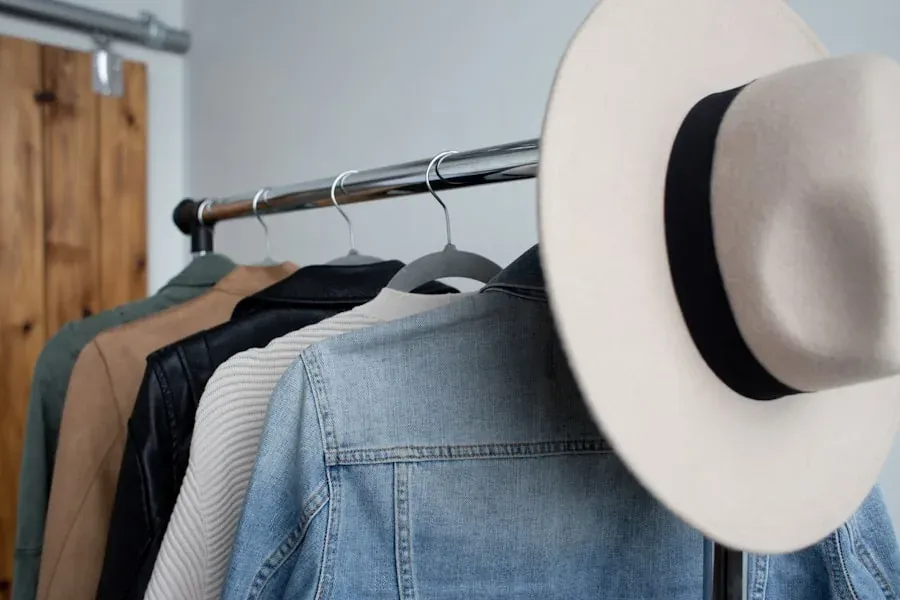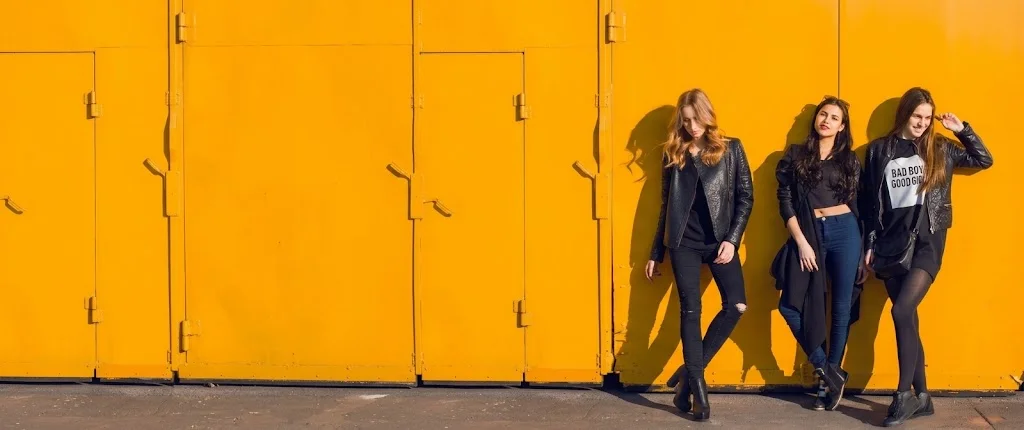
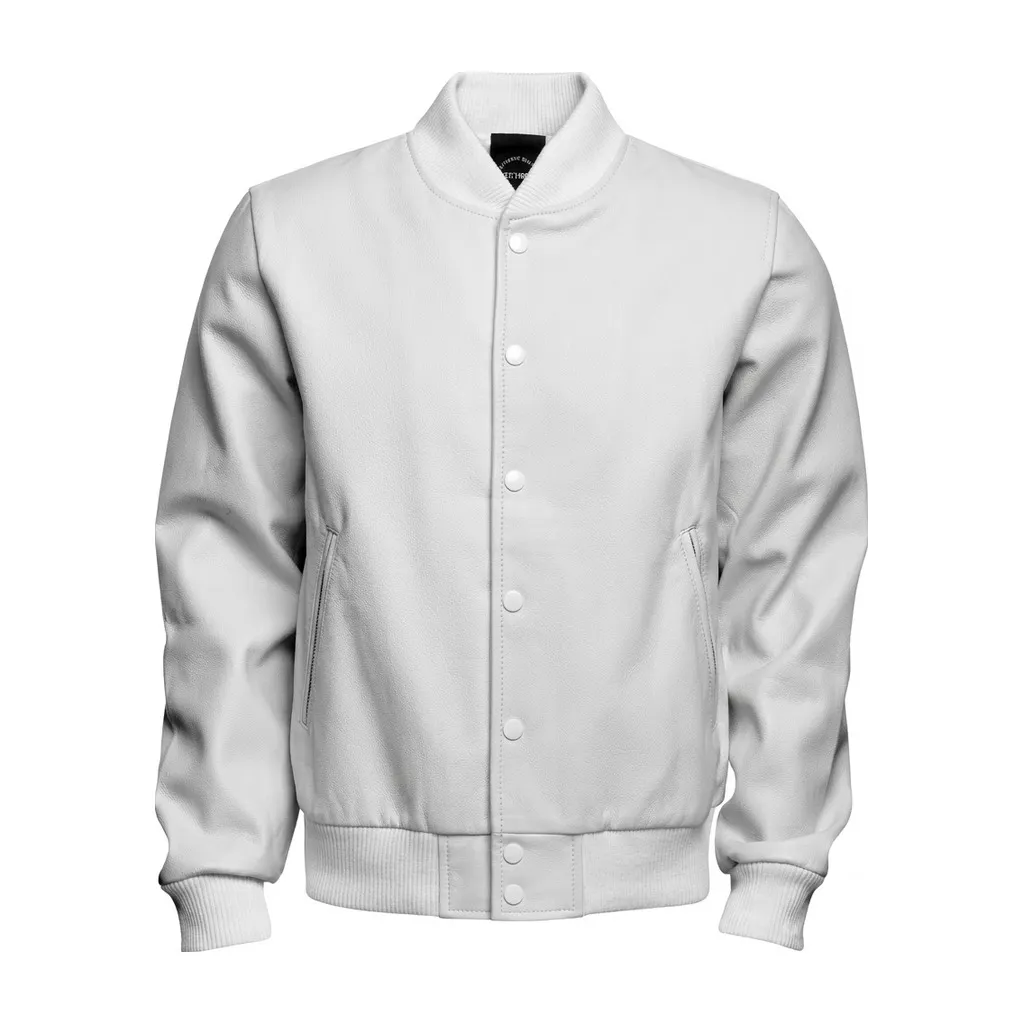
Bomber Jackets
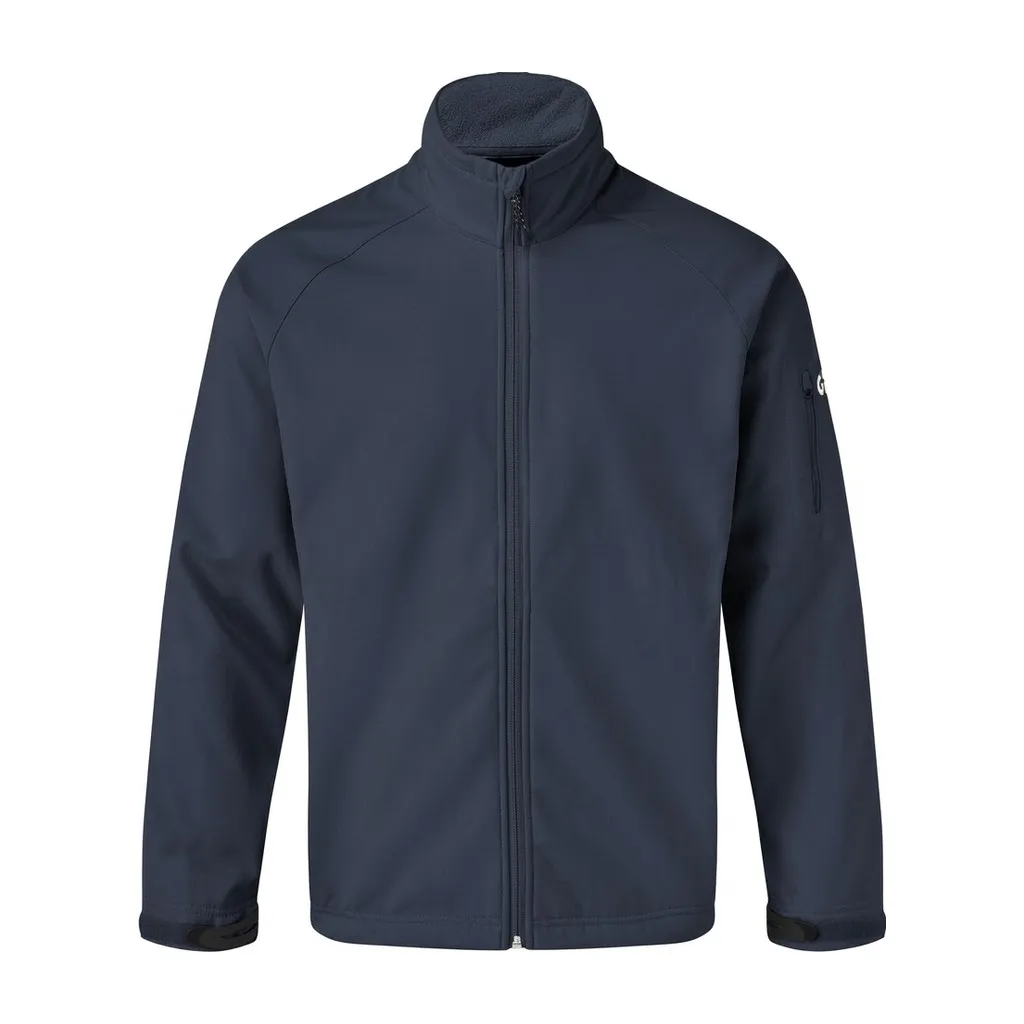
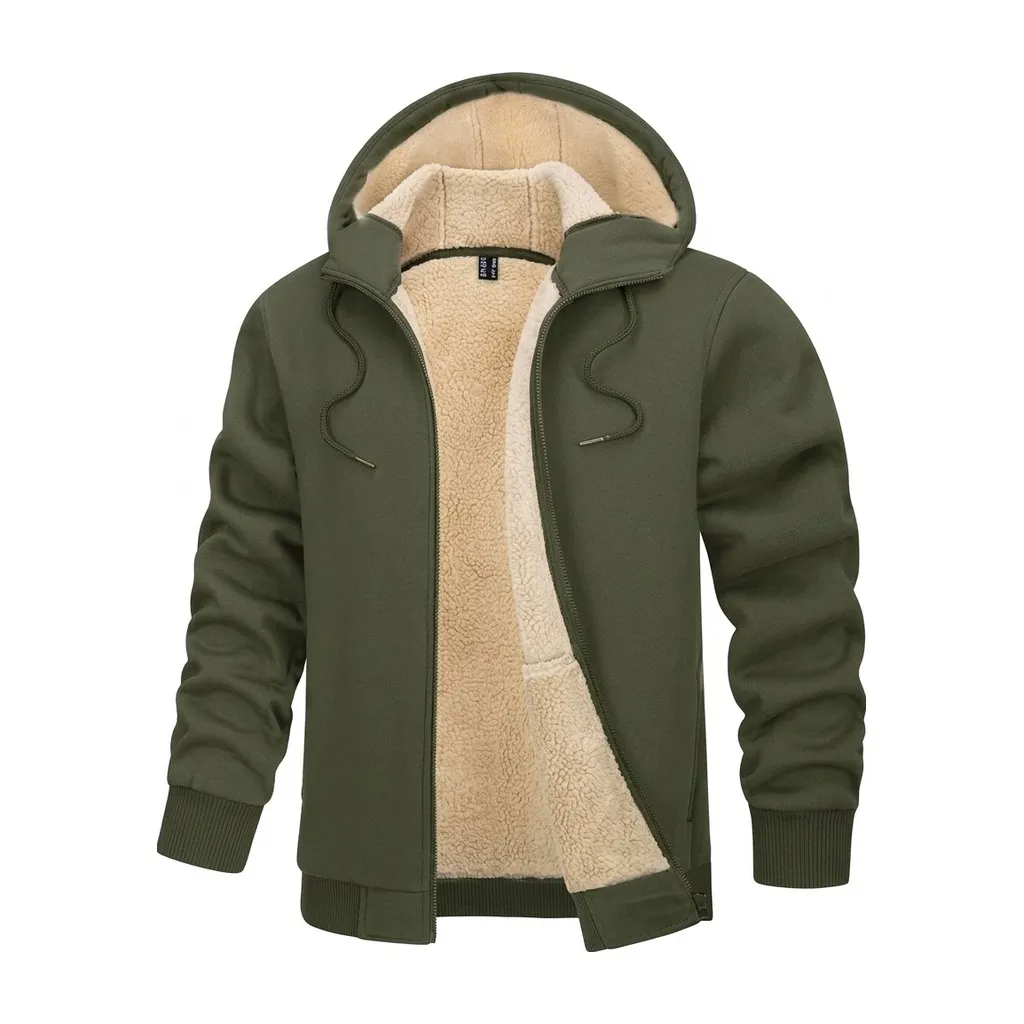
$28–58- Ribbed collar, cuffs, and hem
- Nylon twill or flight satin shell
- Two-way zip front
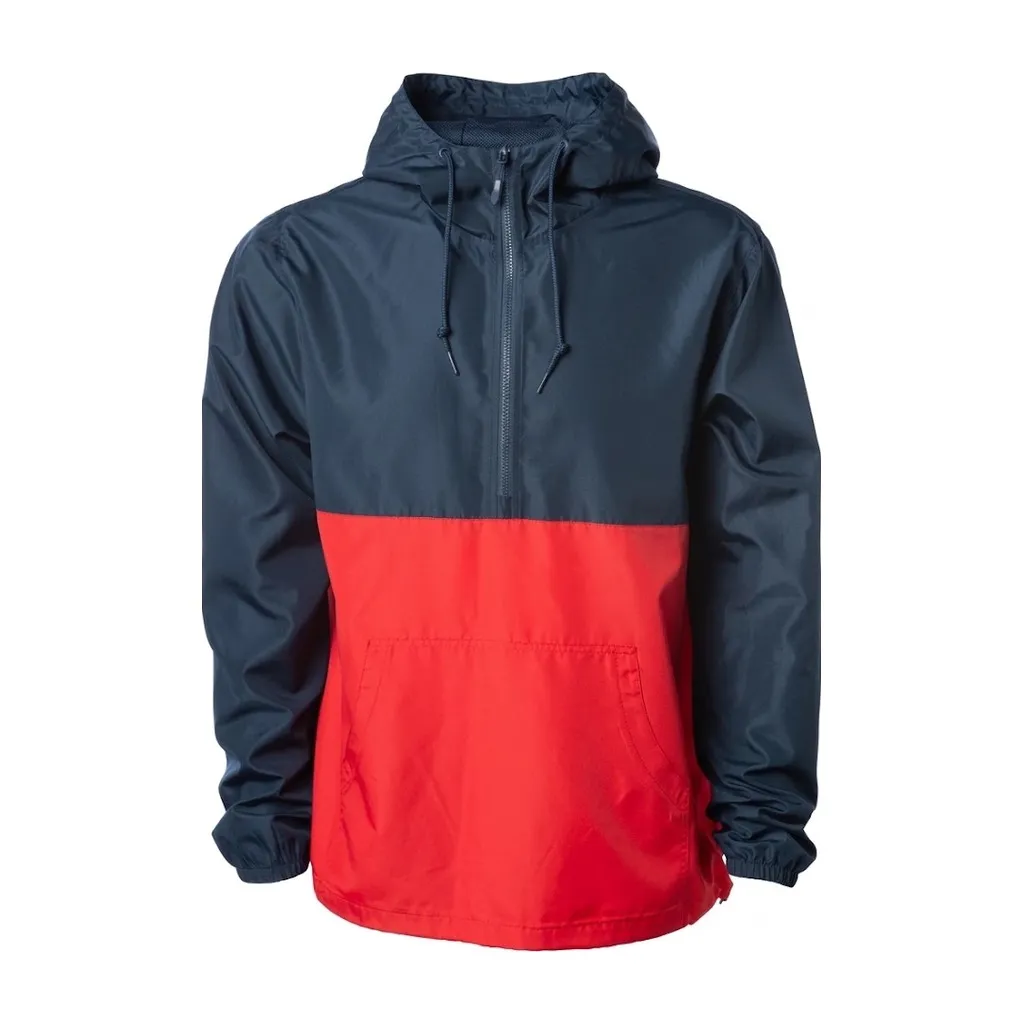
Bomber, puffer, varsity, and rain shells — each built to a POM spec that holds past the sample, with private-label branding and low MOQs under one partner. Waterproofing runs a hydrostatic-head ladder from taped seams to a 3-layer build, so the jacket that ships holds the rating the sample proved.
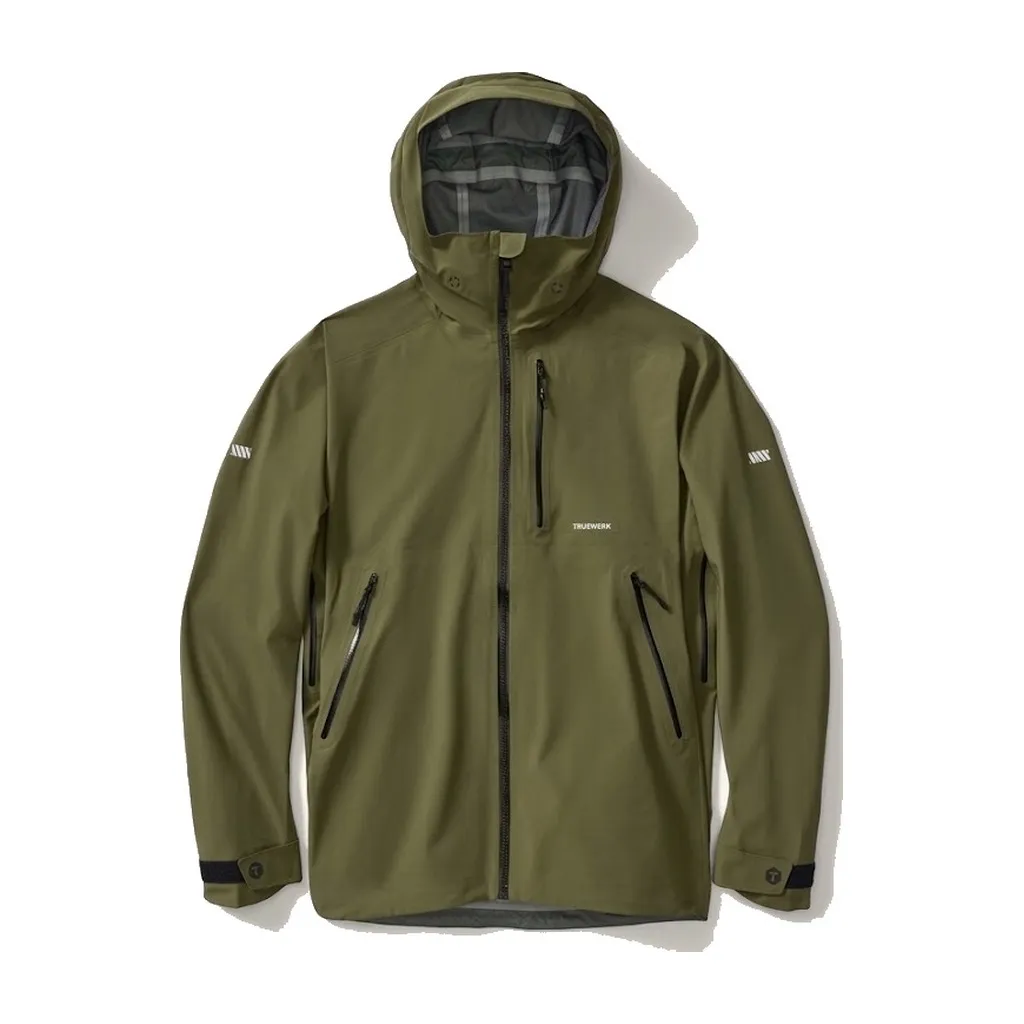
Custom Jacket Base Styles
Pick a proven base or build from scratch. Every style runs the same POM, seam, and QC system — the unit band is driven by shell, insulation, and construction depth.
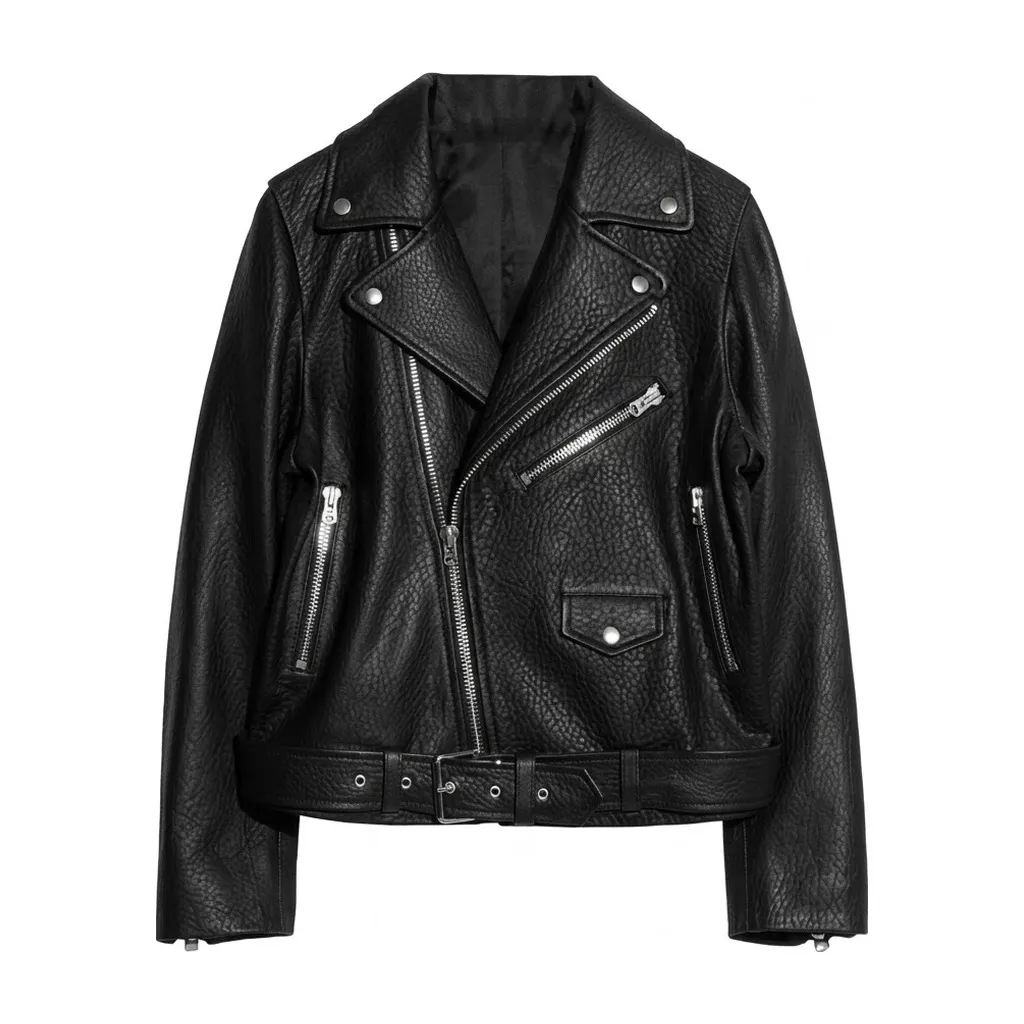
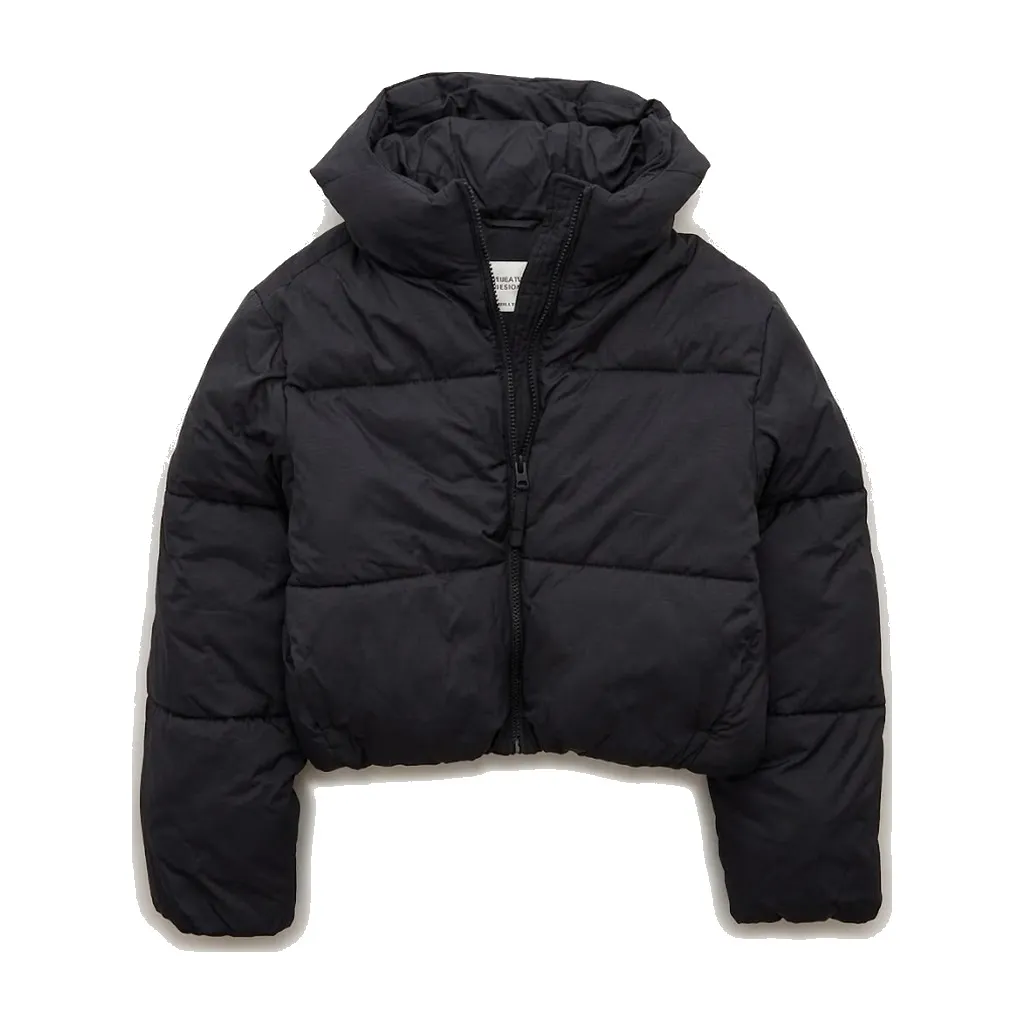
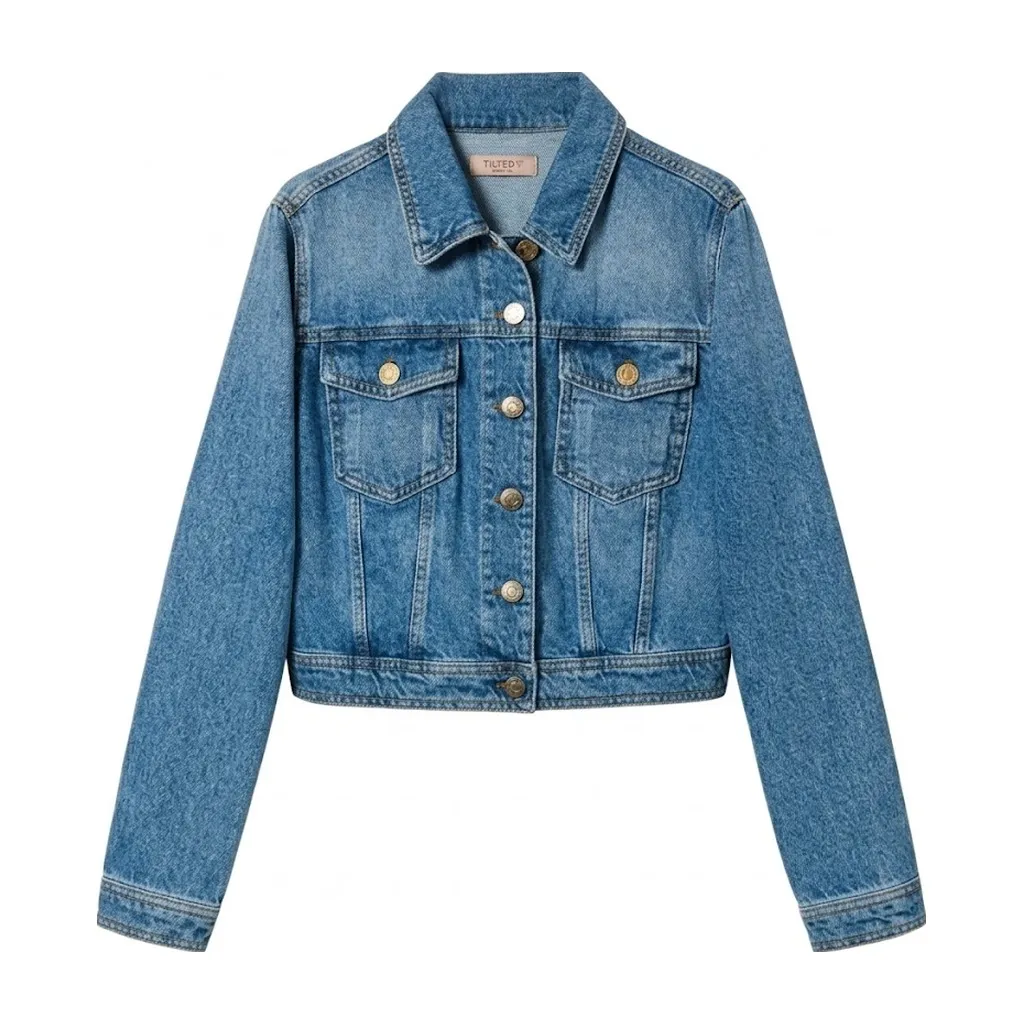
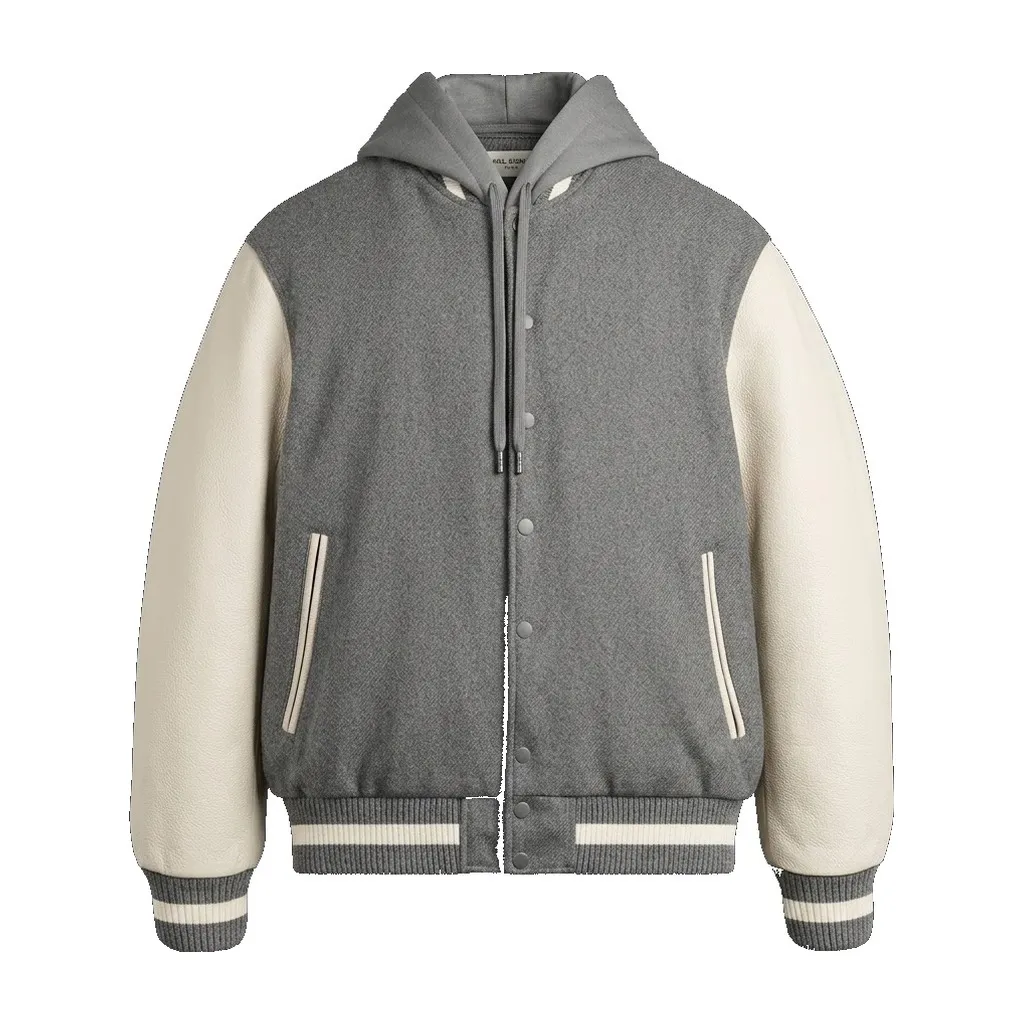
Custom Jacket Pricing
Four things decide where a jacket lands inside the price band. Know them before approving a sample, and you avoid paying for specs buyers won't feel.
Pick the shell wrong and the quote misses the budget — nylon twill lives in a different price world from melton or leather.
Two puffers can look identical and still quote 2× apart. The difference is inside, not in the shell.
Same fabric, very different quotes. What you pay for is how the jacket is built, not just what it's made of.
A first run always looks expensive. Setup cost — pattern, grading, samples, trim buy-in — spreads thin as volume grows.
Custom Jackets With Logo
Placement is a construction decision, not a styling one. The method — embroidery, patch, print — has to survive the shell it sits on. This is the map used before the first sample.
| Zone | Max Size | Method | Fit Note |
|---|---|---|---|
| 01 Chest · Left | Up to 10 cm |
| Welt or zip pocket below, never over |
| 02 Sleeve · Upper | Up to 8 cm |
| Clear of the sleeve seam and elbow articulation |
| 03 Back · Yoke | Up to 28 cm |
| Avoids baffle seams on puffers and tape lines on shells |
| 04 Collar · Under | Up to 6 cm |
| Fits the fold without adding bulk at the neck |
| 05 Hem · Left | Up to 12 cm |
| Clear of the zipper placket and any drawcord |
Bulk Apparel Tech Pack Development
Production needs the measurement logic underneath a flat sketch: where each point is measured, how it grades across sizes, and the tolerance before a piece is rejected. Sizing here is graded from a real wearer panel, not a downloaded chart.
| Size | A · Chest ½ | B · Body L | C · Sleeve CB | D · Shoulder |
|---|---|---|---|---|
| XS | 51 | 61 | 78 | 43 |
| S | 54 | 63 | 81 | 45 |
| M | 58 | 68 | 86 | 48 |
| L | 62 | 71 | 89 | 50 |
| XL | 66 | 74 | 92 | 52 |
| 2XL | 70 | 77 | 95 | 54 |
| 3XL | 74 | 80 | 98 | 56 |
| 4XL | 78 | 83 | 101 | 58 |
All values in cm. Size M is the sample block every size grades from. Tolerances ±0.5 cm on body, ±0.6 cm on sleeve — a piece outside tolerance is a defect, not a close call.
Each size above and below the sample gets a fixed increment. A -2 cm grading step on a jacket whose pattern needs -1 cm produces a batch that fits nobody.
A 0.5 cm drift on chest width is cosmetic. The same drift on a zip placement is a functional defect. Tolerances are set per POM, not as one flat rule.
Stitch-per-inch on visible seams and the needle size for heavy shells belong in the tech pack — they are what the floor actually sews to.
How a Jacket Order Runs
The path a procurement manager walks before bulk ever starts — what you send in, what comes back, and where each decision is made. No vague pricing, no oral timelines.
A photo of a competitor jacket is enough to start. No formal tech pack required.
POM table, fabric recommendation, milestone dates — priced line by line. No vague numbers.
Fit sample measured against the POM. Unlimited revisions until sign-off.
Duties, customs, and barcodes handled. Shelf-ready cartons, delivered.
Each finished jacket passes the metal detector and a QC check before the cartons close.
Lab dip, PP sample, bulk fabric, final QC — dates confirmed in writing before cutting.
Bulk-Production Failure Points
These four failures surface between the approved sample and the repeat order. All are preventable — and each carries a checkpoint in the process, with the build spec that catches it before the carton seals.
 Pattern error
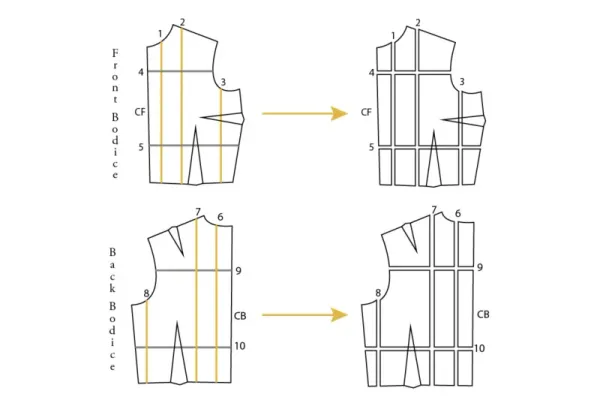
 A 3-size grading run went to bulk cutting with the wrong increment — chest spec 104 cm, PP sample measured 100 cm. It was caught after 200 of 2,500 pieces were cut, not after the whole batch.
Caught at the pre-production fitting: POM measured against spec, grading rule verified before bulk cutting starts.
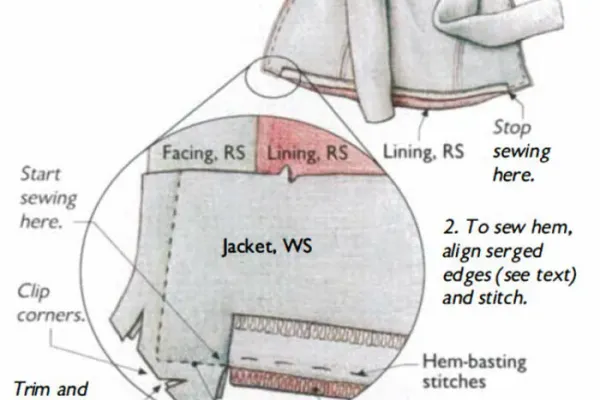 Seam failure
 A seam around the sleeve came apart months after purchase, and the maker called it "normal wear". A seam that opens under a year is a build issue — skipped stitches at a stress point, never reinforced.
Prevented by SPI spec on visible seams, bar-tacks at stress points, and a seam-strength check on the sample.
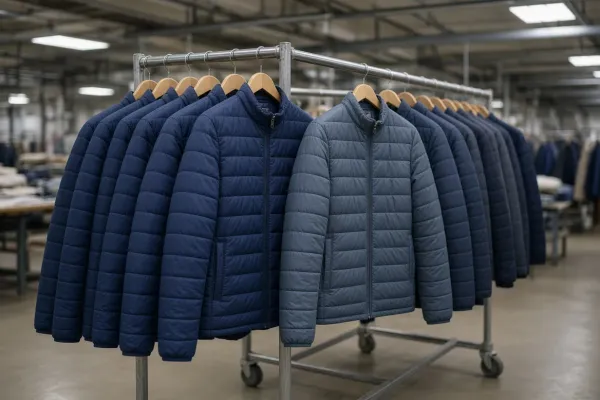 Shade drift
 The front doesn't match its own sleeve when dye lots split across production. Colour matched by eye on the sample, then bulk fabric arrived from a different lot.
Prevented by dye-lot allocation for the full run and spectrophotometer matching to 99.8% against the standard.
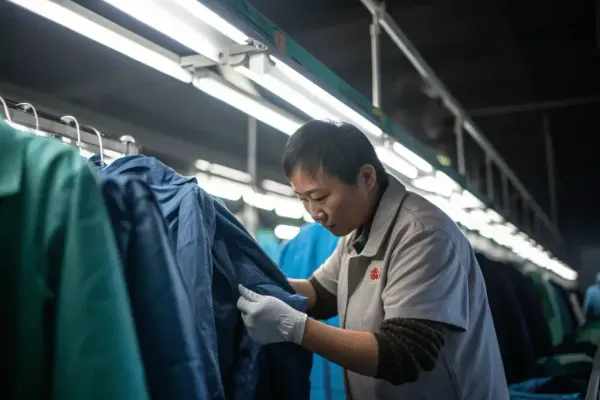 Needle control
 A broken needle is the one defect a customer can't repair and a brand can't defend. The final-inspection protocol treats it as critical — the lot is held and re-scanned until it's cleared.
Prevented by the needle-change logbook, a conveyor metal detector on every finished jacket, and a 100% re-scan when a detector trips.
Garment Quality Control Inspection
Jackets are checked to ISO 2859-1 (General Inspection Level II) with Critical defects at AQL 0.0 — a broken needle is a zero-tolerance defect, not a "minor". Every finished garment passes a metal detector before packing.
Every finished jacket passes a conveyor metal detector or a handheld wand scan before packing.
The factory keeps a logbook for every sewing machine needle — a broken needle must be fully recovered and glued to the log sheet.
If a garment triggers the detector, it is isolated, rescanned, and the fragment is removed and documented.
Any critical defect puts the lot on hold and triggers a 100% re-scan before release.
Feel the Shell First
Nylon twill, ripstop, melton, softshell laminate, PU-coated shells — see and feel the actual rolls a jacket would be built from. Request a swatch set with the fill and insulation samples, matched to a target price band.
Jacket Buyer Stories
The numbers buyers actually bring back: a Black Friday rescue, a first-run 50-piece test, and a wholesale program that held its shade.
When our existing supplier missed 2,000 insulated ski jackets three weeks before Black Friday, LeelineApparel reverse-engineered the design from samples and locked certified thermal lining within 48 hours.The difference was the inspection. Orders are graded to a published defect standard with Critical held at zero tolerance, and finished jackets pass a metal detector before packing — a needle logbook most factories never show you.No surprises hidden in a "sample approve, bulk ignores it" gap. A 6,000-piece run is already in planning.
A 300-piece vegan leather moto run felt out of reach for a startup, but the 50-piece test order was accepted with the setup cost explained up front — no vague "any quantity" pricing.They walked me through the moto construction spec — ribbed bands, leather-sleeve joining, stitch-per-inch on heavy seams — and even tightened the collar stitch at no extra cost.When we talked waterproofing, they said a 10,000 mm shell still leaks at untaped seams, so the membrane and taping were specified together. The bulk held the sample.
Straight From the Floor
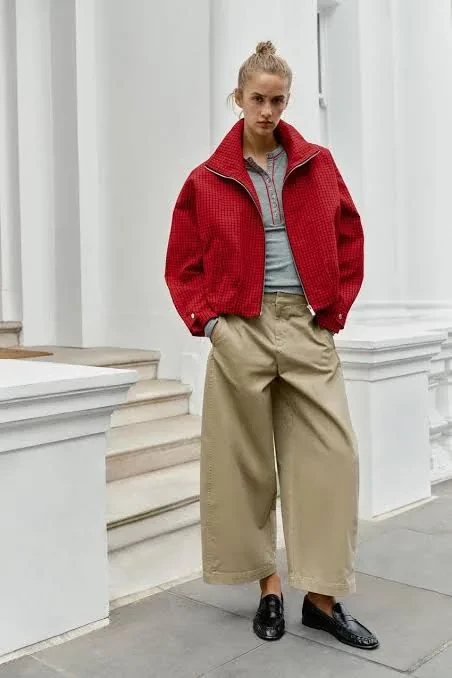
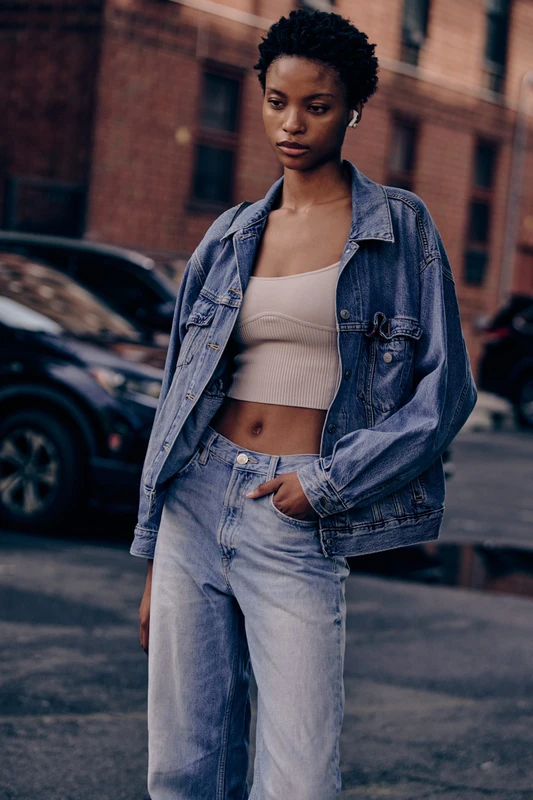
Finished bombers, puffers, shells, and leather styles pulled from real production runs — no stock photography, no styling tricks.




Jacket Buyer Concerns
A jacket has eight size points — chest, body length, sleeve from centre-back, shoulder — and each grades on its own increment. A hoodie can get away with one body block; a jacket's sleeve, shoulder, and torso have to move independently or the armhole pulls. The drift happens when a -2 cm chest step is applied to a pattern that needs -1 cm: the fit works on the sample size and nobody else. The grading rule is checked against the POM table before bulk cutting starts, not after the first carton of 2,000 pieces.
Water resistance is graded in millimetres of hydrostatic head — a 10,000 mm shell passes a 2.5-layer membrane with fully taped seams; 28,000 mm is the premium 3-layer grade. But the number only matters if the seams are taped and the tape is peel-tested on a sample. Untaped seams leak at any rating — the membrane is the rating, and a DWR finish is not.
Yes. Bombers, puffers (baffled down or synthetic), varsity, denim, softshell, leather, and technical rain shells all run on the same spec system. Each silhouette has its own construction spec — ribbed bands for bombers, baffle spacing for puffers, leather-sleeve joining for varsity — so a mixed collection stays consistent under one POM and one QC gate.
Jacket shells are heavy or slippery — melton, canvas, leather, PU-coated nylon — and the logo has to survive the shell it sits on. Embroidery needs a clean flat panel or it floats on a baffle seam; print needs a coated shell or the ink sinks in. Chest and back take the big marks, sleeve and collar take smaller woven labels — placement is a construction decision, not a styling one.
Colour is matched with a spectrophotometer to 99.8% against the standard, and the full run is allocated from one dye lot so the front, sleeve, and body come from the same fabric roll. When a second lot is unavoidable, it is separated and flagged rather than mixed into the same carton — a shade mismatch across panels is a Major defect at inspection, not a shrug.
The PP sample is measured against the POM table, fitted, and corrected before bulk cutting starts. That checkpoint is where a pattern or grading error gets caught — not after 200 of 2,500 pieces are cut. Unlimited revision rounds happen on the sample until it matches the numbers; bulk only starts from a sealed, measured block.
A needle fragment is the one defect a customer can't repair and a brand can't defend, so it's treated as critical at zero tolerance. The factory keeps a needle-change logbook — a broken needle must be fully recovered and glued to the log sheet — and finished jackets pass a conveyor metal detector before packing. Any trigger holds the lot and forces a 100% re-scan.
Milestones run: lab-dip/trim approvals 15–20 days, PP sample fitting 10–15 days, bulk fabric and dyeing 30–45 days, cut-make-trim sewing 25–35 days, final QC inspection 3–5 days. The two places a timeline actually slips are dye-lot rework and holiday shutdowns — both are called out as buffer before bulk starts, and dates are converted to calendar days in writing, not left as "4–6 weeks".
Send a sketch or tech pack — get a POM table, fabric recommendation, and a milestone-based quote before a meter is cut.
Start typing to find articles
No articles found
Try a different keyword