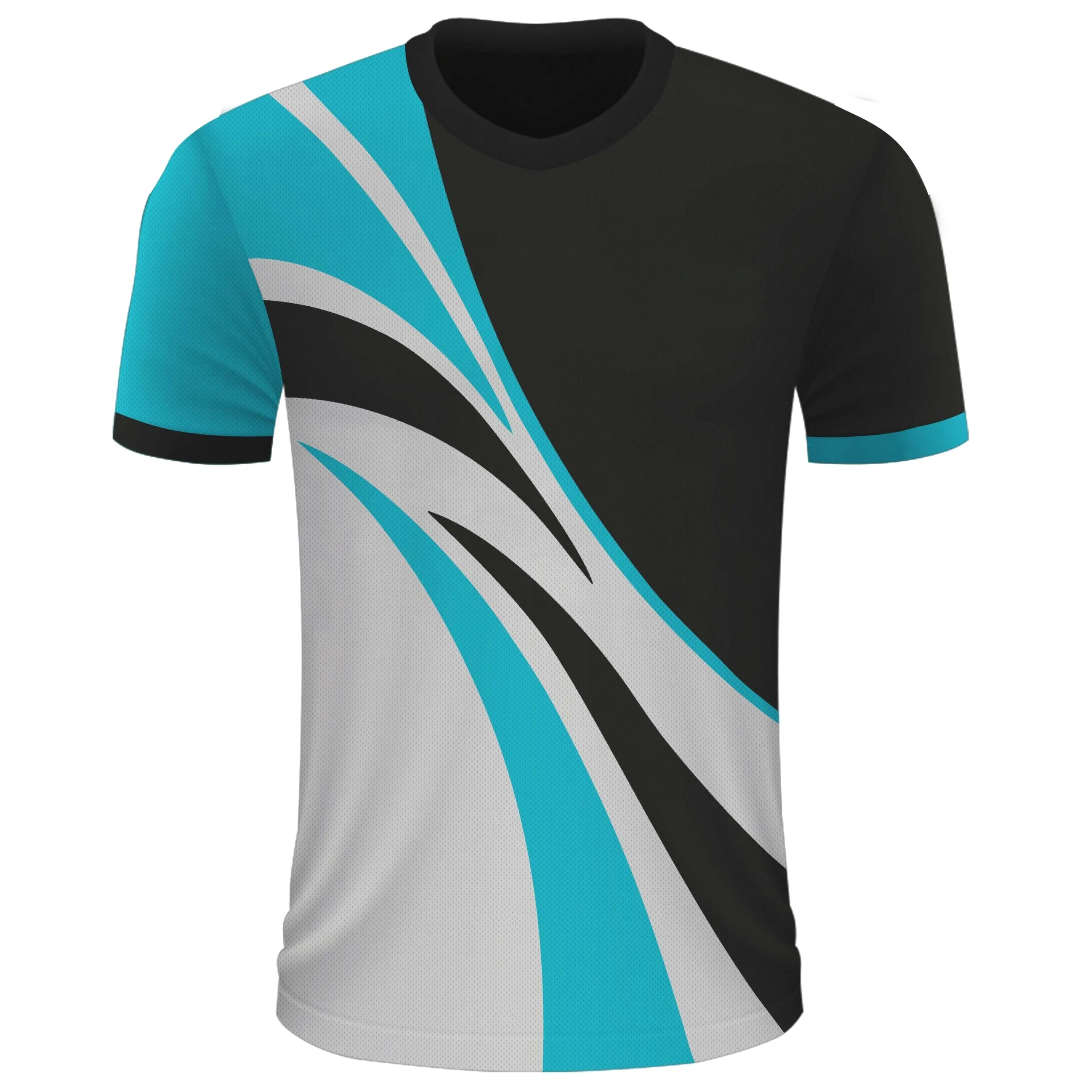
Custom Gym T-Shirts
Poly-spandex jersey. Flatlock seams, raglan sleeve available.
Eco fabrics, squat-test guaranteed, certified safe. One factory handles sourcing, pattern, production, QC, and DDP freight — samples in 7 working days, door-to-door across 50+ countries, no surprise bills.
Gym Collection
Each piece runs with your own pattern, fabric, and label — pick the styles that define the collection.
Poly-spandex jersey. Flatlock seams, raglan sleeve available.
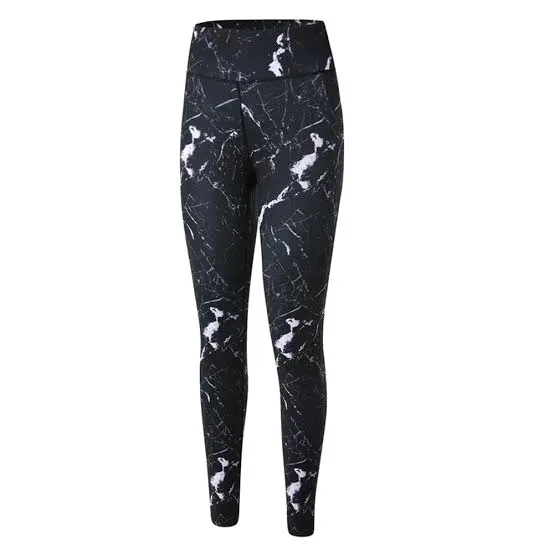
Nylon-spandex 80/20. Diamond gusset, anti-roll waistband.
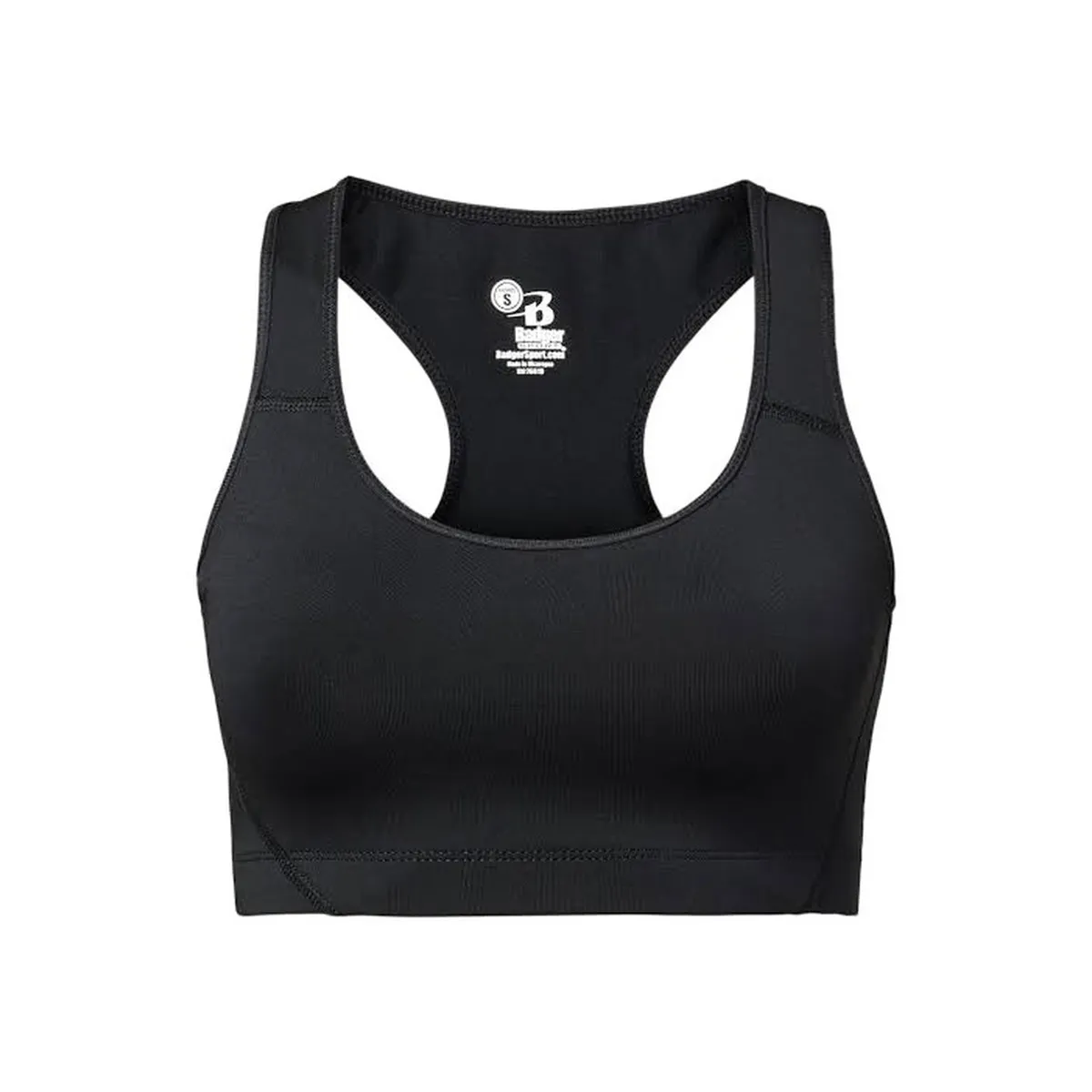
Low, medium, and high-support. Removable cups, cross-back, racerback. Compression-molded or cut-and-sew.
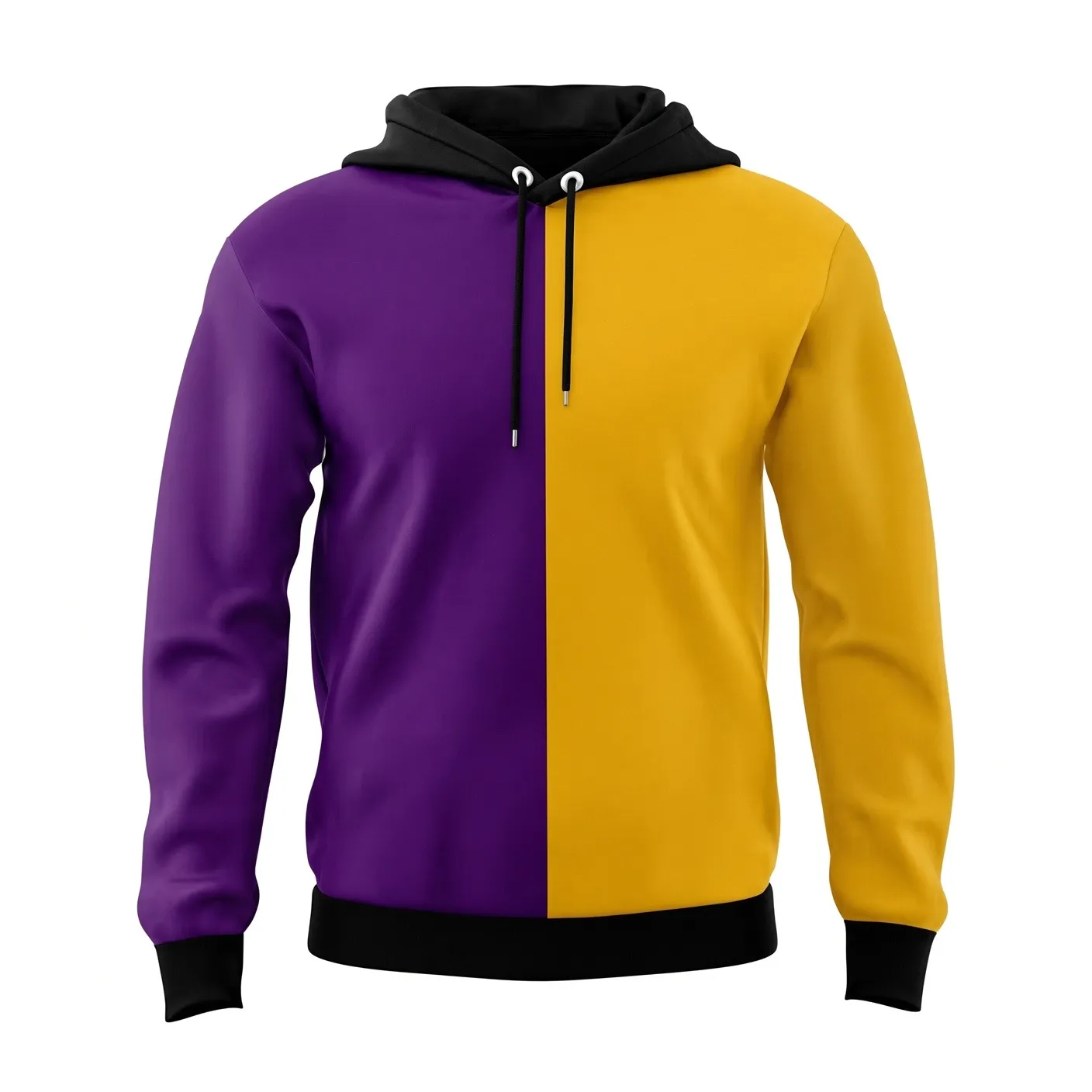
Brushed poly-fleece or French terry. YKK zippers, thumbhole cuffs. Premium warm-up layer.
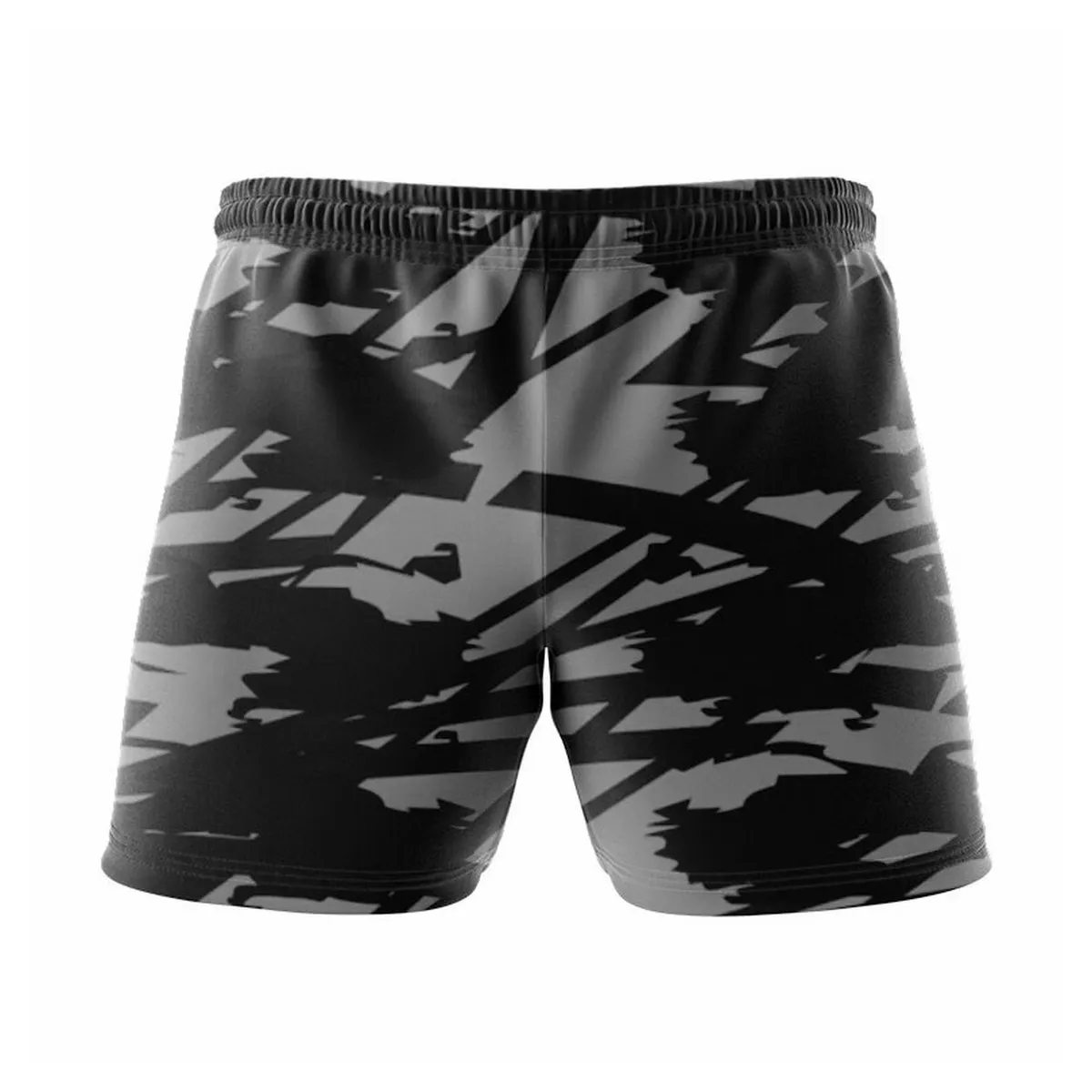
2″, 5″, 7″ inseams. Built-in liner option, zip pocket, elastic waistband with drawcord.
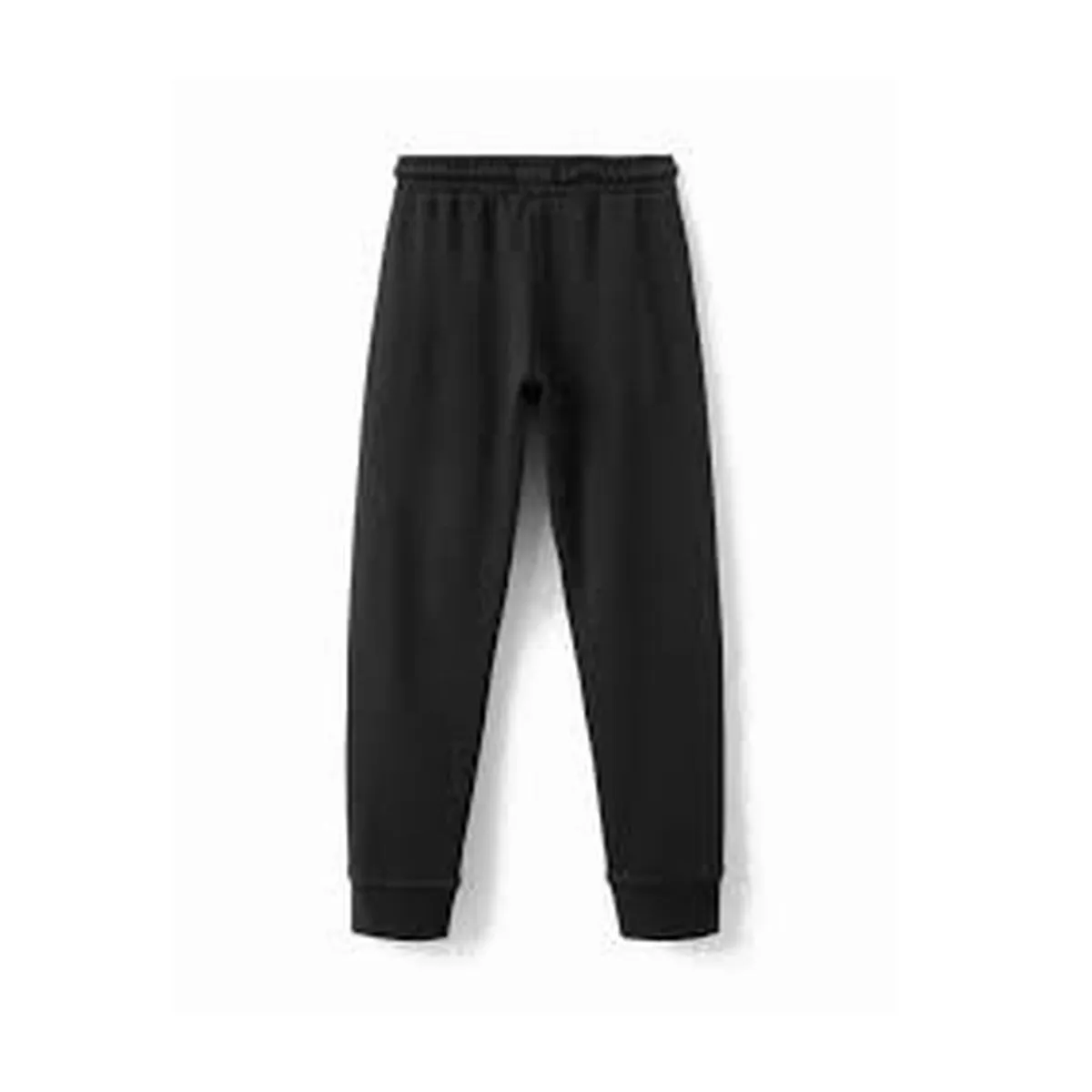
French terry or brushed fleece, tapered leg, ribbed cuff. Zip pockets. The athleisure staple.
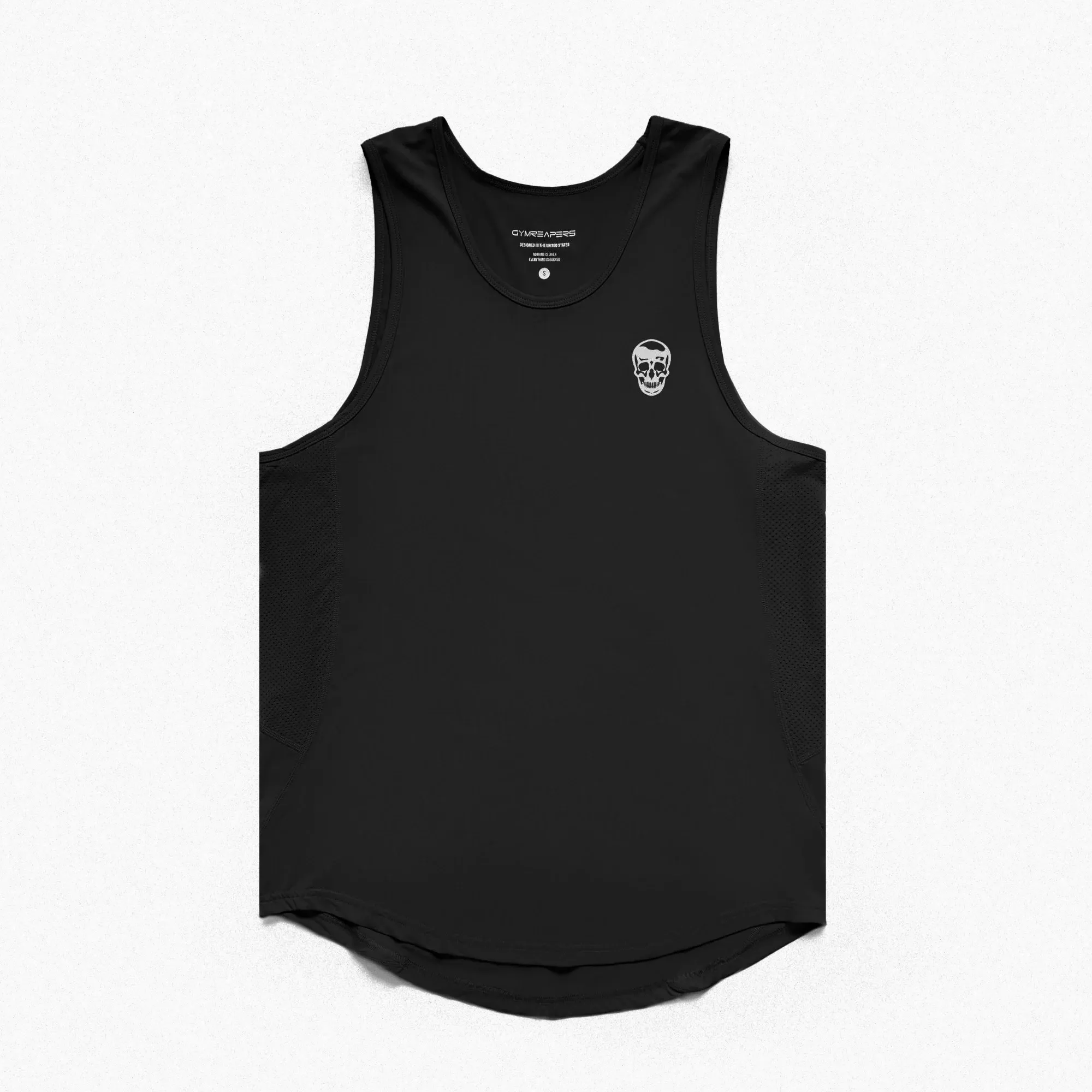
Dropped armhole, racerback, or muscle fit. Poly-spandex 88/12, anti-odor treatment available.
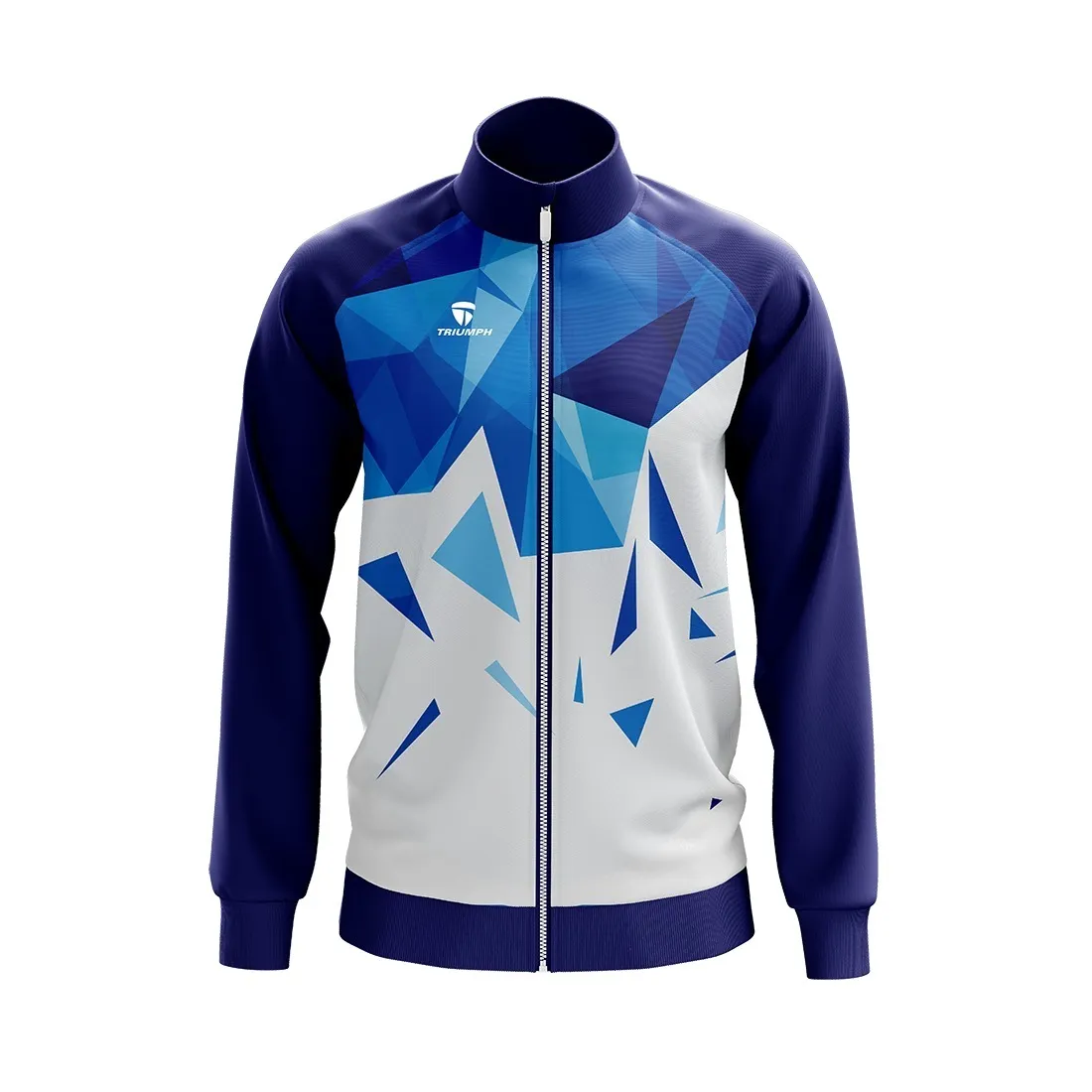
Softshell windbreaker or woven track jacket. Water-repellent finish, mesh lining, zip pockets.
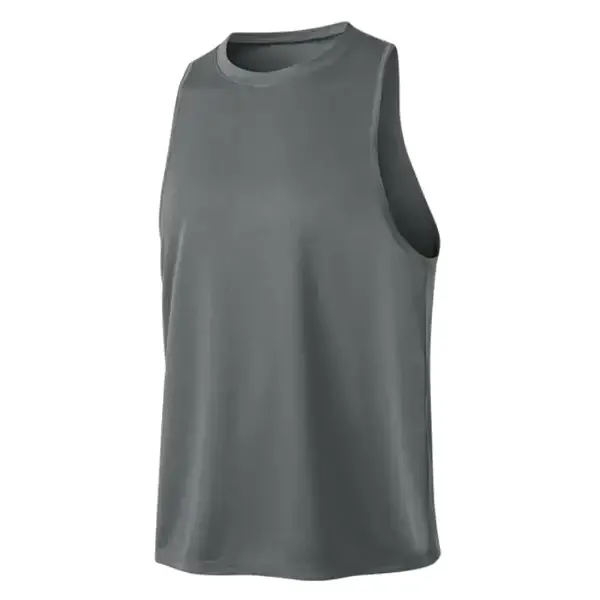
Sleeveless hoodie or full-zip vest. Brushed fleece or padded nylon. Branded zipper pulls available.
Manufacturing Excellence
Four pillars that turn activewear designs into a line customers remember — pattern through packaging, under one roof.
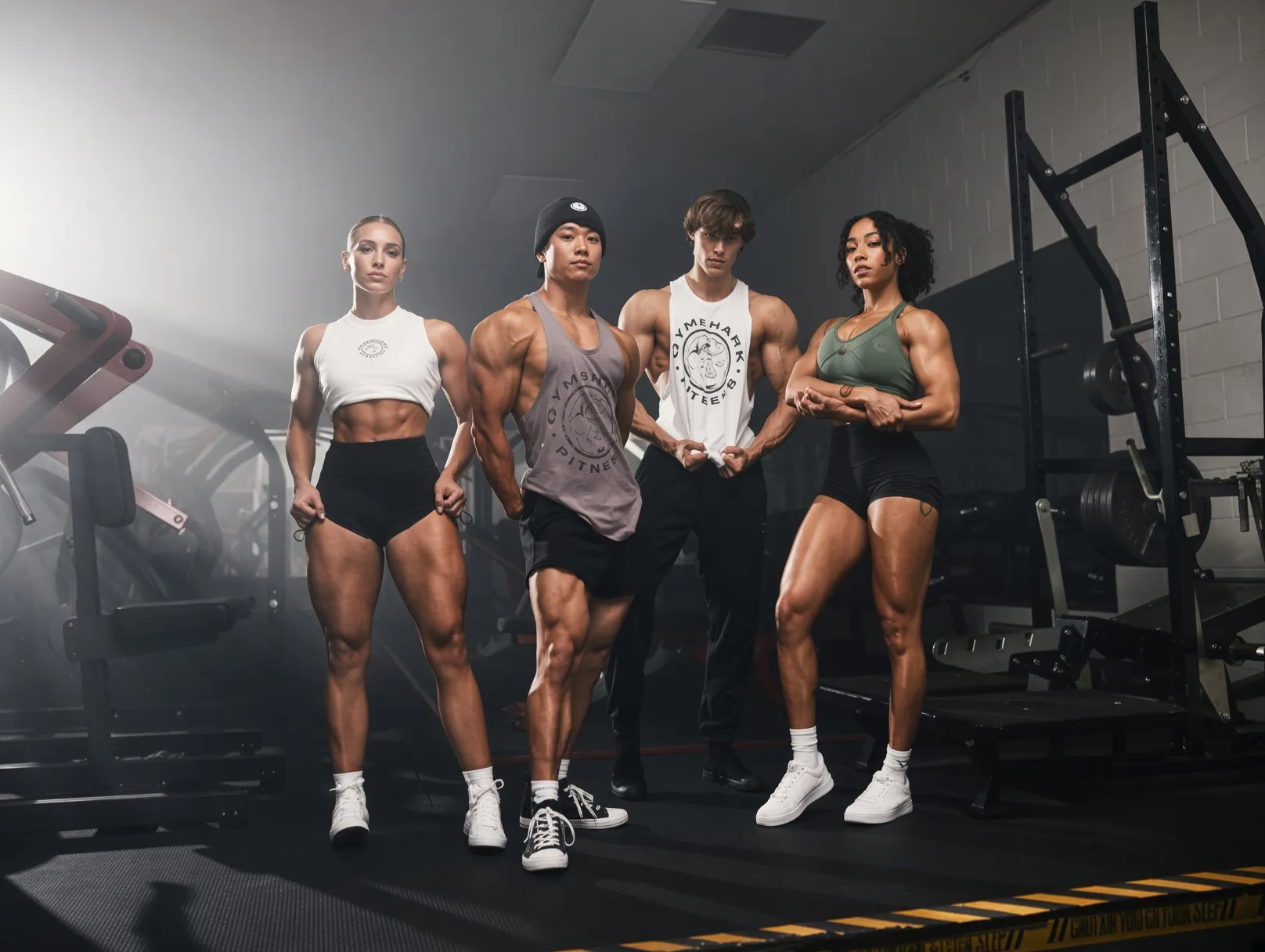
Patterns drafted to reference — never a stock block.
Engineered for high-repetition training — no friction points.
Each touchpoint carries your identity — produced on one line.
Door-to-door, duty-paid — one price, no surprises.
Construction Engineering
The difference between activewear that performs and activewear that fails is in the construction — not the marketing copy. These four engineering standards are built into each gym garment that leaves the floor.
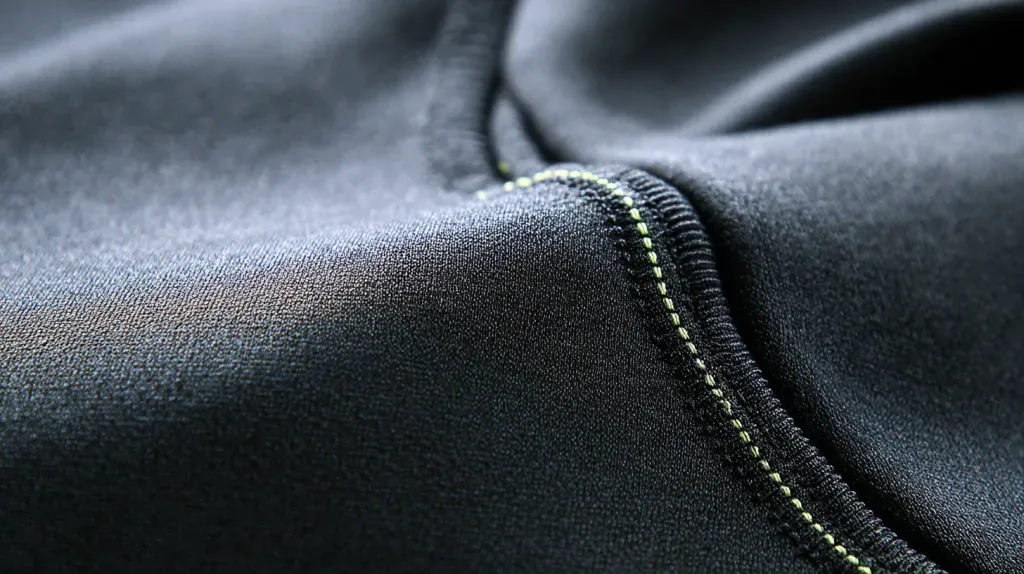
Chafe-free stitching
4-thread, 6-needle flatlock on shoulder, side, and inseam — lies flat against the skin, no friction during running, cycling, or HIIT. Survives 50+ industrial washes at 60°C without seam failure.
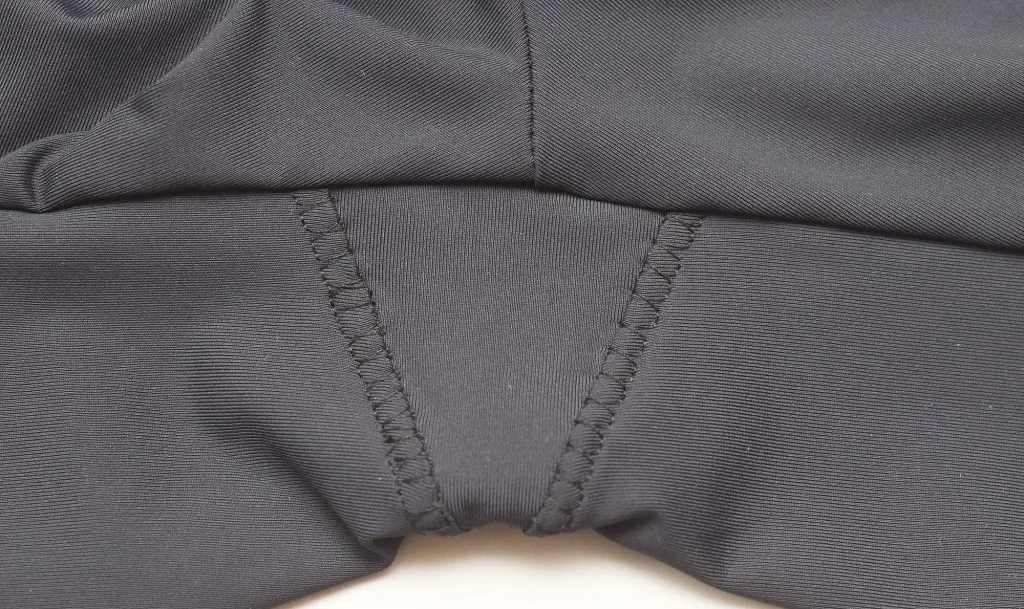
No central seam — no splitting
Diamond or triangular panel replaces the vulnerable four-seam junction with one reinforced piece. Gusset matches body fabric in composition and GSM — never a cheaper cotton substitute.
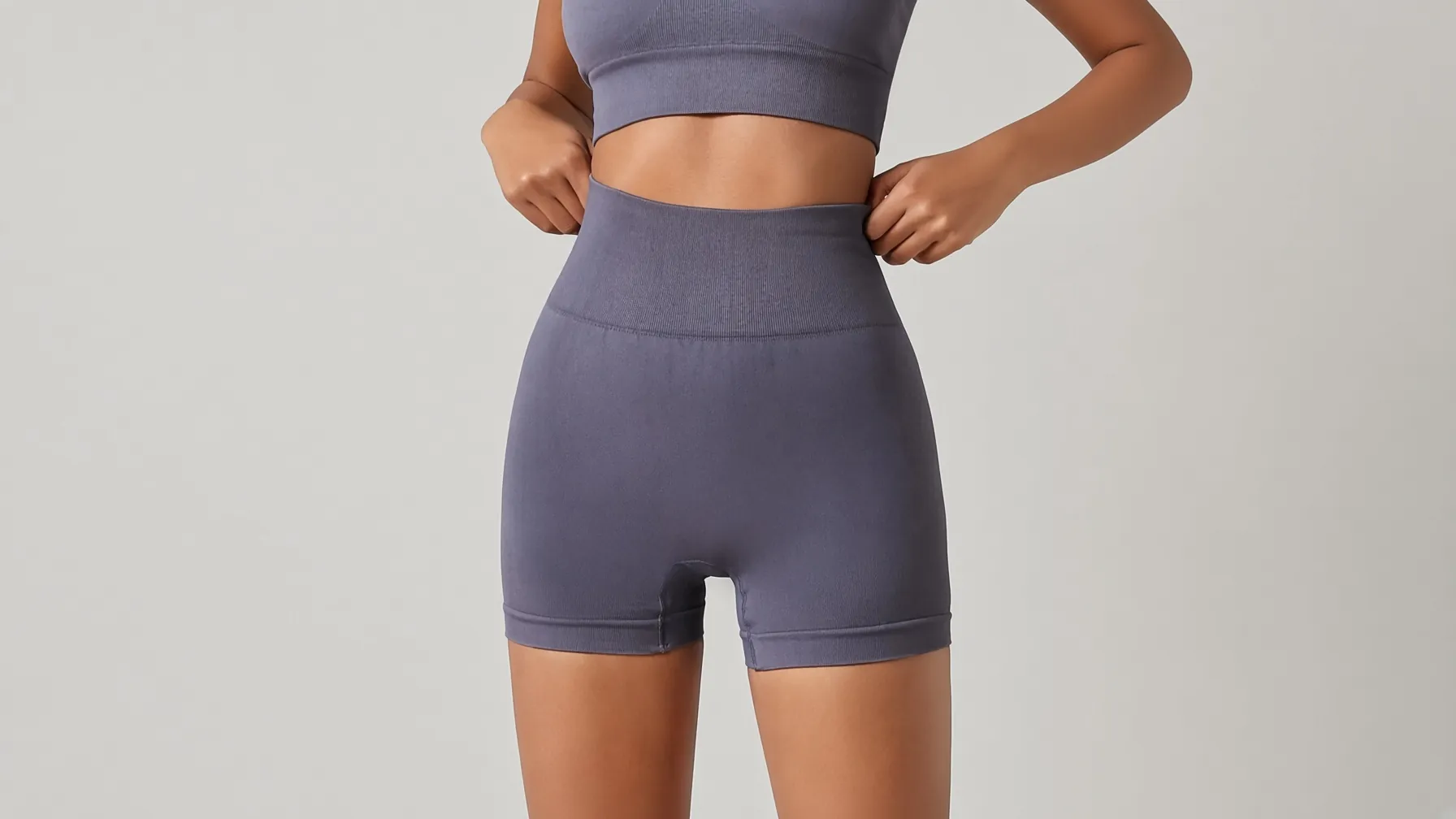
4-inch hold, no roll-down
15–18mm internal elastic wrapped in body fabric — not exposed rubber that degrades after 10 washes. The 4-inch panel is pattern-drafted, so it won't roll down mid-session.
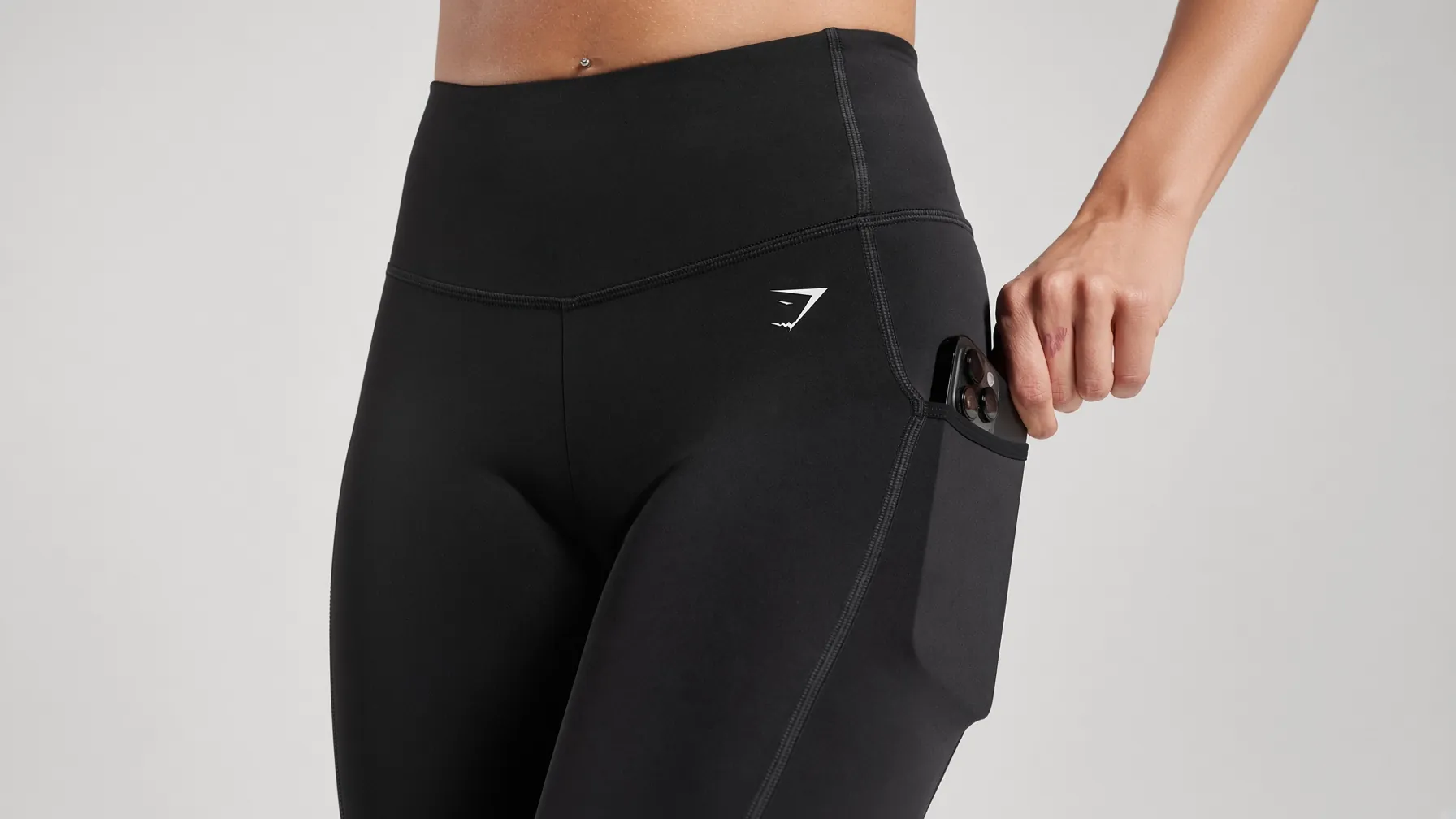
Phone stays put. Seams stay sealed.
Waistband pocket 3″×4″ with reinforced bartack; side-leg pocket phone-sized with bonded seams and mesh bag. Compression fit holds items tight — no bounce during plyometrics.
Independently Audited & Certified


Fabric Library
Five core performance knits, each engineered for a specific training need. Composition, weight, and certification are verified per lot — you choose by data, not by swatch photo.
| Fabric photo | Fabric | Composition | GSM | Category | Best For |
|---|---|---|---|---|---|
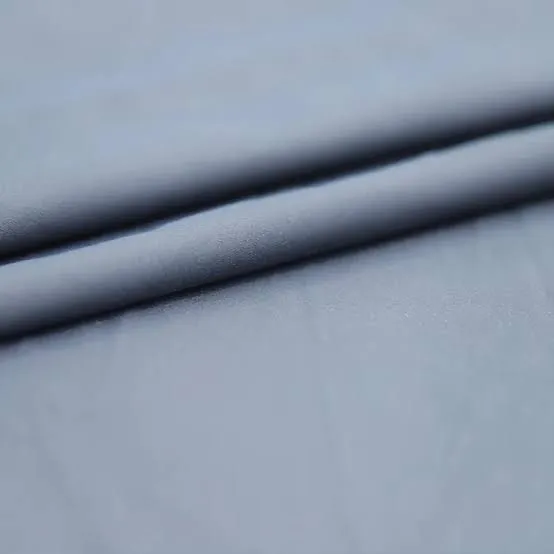 | Nylon-Spandex 80/20 | 80% Nylon · 20% Spandex | 250–320 | Compression | High-compression leggings, sports bras, bike shorts |
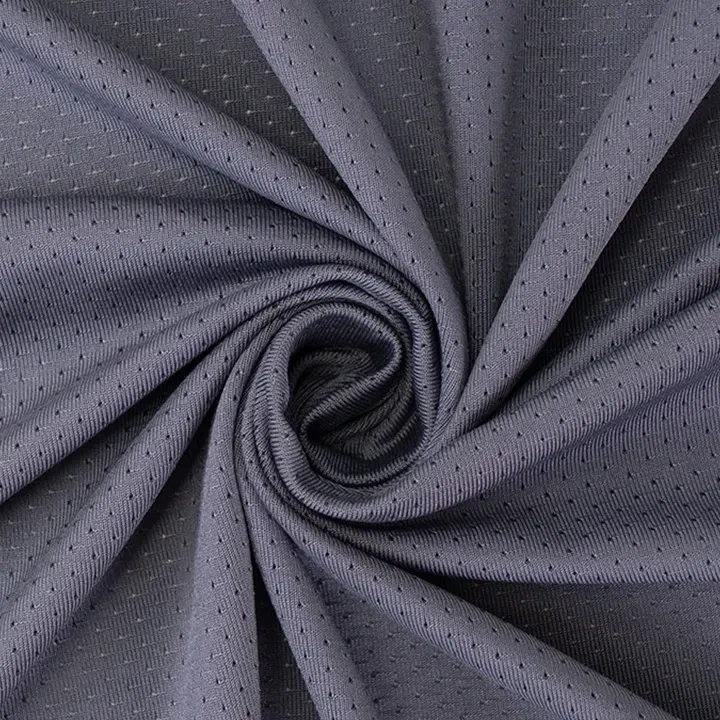 | Performance Poly-Spandex | 88% Polyester · 12% Spandex | 180–220 | Training | Gym tees, training tanks, shorts, joggers |
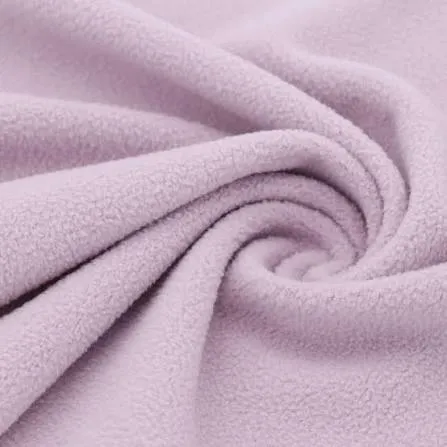 | Brushed Poly-Fleece | 100% Polyester · brushed back | 280–350 | Layers | Training hoodies, warm-up layers, post-workout sweats |
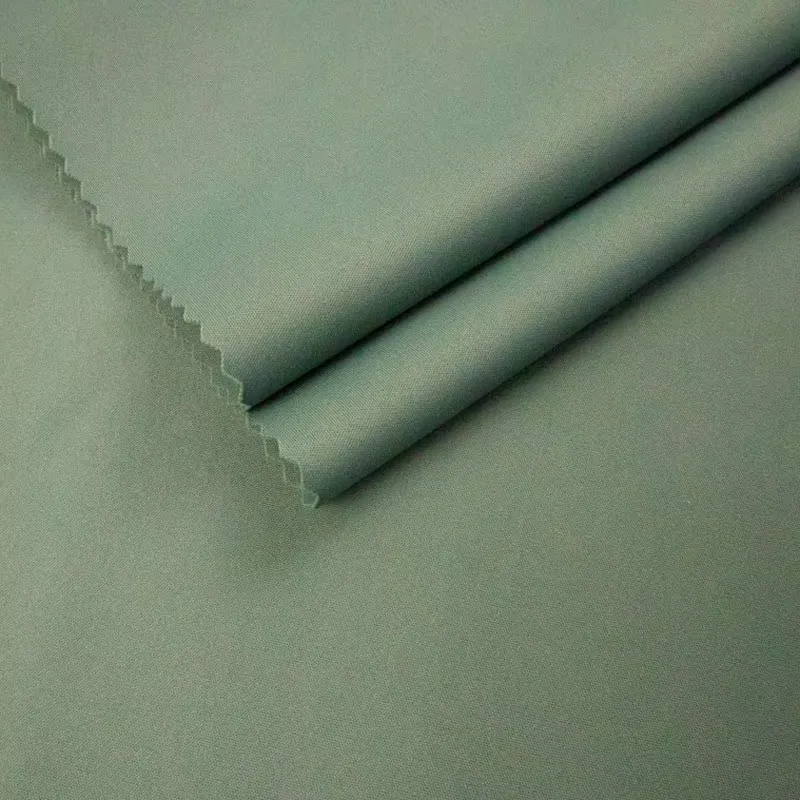 | GRS Recycled Nylon-Spandex | 78% Recycled Nylon · 22% Spandex | 250–310 | Sustainable + Compression | Sustainable activewear lines with full chain-of-custody docs |
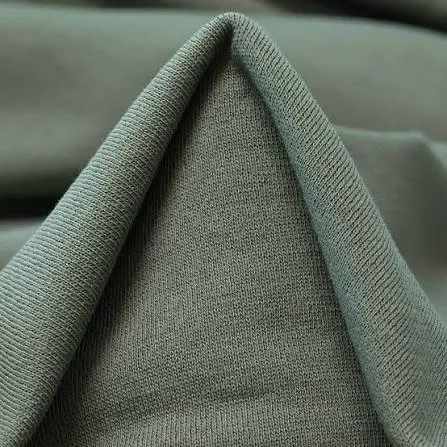 | French Terry (Loopback) | 85% Cotton · 15% Polyester | 280–400 | Lifestyle + Athleisure | Premium athleisure hoodies, crewnecks, joggers |
Fabric Performance
The difference between average activewear and high-performance gym wear starts with the fabric. These six functional standards are engineered into every garment we produce — and verified in the lab, not in the marketing copy.
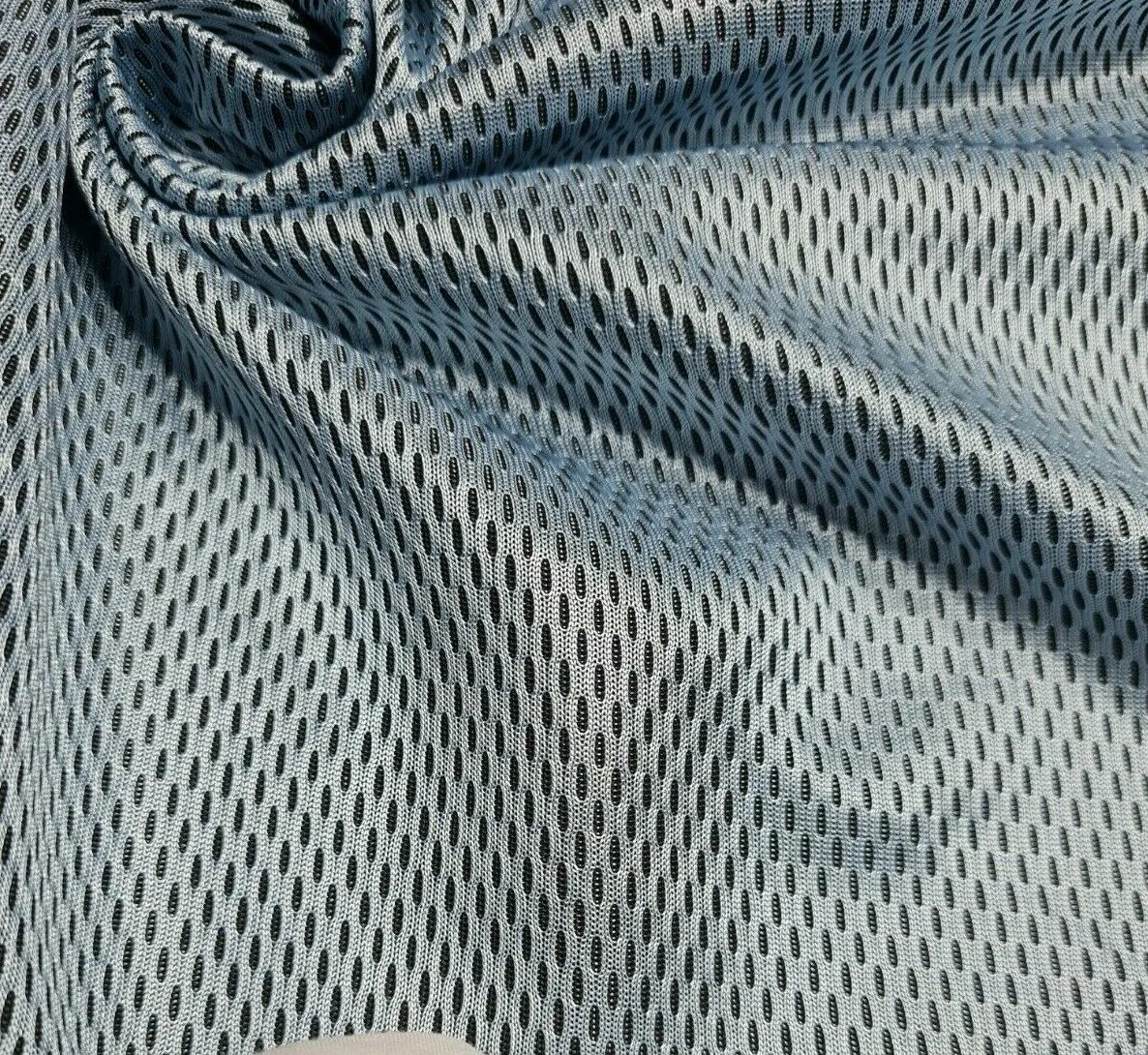
Airflow that keeps you cool through the hardest set
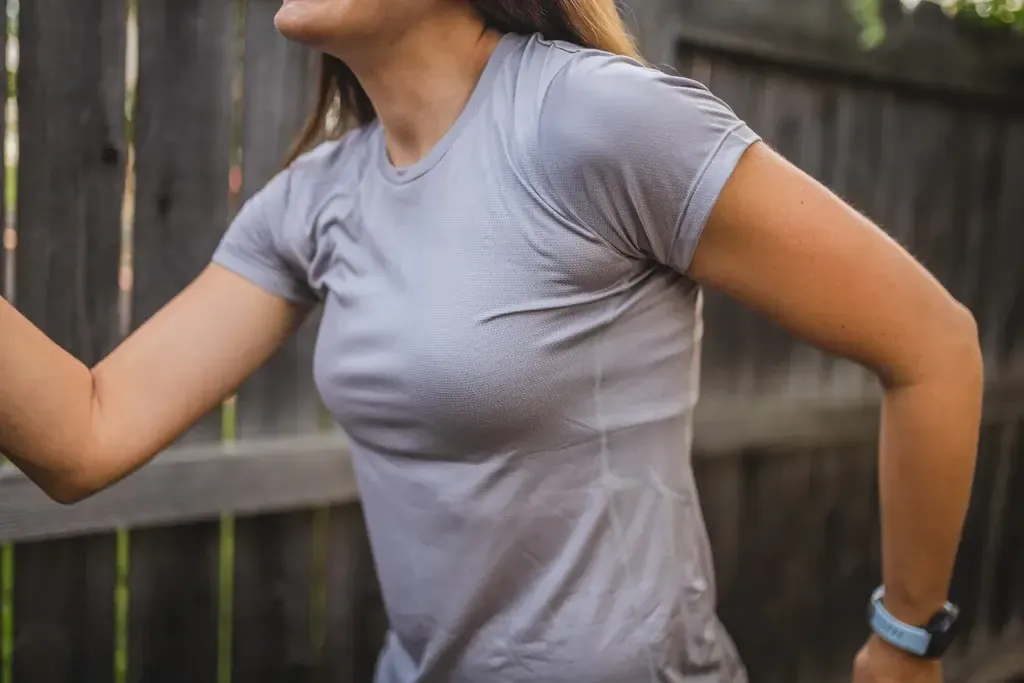
Sweat pulled off the skin for faster evaporation
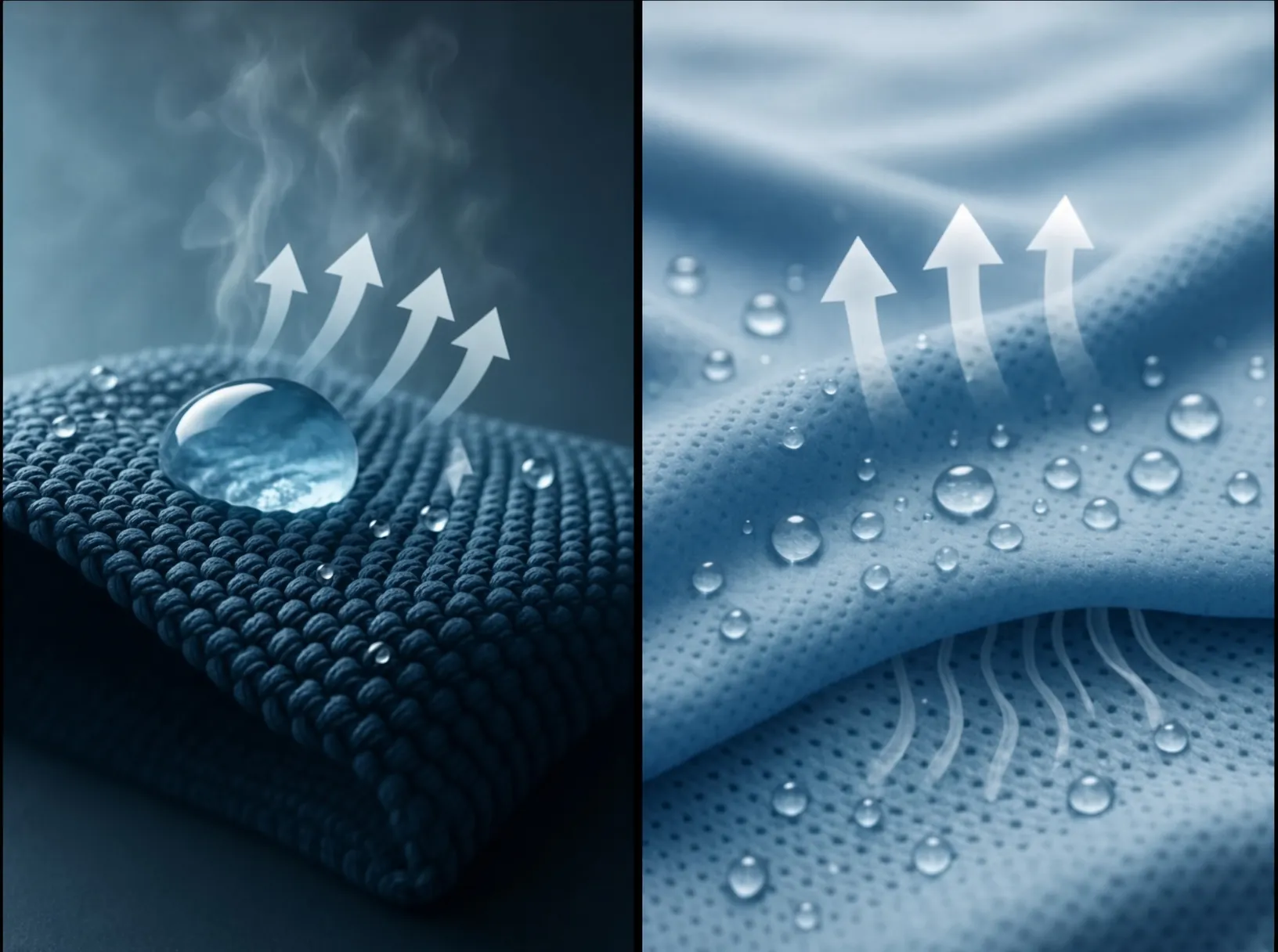
Loses wet weight fast, so it never rides heavy
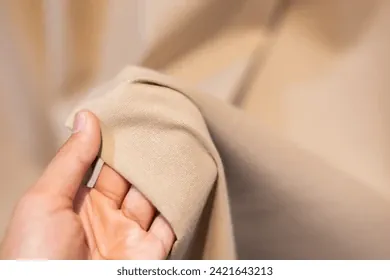
Wears like it feels — gentle on long sessions
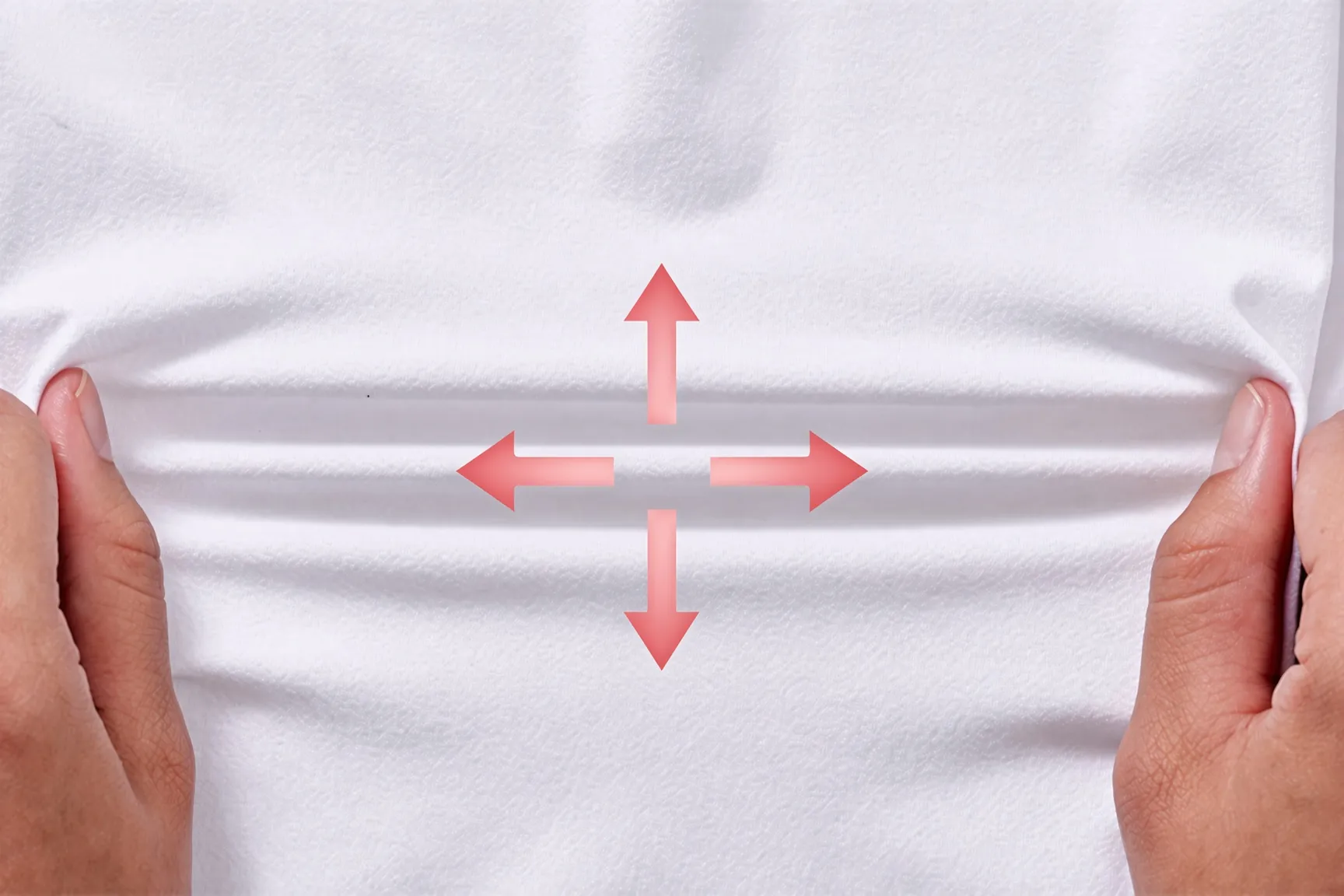
Moves freely, then returns to shape — rep after rep
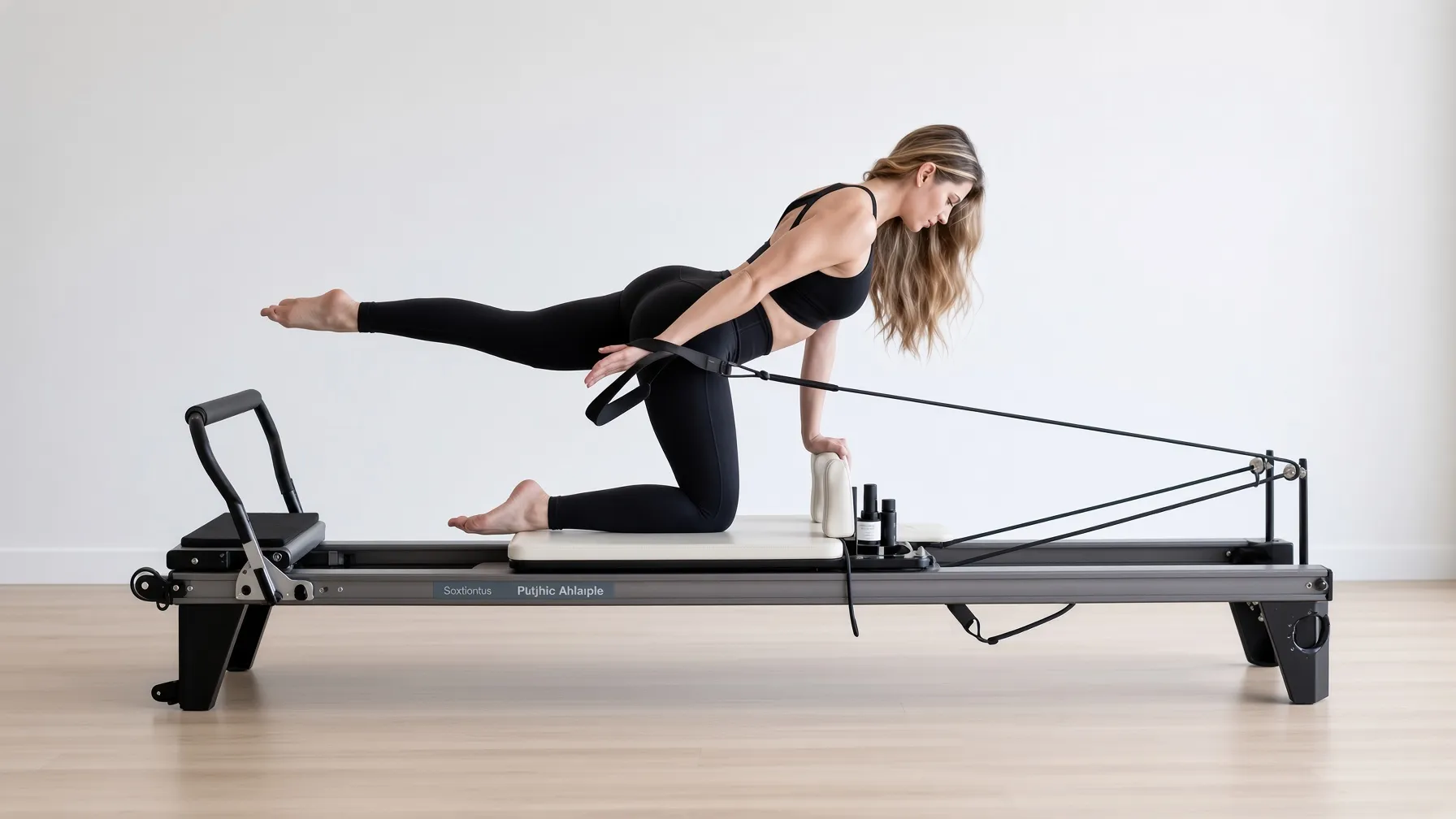
Opaque at full stretch — no see-through, no surprises
Sustainability
Ocean waste becomes performance fabric — six steps that turn discarded plastic into the activewear on your customers' backs.
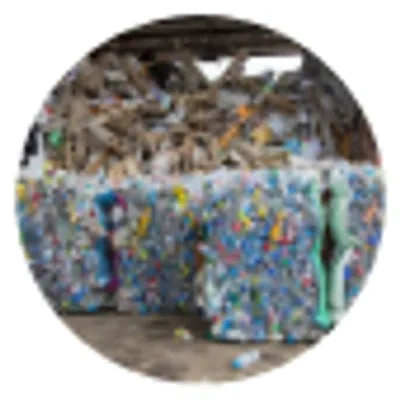
Fishnets, plastic cups, worn out clothing scraps, carpet spreads, etc. are gathered.
Waste is liquefied for creation purpose
Flakes are carefully converted into nylon 7 plastic chips

Creation of sustainable fitnesswear from recycled sources
Seamless transformation into fabric
Chips are processed into textile fibers
Customer Stories
Activewear brand owners on what it is like to build a custom gym line with us — starting with fabric selection, then the feel and fit customers come back for.

I launched my activewear brand with LeelineApparel after months of hunting for a factory that understood performance. The eco-friendly fabric lineup — recycled nylon-spandex and GOTS-certified blends — let me position the whole line around sustainability without sacrificing compression hold.
What sealed the deal was the squat-test guarantee. My leggings hold opacity at full stretch, and I put them through 30+ washes before selling a single pair.
Quality this consistent, at a 100-unit MOQ, is exactly what a newcomer needs to test and scale.
– Jessica Adams

LeelineApparel delivered on all fronts. The team walked me through fabric selection and pattern development — and the 7-day sampling meant I held physical samples in week one, not month three.
The eco options were a huge plus for my environmentally conscious clientele. Every lot ships with the lab test report we agreed on, so my customers get the same squat-test verified quality I approved on the pre-production sample.
Repeat orders have been seamless — same pattern, same specs, no re-sampling.
– David Thompson
Customer Cases
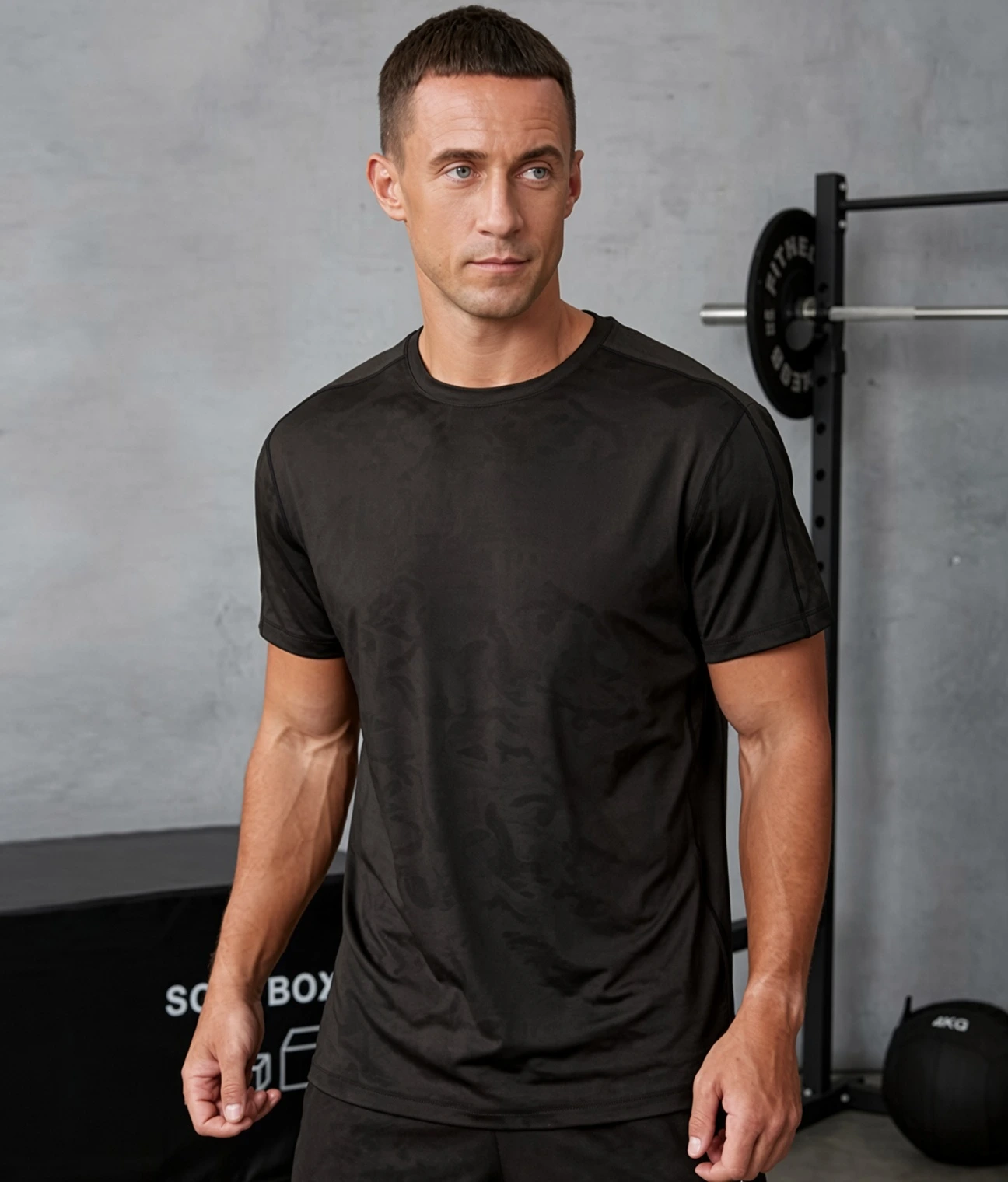
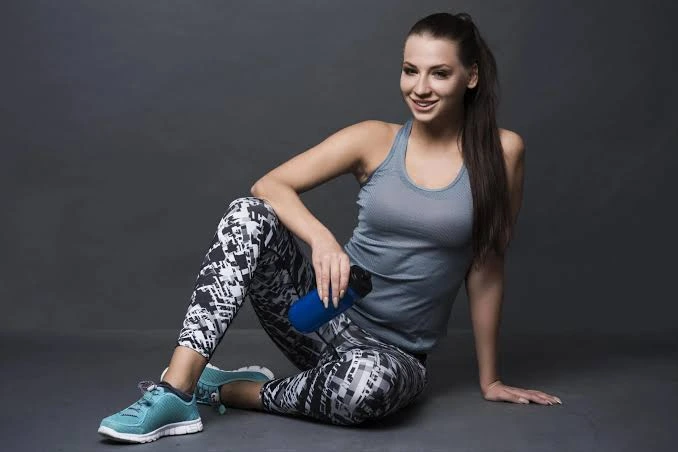
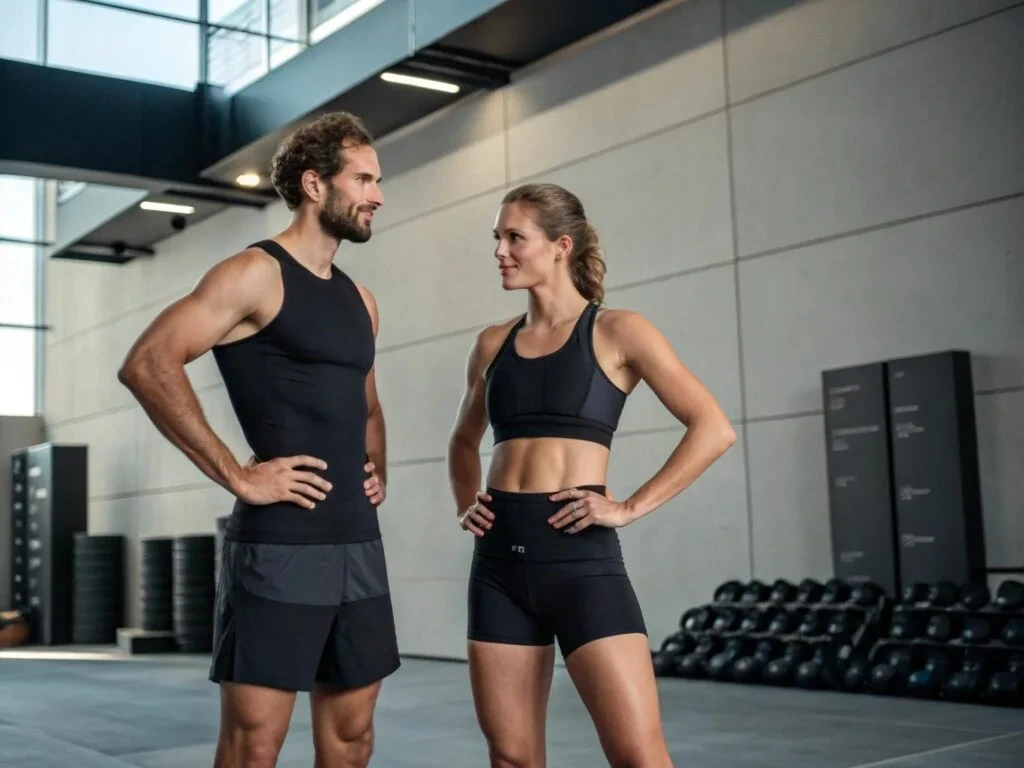
Real production runs from the activewear labels we manufacture for — compressed leggings, running sets, and training wear in custom fabrics, patterns, and finishing.
Gym Clothing FAQ
Plan around 25–35 days after you approve the pre-production sample. The breakdown: fabric sourcing and strike-offs run 5–7 days in parallel with pattern confirmation; bulk cutting and sewing take 12–18 days depending on order size and style count; final QC, pressing, and packing add 3–4 days. Shipping is separate — 7–15 days depending on destination, duties included. If you are on a hard deadline (launch date, collection drop), tell us upfront and we lock the calendar with a written schedule before you commit.
You start with a graded sample in the fabric you choose, not a generic blank. Step one: send reference photos, a sketch, or a competitor garment. Step two: our pattern room drafts the style and we produce 1–2 graded samples covering the sizes you plan to sell. Step three: you receive the physical samples with a full cost sheet — fabric, trims, labor, and landed price per unit. Sample fees are credited against the bulk order. If you only need a concept validation before committing, ask about our sampling-only engagement — no bulk commitment required.
Unit price is driven by fabric, construction complexity, and order volume — in that order. Fabric is the biggest lever: a heavy nylon-spandex compression knit costs more than a standard poly tee jersey. Construction complexity (scrunch-butt mapping, bonded seams, gusset panels) adds labor minutes per piece. Volume matters up to a point — after roughly 500 units per style the per-unit savings flatten, so the difference between 500 and 1,000 units is usually small. You get an itemized quote, not a single lump number, so you can see exactly what to adjust to hit the target price.
We build the size chart around your actual customer data, not a generic template. Share the existing chart, best-selling sizes, or measurements from testers and we grade XS–3XL around them. For lines selling into multiple regions we develop separate charts where needed — a US cut is not automatically the same as an EU cut. You approve the full graded size set on real bodies before bulk, and each garment is spot-measured against that approved spec during production.
No — you can start with as little as a reference photo. The technical desk converts references into a complete production file at no charge on confirmed orders: pattern, stitch types, seam allowances, trims, and QC tolerances. If you already have a tech pack, it shortens the quoting stage by 2–3 days. The minimum we need to begin is the style, the sizes, and a target fabric or price point — everything else gets built out as we go.
Reorders are fast because the pattern, tech pack, and approved specs stay on file. A restock of an existing style typically moves to production within a week, with no new sampling unless the fabric changed. When you expand the line — a new colorway, a new size, or a new style built on an existing block — the incremental cost and timeline are much smaller than a from-scratch launch. Many of our customers run continuous 4–8 week replenishment cycles on the same blocks.
Yes — the design desk develops the idea until it is production-ready. You do not need to draw patterns or write specs. Send a mood board, screenshots of styles you like, or even just describe the garment: "a high-waisted legging with a scrunch detail and hidden phone pocket." The team develops the silhouette, selects appropriate fabrics and trims, and returns a spec sheet plus 3D-style mockups before any cutting. Design consultation is included in the sample stage — you pay for the sample, not for the creative work.
A general factory makes t-shirts and suits; we are set up specifically for performance-activewear construction. Our floor is equipped for 4-thread flatlock, bonded seams, and gusset panels that general cut-and-sew shops do not run. We test for what activewear fails on — squat-test opacity, stretch recovery, sweat-wicking, pilling under friction — rather than general garment standards. The QC team, the pattern blocks, and the fabric library are all built around training, compression, and performance wear, so you are not asking a generalist to improvise technical garments.
Send a design brief or tech pack — get fabrics, specs, per-unit cost, and timeline in one business day.
Start typing to find articles
No articles found
Try a different keyword