Corporate Programs & Batch Color Consistency

Custom Uniform Manufacturers — 1.8% Shrinkage vs. the 8–12% Industry Standard

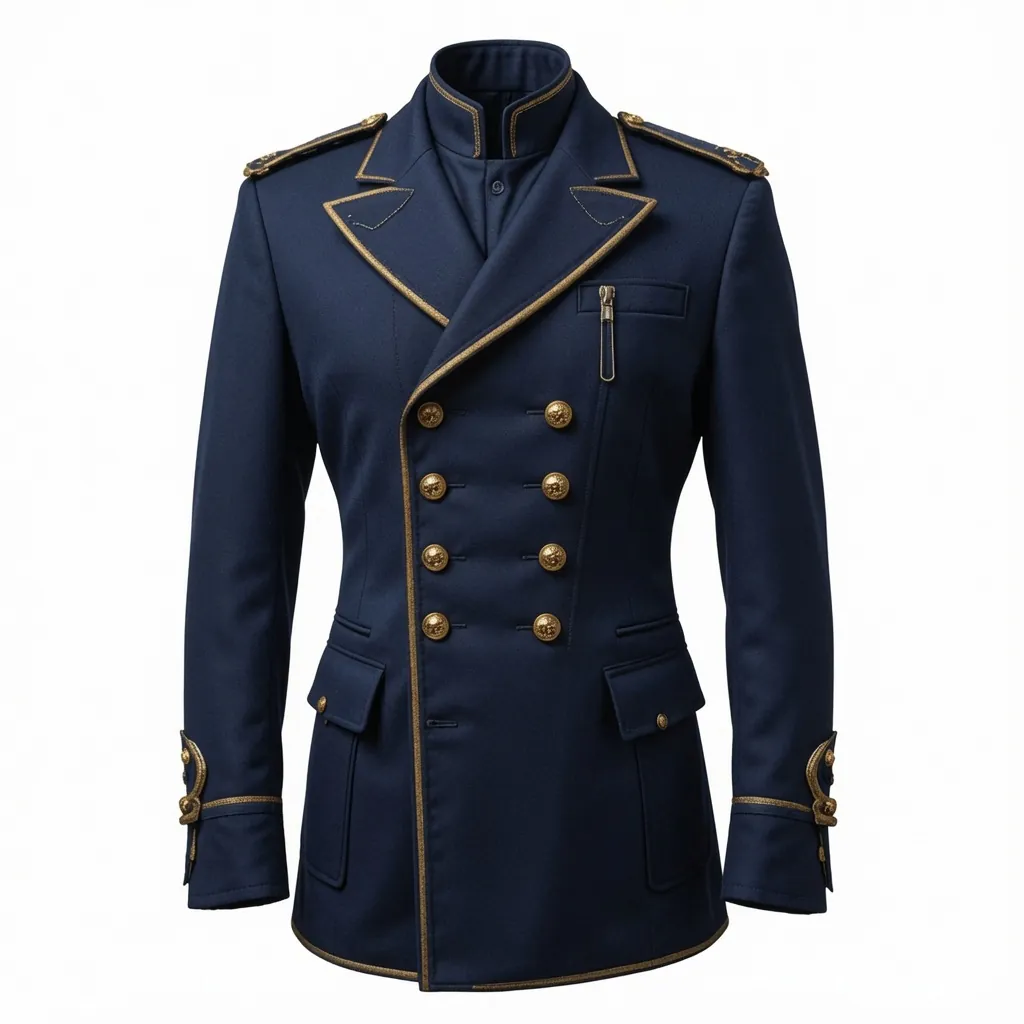
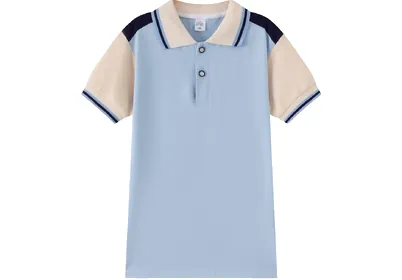
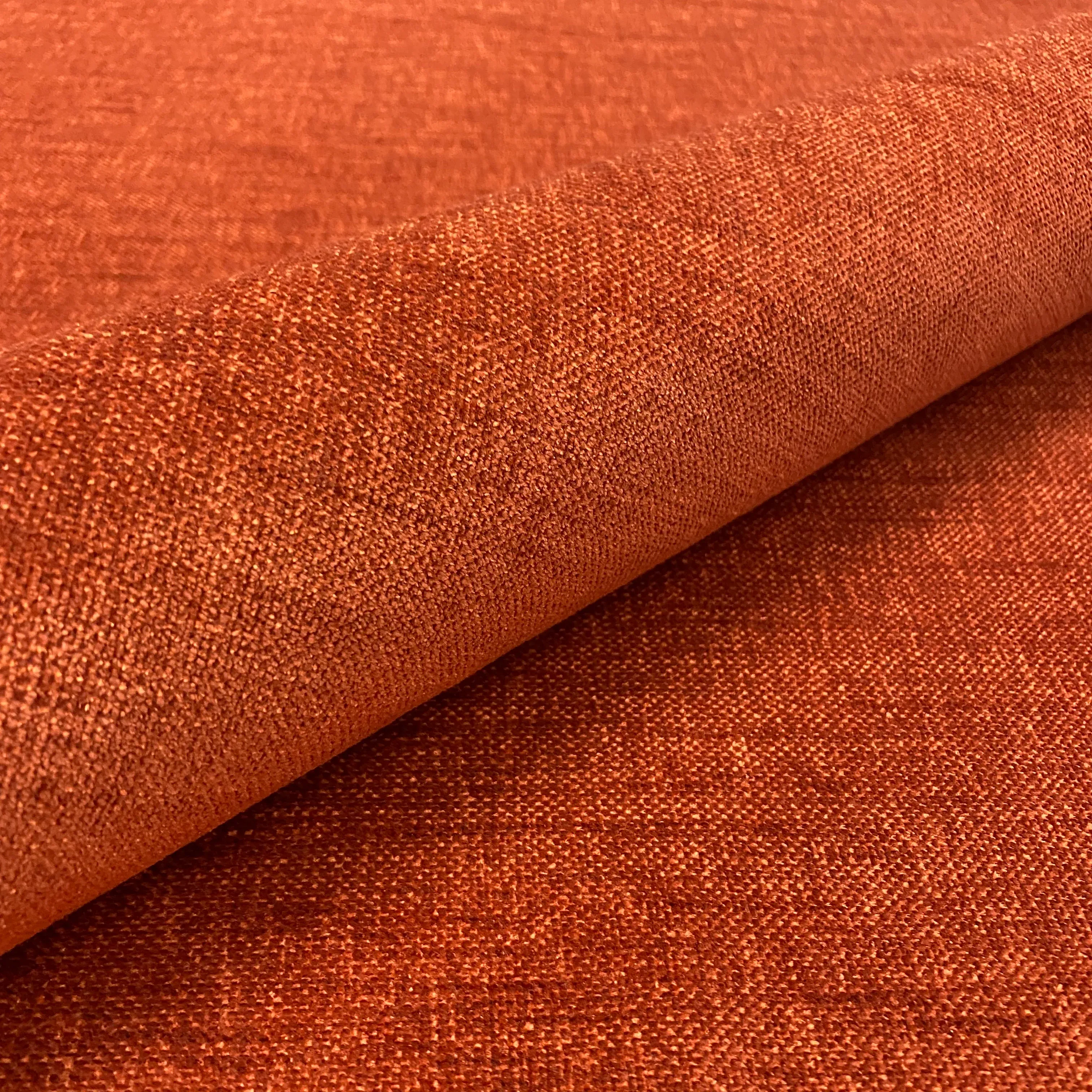
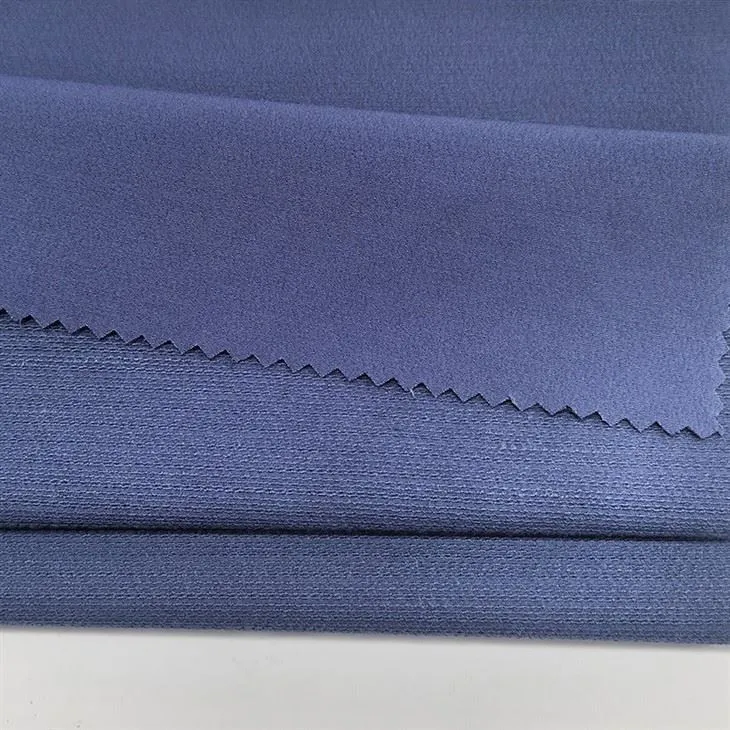
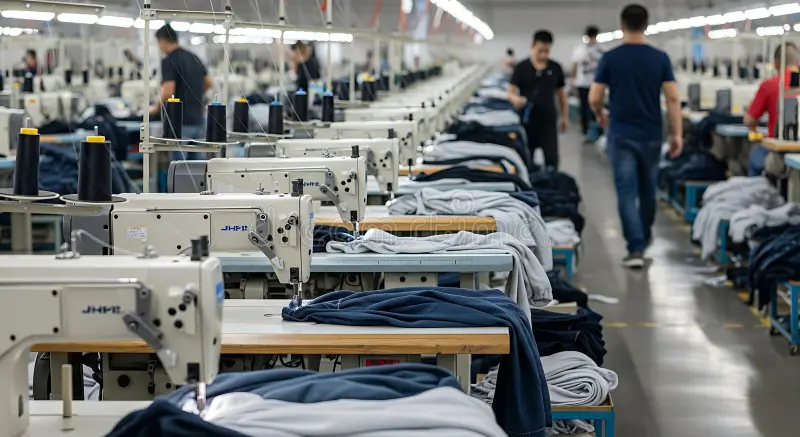
Fabric lots are industrial-wash tested one by one — holding shape, color, and fit through repeated institutional laundering. Every production lot is spectro-checked against your approved shade standard, so reorders match the first order. Pantone-matched to ΔE ≤ 1.5, with OEKO-TEX certification.

Uniform Categories

Types of Uniforms We Manufacture.

Fully custom cut-and-sew — your pattern, chosen fabric, private label. Send a reference image and the technical desk handles the rest.
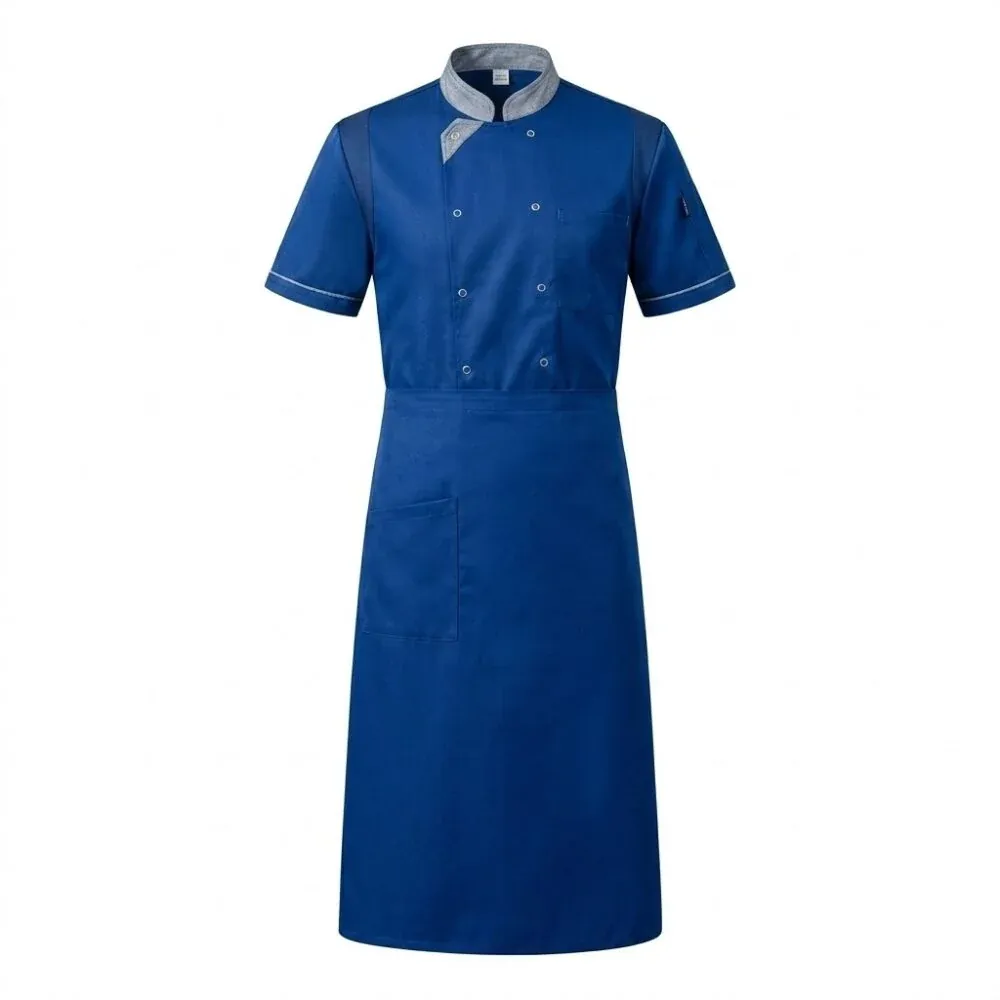
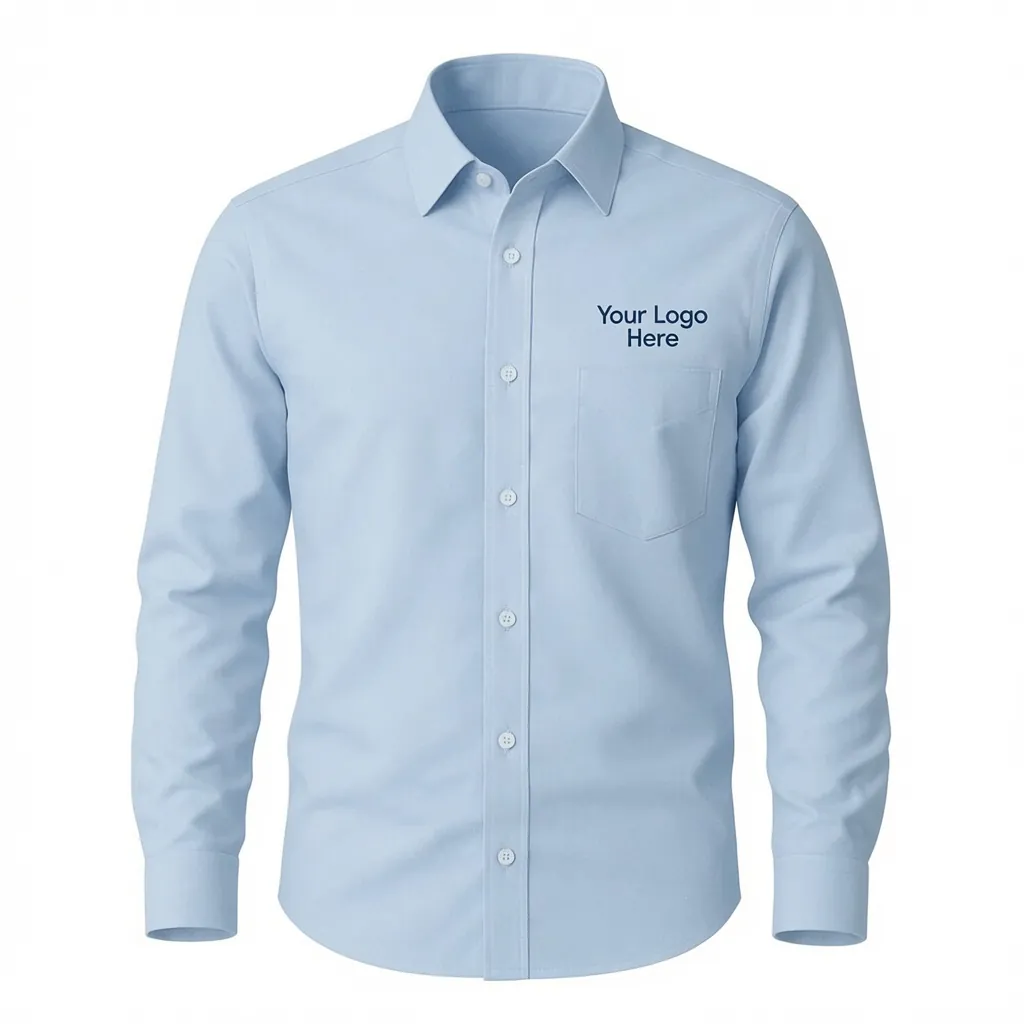
Custom industrial uniforms manufacturer
  • NFPA 2112 / ANSI 107 — third-party UL-tested certification
  • Inherent FR: Nomex & Protera fiber, not a surface treatment
  • DDP to 12+ job sites — single consolidated customs clearance

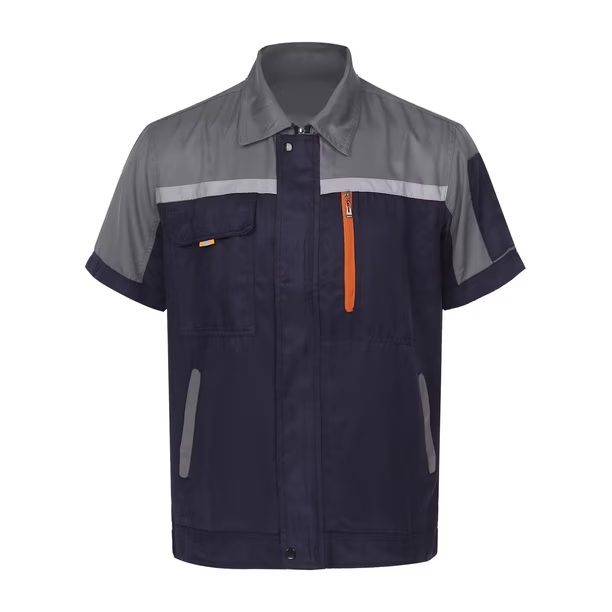
Industrial Uniform

Custom hotel uniforms manufacturer
  • Soil-release & industrial-wash finish built into the fabric lot
  • Front desk, housekeeping, F&B — one shade standard, one factory
  • Replenishment ships 30% faster with size profiles on file

Hotel Uniform

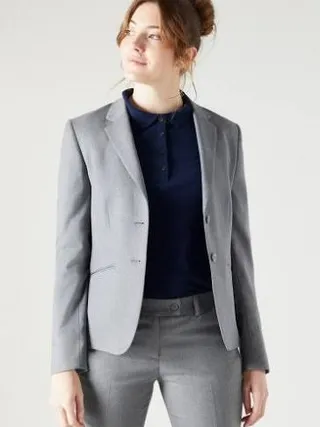
Custom corporate uniforms manufacturer
  • Pantone TCX matched across fabric, thread & ink — ΔE ≤ 1.5
  • Per-employee size profiling keeps size-swap rate below 3%
  • Multi-country care label + regional DDP in a single shipment

Corporate Uniform

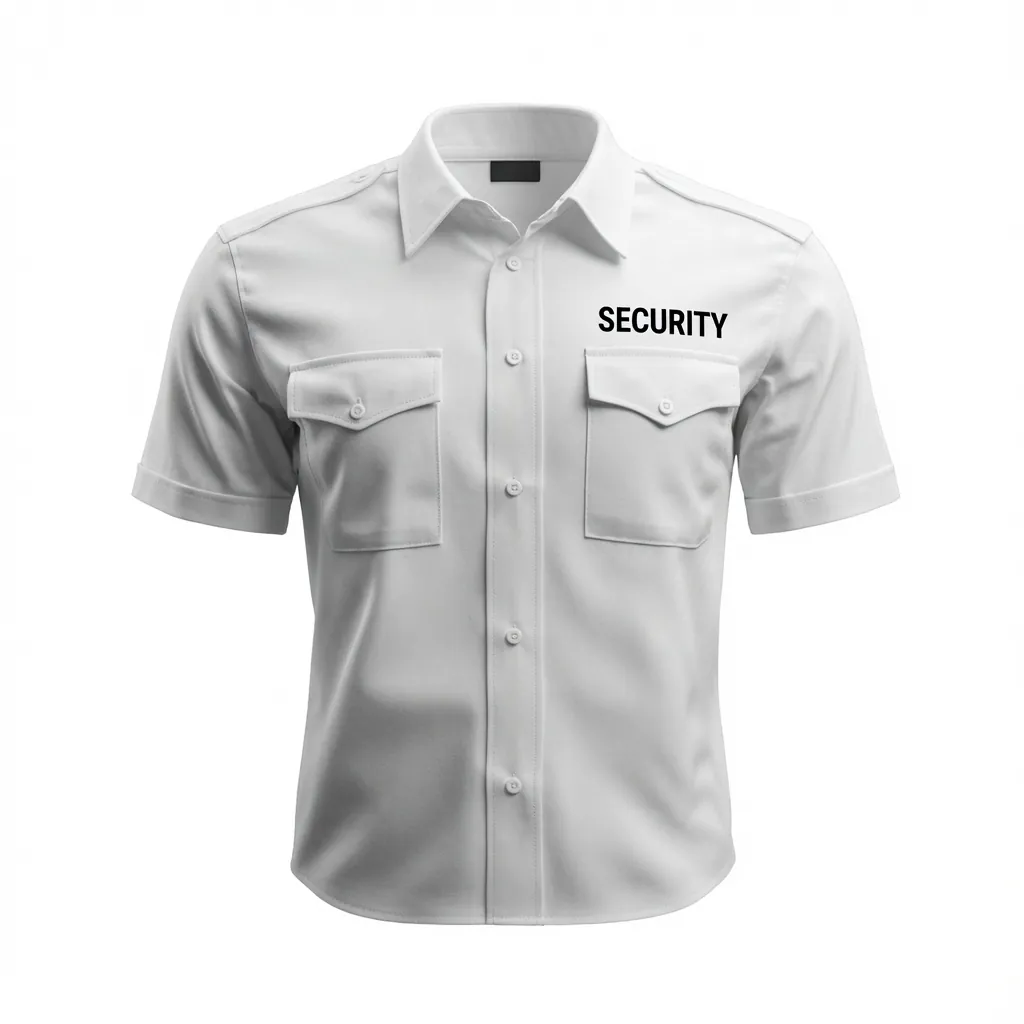
Custom security uniforms manufacturer
  • 10,000mm waterproof shell — ANSI 107 Class 2 / 3 certified
  • 3M™ Scotchlite tape + YKK® hardware throughout
  • Fleece to quilted lining: one pattern fits four climate zones

Security Uniforms

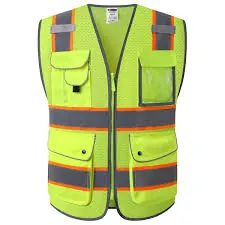
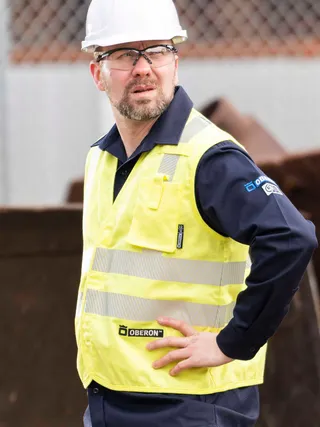
Custom safety vests manufacturer
  • Each lot ships with a verifiable third-party lab certificate
  • 3M™ tape holds through 50+ industrial wash cycles
  • Mesh shell for summer crews; insulated quilted for winter

Safety Vest

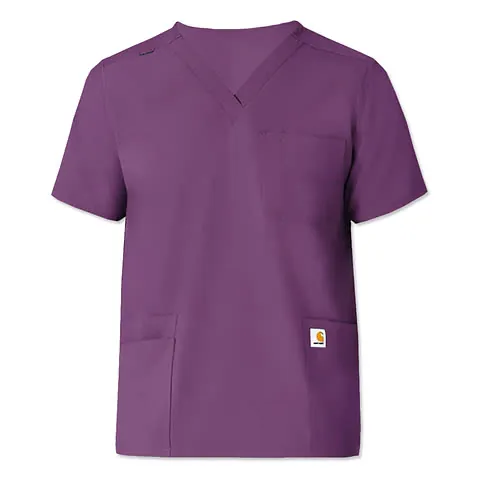
Custom hospital uniforms manufacturer
  • EN 13795 microbial tested — per fabric lot, not a one-off cert
  • 1.8% shrinkage after 50 washes at 71°C (industry avg: 8–12%)
  • Antimicrobial + fluid-resistant — batch-tested

Hospital Uniform

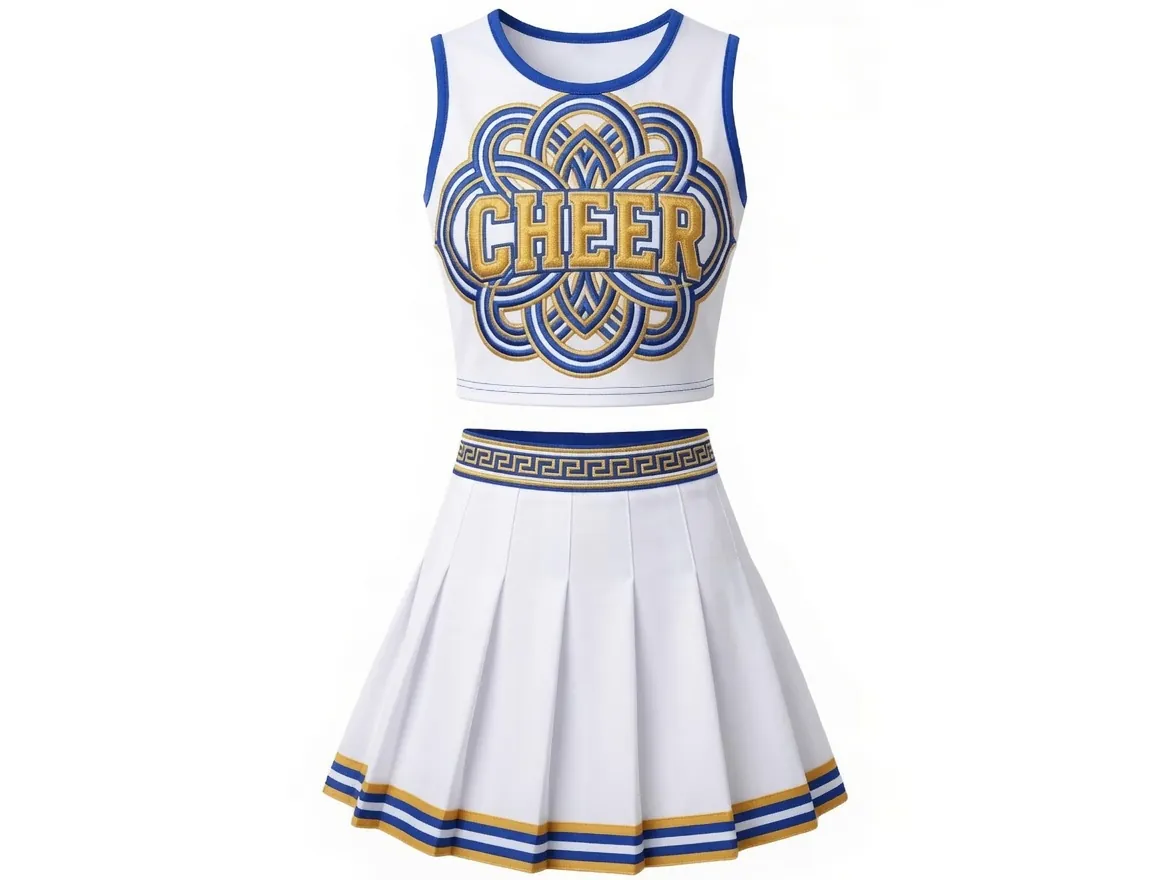
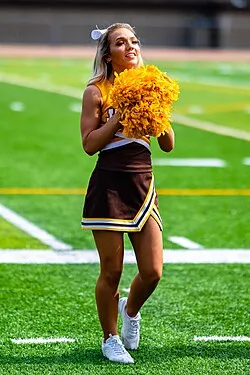
Custom cheerleading uniforms manufacturer
  • 4-way stretch + moisture-wicking — a performance knit rather than a costume
  • Full sublimation — color is the fiber itself, zero peeling or fading
  • Custom-graded per size, youth through adult — one consistent squad fit

Cheerleading Uniform

Custom airline uniforms manufacturer
  • Wrinkle-resistant suiting — stays sharp all flight long
  • Spectrophotometer-verified single shade lot across 2,000+ pieces
  • Multi-hub DDP — one production run, full docs per destination

Airline Uniform

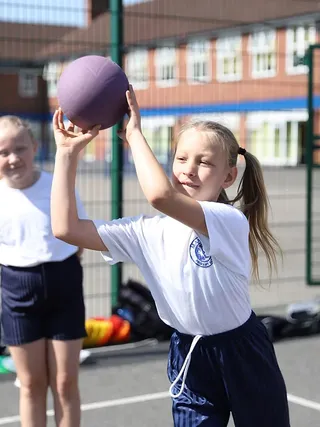
Custom school uniforms manufacturer
  • GOTS-certified organic cotton — full farm-to-garment traceability
  • Reinforced knees + double-stitched seams — playground-rated durability
  • Parent self-service sizing portal — zero overstock, zero shortages

School Uniform

Material Resources

Performance Fabrics & Testing Protocols.

Durable, FR-rated, and comfort-first materials — each verified before it reaches the cutting table.
Material Resources

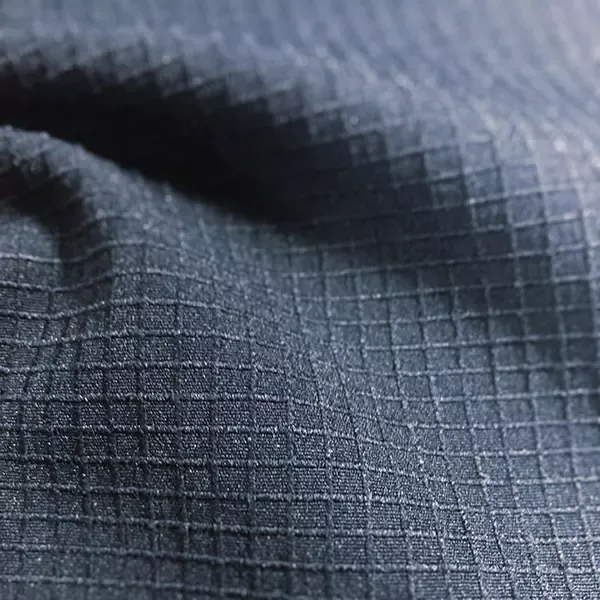
Ripstop

Ripstop

  • Lightweight, tear-resistant shell
  • For high-abrasion outdoor work
  • Weather-resistant finish available
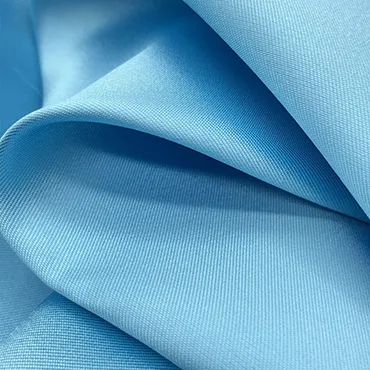
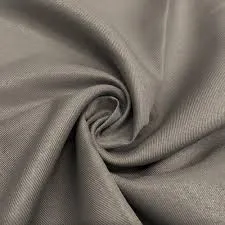
Poly-Cotton Twill

Poly-Cotton Twill

  • Durable, easy-care uniform workhorse
  • Soil-release and anti-wrinkle finishes
  • Holds color through institutional washing
Nomex

Nomex

  • Inherent flame-resistant fiber
  • For FR and arc-rated garments
  • Permanent protection — no surface treatment
High-Stretch Spandex

High-Stretch Spandex

  • 4-way stretch for full range of motion
  • Recovers shape after repeated wear
  • Pairs with moisture-wicking knits
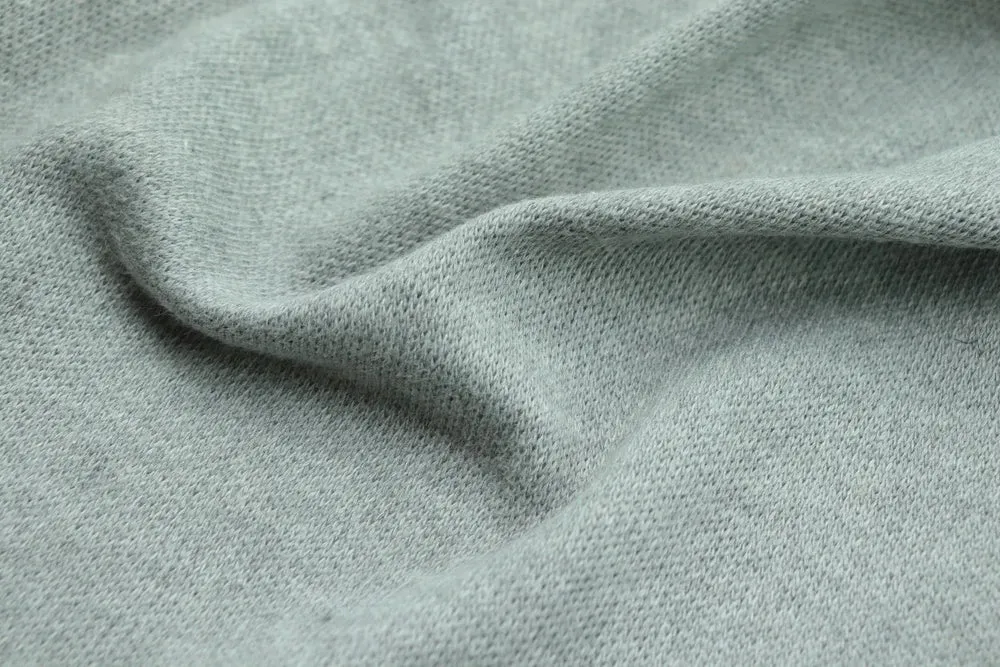
Merino

Merino

  • Natural temperature regulation
  • Odor-resistant for all-day wear
  • Soft against skin, no itch
Moisture-Wicking

Moisture-Wicking

  • Draws sweat away from skin
  • Dries fast between shifts
  • Keeps staff cool in active roles

Fabric Testing Protocol Reference

Require these methods on TDS and incoming inspection reports. Each targets one performance dimension — request the lab certificate with method reference and test date.
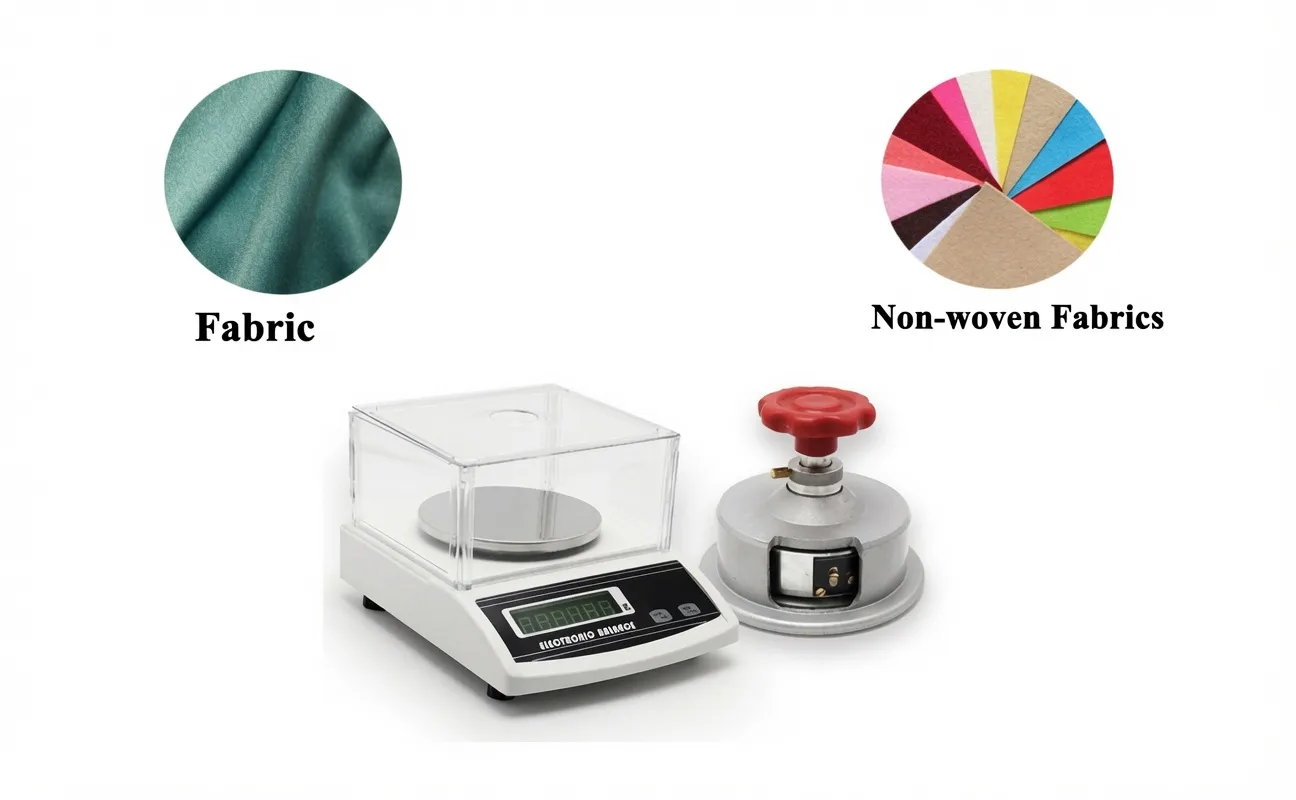
ASTM D3776 Mass Per Unit Area Fabric weight before cutting
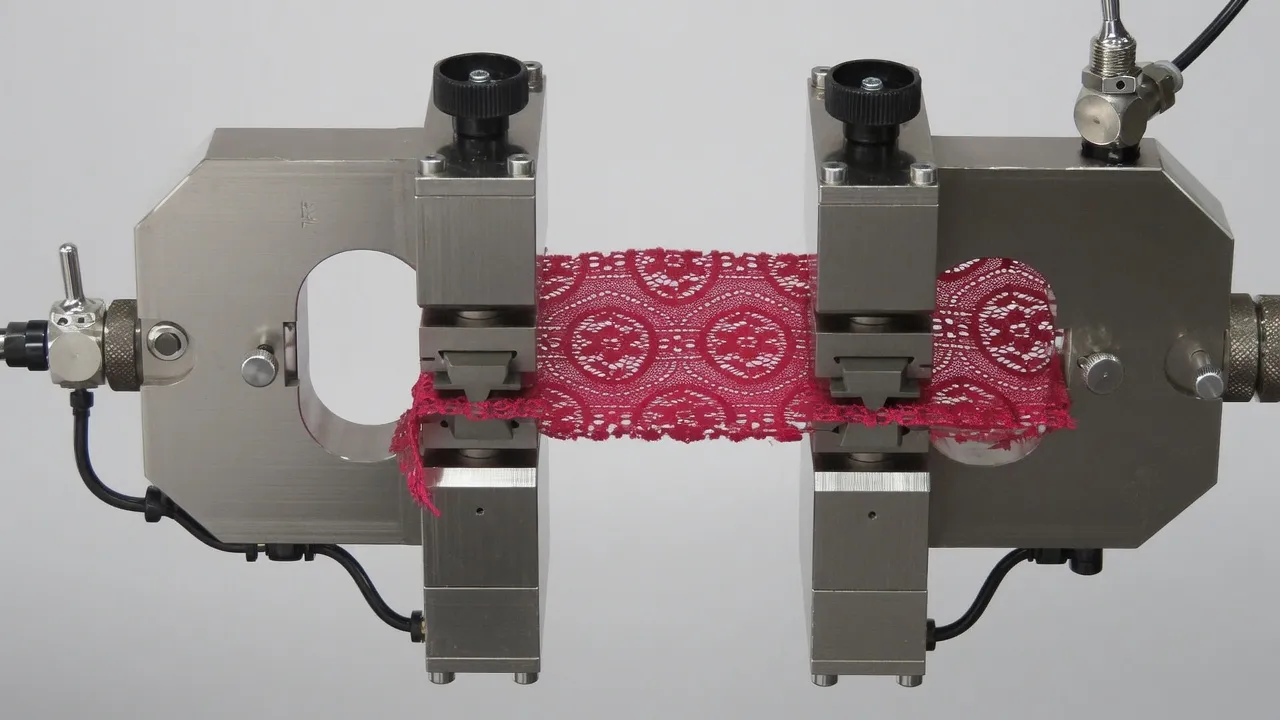
ASTM D5034 / D5035 Tensile / Strip Strength Breaking force under strain
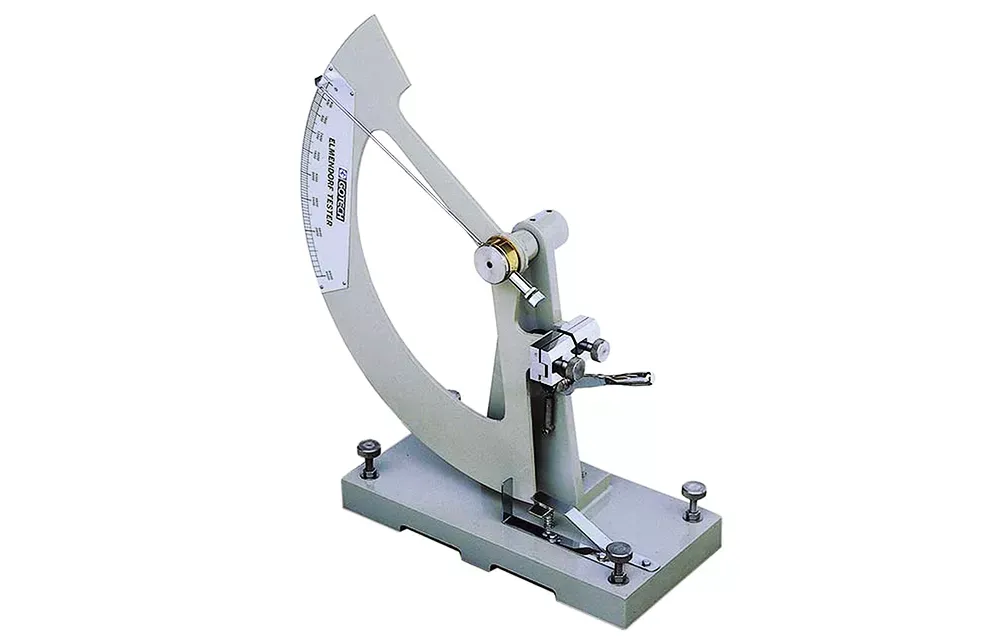
ASTM D1424 Elmendorf Tear Resistance Tear propagation — PPE
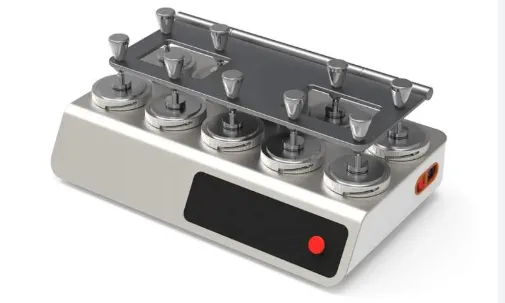
ASTM D4966 Martindale Abrasion Surface wear, friction
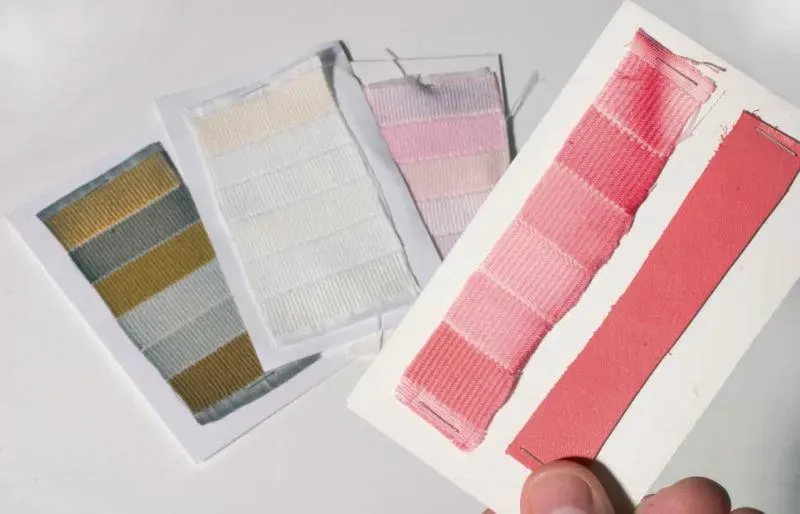
AATCC 61 Accelerated Laundering Colorfastness Color retention, wash cycles
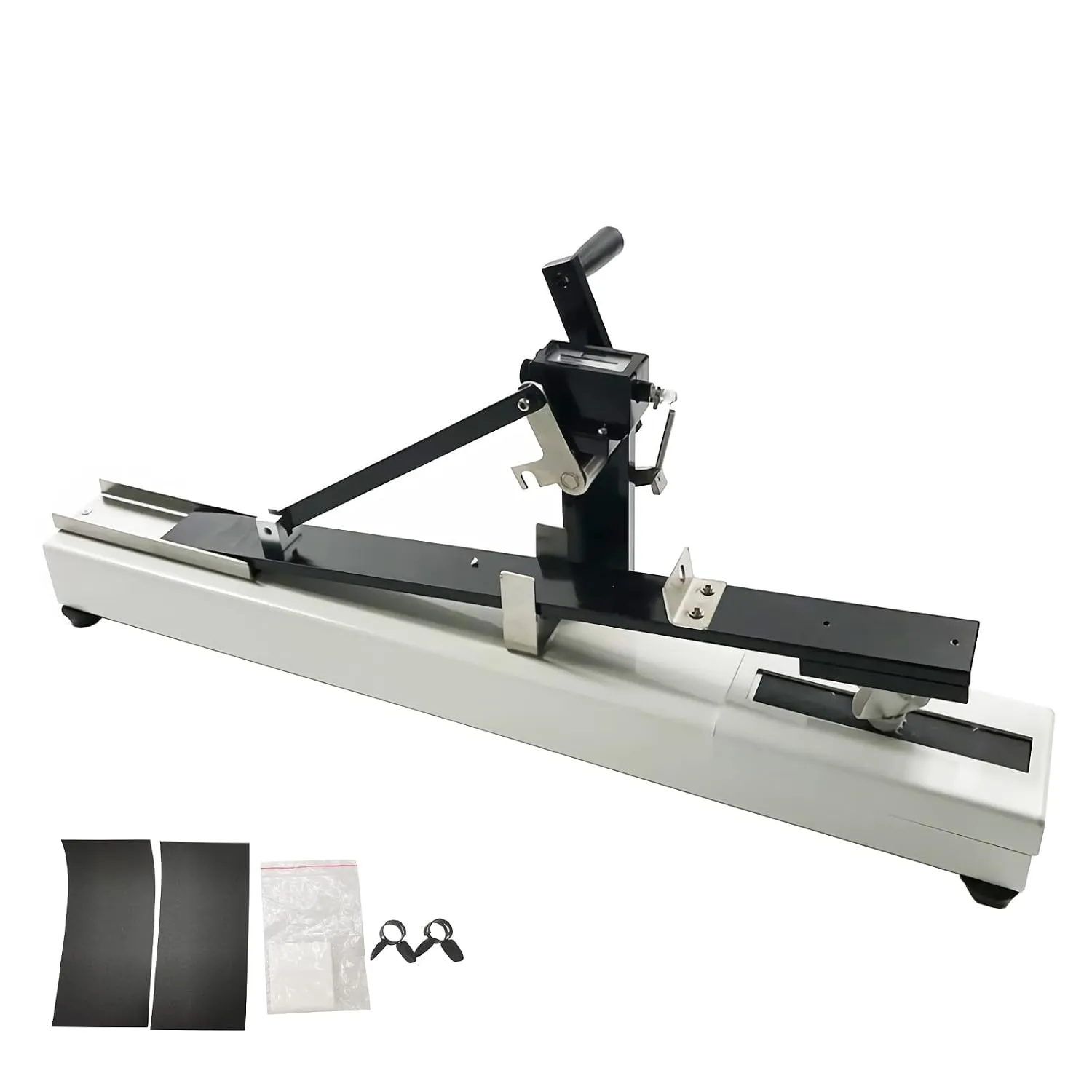
AATCC 8 Crocking (Color Transfer) Dry/wet color rub-off
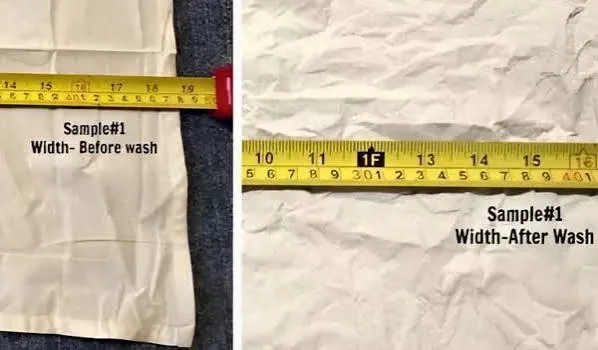
AATCC 135 Dimensional Change After Laundering Shrinkage vs. wash protocol
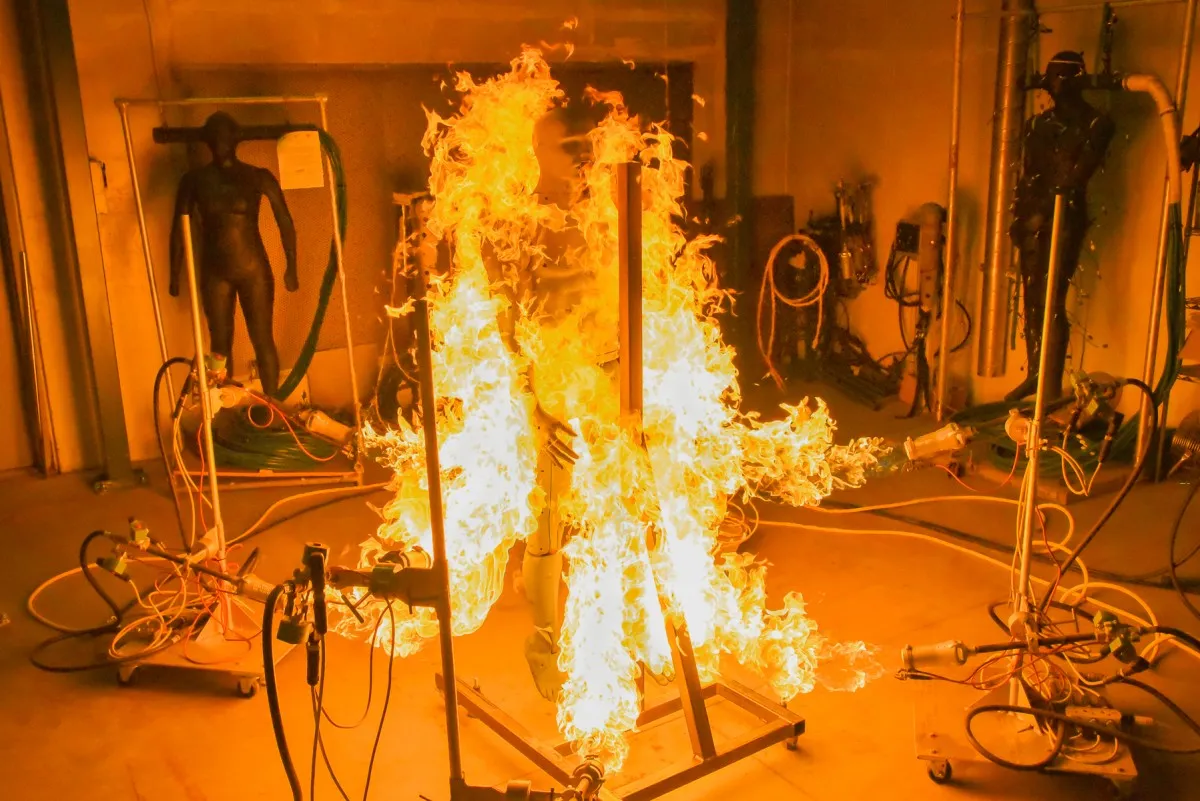
ASTM F1930 Instrumented Manikin Test Flash-fire body burn %
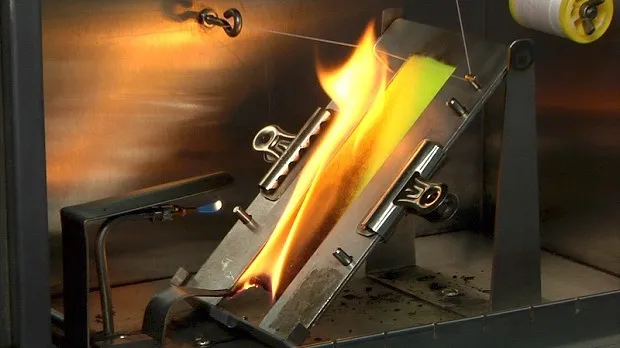
ASTM D6413 Vertical Flame Test Afterflame time, char length

Uniform Customization

Flexible Designs for Uniform Customization.

Built around how your team actually works — pockets, layers, branding, and fit all configured from your spec.
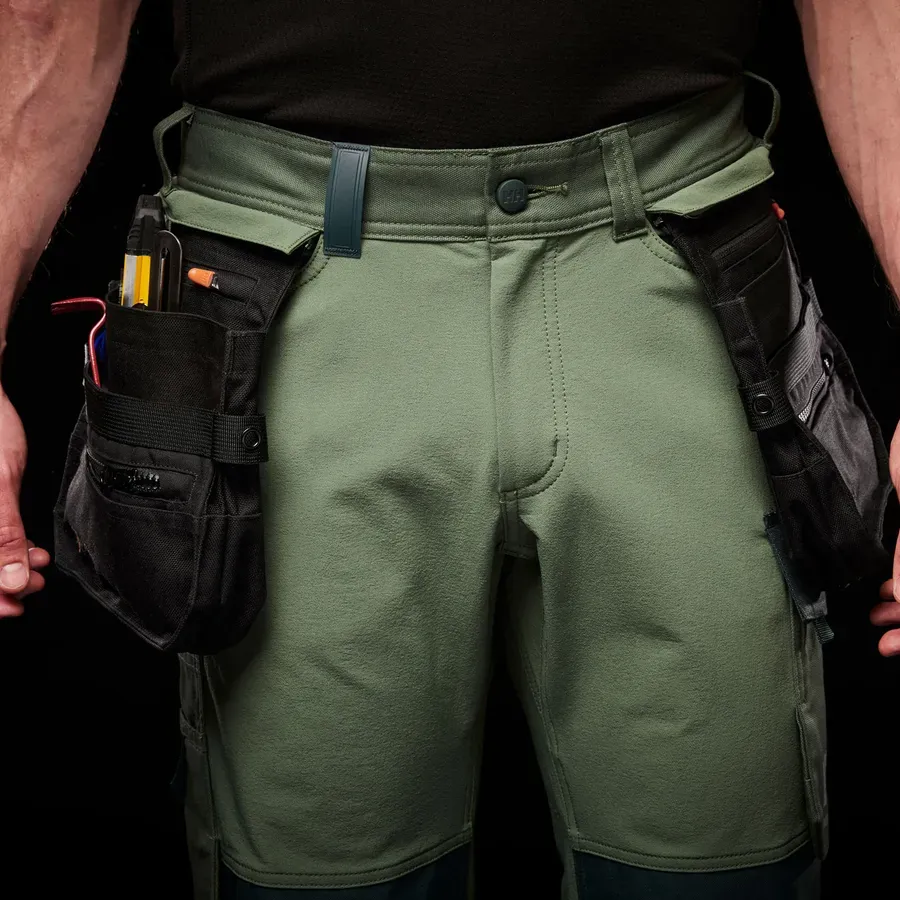
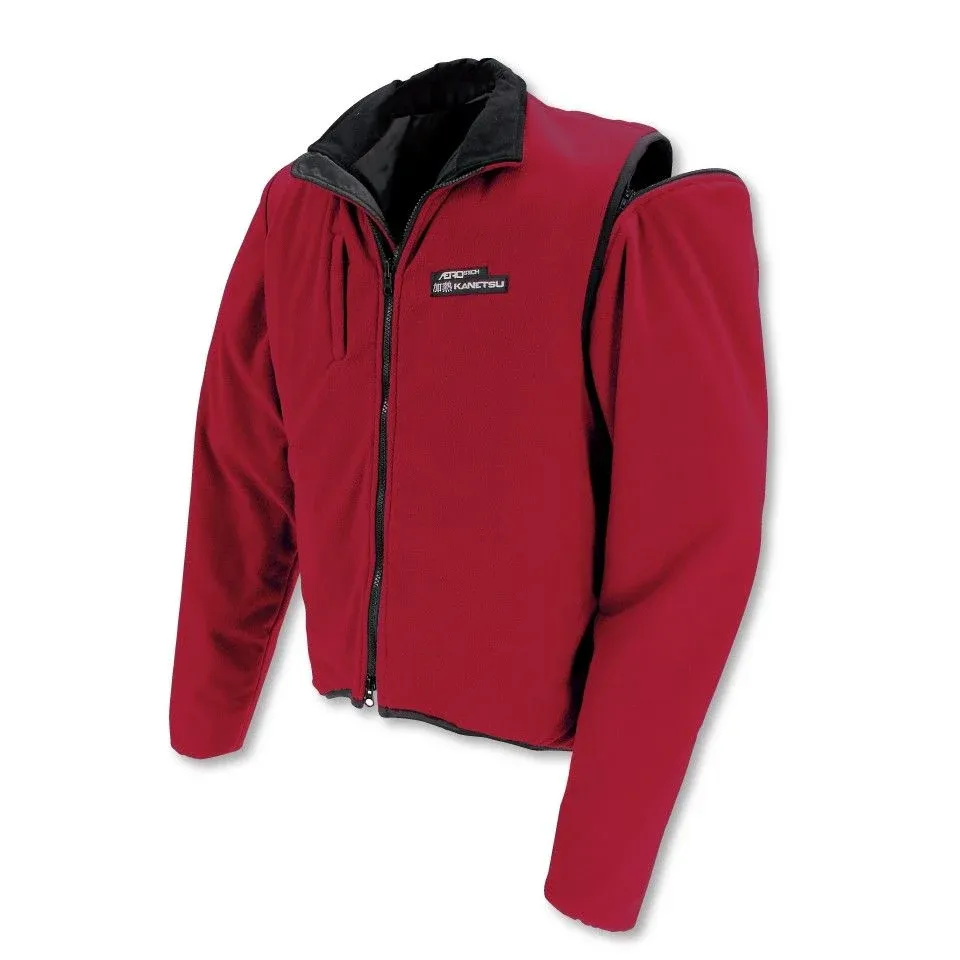
Functional Customization

Functional Customization

Customization options
  • 5" deep utility pockets — zipper, Velcro, or snap
  • Double-stitched seams — rated to 50 lb stress
  • Reflective strips — up to 300% low-light visibility
Layering & Seasonal

Layering & Seasonal

Customization options
  • Zip-off sleeves + detachable linings
  • 0.5 lb jackets — layer over any uniform
  • Comfort across 40°F–85°F
Accessory Customization

Accessory Customization

Customization options
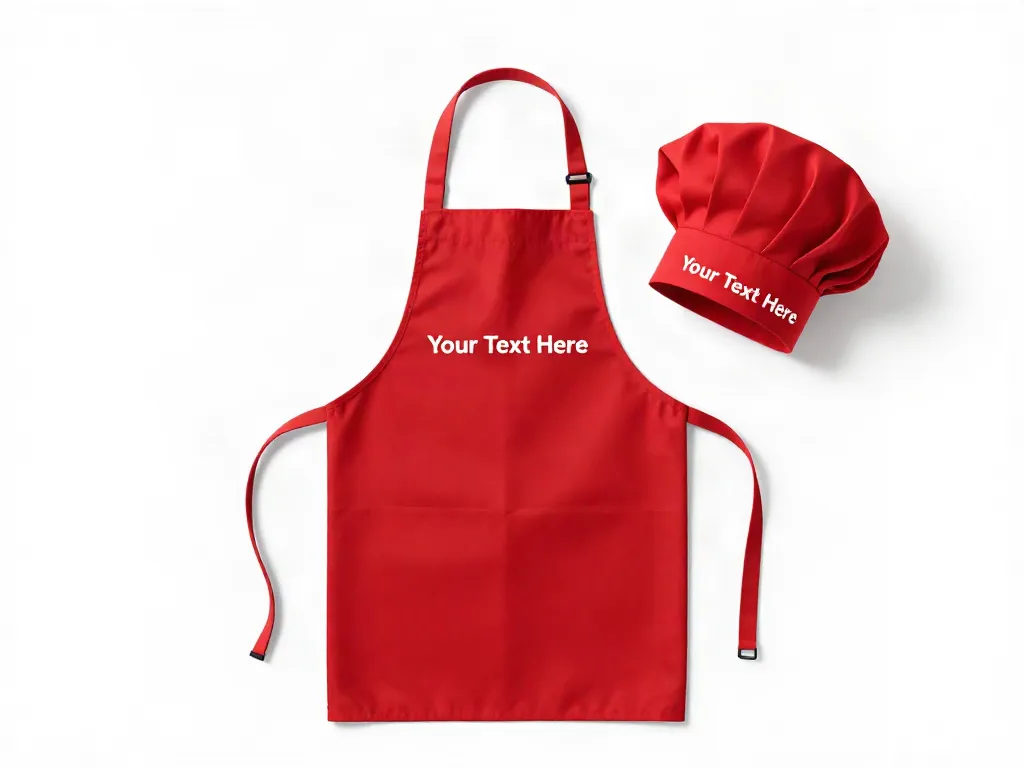
  • Branded hats, caps & aprons
  • 4–6" extra pockets with adjustable straps
  • Matching belts & ties — cohesive brand look
Fabric & Finish

Fabric & Finish

Customization options
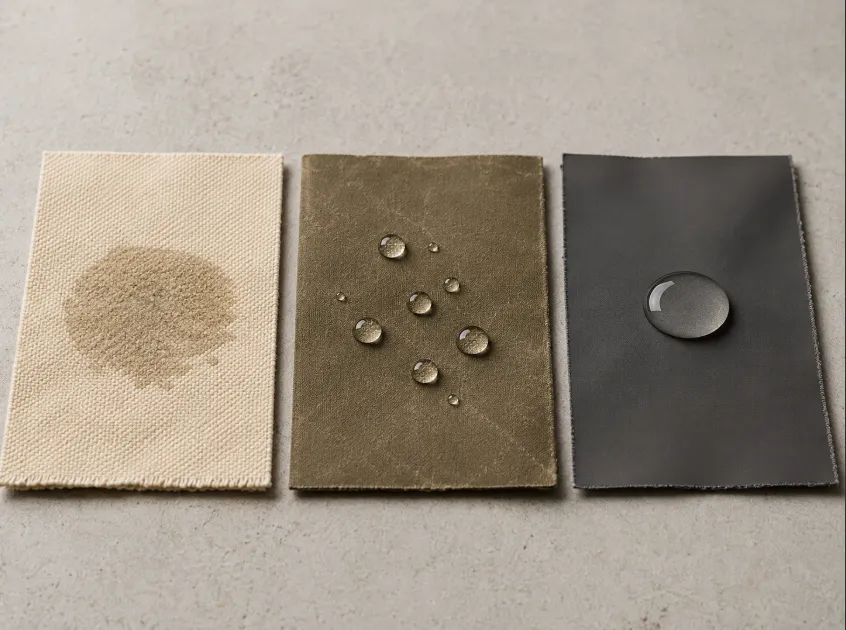
  • Water-repellent, antimicrobial, soil-release
  • Custom GSM — lightweight to heavy-duty
  • Brand-palette colorfast dyes
Size & Fit

Size & Fit

Customization options
  • 12 sizes — petite through extended
  • Per-employee profiles — faster reorders
  • Full-size PPS sets — no grading surprises
Branding & Labels

Branding & Labels

Customization options
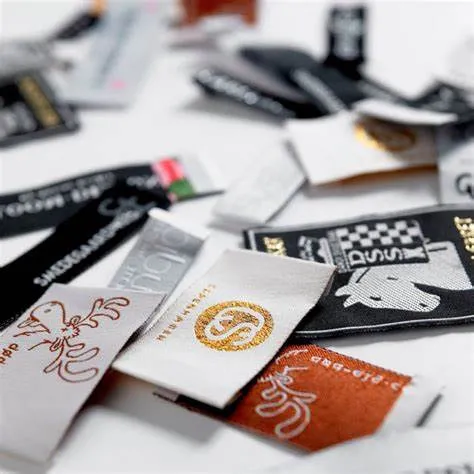
  • Jacquard logos woven into fabric
  • Labels & embroidery — Pantone TCX matched
  • Multi-country care labels — US, EU, UK, AU

Sustainable Collection

Eco-Friendly Uniform Production.

Eco-friendly fabrics that cut landfill and virgin-resin use — without the performance trade-off.

Waste Collection

Production offcuts and surplus are recovered and re-spun into new yarn — keeping usable material out of landfill.

Plastic Chips

Recycled plastic is melted and extruded into fiber, cutting virgin-resin use while staying durable and comfortable.

Eco Active

Organic or recycled fiber knits that stay breathable and tough — sustainability without the performance trade-off.

Fabric Recycling

Discarded textiles are broken down and re-wove, closing the loop on end-of-life uniforms.

Vendor Due Diligence

Vetting & Compliance Audit Framework.

A five-gate qualification protocol for vetting uniform factories. The same checklist we run internally before onboarding any supplier.

Document Screening

Document Screening

  • Request all relevant certificates — social, quality, and chemical safety
  • Verify numbers on issuing-body databases — no PDF-only proof
  • Cross-check factory name & address across all certs
Contractual QA Requirements

Contractual QA Requirements

  • AQL 2.5 Major / 4.0 Minor, defect classes, rework terms in PO
  • Right-to-audit clause — 24-hr unannounced visits
  • Remedy ladder: rework → replacement → refund + penalty
On-Site or Remote Audit

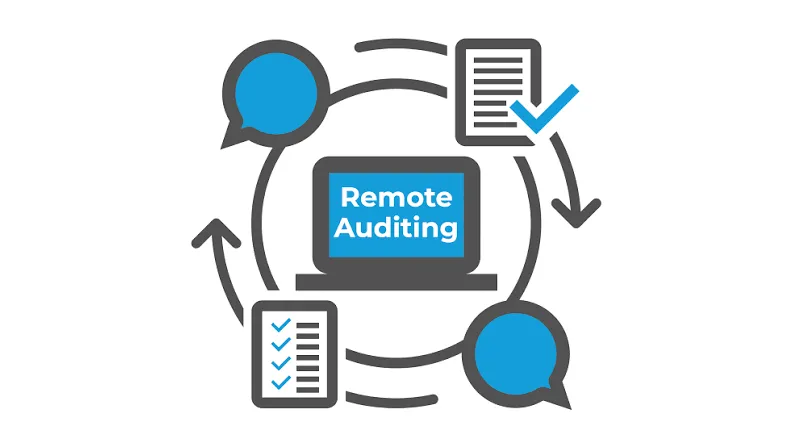
On-Site or Remote Audit

  • Third-party auditor: SGS / Intertek / Bureau Veritas
  • Payroll vs. timecards, off-site worker interviews
  • Chemical & PPE audit, production floor walkthrough
Sample Validation & Lab Testing

Sample Validation & Lab Testing

  • FR garments: manikin & flame test reports from an accredited body
  • Medical: EN 13795 test report
  • Lab report references the specific fabric lot
Ongoing Surveillance & Re-Audit

Ongoing Surveillance & Re-Audit

  • Annual announced + unannounced once per 18 months
  • Random bulk samples per 3rd run re-tested
  • Scorecard: OTD, AQL pass, NC closure
  • Below threshold 2 quarters → 90-day improvement plan

Client Stories

What Brands Say About Our Uniform Programs.

Hospitality, healthcare, petrochemical field crews — procurement managers on real uniform programs, with the numbers to back it up.

Diana Smith

Diana Smith

Operations Manager, Hospitality Brand

leelineapparel exceeded our expectations — we personalized everything, including fabric and colour, logo placement, functional pockets, and reinforced seams. Every detail we briefed made it into the finished garments.

Twelve sizes — petite through extended — fit all 48 team members. No one had to size up or send anything back; the fit distribution matched our staff almost exactly.

The order arrived three days early, inside the promised 3-week window. Communication was responsive throughout, and the pre-shipment photos made final sign-off painless.

Eight months in, the uniforms still hold their colour through weekly industrial washes. Staff comment on the comfort and durability, and the sustainable fabric choices align with our values — a look that reflects our brand perfectly.

Michael Torres

Michael Torres

Procurement Director, Gulf States Petrochemical

Our previous two suppliers couldn't back their FR claims — no valid manikin reports, just self-declared labels and expired certificates. We had zero way to prove compliance to our insurer or our client.

leelineapparel delivered the full UL certification package before a single garment shipped: ASTM F1930 manikin reports, component recognition records, and bulk ATPV re-verification. All documents issued in our company name.

For 240 field techs across 12 sites, the roll-out ran on time. Zero non-compliance findings on the follow-up third-party audit.

Annual replenishment is now locked in. Per-technician size profiles stay on file, and reorders ship in 5 weeks with no re-sampling — that alone cut our procurement admin time by about a third.

Uniforms in the Field

Uniforms Worn Where Your Teams Work.

Uniforms at work — across corporate offices, hotel lobbies, hospital wards, and oil-rig decks.
Uniform Procurement FAQ

Frequently Asked Questions About Custom Uniform Manufacturers

How do uniform prices break down — and what actually drives the per-unit cost?
Fabric is roughly half the unit price; labor, trims, and overhead split the rest. Beyond the fabric, three levers move your cost most: GSM and weave complexity (a heavier technical weave costs more than a standard twill), decoration density (number of embroidery or print colors per garment), and order volume per SKU. Structure and fit complexity matter less than buyers assume. The biggest hidden saving is standardization — two styles with the same fabric and body but different trim colors can run on the same cutting line and cut your setup cost nearly in half.
Can you source a fabric I have not seen before — how does fabric development work?
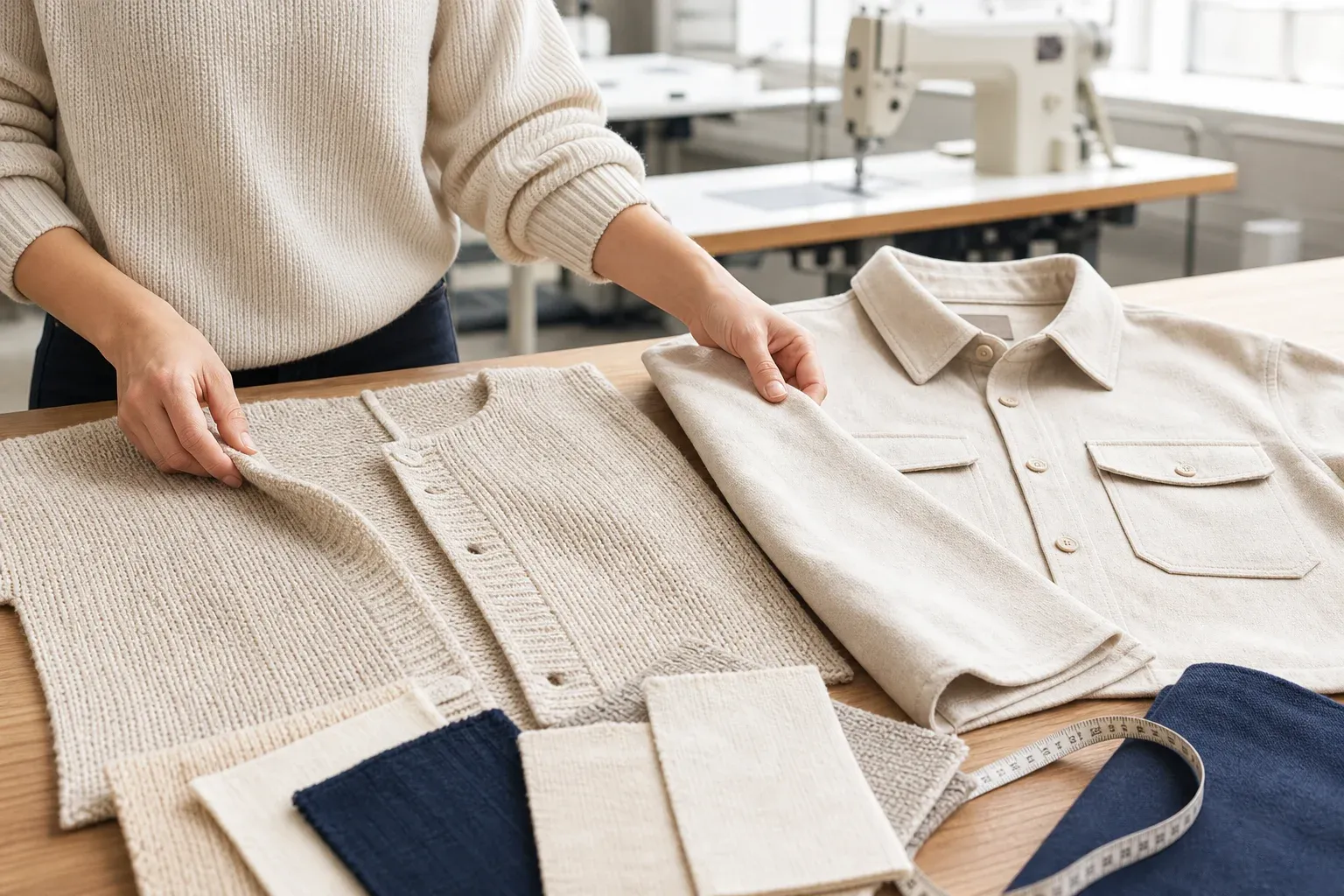
Yes — we run the full fabric development chain: sourcing, testing, and mill approval. You send a swatch, a weight, or a brand reference. Our sourcing desk pulls candidate mills, orders strike-offs or yardage, and runs the fabric through the same wash, abrasion, and shrinkage tests we use for production. You get a shortlist with per-yard pricing and a recommended mill, then we lock the reference with a lab-dip and a sealed shade standard. This is where a good partner earns its keep — most uniform programs die at the first bad fabric choice.
What should I actually do with the sample before approving production?
Wash it. Multiple times, the way your team will wear it. Sample approval is the one moment you have leverage and zero inventory risk — use it. Run a test garment through 3–5 industrial wash cycles to check shrinkage, seam puckering, and button integrity. Check the fit on your actual body types, not just the model. Confirm the decoration colors under the lighting where staff will work — warehouse lighting flatters colors that die under fluorescent tubes. And photograph the approved sample against a Pantone chip before signing off; that photo becomes your reorder reference.
Do you offer private labeling and custom branding on uniforms?
Yes — woven labels, embroidery, screen print, heat transfer, and silicone/badge trims. For uniforms specifically, we recommend woven labels for front-of-house roles (they outlast embroidery on shirts that get washed daily) and embroidered chest logos for outerwear. We can also build your brand into the fabric itself with a jacquard weave — the logo becomes part of the textile, which reads as premium and survives industrial laundering far longer than any print. Match existing packaging specs or design new ones; custom labeling is integrated at no extra setup cost on orders of 100+ units.
How much uniform inventory should a multi-site operation carry?
About 8–12% of your annual uniform volume as safety stock, split by site and size. That cushion absorbs turnover, seasonal intake, and unplanned damage — the three things that create emergency orders. The rest lives in our replenishment pipeline: because approved patterns, shade references, and per-employee size profiles stay on file, reorders ship in 4–5 weeks without re-sampling or re-quoting. For seasonal programs (think new-hire surges in spring and fall), we recommend staging a pre-positioned buffer at your distribution center one month ahead of peak.
What if an employee needs a replacement uniform in an emergency?
Individual replacements typically ship inside 2–3 weeks. Because employee size profiles are already on file, an emergency order only needs a name and a reason code. We hold continuity lots of your program fabrics and threads specifically for this — a replacement matches the shade and hand of the original run even months later. For high-turnover roles, many clients add a standing small quantity to their annual order for exactly this purpose.
Should I split my uniform volume between multiple suppliers?
Single-sourcing with a documented backup is usually the right call. Splitting volume across two factories is the most common reason uniforms drift apart — different fabric lots, different dyes, and different construction tolerances mean the same "navy twill" looks like two colors on adjacent employees. If you do split, split by category, not by geography: keep the corporate line with one partner and the PPE line with a specialist. We also maintain approved backup mills for every fabric we source, so if we ever hit a capacity wall, your program keeps running without a change of supplier.
How much notice do you need for a program-level change, like a new location or a style refresh?
Style refreshes need 6–8 weeks lead time; new locations need roughly 4. For a style change, that window covers fabric re-approval, a new PPS set, and the first-cut QC pass — the same steps as a first-run order. Adding a new site is faster because the program infrastructure already exists: we re-use the approved styles, extend the size distribution model to the new workforce, and slot the site into the replenishment cycle. The single best planning habit is a rolling annual calendar — we flag anniversaries, audits, and seasonal surges so nothing becomes an emergency order.

A Uniform Program That Keeps Its Shape

Send a design brief or tech pack — get fabric specs, timeline, and per-unit cost, plus free tech pack development on confirmed orders.

Request a Quote