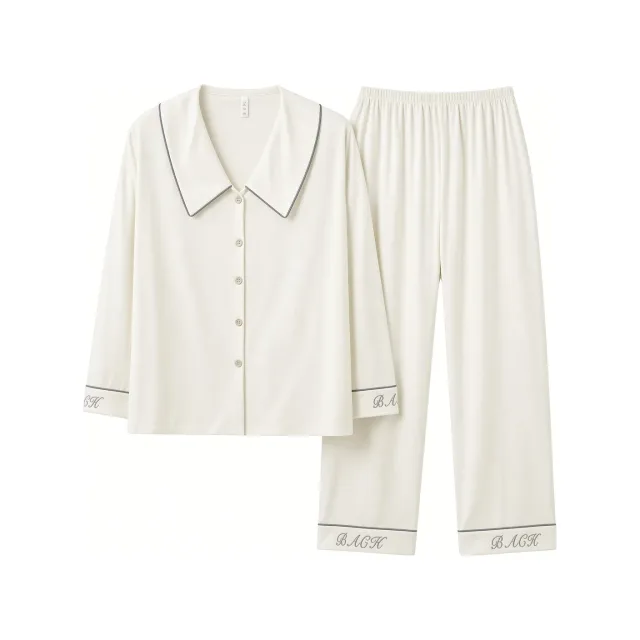
- Drawstring waist and buttoned top cut from one approved block
- The two pieces hang the same across the run
- Reads as real sleepwear, not a top and bottom that happen to match
Silk, flannel, or the cotton-modal you asked for — cut as a two-piece set, a sleep shirt, or a long gown, with the details you notice in the wash: an interfaced placket, a drawstring waist, and piping at the cuff.
Pajama Types We Run
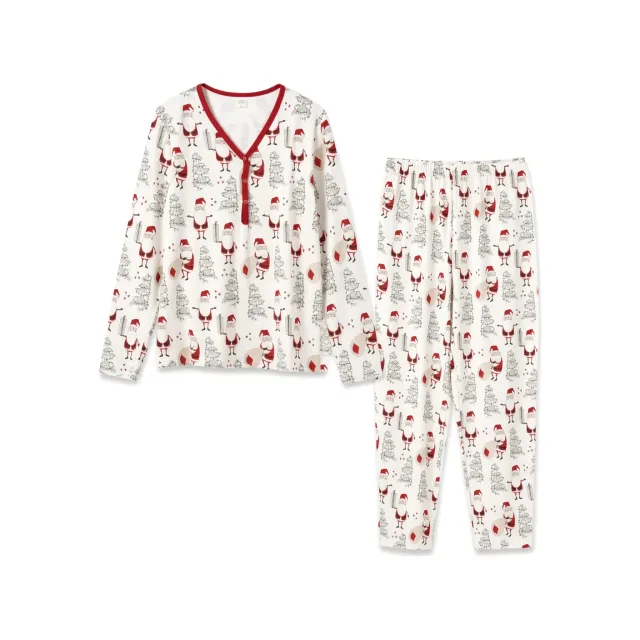
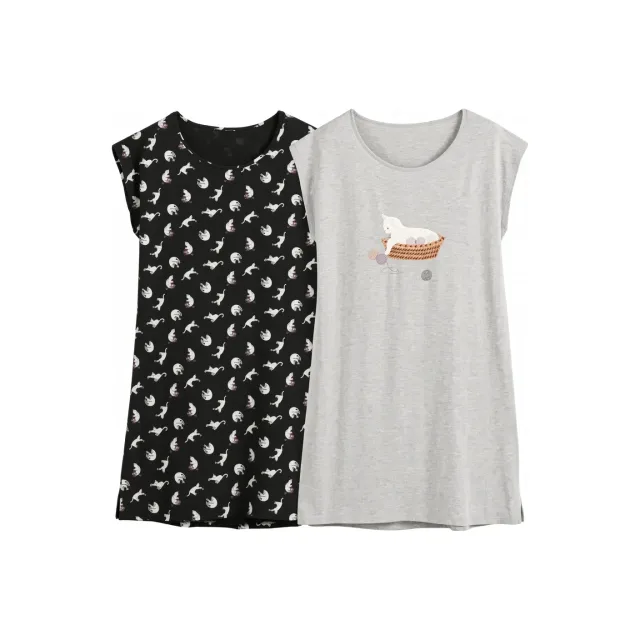
Whether it is a single nightshirt or a full themed family set, the pajama type sets the closure, the fabric weight and the customer the line is selling to. Every type is cut from an approved spec and graded XS–3XL to a comfort-fit tolerance.
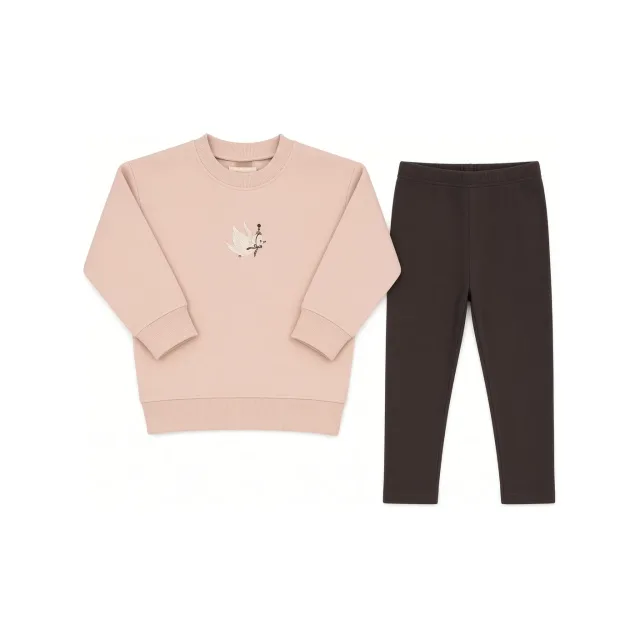
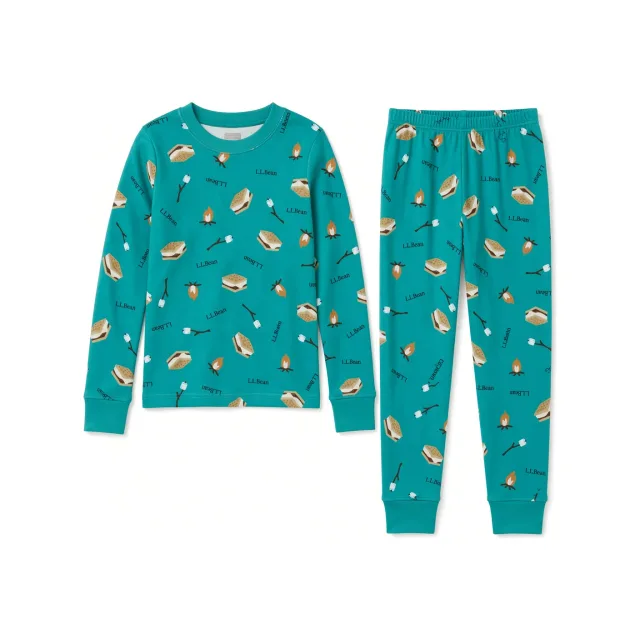
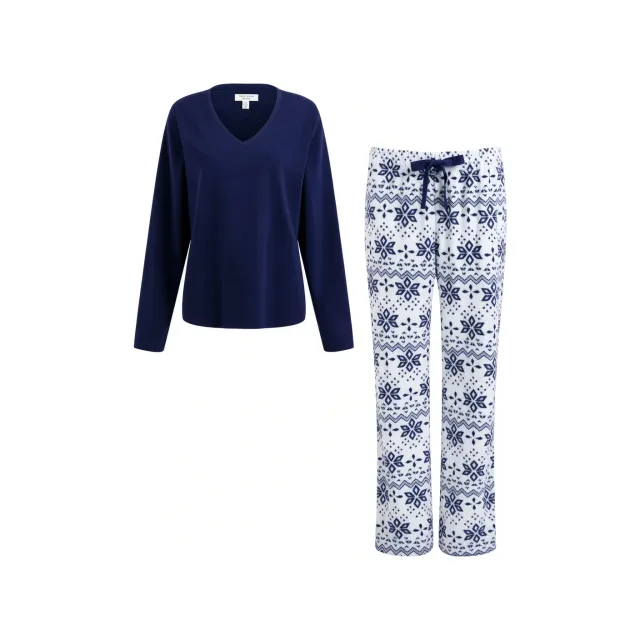
The Warmth × Season Fabric Ladder
The weight is picked by the season the pajama set is worn in. This ladder runs the fabrics coolest to warmest, with the GSM and the buyer each one serves — the shorthand for setting a pajama collection before a metre is cut.
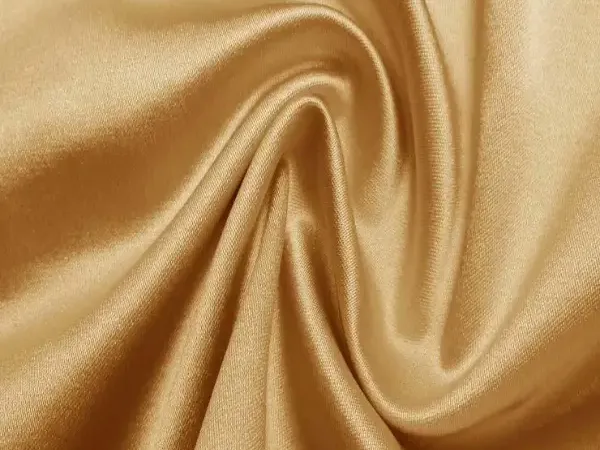 Summer
 120 GSM
The luxury tier — a cool, fluid drape that does not cling and reads as the premium end of a nightwear line.
Buy forGowns, camisole sets and the label going upmarket.
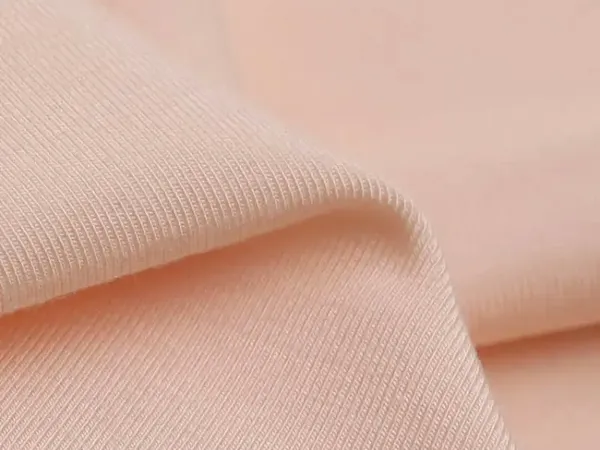 Spring
 200 GSM
Exceptionally soft with a resilient drape and strong colorfastness, so an all-over print stays vivid through washing.
Buy forTwo-piece sets and prints — the design-friendly workhorse.
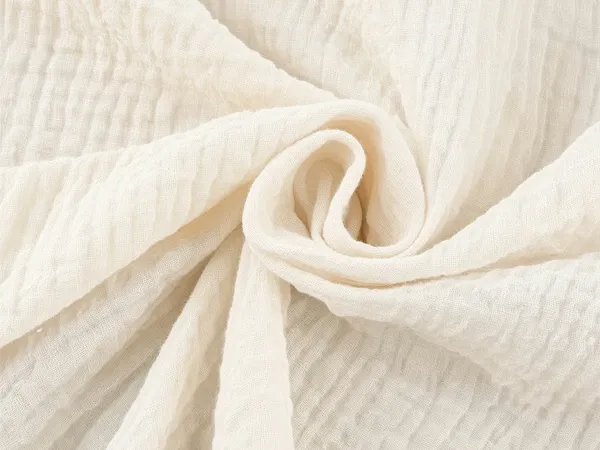 Fall
Fall 240 GSM
Moisture-wicking, quick-dry and antimicrobial — the fabric for warm sleepers and active-wear crossovers.
Buy forPullover sets for hot sleepers and sport-leaning lines.
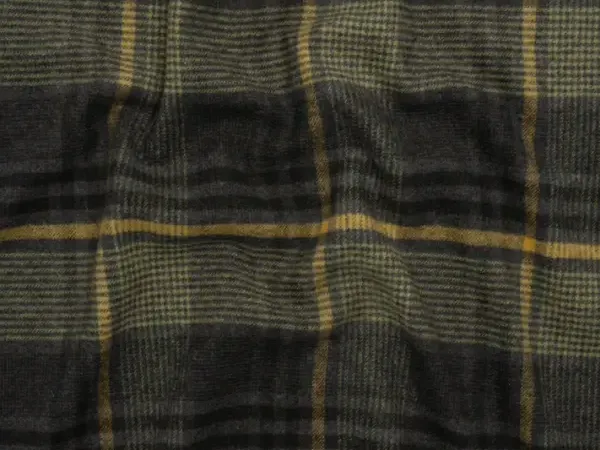 Winter
 280 GSM
A heavier two-sided nap that holds warmth and softens wash after wash — the cold-weather anchor of a lineup.
Buy forButton sets, robes and the top-and-bottom winter gift tier.
Pick the Season, We Cut to Match
Share the temperatures the pajama set is worn in and the silhouettes you want. The season fabric, the GSM, the seam spec and a per-unit cost come back within one business day.
Open-Book Pricing
Unit price is quoted for the exact spec and season fabric you batch — base weight here is a cotton-modal jersey two-piece pajama set. List the add-ons you want and the full landed number comes back, so the price on the page is the one to plan around.
$12.50–$15.50
First run — the minimum a custom set requires. Mix designs, colours and sizes within the order.
$9.80–$12.00
The common reorder point. The fit and spec are already locked, so this run moves faster to the line.
$8.20–$10.30
Largest volume break. Scheduled production keeps the line steady and the unit cost down.
Beyond the Fit
The silhouette is only the start of a pajama line. Size, tags and embroidery, the packaging, the silk weight and the grade — each layer is a call you get to make, so the line reads as yours rather than a catalogue page.
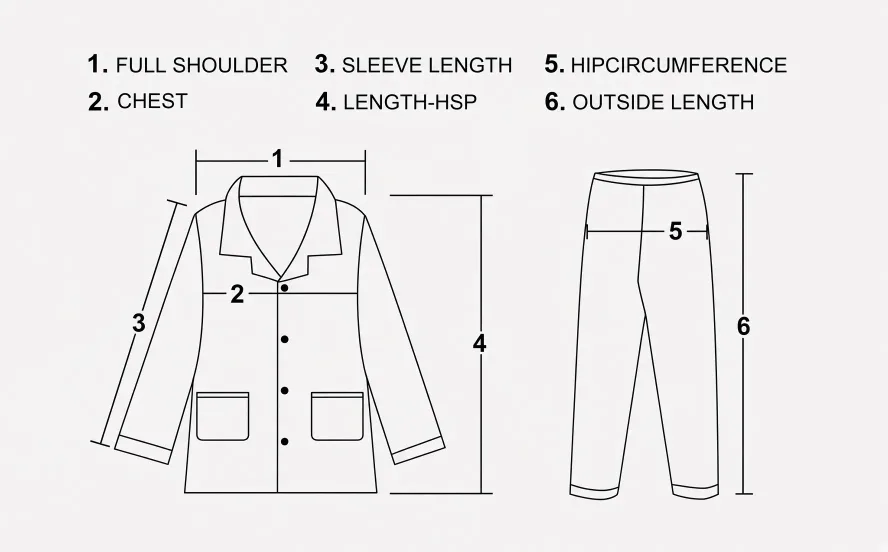
Send the style and the size you need — the designers cut a pre-production sample, re-confirm the fit, then ship it for sign-off before a metre is cut. Or start from the catalogue and re-brand a ready silhouette with your own logo and label.
Book a Size Sample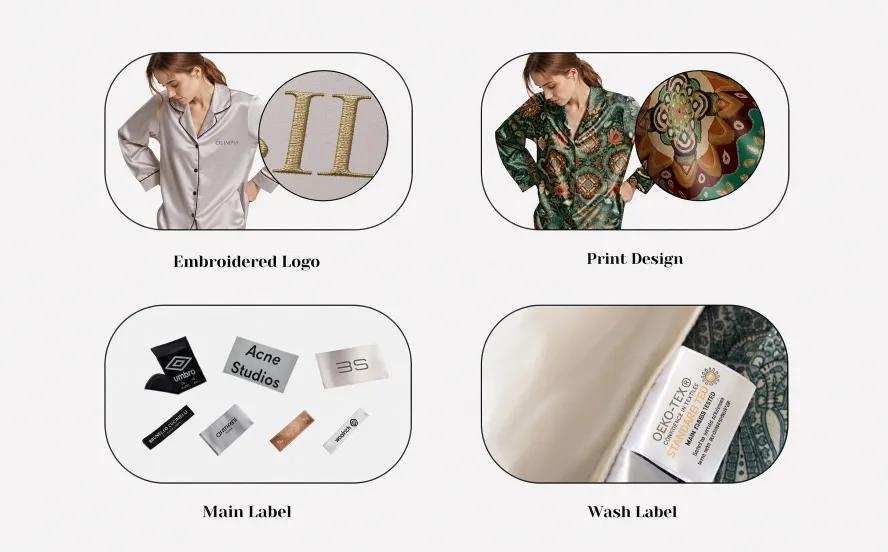
Your brand goes on the seams that show. Send the artwork and it comes back embroidered, screen-printed and labelled — an embroidered chest logo, a woven main label at the neck and a wash label on the hip, all set to your design.
Send the Artwork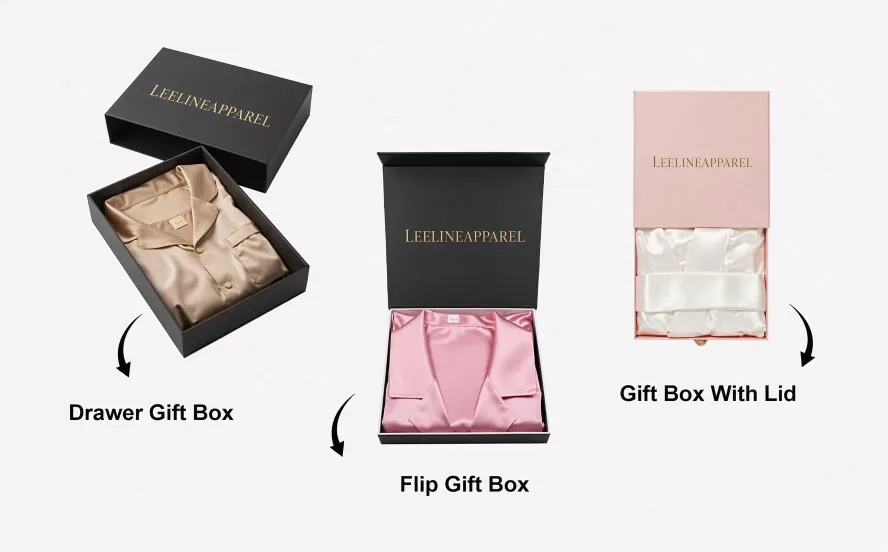
Packaging partners are lined up at favorable prices, so the box is part of the product. Pick a flip gift box, a drawer gift box or a box with a lid — with one-piece sampling so you approve before bulk.
Pick a Gift Box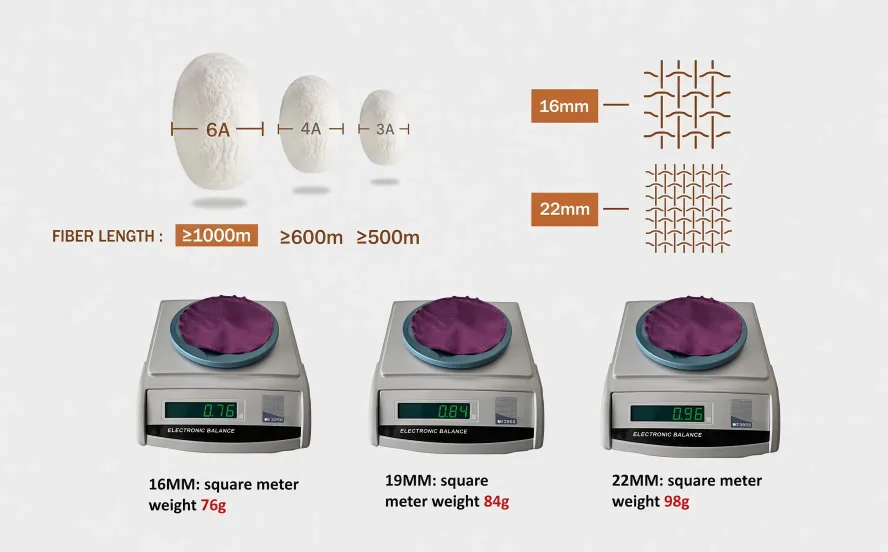
Momme (mm) reads the silk's density — its weight per square metre. 16mm is the light, cheaper summer set; 19mm is the durable mid-price most pajama brands settle on; 22mm is the heavyweight fall–winter piece, priced higher and favoured by luxury labels. Send the season you're dressing and the target price, and the momme follows.
Match the Momme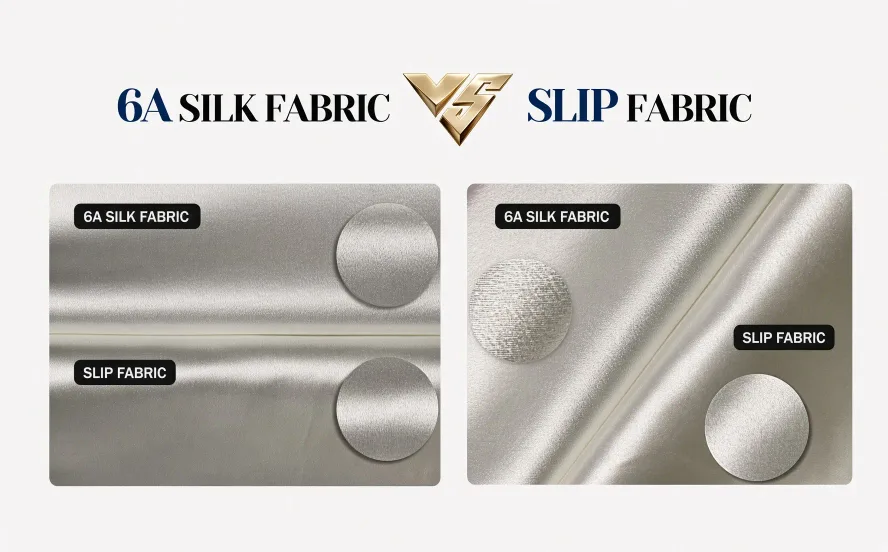
6A is spun from the longest silk fibres available — the highest grade there is, more luxurious and durable than lower grades. Sip builds on that 6A base with a different after-treatment: a long refine-purify that leaves the fabric smoother, holding all of the 6A strengths but finished brighter and more slip-pery.
Get an Instant QuoteThe Sleepwear Tech Pack
Sleepwear grades by ease, so the pack records a graded ease allowance (chest and hip +2.5 cm per size) and a drape-and-hang check rather than a compression target. The sheet runs top to bottom.
Seams specified in the tech pack so a loose pajama drapes instead of twisting. All raw edges overlocked — raw-edge look only on request.
Covered elastic logged at the relaxed circumference only — no elastane to recover — then still graded for comfort across the pajama run. Optional drawcord.
1×1 rib cuff on sleeve and ankle, length graded across the run. Hem-drop graded per size so the pant leg lands where the pattern put it — not where the fabric drifts.
From Pajama & Loungewear Buyers
Sleepwear and loungewear brand owners and wholesale buyers running custom pajama programs with LeelineApparel.

Daniel T.
Founder, Sleepwear Label
A 100-piece first run carried three silhouettes on one line. The Season Ladder narrowed it — cotton-modal jersey for the base two-piece, and a flannel button set for the winter tier.
The tech pack logged the waist relaxed only, chest and hip on a graded ease allowance. The approved sample is the gate, so the reorder came back the same weight and drape.
The cuff tape was the payoff — the brand is woven in, and it has not peeled across washes. 500 units a month since.

Angela Yan
Founder, Nightwear & Loungewear Brand
Linen-cotton voile ran in the pale shades that usually read sheer. A heavier weight at the right construction, plus an opacity check on the sample, cleared both before bulk.
The gown came with a full-length front so nothing showed through. Transparency complaints stopped within the first launch.
All-over print became the seasonal hook — repeated, no cracking. Two collections in, the line has doubled its reorder volume.
Pajama Buyer Concerns
The warmth-to-weight is set by the season, rather than the hand-feel. A hot sleeper is best served by linen-cotton voile at 140 GSM or cotton-modal jersey at 200 GSM — both are about weight and weave, so air moves through instead of pooling. The trap happens when a "summer set" is cut from a heavier brushed fleece and painted breathable. The Warmth × Season ladder grades fabric by season, so the weight is matched to the temperature it is worn in; a hot-sleeper buyer lands on the voile rather than the flannel, and the moisture-wicking pick is speced in the tech pack rather than assumed.
Pilling on a contact area is a finish + fibre-length question, not a "quality" one. A brushed interior feels soft but sheds short fibres where the body rubs — the shoulder, the hip. The fix is an anti-pill finish that locks the nap, and a longer-staple fibre that sheds less in the first place. A pill-resistance check (Martindale) runs on the sample so the contact area holds past the first month, and the softness-to-durability trade can be cut either way — soft now and gone by winter, or pill-resistant and still soft to the touch.
Both, and it is one of the top complaint points on loose sleepwear. Twisting is a panel twist — the pattern grain is off, or the seam is sewn without the allowance to hold shape. The pant leg is cut on the warp grain and seamed with a flat-felled or overlocked allowance so it cannot spiral, and the hem-drop is graded per size so the leg ends where the pattern put it. The top riding up is an ease issue — the chest and hip carry a +2.5 cm/size allowance on a comfort-fit block, so it hangs instead of climbing. Both are fixed in the tech pack before bulk, not discovered on a reorder.
A construction fix, mostly. The gap is the placket — a button front without an interfaced band buckles at the chest, and the buttons sit at the widest point of movement. The front placket is interfaced so the band stays flat, the 3–5 buttons are spaced against the length of the opening (about 8 cm), and a covered button rather than a coated one sits where it meets the body. On a loose garment the chest ease also keeps the band from pulling flat across the bust. The result is a set you can sleep on your side in without the buttons finding you, which the pre-production sample settles before a metre is cut.
A construction save, not a weight penalty. Opacity on a lightweight summer fabric is won two ways: a denser weave and a deeper/ensured shade, so the same 140 GSM voile covers without adding a summer set the buyer does not want. On a palest shade a backed or doubled front is added — the panel where the complaint shows — and an opacity check runs on the sample under the buyer's own light source before the shade is committed. That keeps the cool voile weight while still dropping the transparency return, rather than swapping to a heavier fabric that fixes the sheerness but breaks the summer brief.
Colour is dyed in the same greige run, rather than patched together from different lots, so the family match sits on one shade. The fit is the harder part: every size is graded off the same block to the same tolerance, but a child and an adult carry different ease, so the chest/hip allowance and the hem-drop are graded size by size, instead of being scaled from one silhouette. A family print or all-over is run in one repeat, so the scale reads the same on a 2XL and a kids' 6. The approved sample is held as the gate for the whole family, so the "same" set ships the same — which is usually what breaks a match set.
Share the silhouettes and the temperatures the pajama set is worn in — get the season fabric, the GSM, the seam spec and a per-unit cost back within one business day, before a metre is off the roll.
Start typing to find articles
No articles found
Try a different keyword