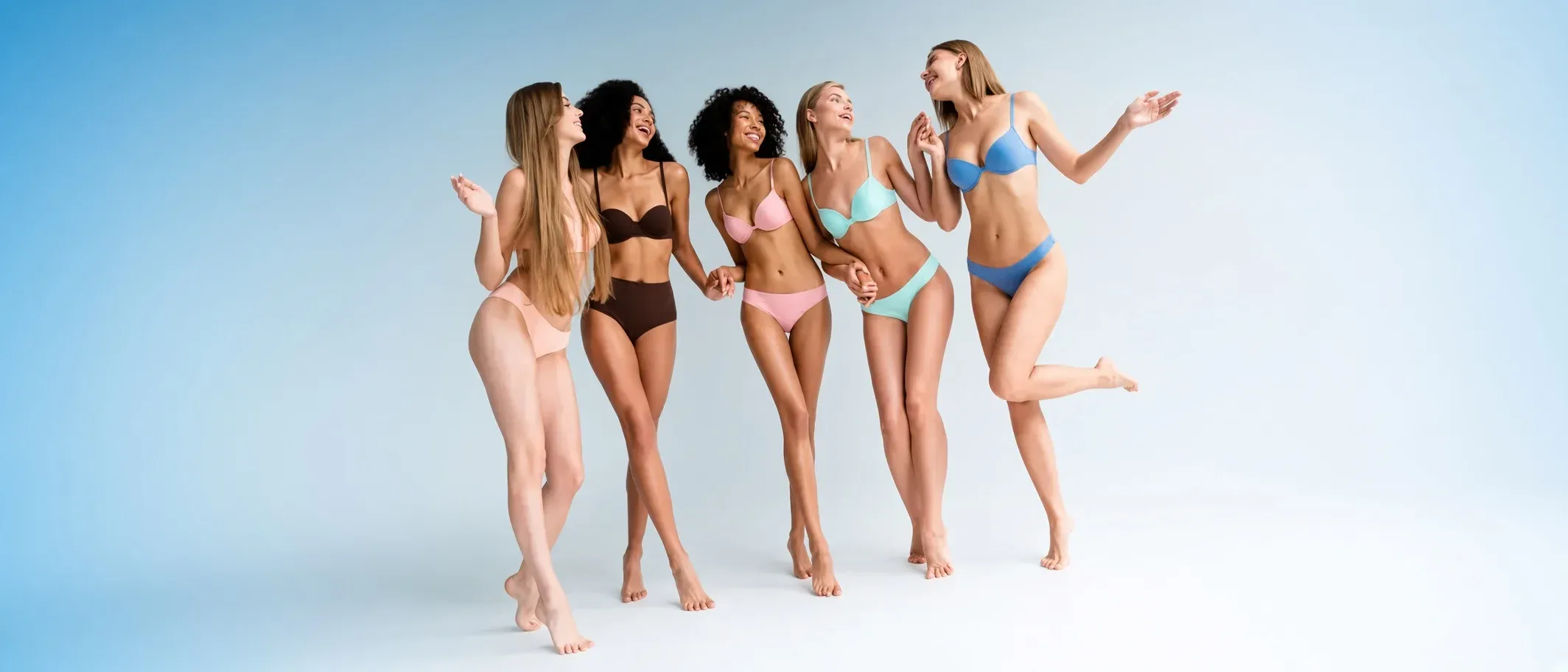
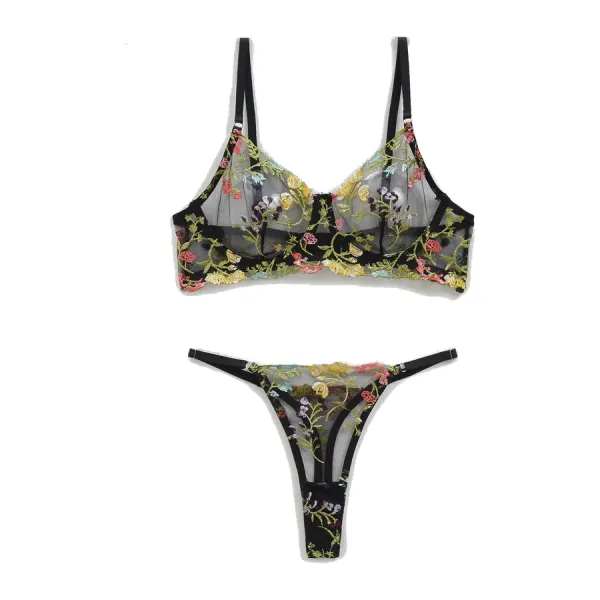
Custom Lingerie Manufacturers: 30A–44G, Graded to a Cup at ±0.5cm Band, ±0.3cm Cup
Wholesale intimates manufacturer and private label lingerie factory — start from a sketch or reference and the tech pack is built for you, underpinned by OEKO-TEX Class II component testing and a 100-unit entry point.
10+ Years manufacturing
35+ Types of lingeries
50+ In-house technicians
50+ Countries served
Bras & Intimates
The Support, Engineered Into the Cut.
A lace bralette and a full-cup underwire both ship with a spec sheet — the grade, the elastic width, and the construction that holds the cup.
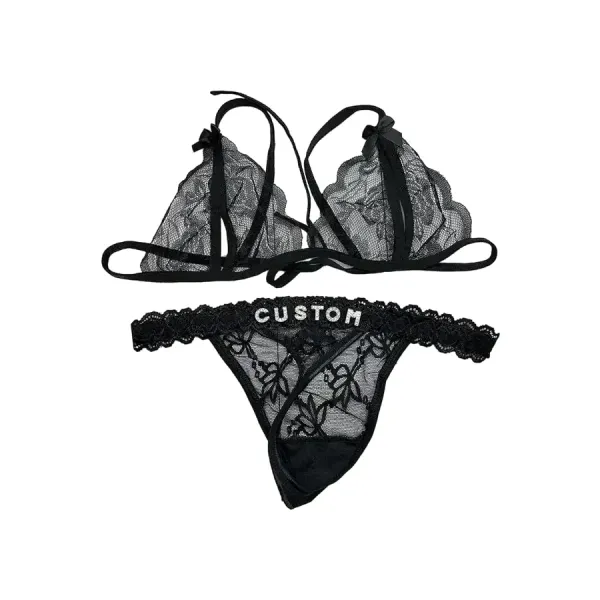
Lace Lingerie
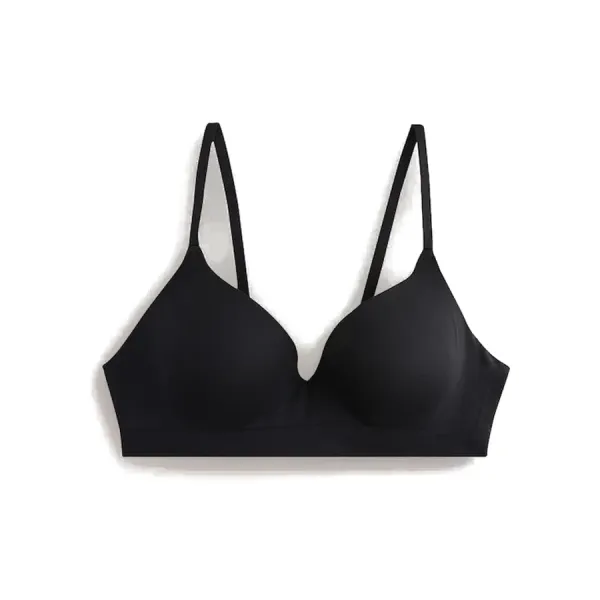
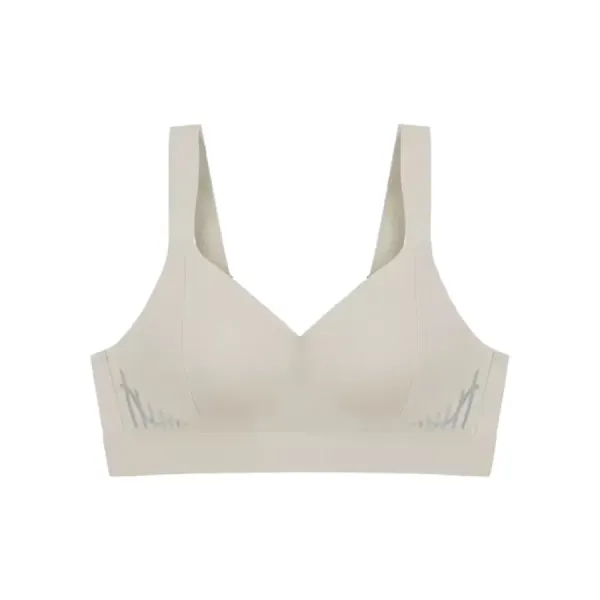
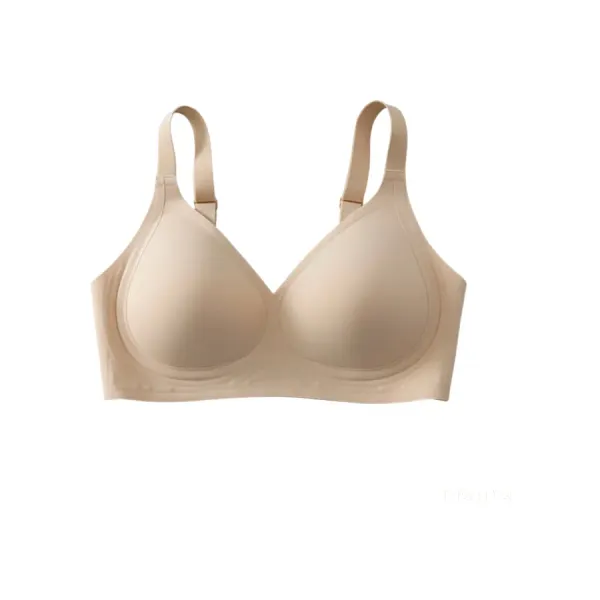
Seamless Lingerie
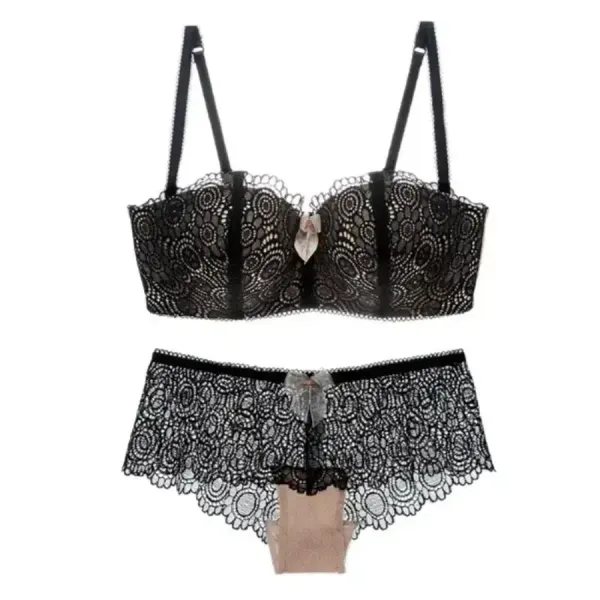
Luxury Lingerie
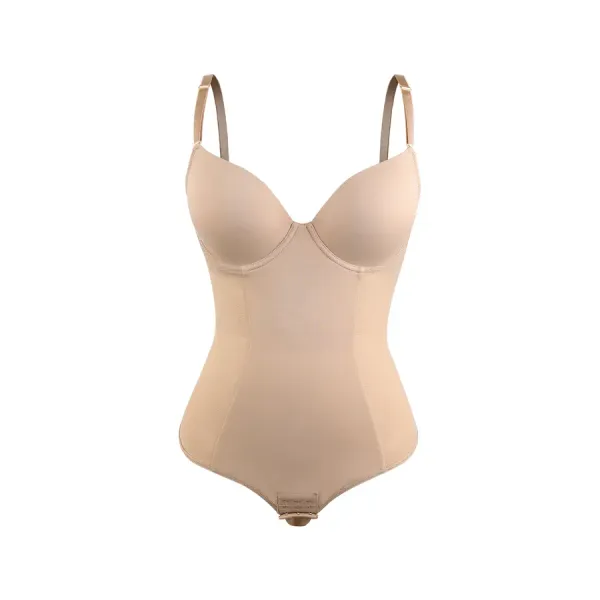
Shapewear
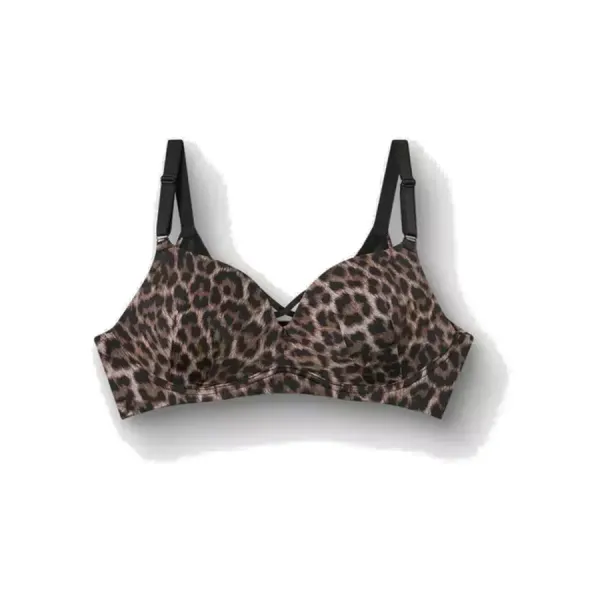
Plus-Size Lingerie
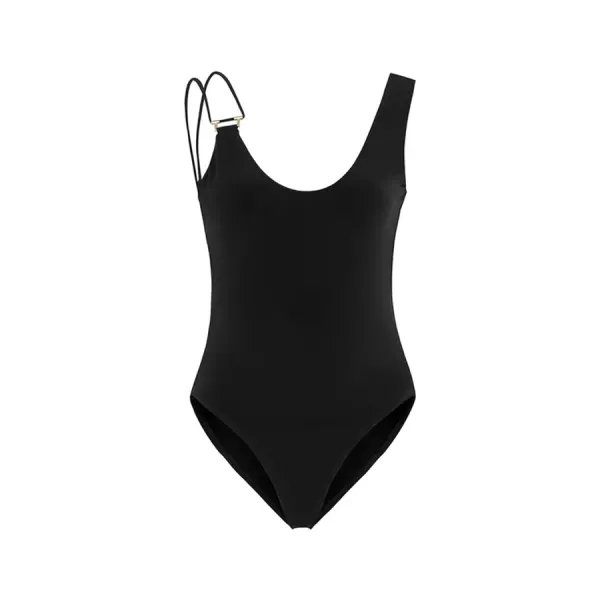
Bodysuits
Active Lingerie
Anti-Microbial Lingerie
Fit & Grading
A Bra Grades on Cup and Band — Separately.
Cup volume and band circumference move independently. The grading matrix below locks the tolerance and the sister-size cross-grade, so the default factory grade never sneaks in.
Band length
Relaxed & extended, so the cradle sits where it should. A wobble here is a back-ride-up in the box — the matrix below locks the number that stops it.
Cradle / centre-front width
Wired or wire-free, the width the gore sits on. Ties the two cups together — the seam that keeps the centre flat.
Cup apex width & height
Where the cup gets built to the cup volume, not the band. The number that decides the fit a shopper feels is set below.
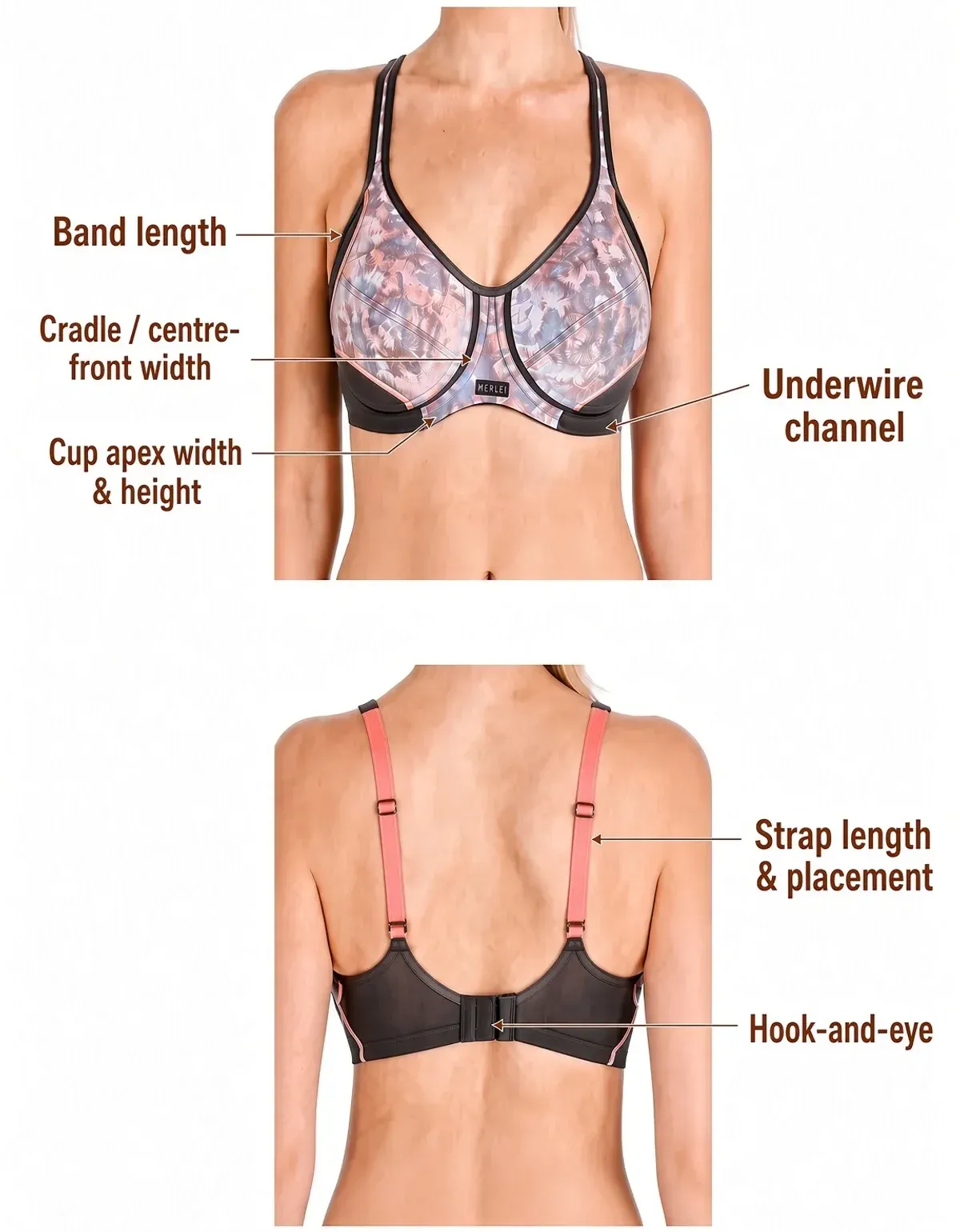
Underwire channel
Channel curve + wire-end caps so the wire never pokes. Wire gauge and flexibility speced. Bar-tacked at the stress point.
Strap length & placement
Placement and length graded to the cup, not the frame. Wider straps and longer bands for larger sizes.
Hook-and-eye
Rows and columns speced to the band. Pull-tested so the closure holds the full band tension.
Grading matrix & tolerance
Graded zone Tolerance Why it matters
Band length (relaxed) ±0.5 cm A half-centimetre of looseness is the back riding up by the afternoon.
Cup depth / apex ±0.3 cm Cup volume is the fit a shopper feels — tighter than the band by design.
Cup width (apex) ±0.3 cm Width and height are graded on separate scales, never one linear step.
Strap length ±0.5 cm Placed by cup volume, so a 32D and a 34C do not share the same crossing.
34C shares the same cup volume as 32D — the band drives the frame, the cup drives the fit. The pack states which components cross-grade, so the factory never applies a default instead.
Custom Lingerie
Lingerie, Tailored to Your Signature Details.
Lean on our designers to build bespoke pieces in your sizes, trims, and elastic widths — shaped to reflect your brand's identity, not a stock catalog.
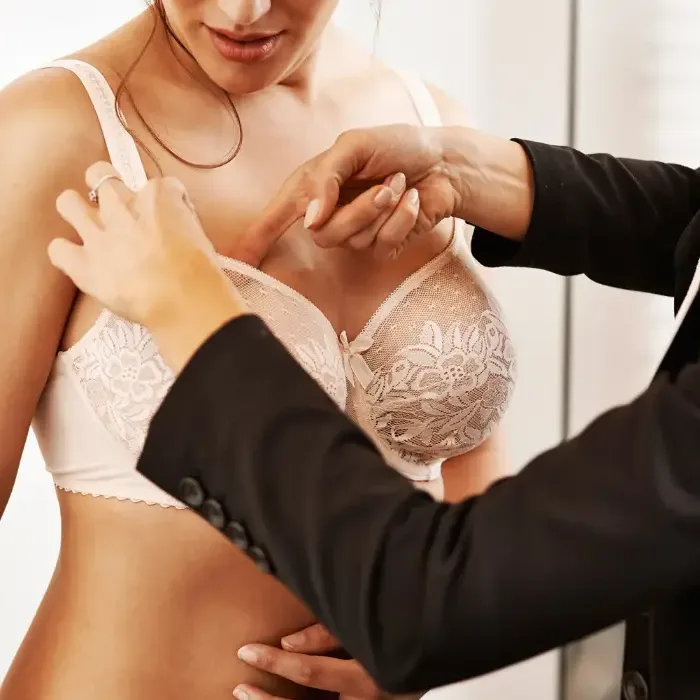
Perfectly Tailored Lingerie
- Available in XS-5XL or custom band/cup sizes for bras (e.g., 30A-44G), so lingerie can be tailored to fit any body type.
- Custom inseams (5-12 inches for bodysuits), wider straps, and longer bra bands for larger sizes to ensure a perfect, tailored fit.
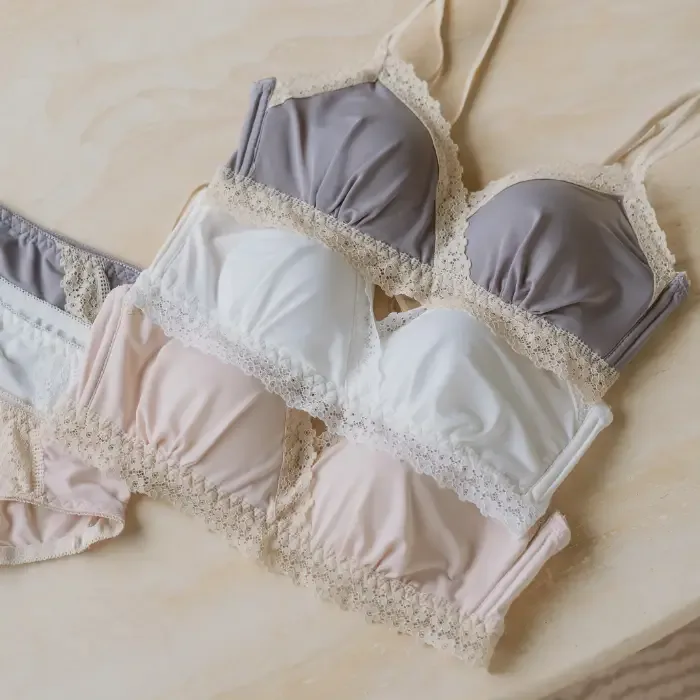
Custom Trims and Overlays
- Lace trims run in widths from 0.5 to 1.5 inches to suit various lingerie styles.
- Narrow trims (0.5-0.75 inches) add subtle elegance to bras and panties.
- Wider trims (1-1.5 inches) create bold looks for bodysuits, corsets, and decorative accents.
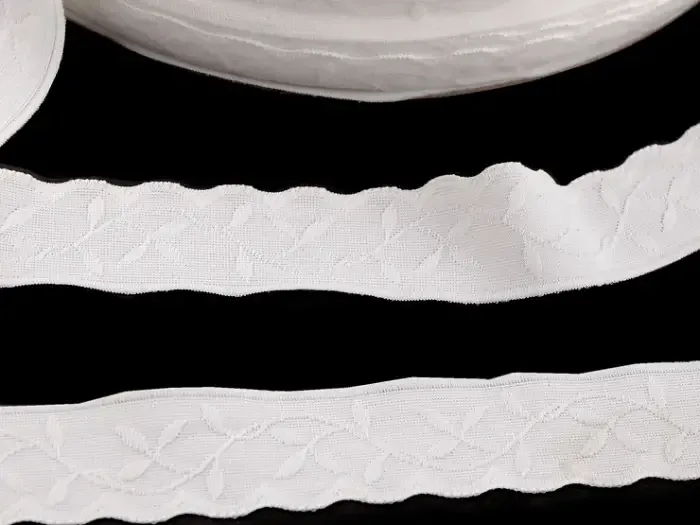
Elastic Width Options
- A variety of elastic waistband widths suits different lingerie styles.
- Narrow waistbands (0.5-1 inch) are perfect for delicate, feminine pieces like lace-trimmed panties or bralettes, providing a soft, seamless look.
Swift & Sustainable
Timely Delivery, Responsible Making.
A production line that ships in weeks and a process that treads lightly — the two promises that close a lingerie order.
Ensuring Timely Delivery for Your Custom Lingerie
As a custom lingerie manufacturer. An efficient production process delivers custom lingerie in 3-4 weeks. For urgent orders, a 1-2 week fast-track option covers up to 20% of orders. 95% of orders are trackable in real-time, and global shipping partners reduce international delivery times by 30%.

Through Responsible Manufacturing
As lingerie manufacturers, the custom lingerie uses low-impact dyeing, saving 1 million liters of water annually. Fabric is optimised to reduce waste by 25%, all scraps are recycled, and the facilities run on 50% renewable energy. Choosing this custom lingerie supports sustainability.
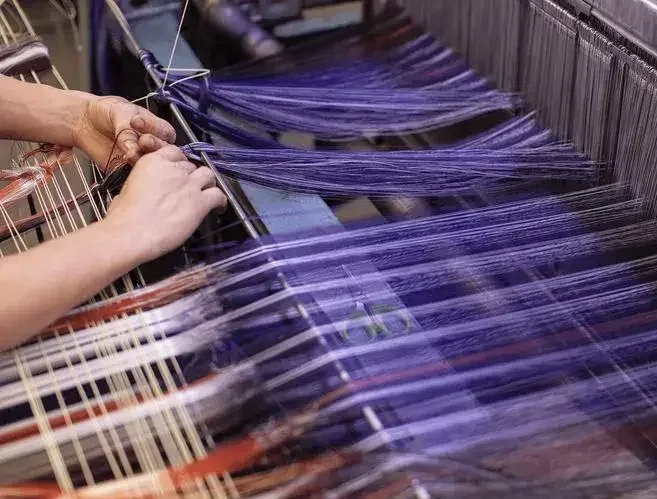
Our Process
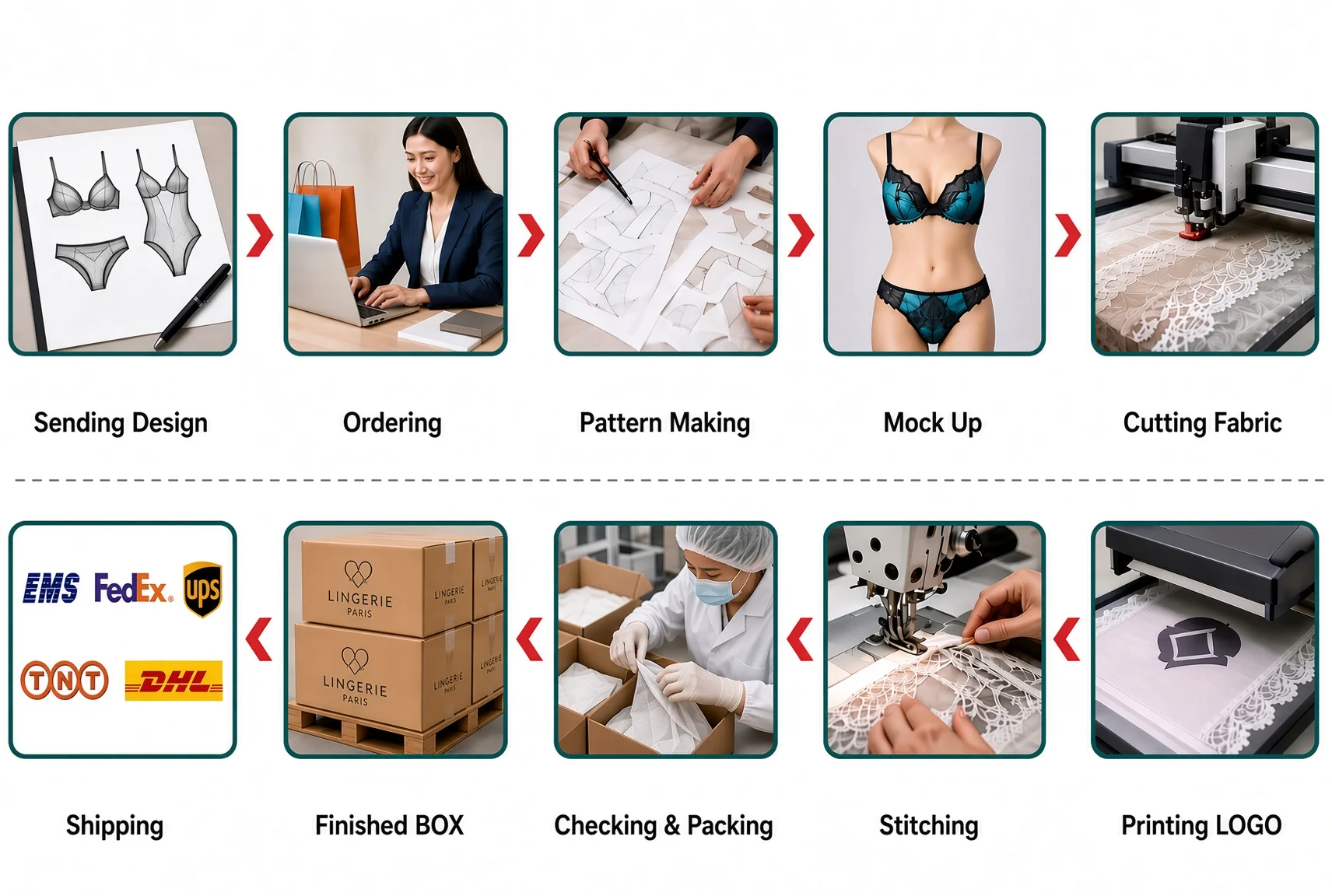
One Line, End to End.
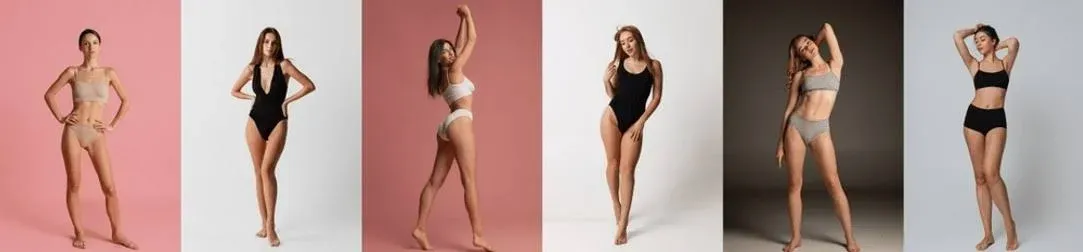
Design, pattern, cutting, printing, stitching, packing — the whole run on a single line, one vendor, no handoffs.
Get the Fit Right First
Check the Cup Before You Commit the Mould.
Send a sketch and the team comes back with a cup-grading recommendation, a swatch set, and a milestone-based quote — before any mould or metre is ordered.
What the Fit Taught Them
Two Buyers, Two Different Sizes of Run.
One founder launching on a stock mould, one buyer scaling a capsule — both landed on the fit and the paperwork that made it stick.
★★★★★
My last supplier called every bra "well made" and none came with a grade. Leeline put the band tolerance on the grading matrix I signed at the PPS — ±0.5 cm, so a 34C means the same thing in the box as it does on the table.
I only had sketches, no tech pack, and they still built the cup grading and BOM before the quote. The sister-size cross-grade told me exactly which components shift between a 34C and a 32D.
The stock-mould path was the honest answer to my size range. One mould per cup volume would have been tooling CAPEX I did not need at launch.
★★★★★
They were upfront about the minimums I kept hitting with other suppliers. The 100-unit private-label entry got me in the door, and they told me the dye-lot floor before I sampled — not after.
For a new collection I ran three silhouettes on one base fabric and one dye lot, so I got three SKUs against a single mill minimum. The trim list was all stock — no custom-milled lace at launch.
The OEKO-TEX Class II checklist shipped with the order. Every component that touches skin is tested on its own, so I do not have to defend a "skin-safe" claim to my shoppers.
Straight Off the Floor
Finished Lingerie, From Real Runs.
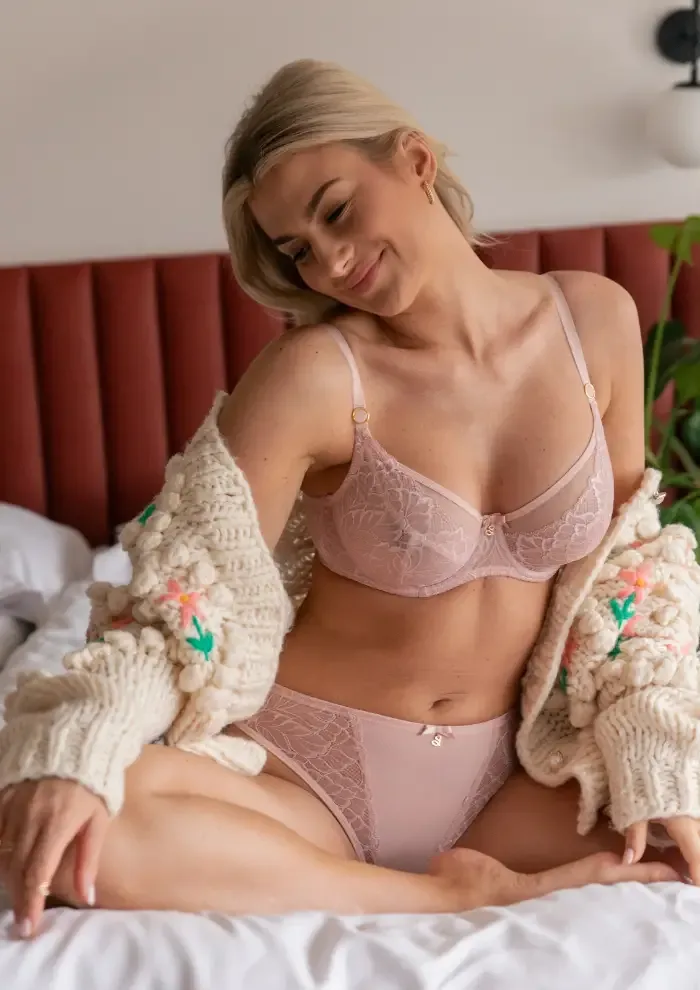
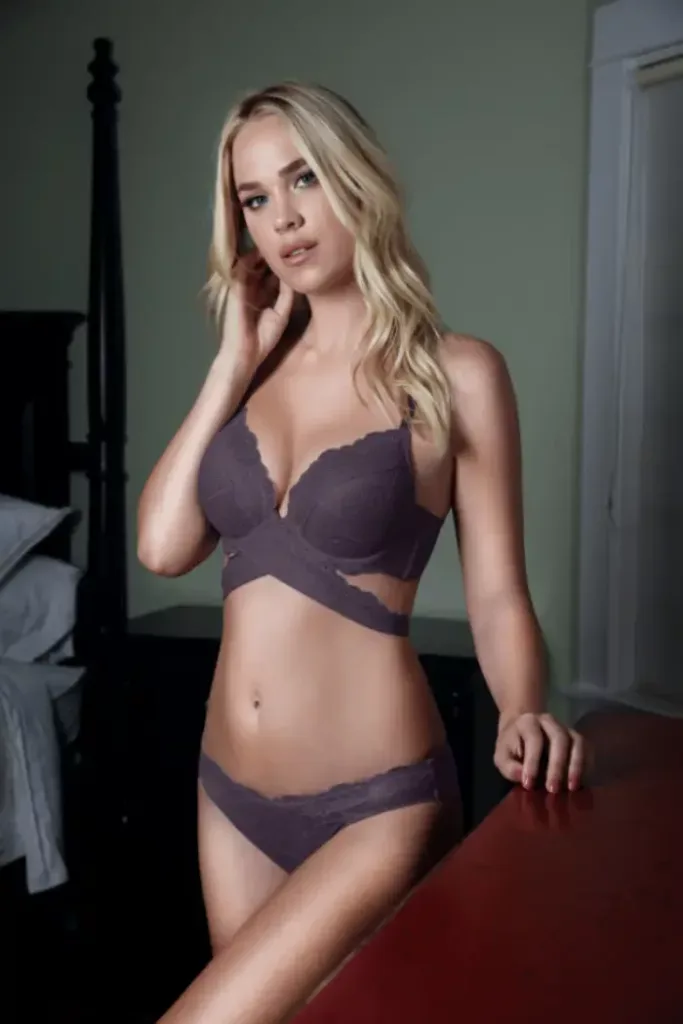
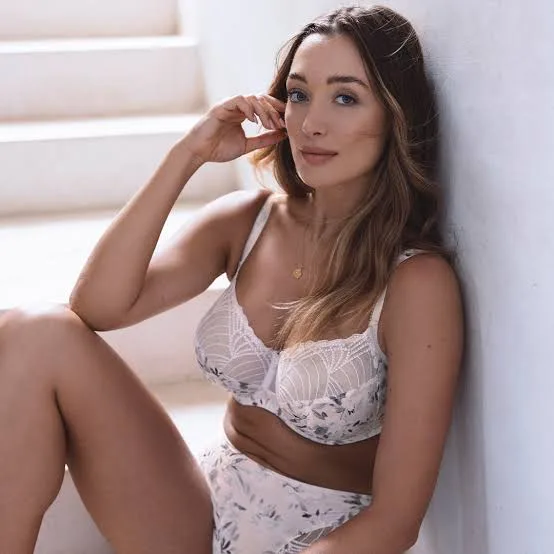
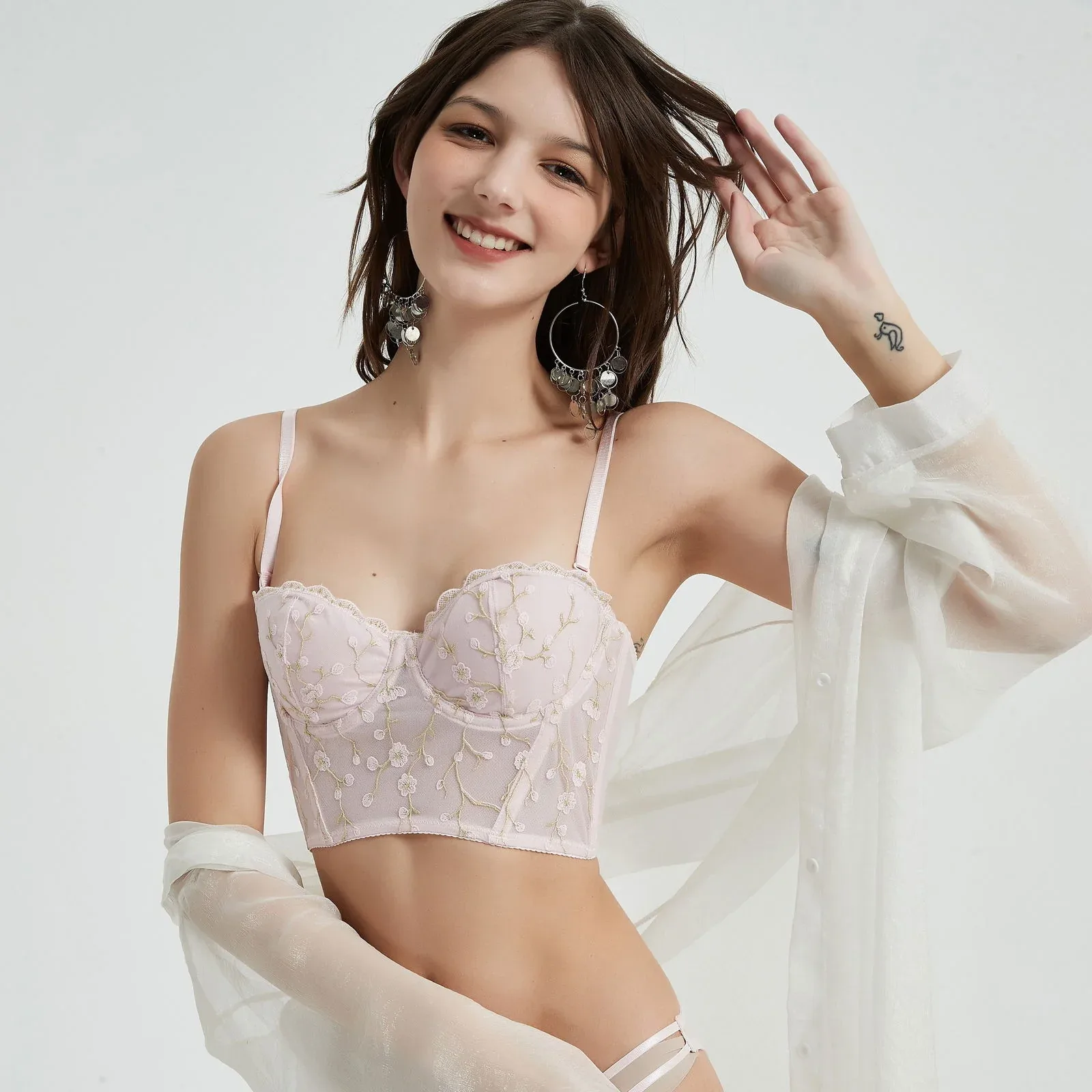
Lace bralettes, seamless sets, and full-cup pieces — cut, sewn, inspected, and shipped out of real production runs, not stock photography.


Lingerie Buyer Concerns
Frequently Asked Questions About Custom Lingerie Manufacturers
A factory says its bras "fit well" — how do I know the fit will actually hold?
Fit is a graded number, not a phrase. On this page the bra is graded to a band tolerance of ±0.5 cm and a cup tolerance of ±0.3 cm, and cup volume and band circumference are graded independently — they do not move on one linear scale. The matrix is set at the PPS with the sister-size cross-grade (34C shares the cup volume of 32D), so the factory never applies a default. If only sketches exist, the matrix is built before the quote.
What actually differs in a lingerie tech pack vs a t-shirt pack?
Five things. Cup grading with sister-size cross-grading. A BOM that lists underwires, foam cups, and elastics with width and tension %. POM and a grading matrix with tolerances (band ±0.5 cm, cup ±0.3 cm). Construction notes — 3-step zig-zag on high-stretch seams, SPI for delicate mesh, bonding or ultrasonic welding, and underwire channel finishing with wire-end caps. And hardware and finish sheets for hooks, rings and sliders, nickel-free to EN 1811 where required. If you only have sketches, the pack is built for you before quoting.
The seams on my last run puckered and the wire poked through. What stops that?
Two different issues, two fixes. Puckering is a stretch seam problem — solved with a 3-step zig-zag or 4-thread flatlock where the panel has to stretch, plus elastic speced by width and tension rather than one generic band. Wire poke-through is a channel-and-cap problem — the underwire channel is finished so the wire ends are capped, and the channel curve is speced to the wire gauge. Both are construction notes on the pack, and both are checked at the AQL inspection before anything ships.
My last supplier claimed recycled fabric that was never actually recycled. How do I verify it?
Recycled content only counts with chain-of-custody paperwork — a GRS Transaction Certificate — not a label or a marketing page. OEKO-TEX Standard 100 covers the chemical safety of the finish, which is a different claim. Greenwashing is a brand liability, so on this page the document ships with the fabric, not the adjective.
What is the real lingerie lead time — and where does it slip?
Sample development runs 2–4 weeks, fit revisions 1–3 weeks, grading and PPS 1–2 weeks, bulk production 2–6 weeks — roughly 5–14 weeks between brief and finished goods, before shipping. The slip is rarely the sewing line. It is the dye-lot or mould approval and the season (the October-to-February high season and Chinese New Year shutdown). Both are buffered into the written calendar timeline, not hidden behind a vague "4–6 weeks".
Get the Fit Right, Then Scale It.
Send a sketch or tech pack — get a cup-grading recommendation, fabric swatch set, and a milestone-based quote before a mould or a metre is ordered.