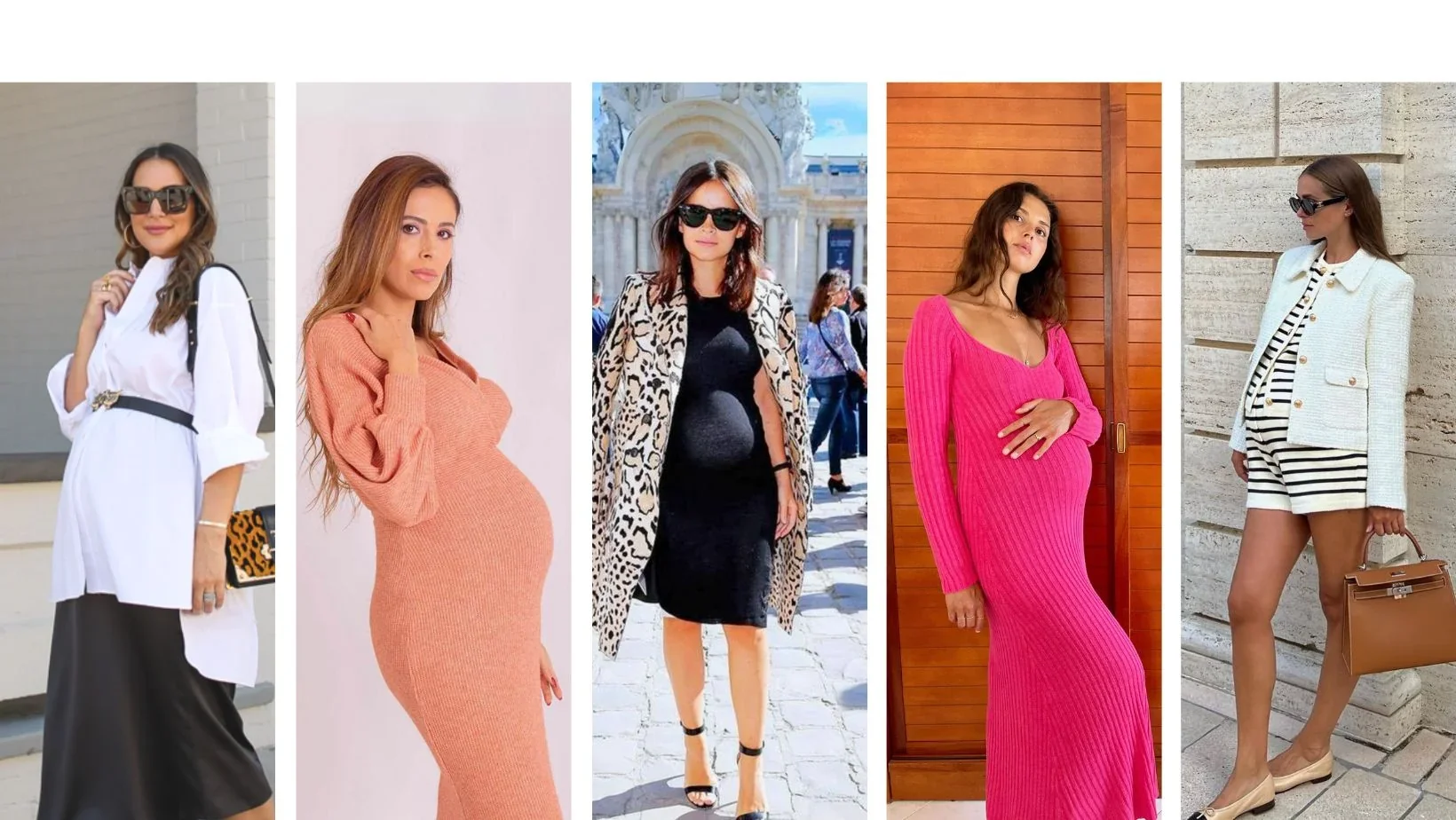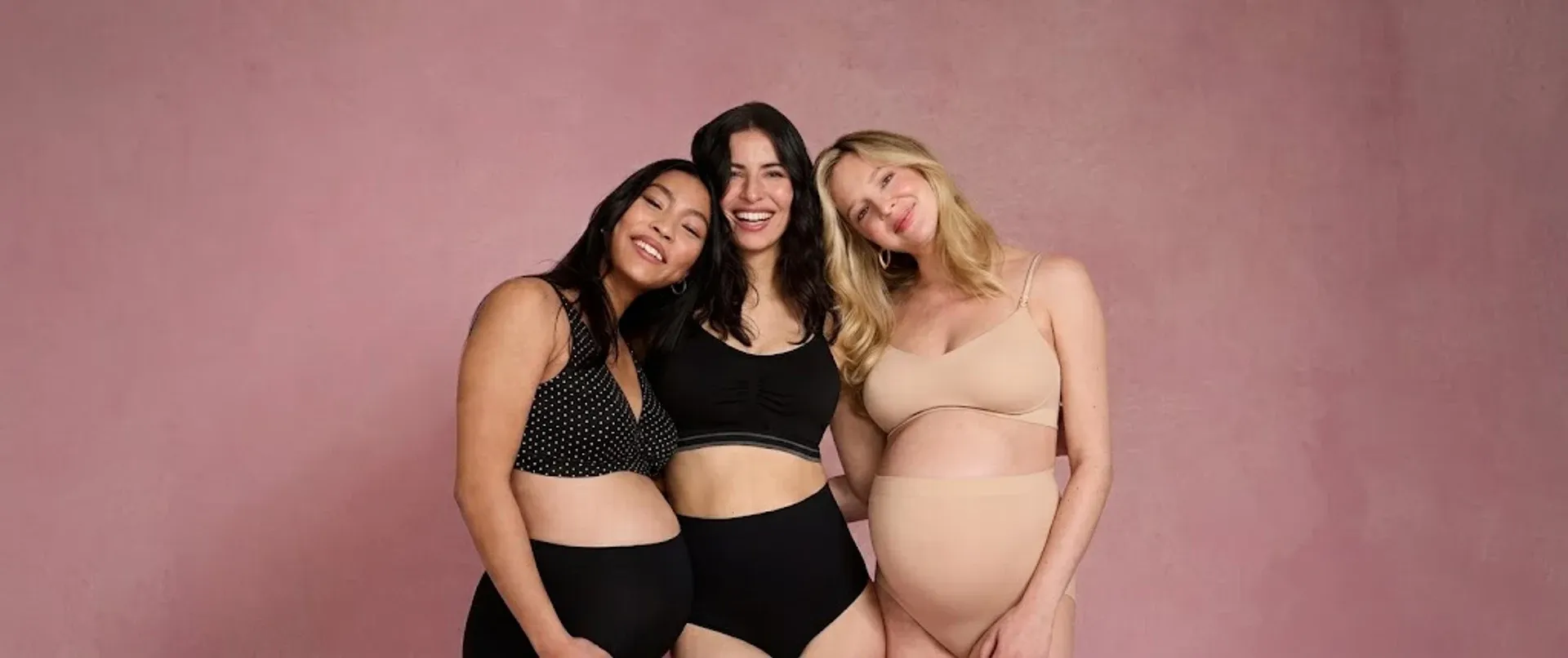
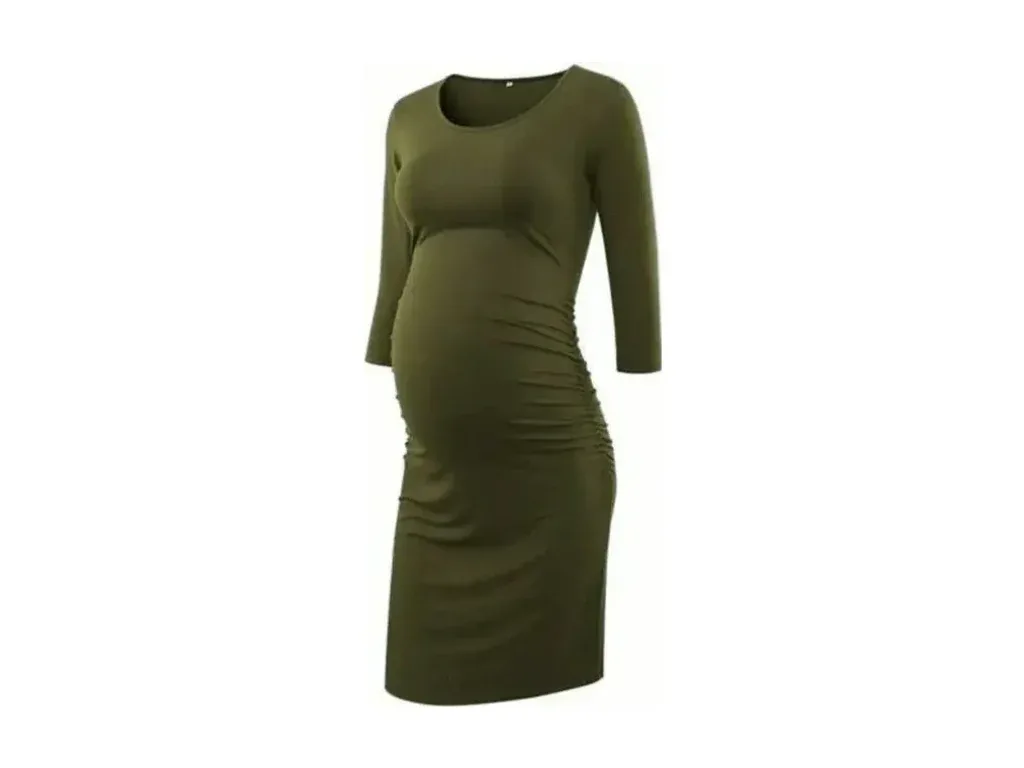
Maternity Dresses
- Side-ruched & empire cuts hide the bump, not announce it
- Front-rise balance keeps the hem level as the belly grows
- Wearable through the third trimester and after the bump
Trimester-graded patterns, knits that snap back after a late-term belly, and components tested to OEKO-TEX Class II — a 100-unit pilot run through monthly thousands, with design, fabric, QC and landed delivery under one roof.
Maternity Wear Collection
Core silhouettes, cut to your own pattern and grading — with the fabric, stretch and carry best suited to the trimester it serves.
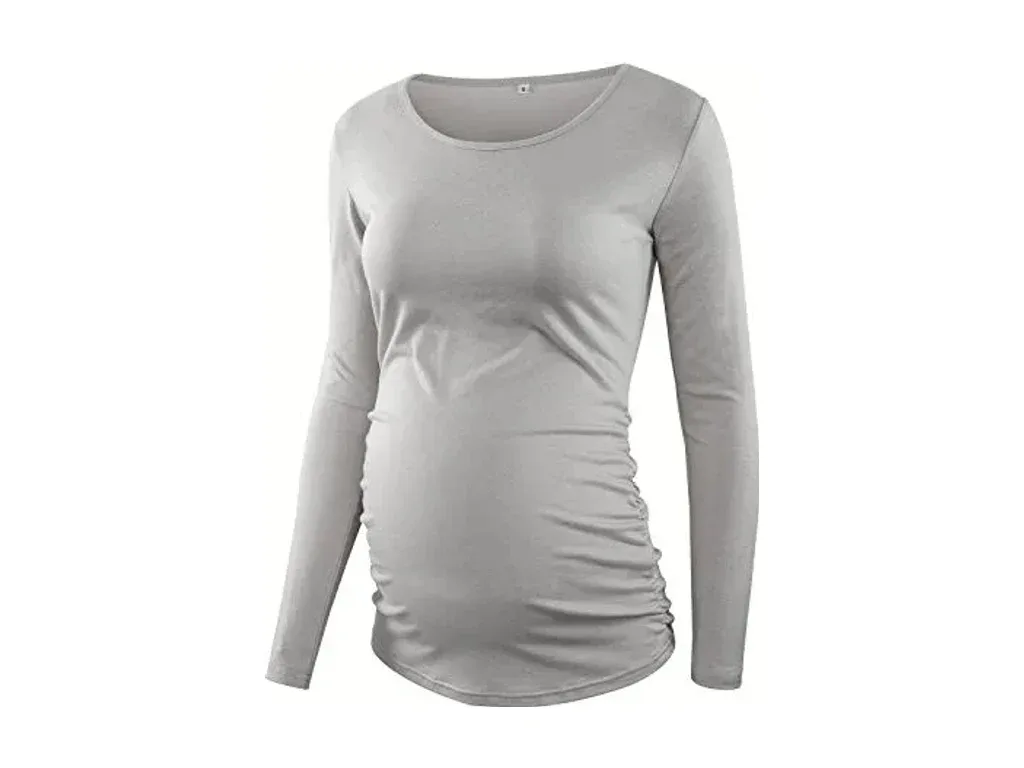
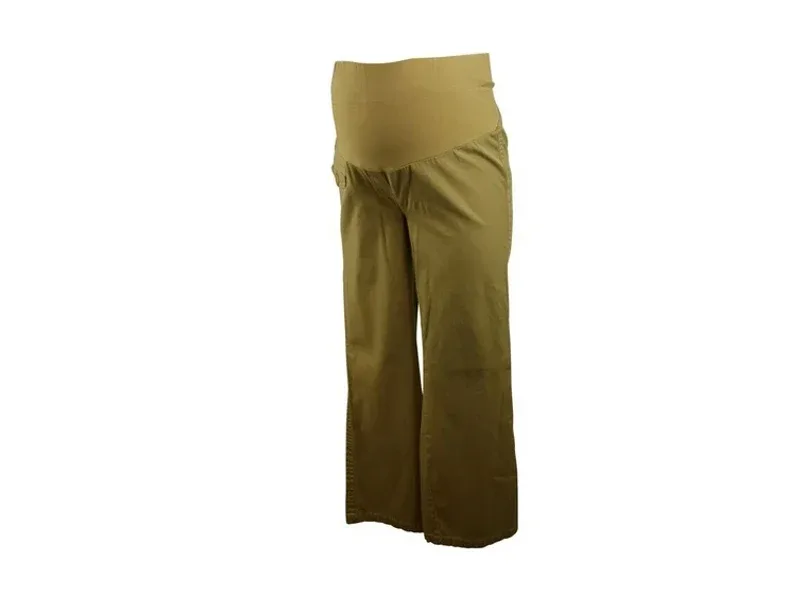
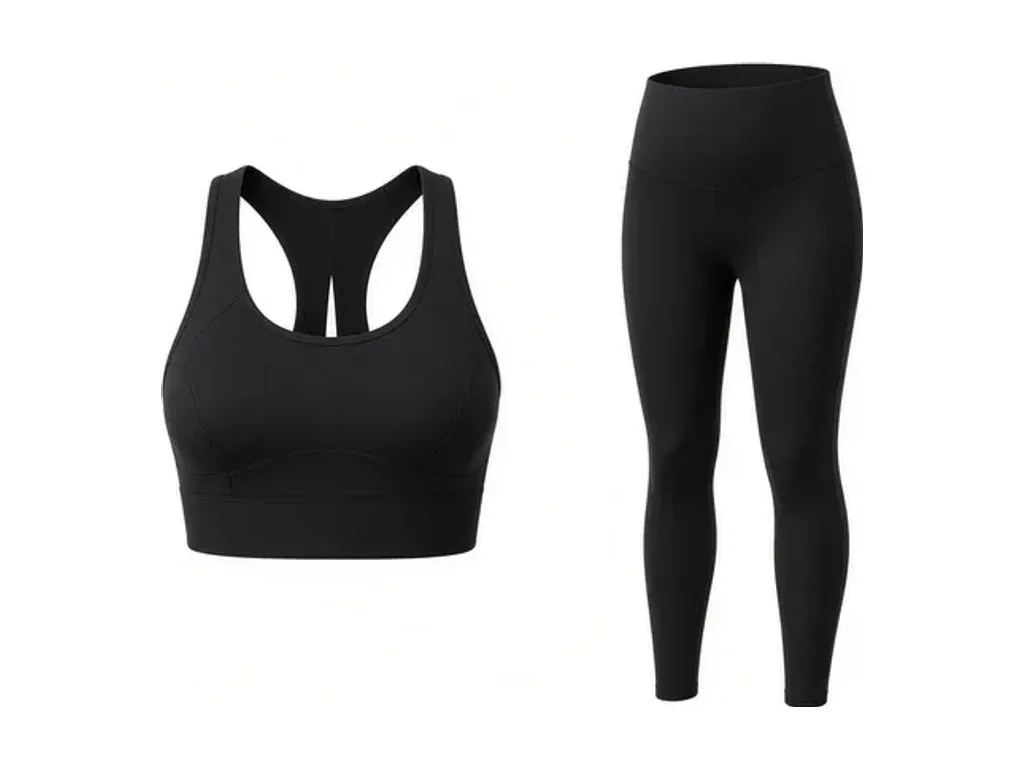
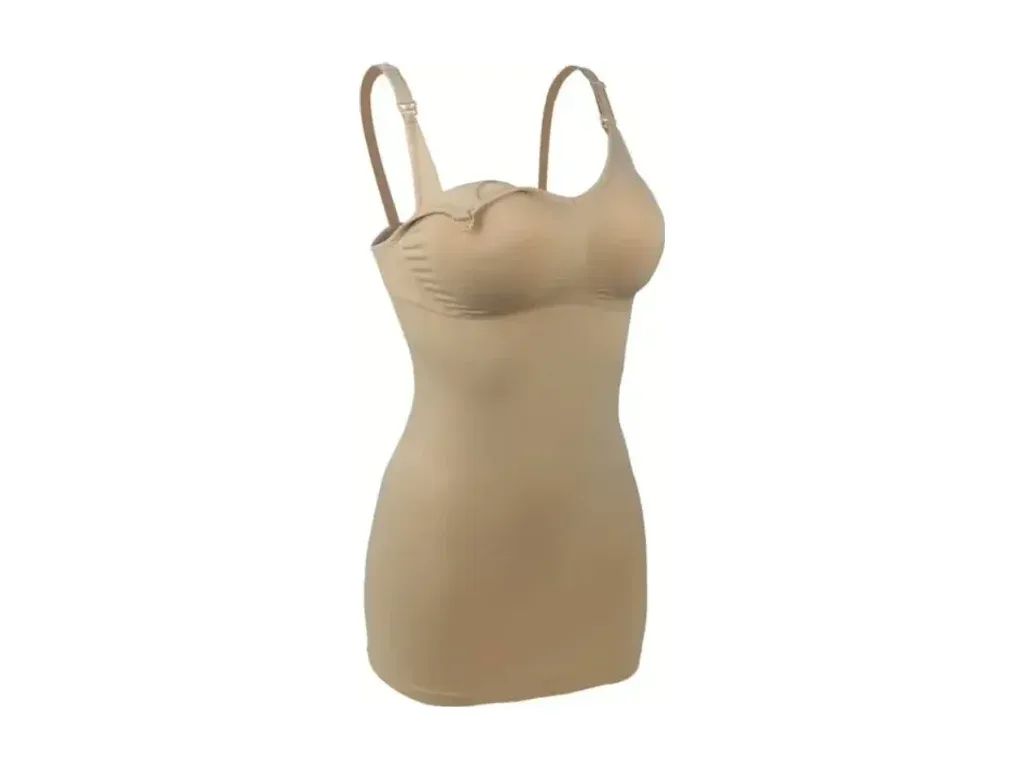
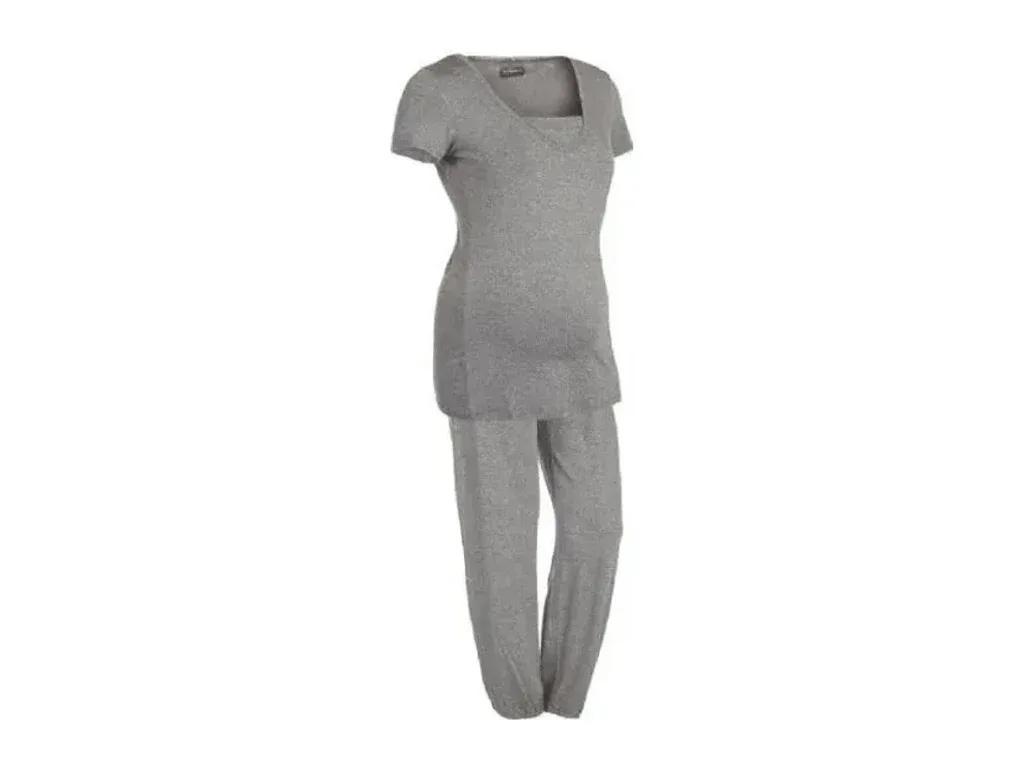
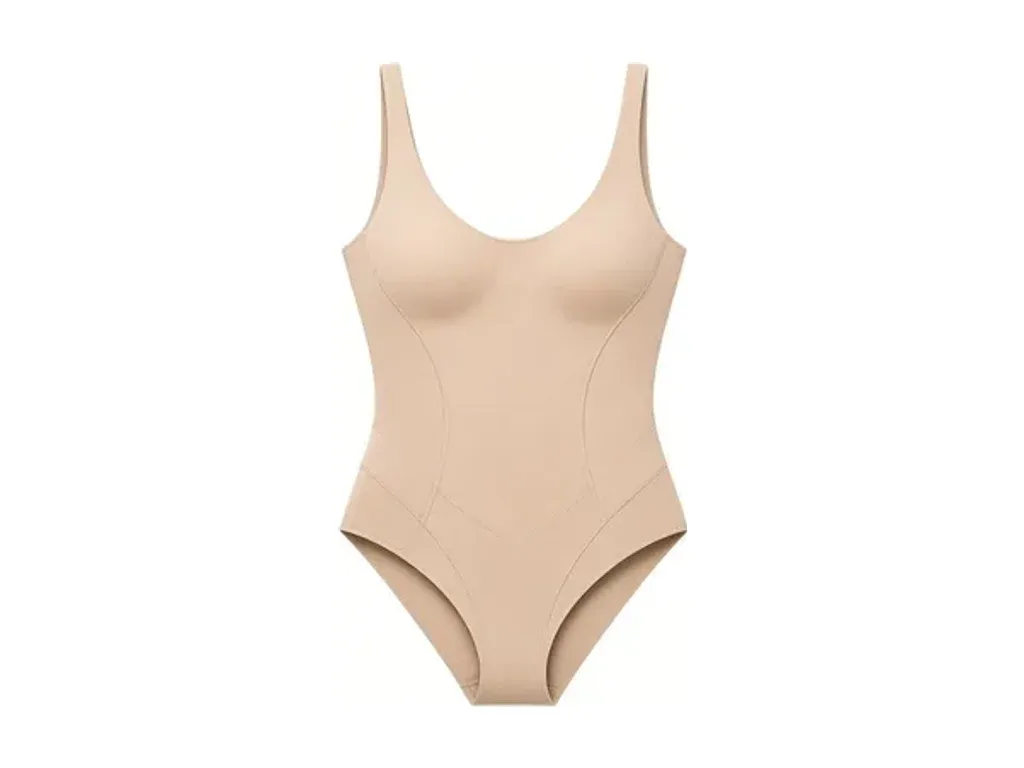
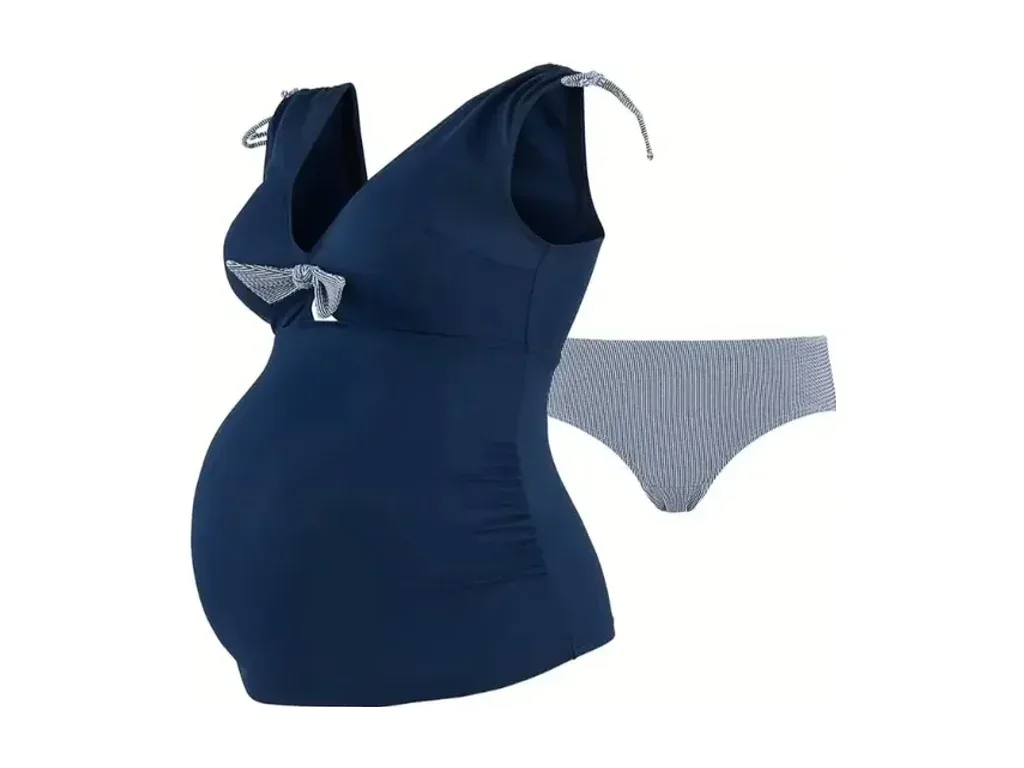
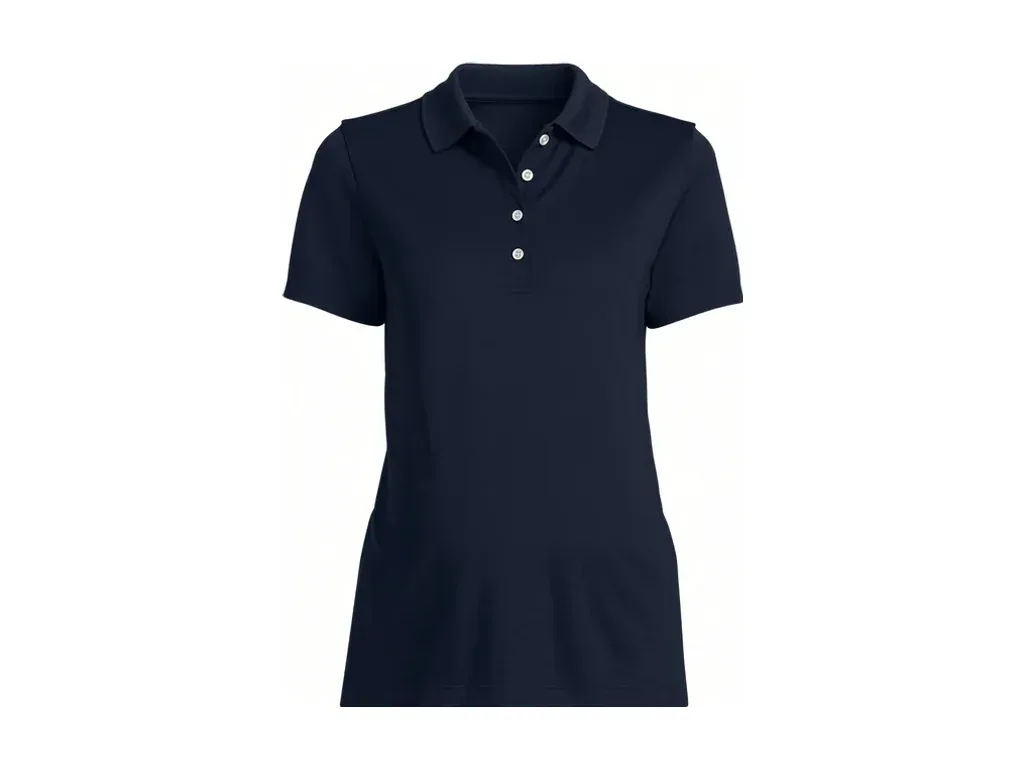
Fit That Tracks the Belly
A belly grows down and forward at a different ratio than the shoulders or bust. The grading, rise and panel work follow that curve — so the fit opens where the body grows and stays fitted where it doesn’t.
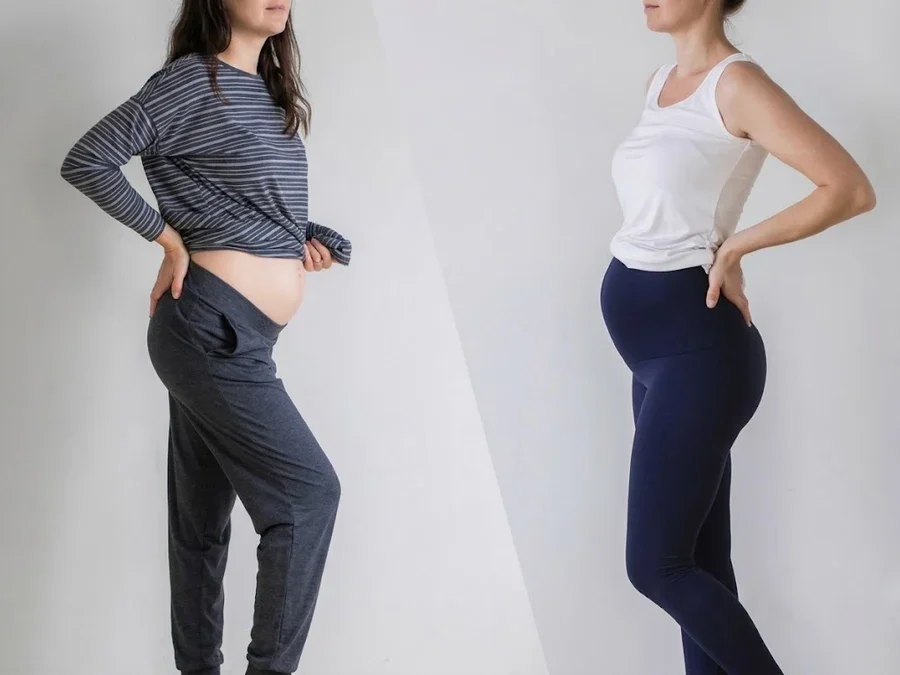
Bloating and slight weight gain, before a real bump.
Feels like everyday wear, not pregnancy wear.
A defined bump, and hemlines that start to hike in front.
Support through the shape shift.
Pelvic pressure, heavy-bust strain, and a need for give.
Give where the body grows, hold where it doesn't.
How the Fit Is Engineered
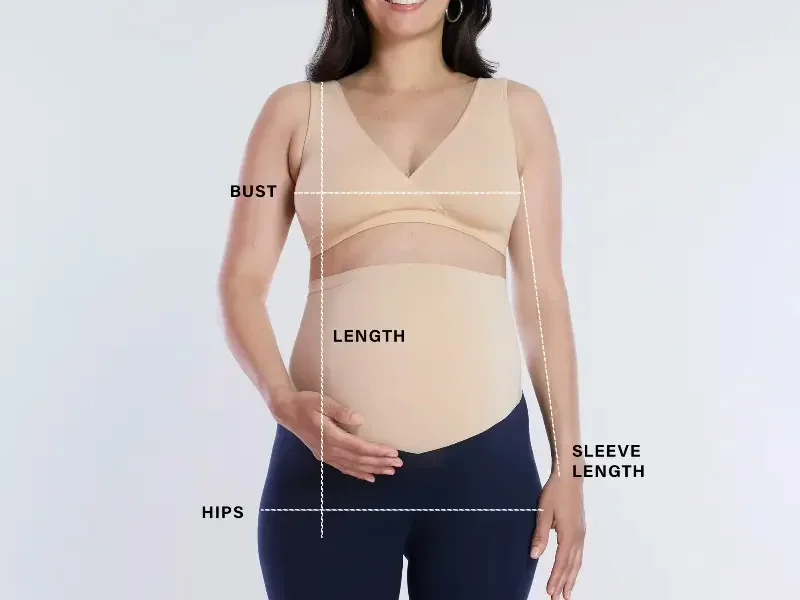
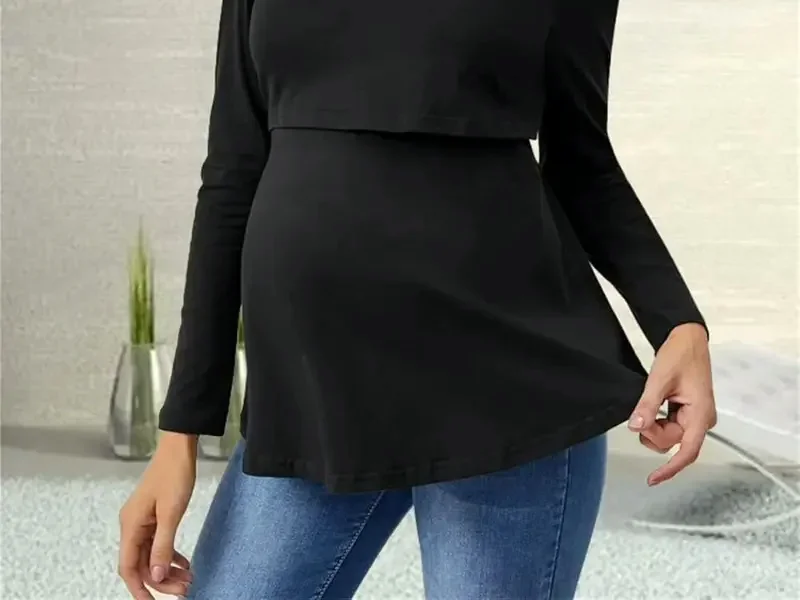
Advanced Maternity Fabric Technology
Longevity and comfort start with the fabric. These are the tolerances and targets spec'd to — measured, not claimed.
Below ~150 GSM goes sheer stretched over the bump; above ~300 GSM can overheat the wearer.
| Garment | Stretch | Recovery | Test note |
|---|---|---|---|
| Leggings & activewear | 60–80% 4-way stretch | ≥95% immediate recovery | Tested per ASTM D3107 after 50% elongation |
| Tops & dresses | 50–70% | ≥90% immediate recovery | ≤3% permanent set after 2 h relaxation |
| Support panels | 15–25% elastane | High-power hold | Everyday knits run 5–8% elastane |
| Bottoms & jeans | 10–25% spandex | No "baggy knee" | High-modulus stretch snaps back after wear |
Lab & QC Test Protocol
10–25% spandex or elastane for full recovery — leggings and jeans hold their shape and skip the baggy-knee look.
Stretch-tested for fabric density; bottoms stay near 100% opaque even stretched over a late-term belly.
Bamboo, modal and performance polyester with hydrophilic finishes that pull moisture off the skin and dry fast.
Long-staple, soft-hand fibers to limit friction on sensitive skin, with anti-pilling treatment that survives repeat washing.
Feel the Fabric Before You Commit
Request a swatch set or a 100-unit sample run — feel the weight, the recovery and the opacity yourself, before any bulk spend.
Feel the Fabric First
B2B buying starts with a hand on the cloth. These are the fabric families run against the maternity weight band — request a swatch set from the actual rolls and choose on hand, not on a spec sheet.
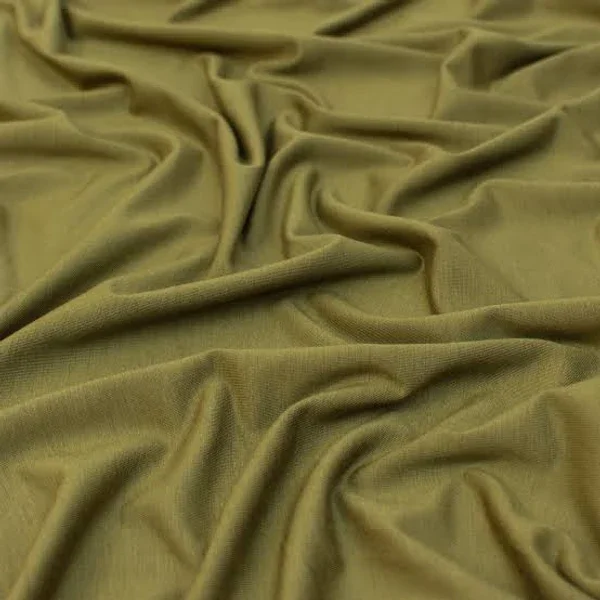
Third-trimester heat relief — stays cool and never clings.
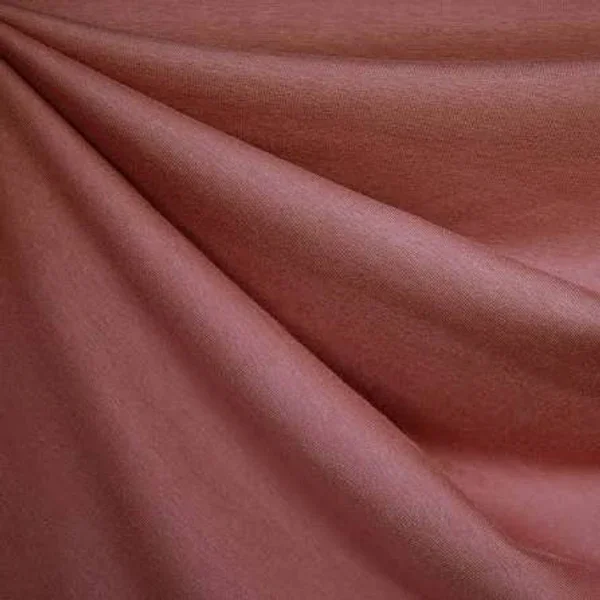
For sensitive pregnancy skin — no itch, no scratch.
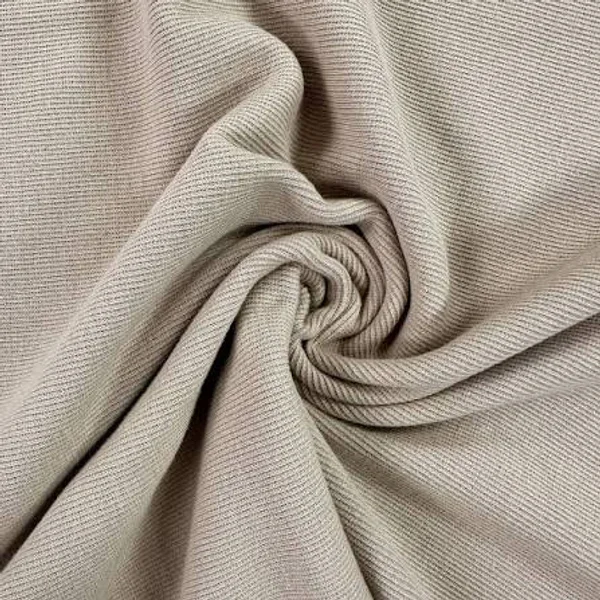
Bump-to-baby safe — nothing residual on the skin.
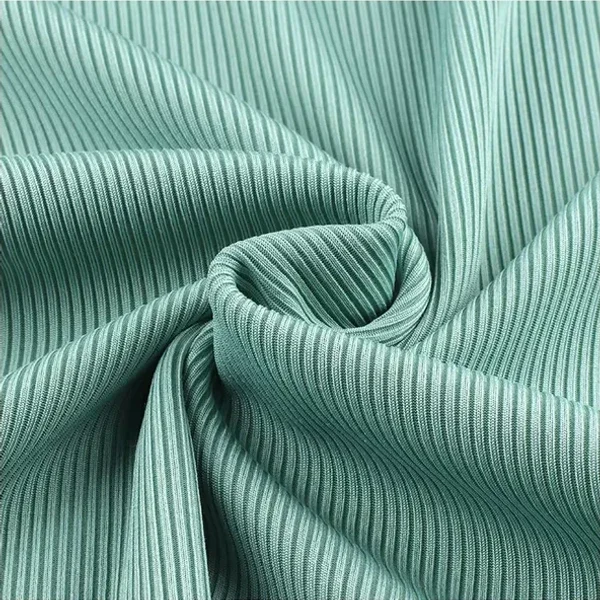
Active maternity — wicks sweat, dries in minutes.
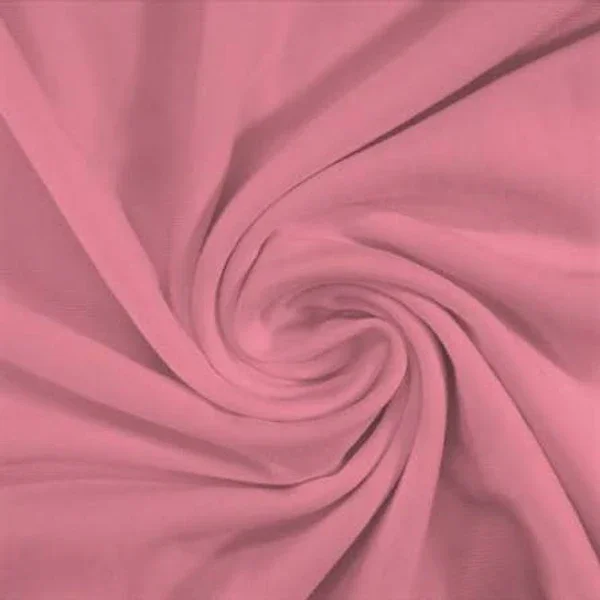
Full-bump opacity — no see-through, no sag.
Functional Design & Hardware Specifications
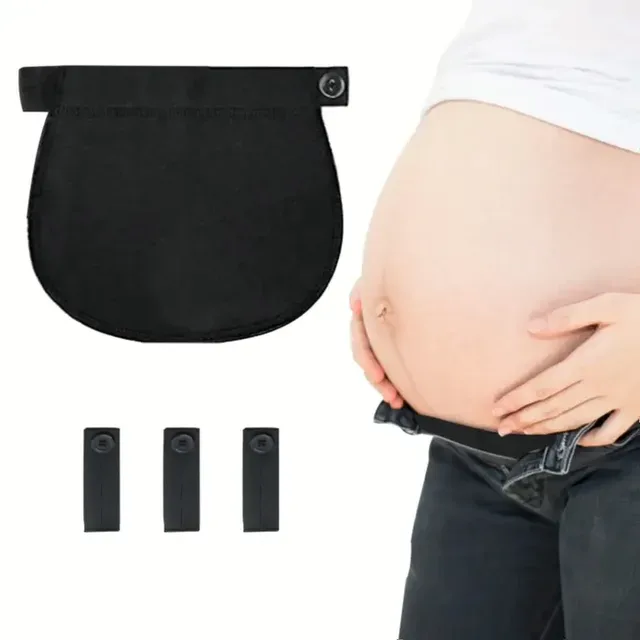
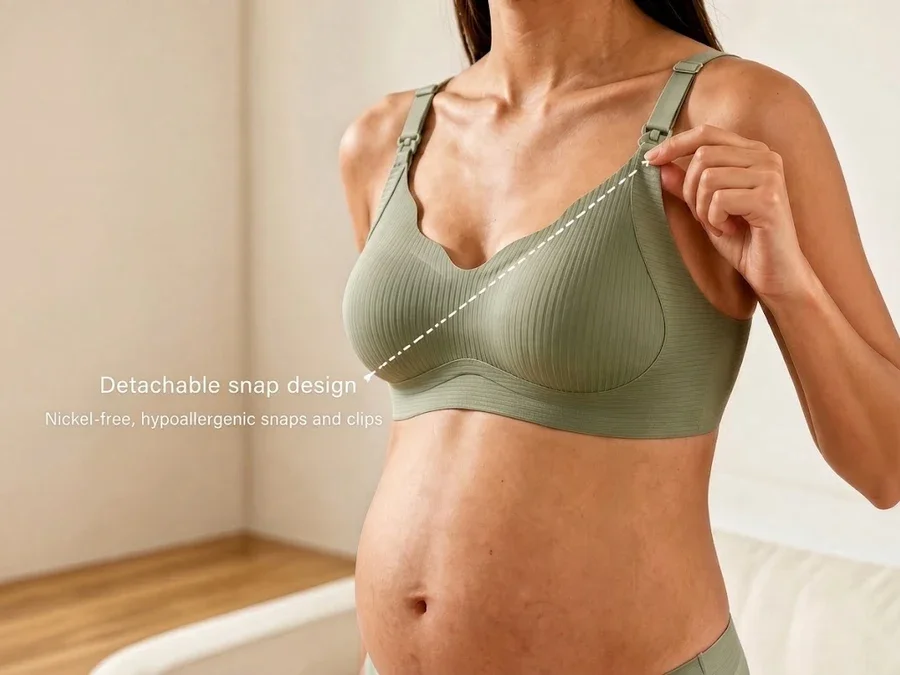
Pregnancy skin is sensitive. Every touchpoint — snaps, labels, elastics — is chosen to avoid irritation, and the waistband adapts as the bump grows.
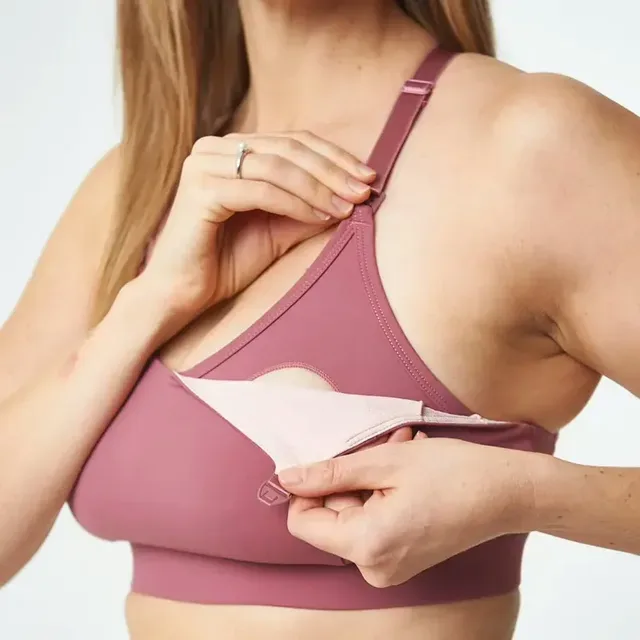
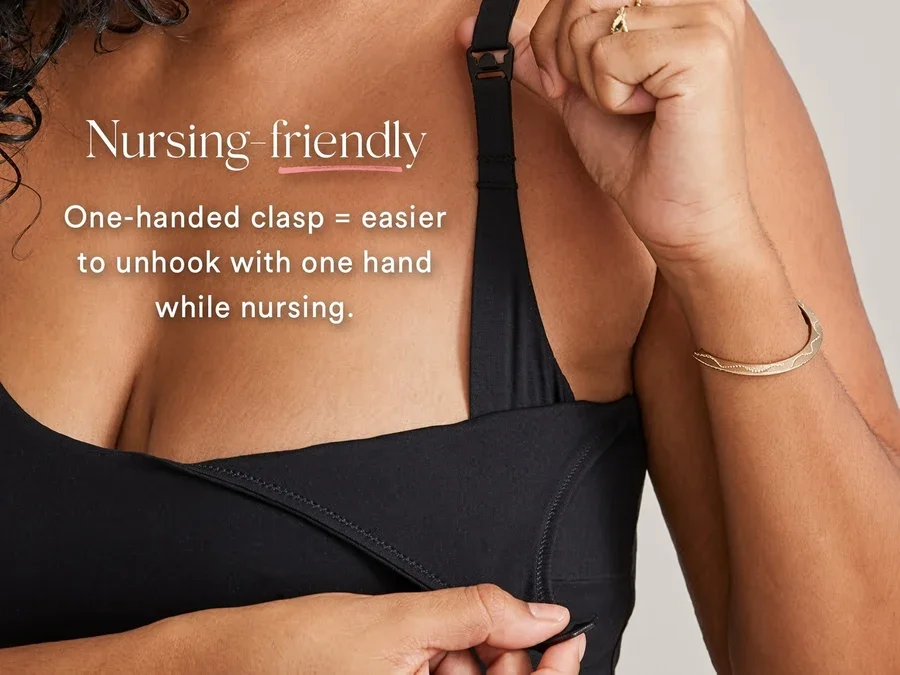
Nursing & Post-Partum, Covered
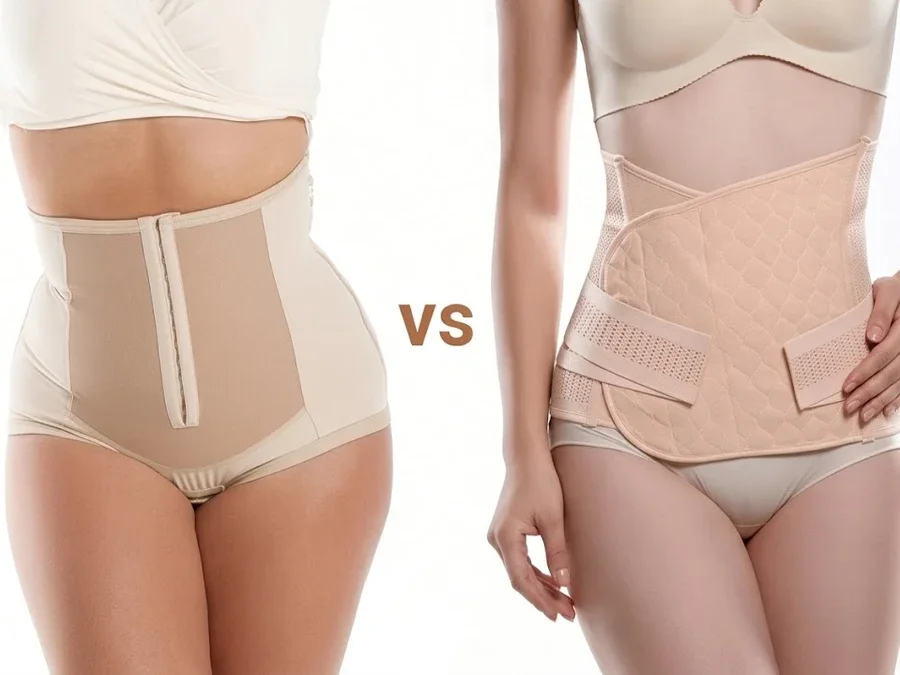
Maternity doesn't end at the bump — the same pattern has to carry a nursing line and a post-partum stretch. These four points are where that shows up on the buyer, not the romance.
The Difference
Most factories serve maternity by scaling up a standard pattern — and it shows. These are the four places the gap is easiest to measure before you commit.
| LeelineApparel | Typical Suppliers | |
|---|---|---|
| Pattern Grading | Grade rules built for the bump — shoulders stay fitted while the belly grows | One straight size-up; seams drift and hems ride up by the third trimester |
| MOQ Entry | 100 pieces per style, colours and sizes mixable within the style | 500–1,000+ minimums, or stock blanks with no pattern flexibility |
| Opacity & Recovery | Weight band and recovery tested to a written tolerance — no show-through, no sag | Stock knit, no GSM tolerance and no stretch, recovery or opacity measurement |
| Component Certification | Component-level certification — thread, elastic, snaps and labels all tested, not just the shell | Shell-fabric certificate only; elastic, snaps and labels unverified |
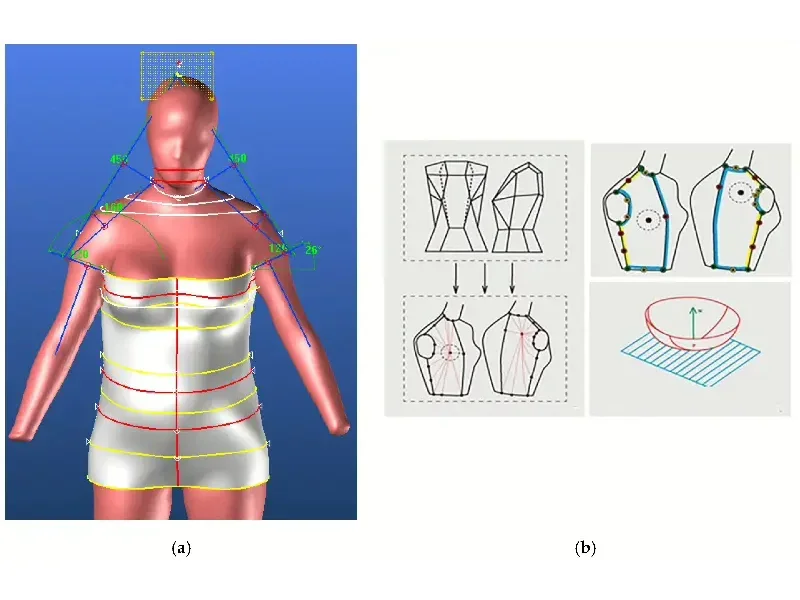
| Fit Before You Cut | 3D drape and tension check on a pregnant-body avatar before a yard is cut | Paper pattern on a dress form; fit problems found in bulk |
From Maternity Brand Founders
Independent brands and wholesale buyers — all launching maternity wear that actually fits.
Finding responsive maternity wear manufacturers was the nightmare. Other factories just sized up a standard pattern; Leeline suggested seamless knitting to support the growing bump.
Our custom prototypes came back in 4 days, not the quoted 5, and the fit was spot-on — down to the belly-band width.
The nursing collection now has a 0% return rate. Clients feel secure and covered even at 38 weeks.

We've worked with several overseas maternity wear manufacturers, but Leeline is the only one that truly understands maternity-specific QC at scale.
Since switching production, our defect rate dropped to 0.1% while procurement costs fell 20%. They handle fabric sourcing through custom packaging.
The 100-unit pilot let us test a new belly-band style without gambling a full MOQ — it scaled to 1,000 units the next drop.

From the Production Floor
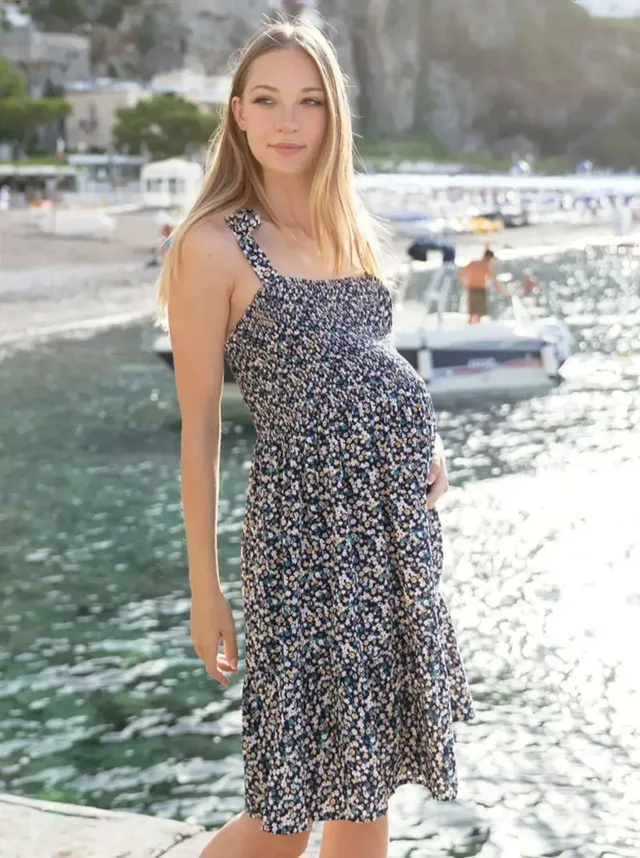
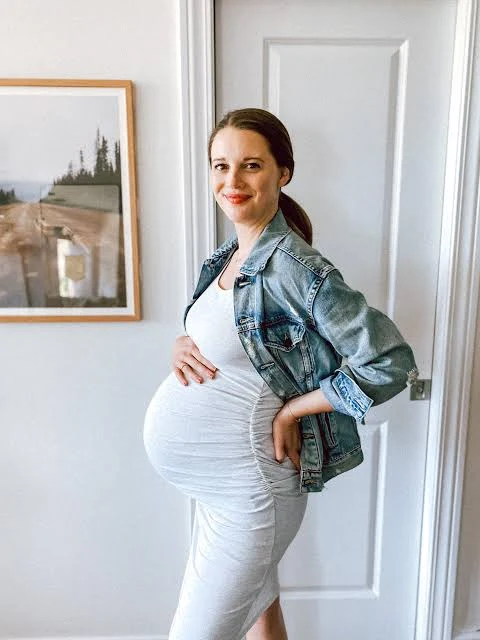
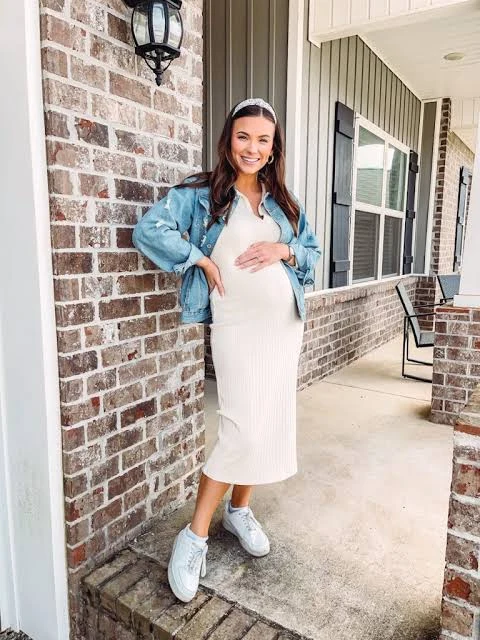
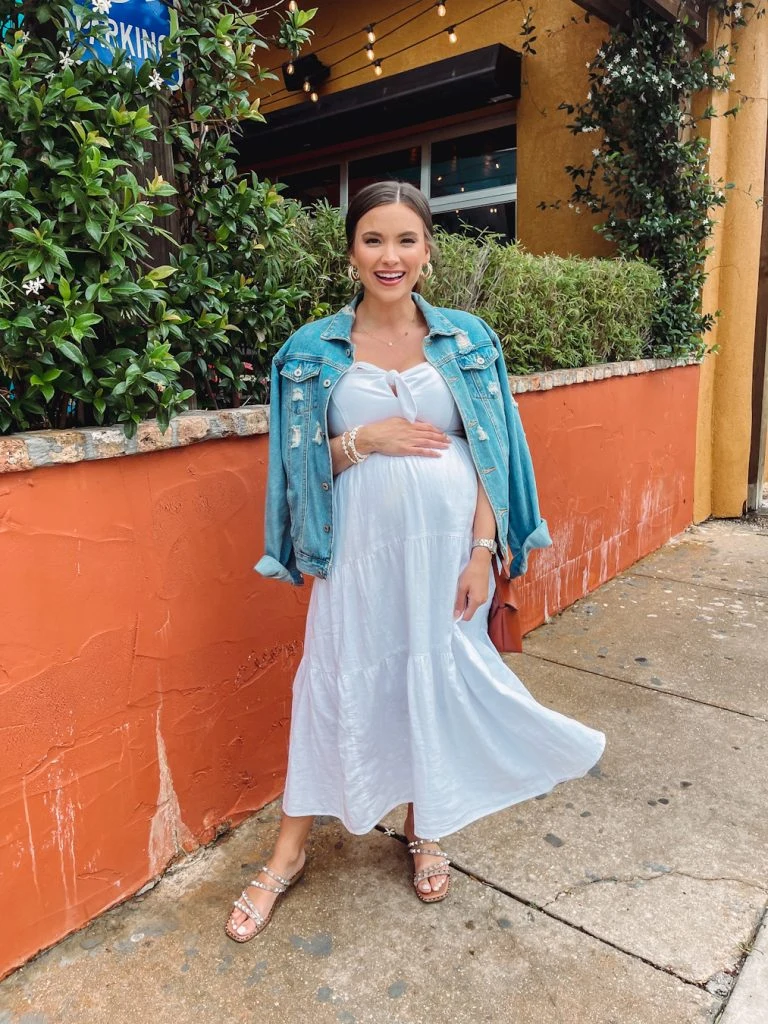
Finished goods that passed AQL inspection — real maternity wear cut, sewn and shipped by the team behind the page.

Maternity Wear FAQ
Because grading is done by trimester, not by a single size chart stretched across them. First, second and third-trimester fits get their own grading — front rise, belly-bump curve and side-seam angle redrawn per cohort. Trimester-graded means a late-term belly opens the bump, not the shoulder line, so nothing slides or rides up. A 100-unit proto through thousands a month keeps the same graded pattern.
That comes down to recovery, not stretch — and permanent set is what gets tested, not just elongation. Most maternity knits offer 60–80% four-way stretch, but what carries a garment through a whole pregnancy is what bounces back: ASTM D3107 drives a target of ≥95% immediate recovery with permanent deformation below the industry carryover. A stretched bump panel returns to its original width after washing instead of sagging by week two.
It will — that’s where a regular T-shirt knit fails in the third trimester. Weight and cover factor are gated to ISO 3801, with a default that runs a little heavier than a regular tee (at a ±5% tolerance). Below roughly 150 GSM, it’ll flash translucent wrapped over the bump. A light hand isn’t bought with a thin GSM — it comes from the yarn structure and recovery holding opacity without overheating the wearer.
It’s what most factories do to save time — and it shows up in the third trimester: side seams drift toward the belly and the front placket gapes. Rather than proportionally scaling a regular pattern, the draft is rebuilt from a pregnant avatar — belly-bump curve and front rise graded separately, with non-linear size grading. A 100-unit proto runs a 3D drape and tension check on a pregnant-body avatar first, so shifting side seams get solved before cutting — not after bulk starts.
No — nursing and post-partum construction are standard, not chargeable add-ons, and they don’t raise the minimum. A nursing opening is drafted into the pattern at the grading stage rather than sewn on later, so it adds no extra MOQ; post-partum fits can take a supportive panel and adjustable lining. This workflow helped one maternity brand hit a 0% return rate on its nursing line — the function is a default, not a feature.
Yes — if it’s an ordinary elastic waistband. The response is an adjustable waistband system: button-hole elastic, over-the-bump or under-the-bump, sized to the target market and bump. Under-the-bump takes the weight, over-the-bump frees the belly room, and it pairs with nickel-free hardware and zip garages so nothing hard presses on the skin. The whole waistband passes a late-term drape check — slipping, roll-down and stomach pressure all ruled out.
Yes — the graded pattern and bulk construction are locked at the PPS stage. Starting at 100 pieces, once the pre-production sample is signed off, the grading spec, fabric and seam density all lock into the tech pack; scaling adds capacity, not a re-draft. Fabric is bought on the same production runs to avoid per-batch color shifts — so what you validate small doesn’t drift big.
Stuffiness is the most common maternity complaint — the fix is breathable structure, not a thinner fabric. Everyday maternity sits in the 180–250 GSM band with skin-friendly knits, holding late-term cover without trapping heat. Fabrics are pre-washed before sewing to strip factory odour and reduce skin and infant contact risk, and skin-touching components are certified for infant contact. It’s "like wearing nothing" — rather than "supported but uncomfortable."
Send a design brief or tech pack — get fabric, certifications, per-unit cost and a timeline in one business day.
Start typing to find articles
No articles found
Try a different keyword