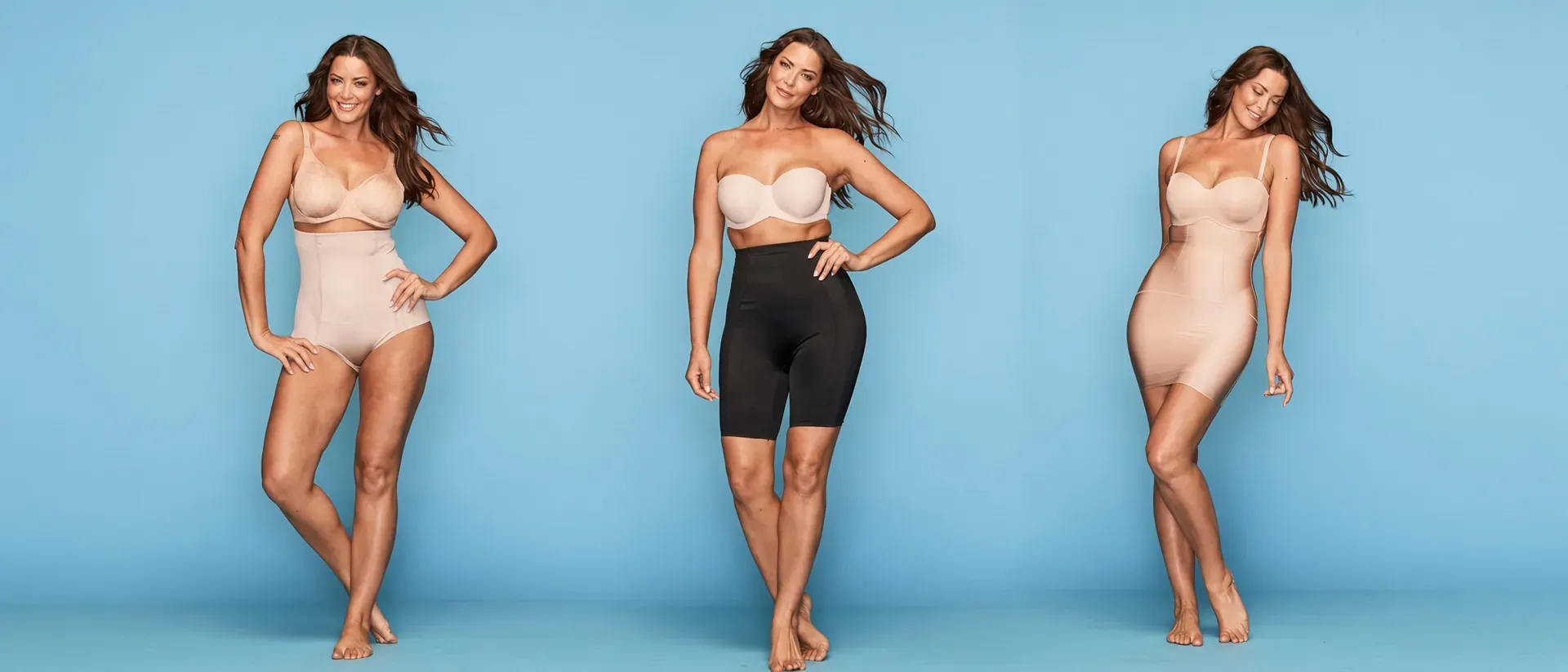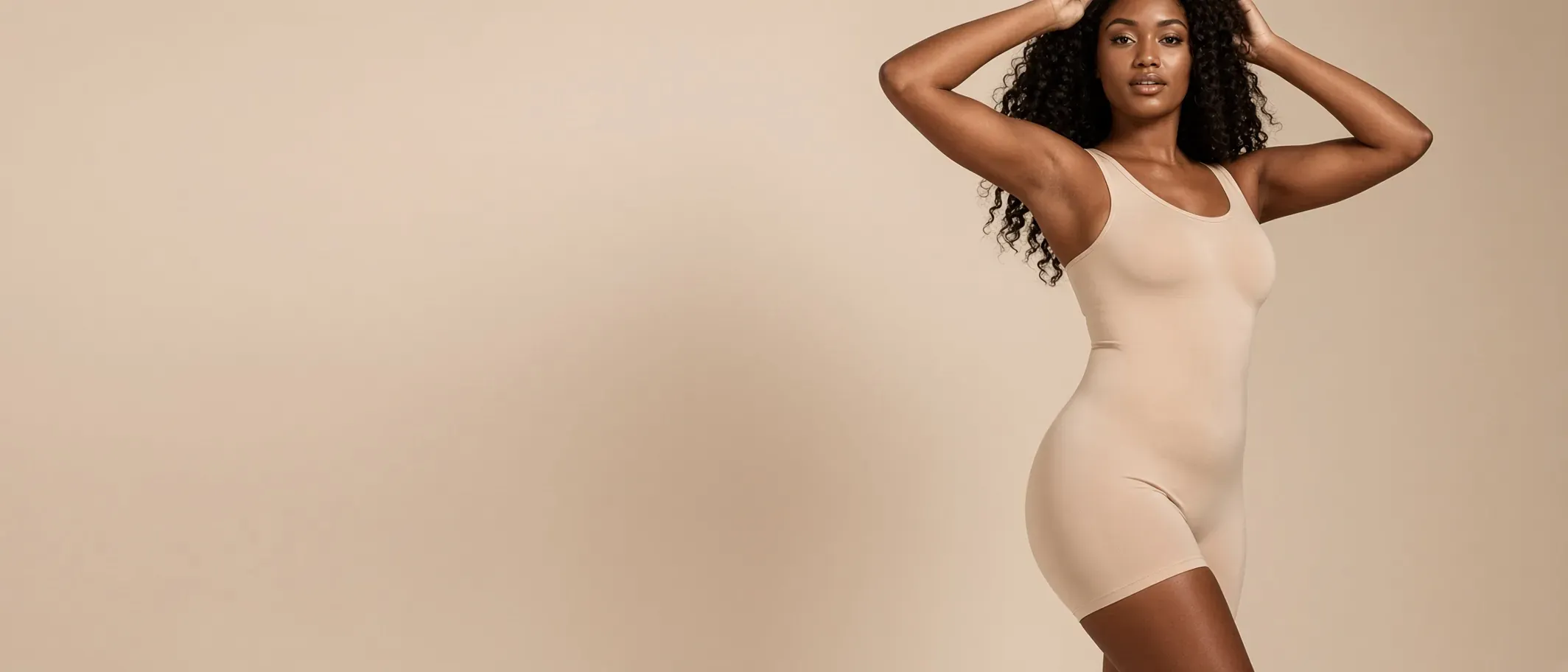
- No side seams or cup lines to show through a fitted dress.
- Knitted straight into the cloth, so the surface stays uninterrupted.
- Light-to-firm hold that smooths without a single bulky panel.
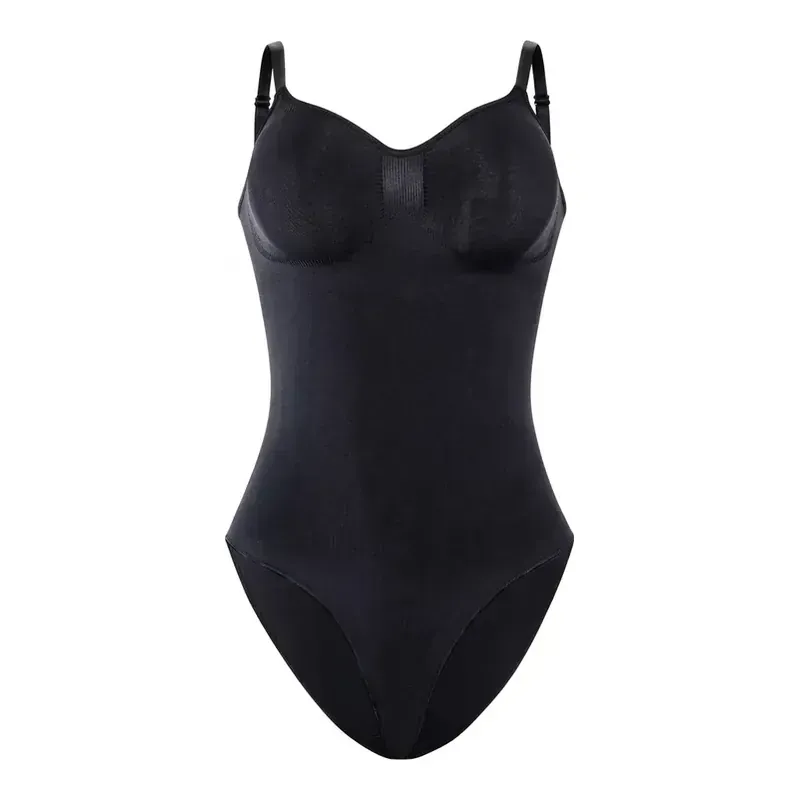
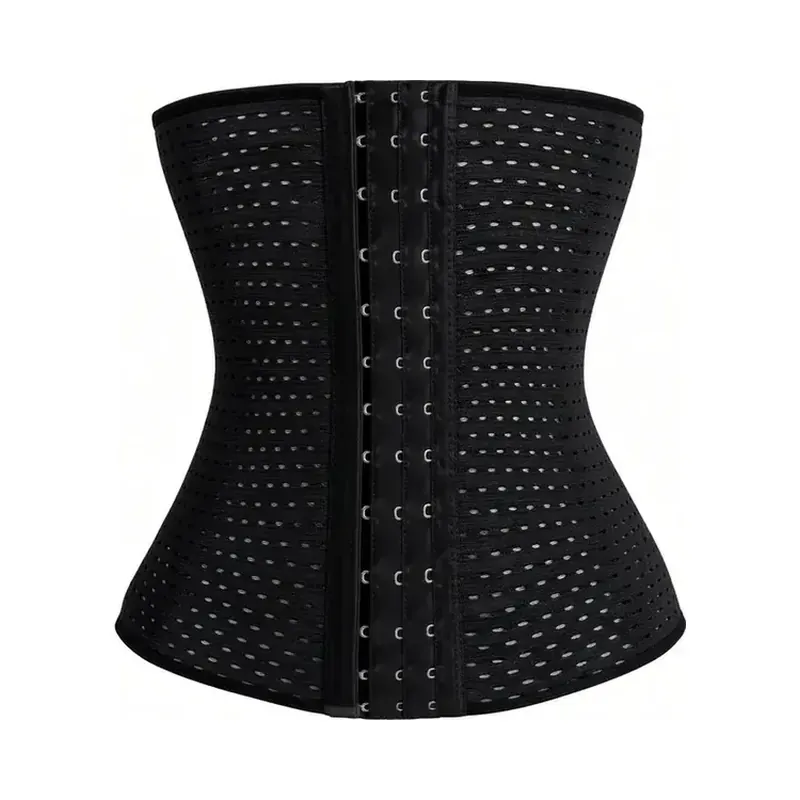
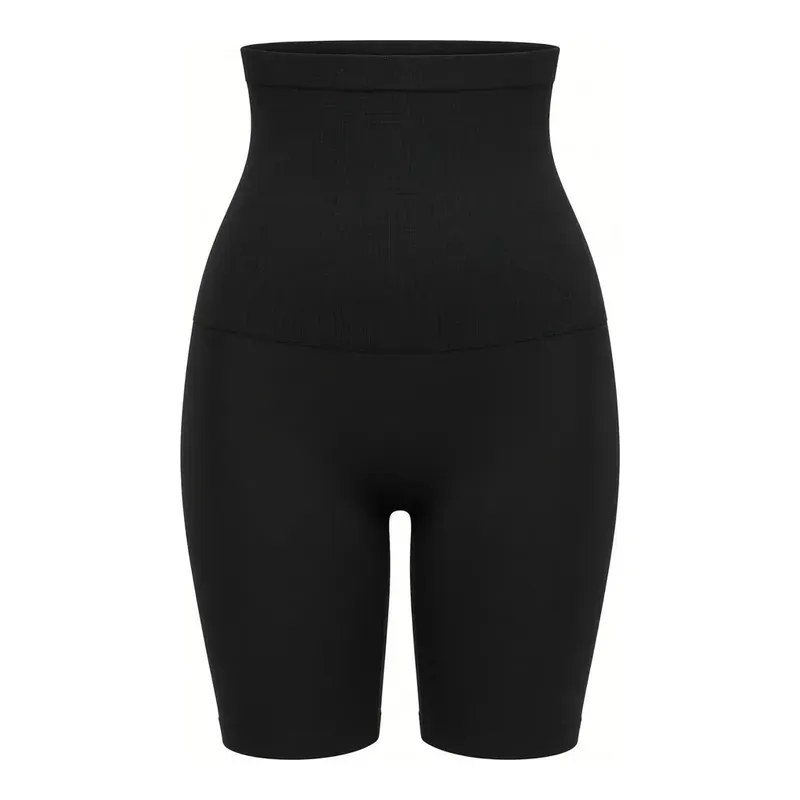
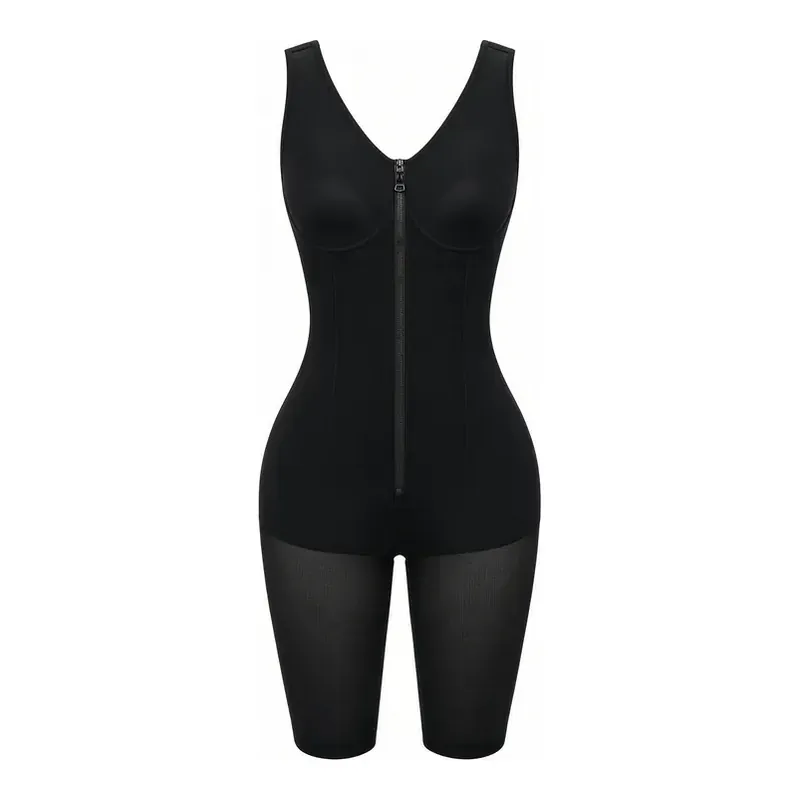
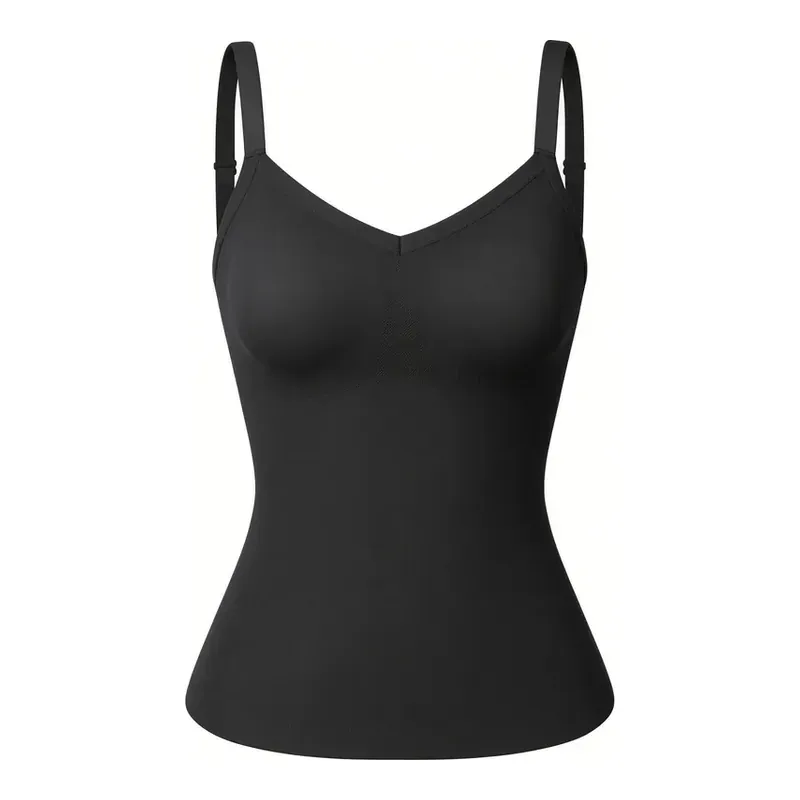
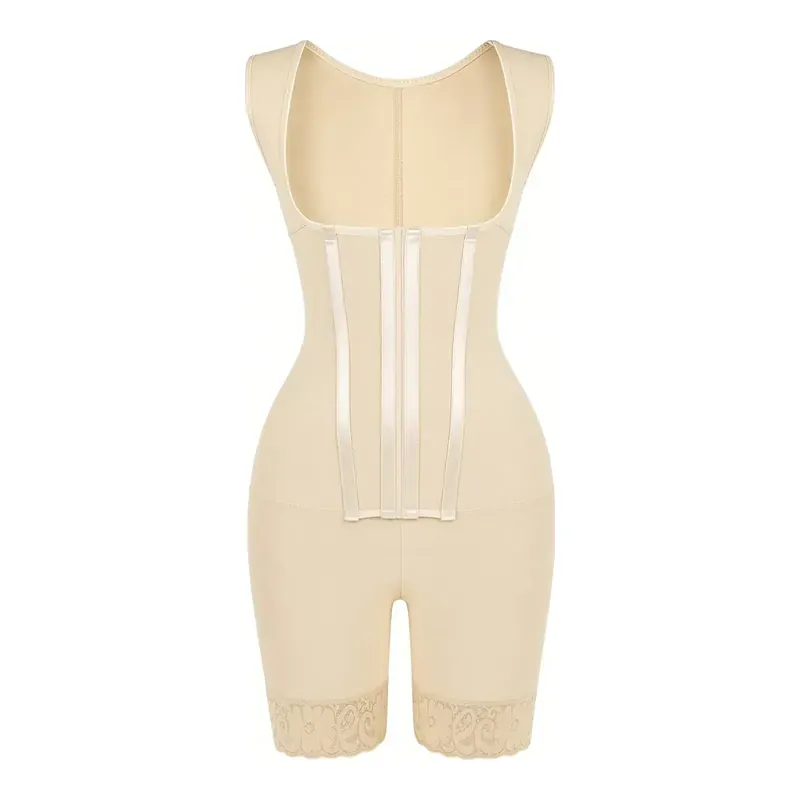
Seamless bodysuits, waist cinchers, shaping shorts and post-surgical garments — cut so every part of the body holds to its own spec, then cycled past 1,000 stretches so the bulk batch snaps back the way the sample did.
Shapewear Styles We Build
Six shapewear silhouettes cut from one compression system — a seamless bodysuit, a waist cincher, a shaping short and a post-surgical garment all sharing the same spec, so a custom oem odm factory run reads as one program.
Pick Your Favorite Shapewear Fabric
Cloth and panel together decide the character of a garment. High-performance knits keep their shape, soft microfiber gives a barely-there feel, moisture-wicking pulls sweat off the skin, and cooling textiles regulate temperature — so custom shapewear fabric choice decides how a garment wears, not just how firm it is.
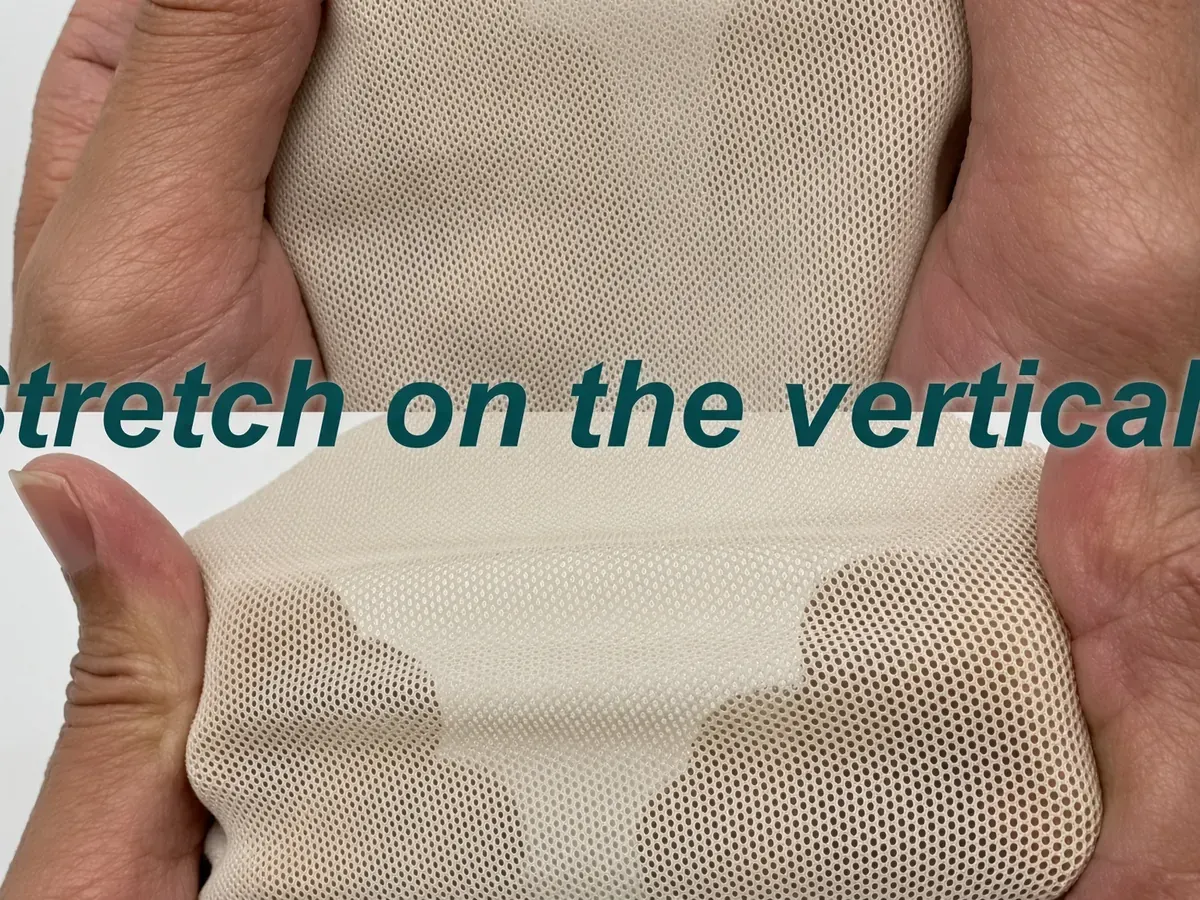
High-performance compression fabrics have great elasticity and recovery. They keep their shape wear after wear and stay breathable.
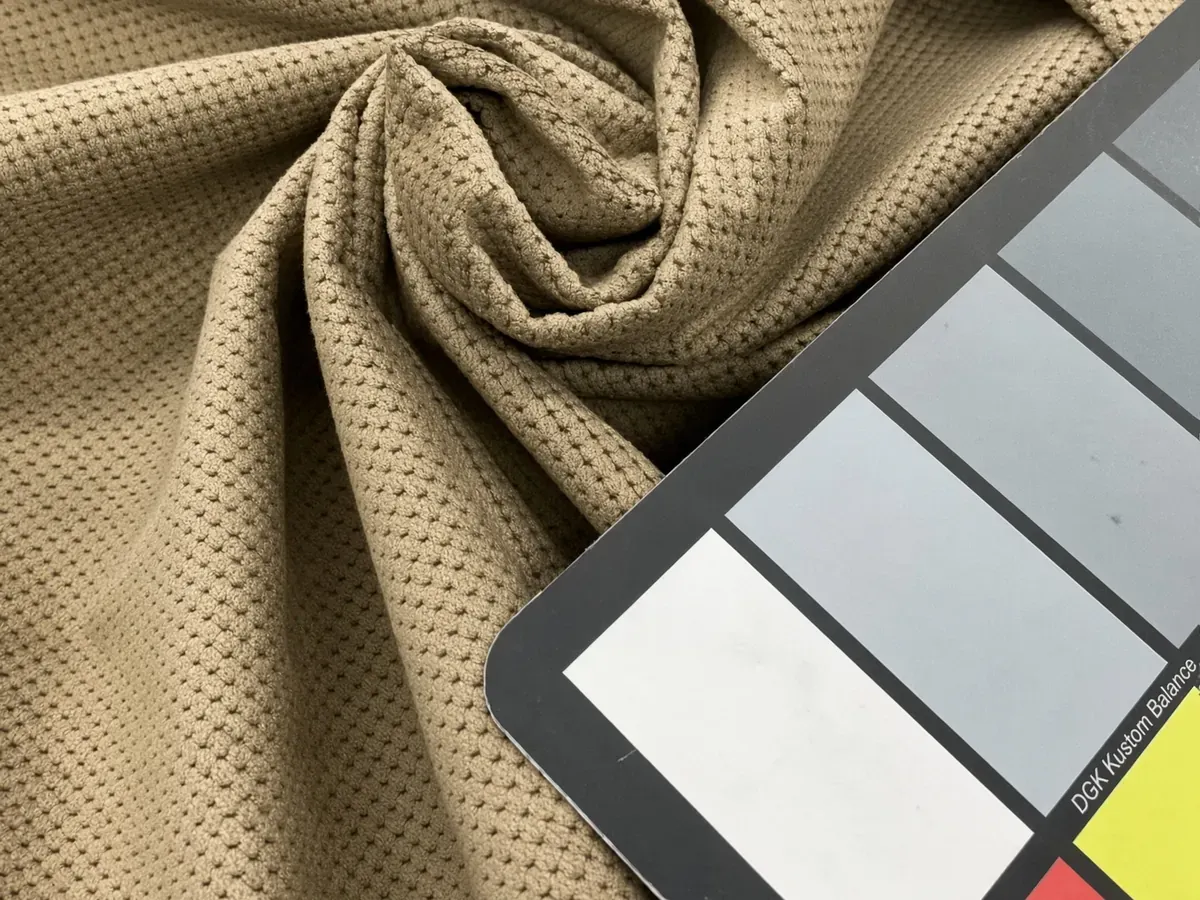
Ultra-soft, lightweight fabrics create a barely-there feel with powerful shaping properties.
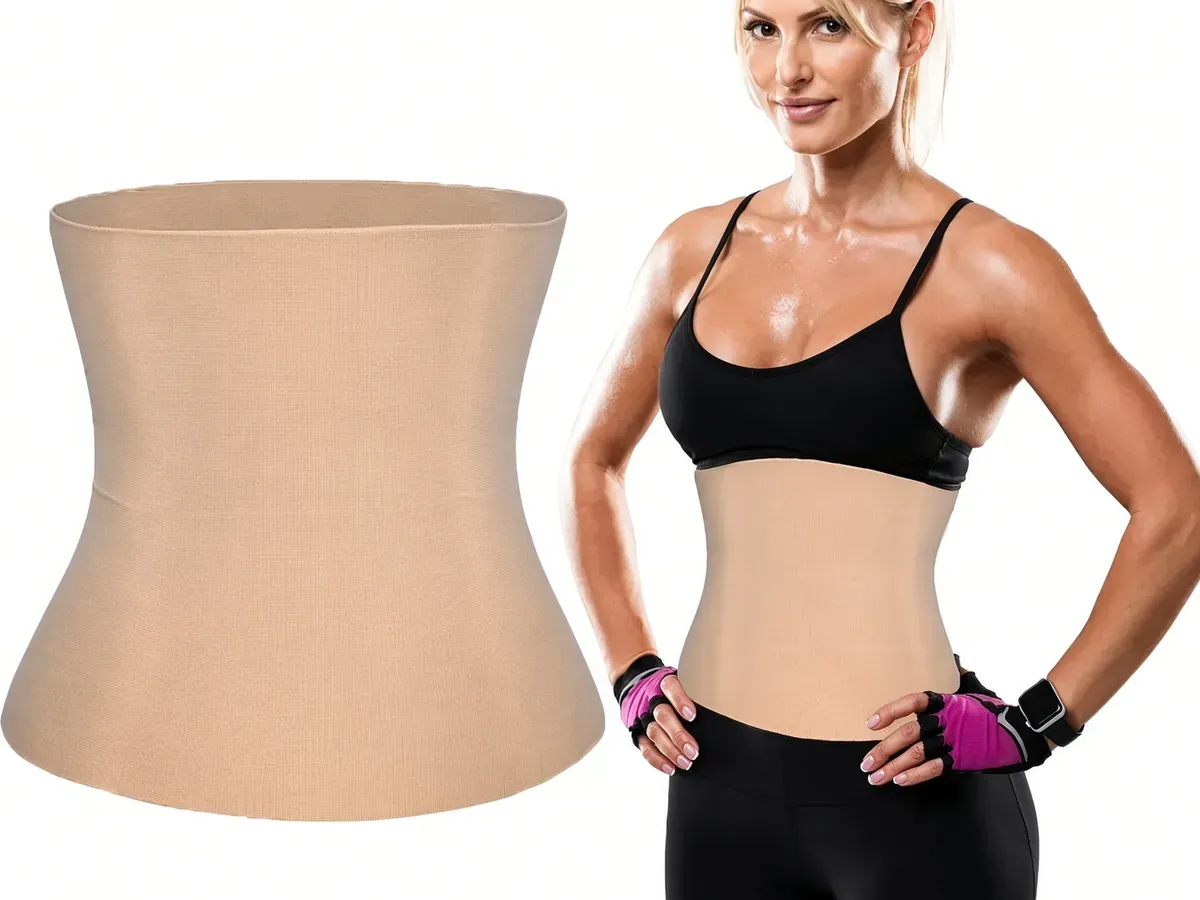
Advanced fabrics pull moisture away from the skin. This makes them great for activewear-inspired shapewear.
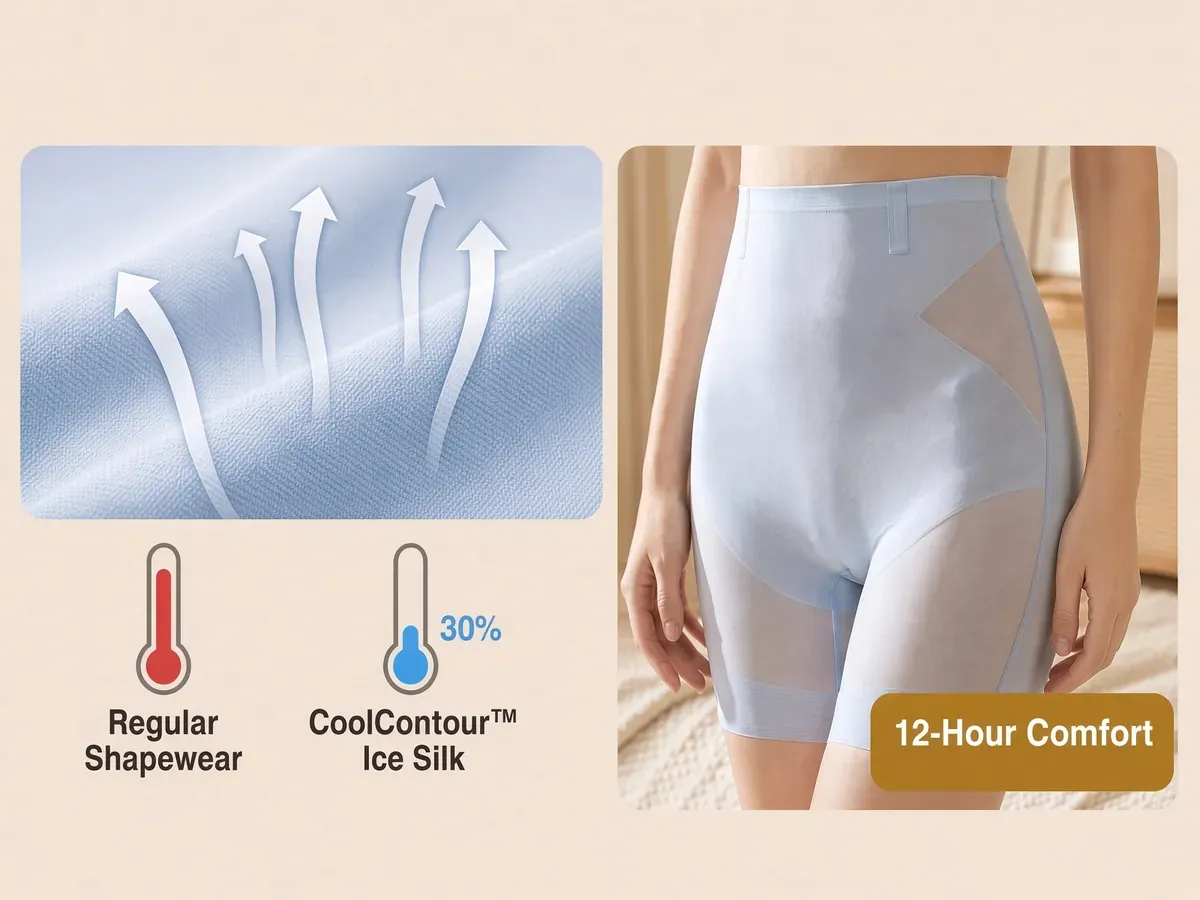
New cooling tech in compression fabrics helps control body temperature. This makes shapewear comfy all year round.
Shapewear Manufacturing Technologies
The custom shapewear production process is decided by how a garment is put together — where it is joined, how the edge is finished. These four techniques cover the production line, spanning a nearly invisible seam through a weld that leaves no weak point.
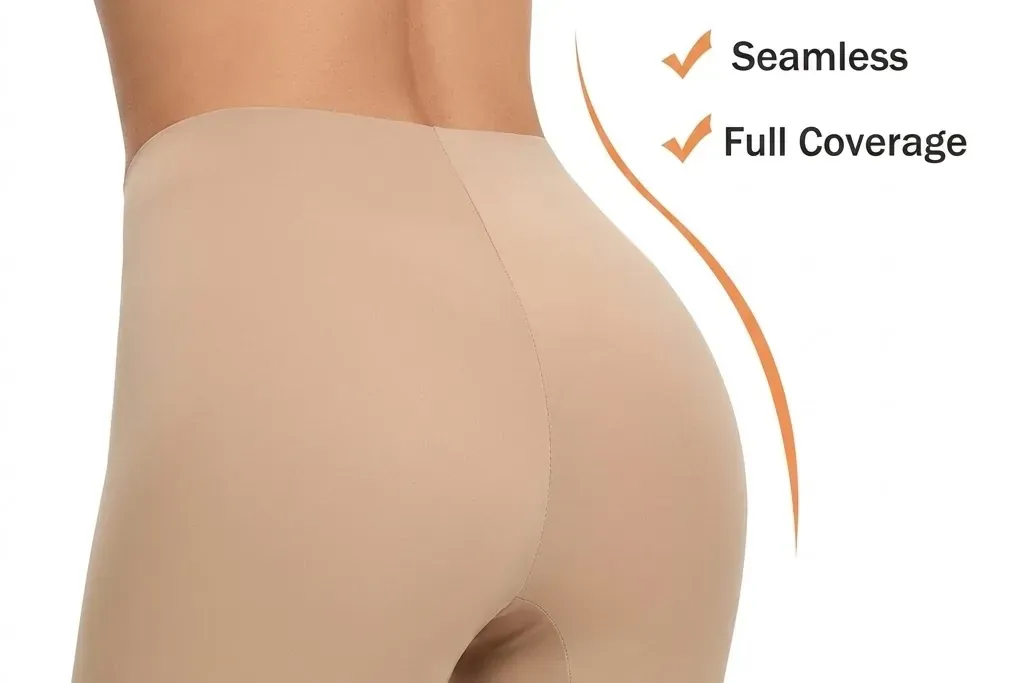
Knits the shapewear as one continuous piece — cutting and sewing are done away with.
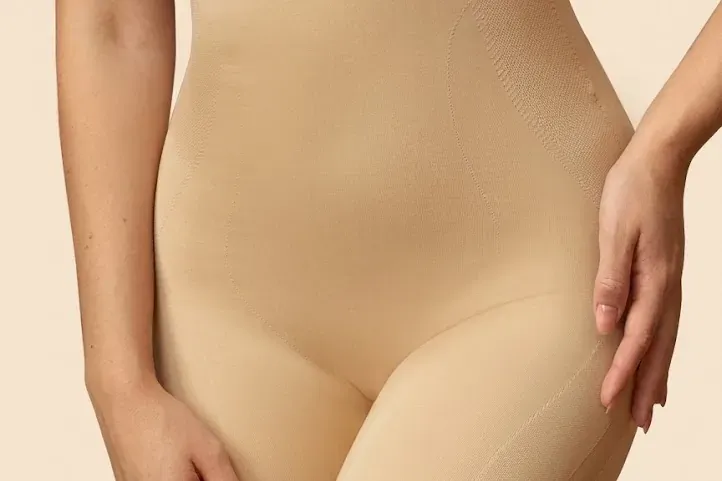
Molds the shapewear’s structured cups straight in for a shaped lift.
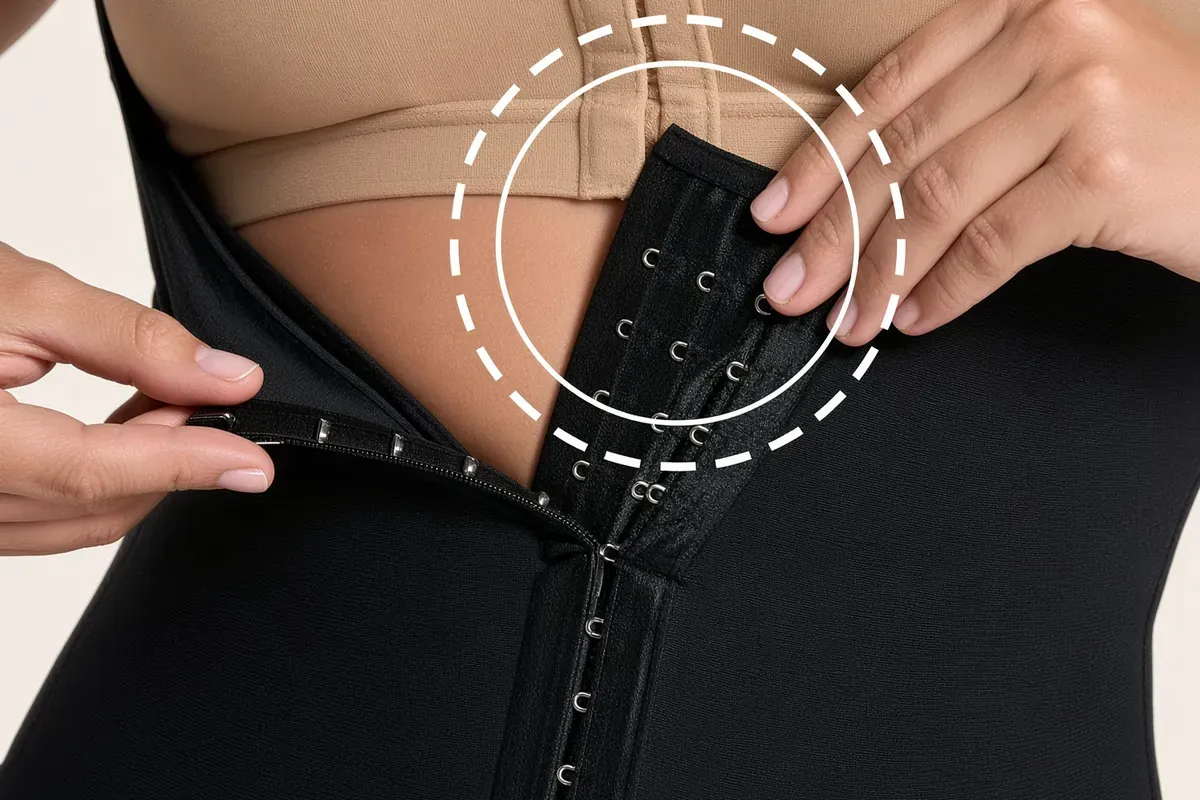
Heat-bonds the shapewear’s joins and edges so seams lie flat and vanish.
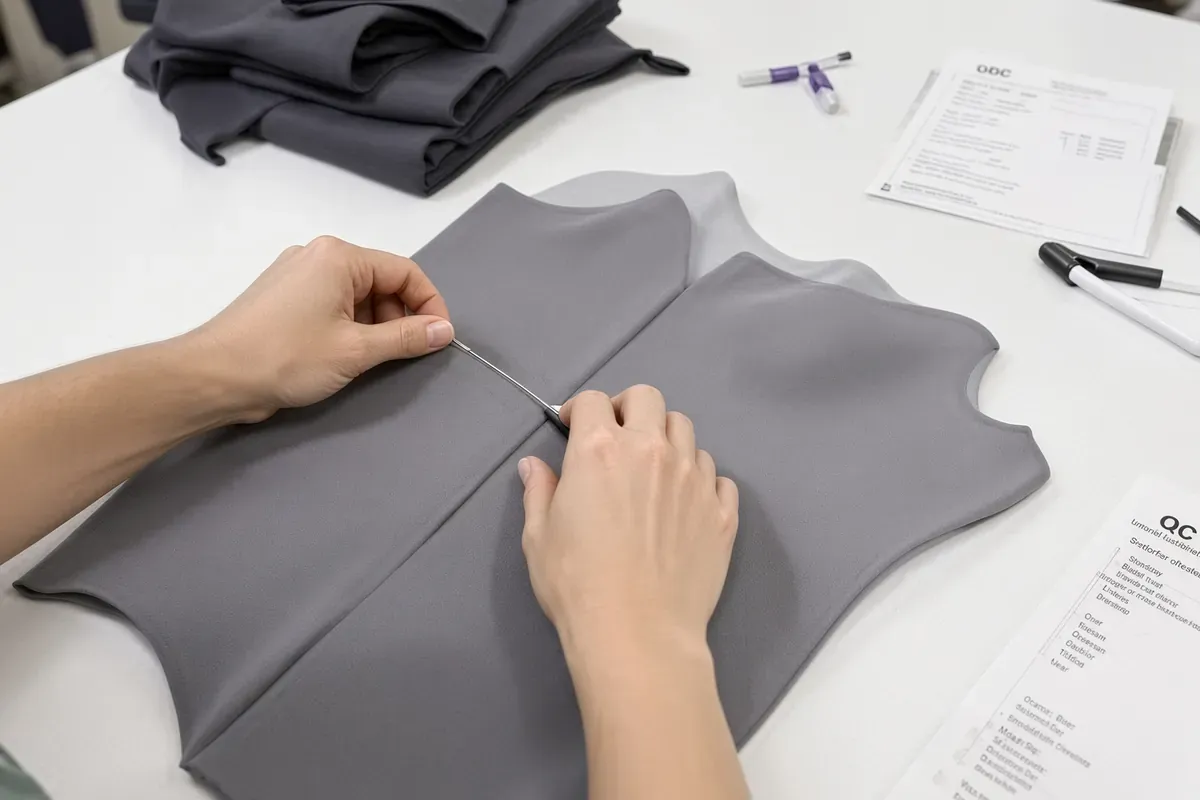
Welds the shapewear’s joins without a stitch, keeping the stretch intact.
Shapewear QC Ledger
Shapewear quality is measured in stretch, recovery, panel position and seam performance — not just how a piece looks on the rack. Checks run at three points: the raw fabric, the panel and seam, and the gate before the carton closes.
Send the Fit Notes
Send the reference garment and the fit notes. The shapewear compression spec, the fabric certificate, a 3D mockup and a per-unit landed cost come back within one business day — before a metre is knit.
From Shapewear Brand Owners
Shapewear and intimate-apparel brand owners running custom compression programs with LeelineApparel.

Camille Fournier
Founder, Curve & Form
The regrading was done against the actual body, not scaled up from a medium — so the hold stayed consistent across the full XS–4XL run. A 100-unit first run became a 5,000-unit reorder.
Permanent set read 2.3% after a season of washes, well under the 3% gate, and the waist sat flat all day.
The abdomen came back ultra-firm at 15% spandex; the seat stayed lifted. A 2.5 AQL caught a power-mesh drift on one lot before it shipped.

Marisol Vega
Founder, Sculpt Studio
Tube knitting ran the whole sculpting line seamless — no side seam to chafe through a workout, and the cooling knit held its shape across the set.
A 100-unit first run made demand validation cheap. First drop sold through, so the program scaled to 1,500 units a month without a single panel re-graded.
A per-garment spec and 3D mockup landed before any fabric was knit, locking the hold early. Recovery cycled past 1,000 stretches at ≤3% set.
Shapewear Buyer Concerns
Compression is not set by spandex % alone. A 15% spandex knit in a single light layer is light control; the same 15% backed with a power-mesh panel is ultra-firm. Weight, elasticity, recovery, panel placement, seam construction and garment measurement are read together. If a 15% piece feels weak, it is running as a single layer where it should be doubled or backed with mesh.
That is panel placement and seam construction, not the fabric. The waist should be a bonded power-mesh band, not a rigid elastic band — so it holds firm without rolling. The leg uses a laser-cut edge or silicone gripper, so it stops without cutting the leg opening. Seams are bonded or ultrasonic-welded so they flex with the stretch instead of digging in.
Shapewear is built for daily smoothing and support. A faja is built for firmer control, especially around the waist and abdomen, often post-surgical. Getting the pressure right is the hard part: too much flattens the seat, cuts the leg opening and restricts movement; too little will not give the shaping effect. Control is graded per part of the body — firm where control is wanted, flexible where the body moves.
That is usually a recovery and panel-placement problem, not a fit problem. A garment that sagged by the afternoon has a permanent-set issue: stretch it past 1,000 cycles and it should hold 3% or less set, so the bulk batch snaps back the way the sample did. The power-mesh panel also has to sit where the spec placed it — panel position is held to tolerance in-line, so a run leaves as it was signed off rather than sagging or drifting.
It can be locked before a metre is woven. Shapewear tech pack development is part of the workflow, and the per-garment spec comes back as a 3D mockup first — so the abdomen, waist and seat holds are agreed before fabric is cut. A 100-unit first run on that same spec then proves the style in market without bulk inventory, so the line can scale on the approved spec rather than re-grading.
No extra fees. Inclusive sizing is offered beyond XS–3XL. Petite, plus-size and specialty sizes are graded so the compression areas are repositioned to the body, not just scaled up — so the control stays even at every size rather than drifting.
Daily shapewear smooths and shapes. A recovery garment has to apply even, medical-grade compression across the healing area — too firm in one point restricts circulation, too soft in another fails to support. Post-surgical pieces are graded so the hold is even over the wound site, with ergonomic closures a patient can open unaided and a compression level set to the recovery stage rather than a styling target.
Share the reference garment and the fashion brief. Get the shapewear compression spec, the fabric certificate, a 3D mockup and a per-unit landed cost back within one business day — before a metre is knit.
Start typing to find articles
No articles found
Try a different keyword