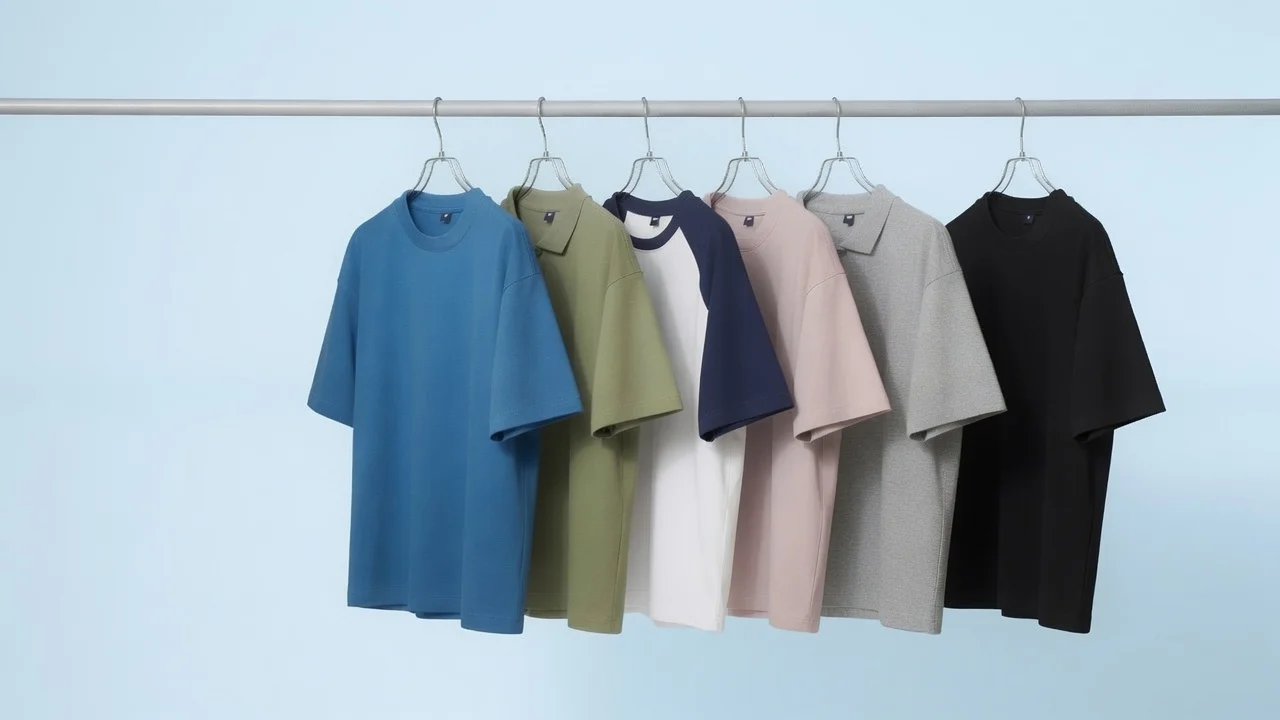
 Essential
 Premium Custom T-Shirt Manufacturers — 420K+ Annual Capacity · Fast Sampling & Bulk
One partner handles the entire chain — pattern drafting, sourcing, production, inspection, and freight. A single factory, a single rep, a direct line to the cutting floor. Samples out the door in 7 working days. DDP shipping wraps customs, duties, and final mile delivery into one price, door to door across 50+ countries.
Independently Audited & Certified


Silhouette Catalog
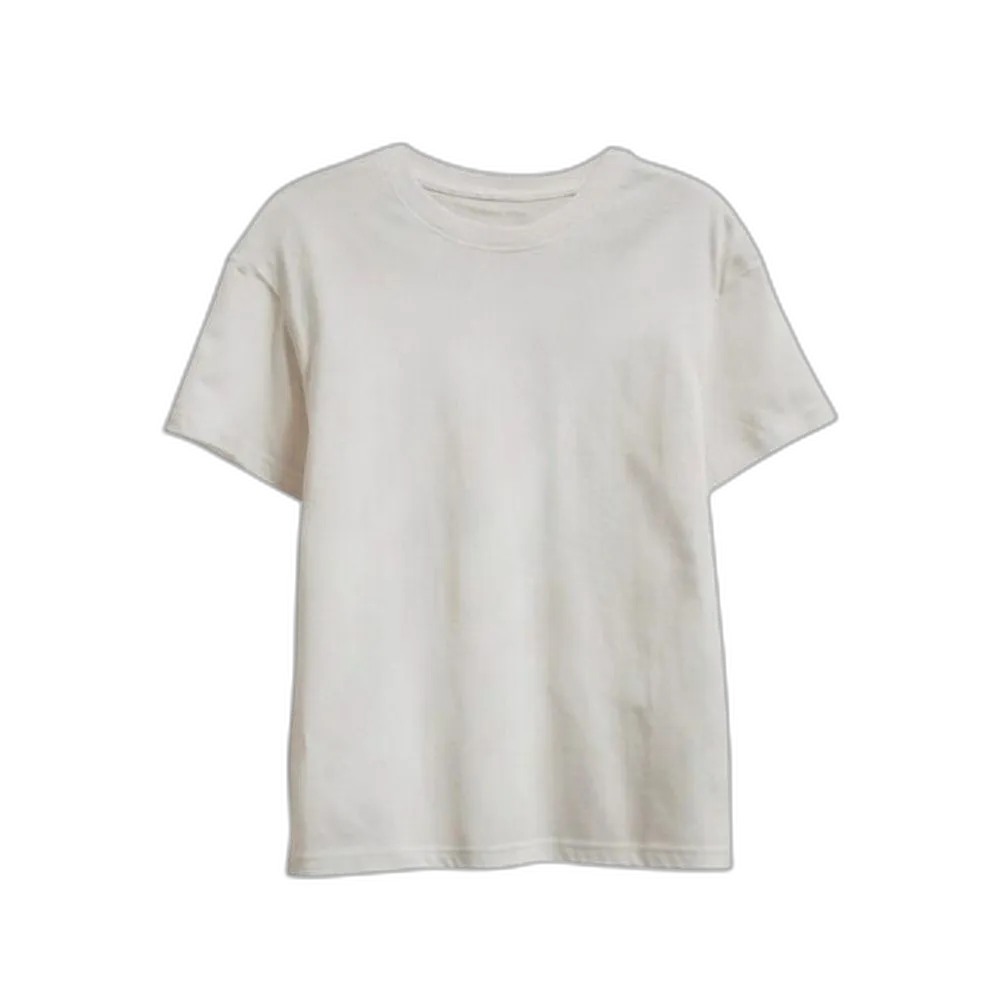
Custom T-Shirt Silhouettes Pattern-Made to Order
Every silhouette gets its own pattern — drafted from scratch around the dimensions, not pulled off a stock block and decorated. A reference image or a handful of measurements is all it takes to kick off development.
Essential 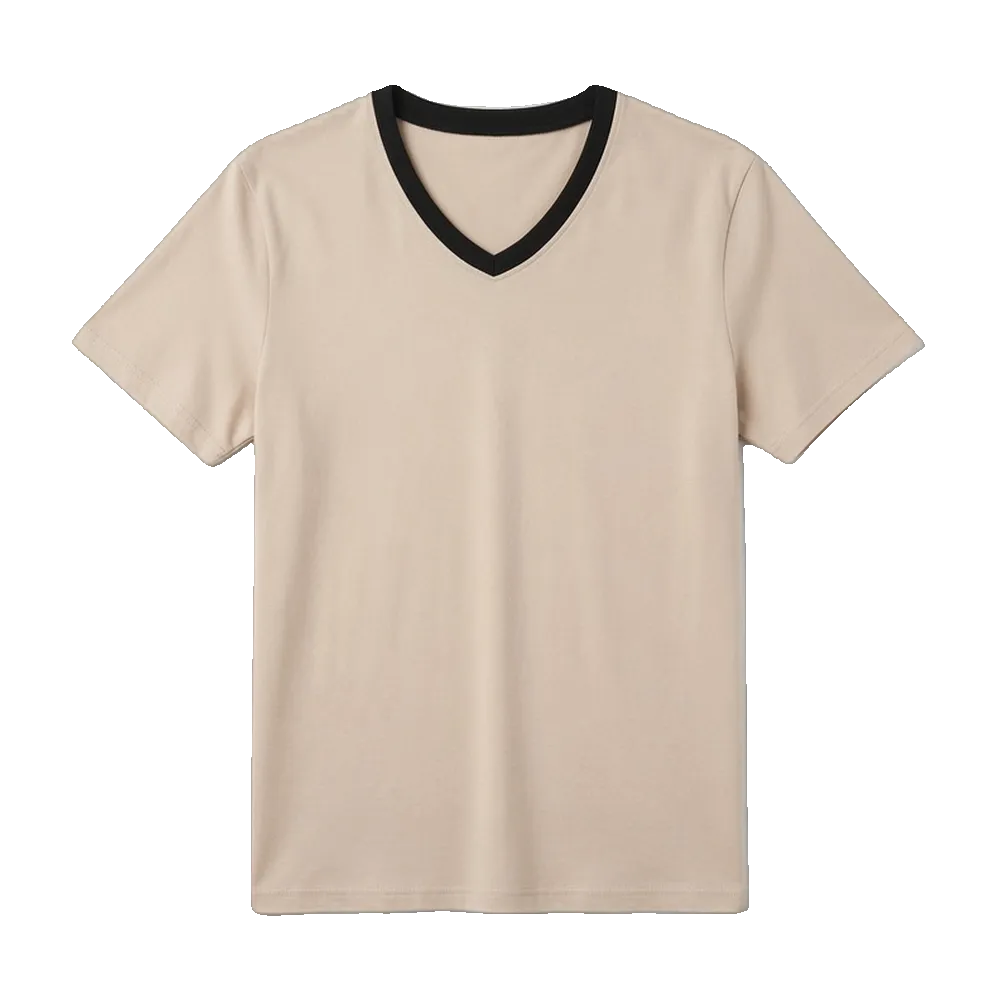 Classic
 V-Neck
Classic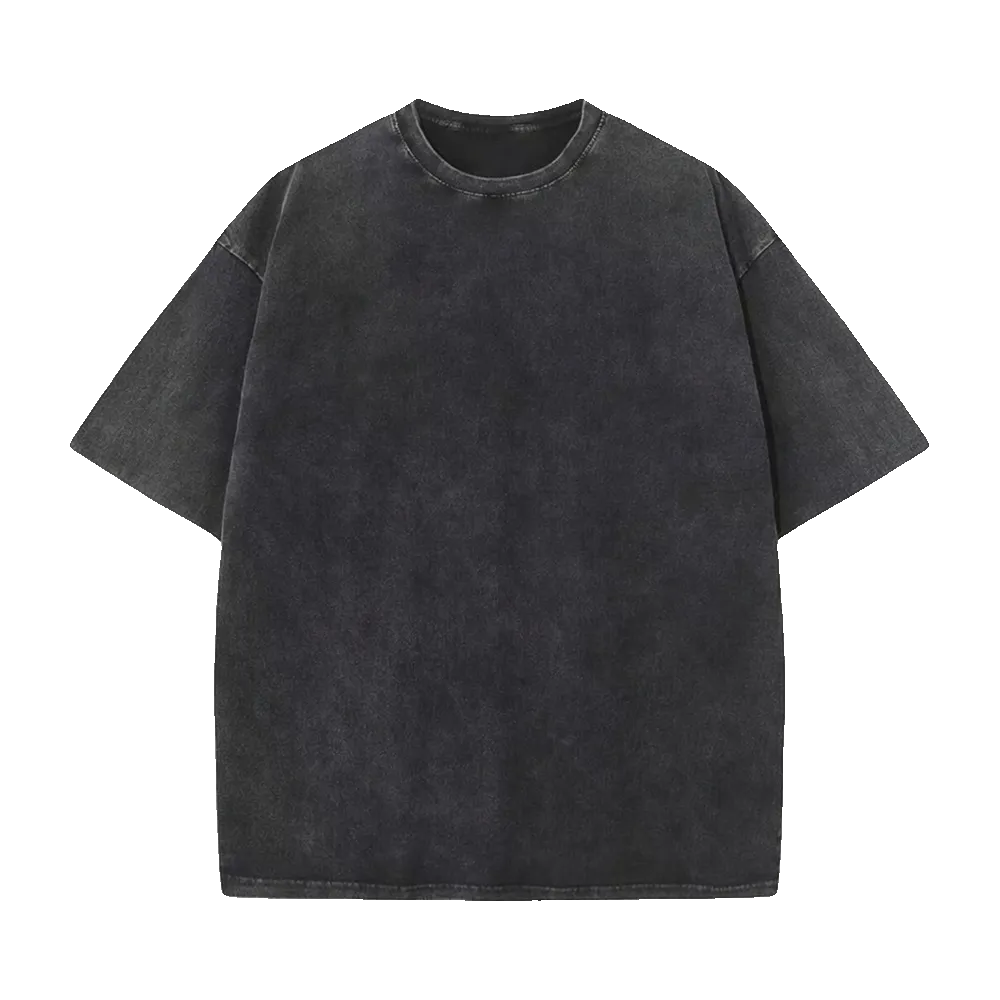 Trending
 Oversized / Drop Shoulder
Trending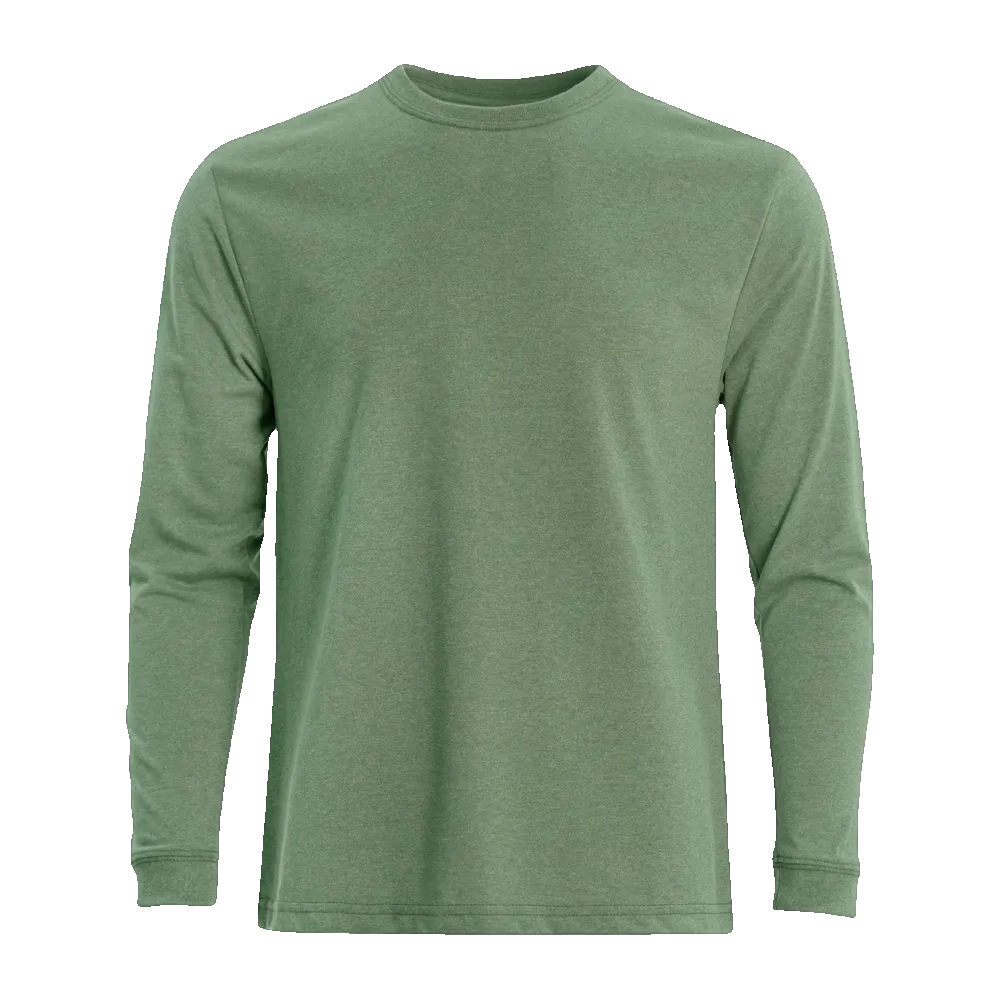 Versatile
 Long Sleeve
Versatile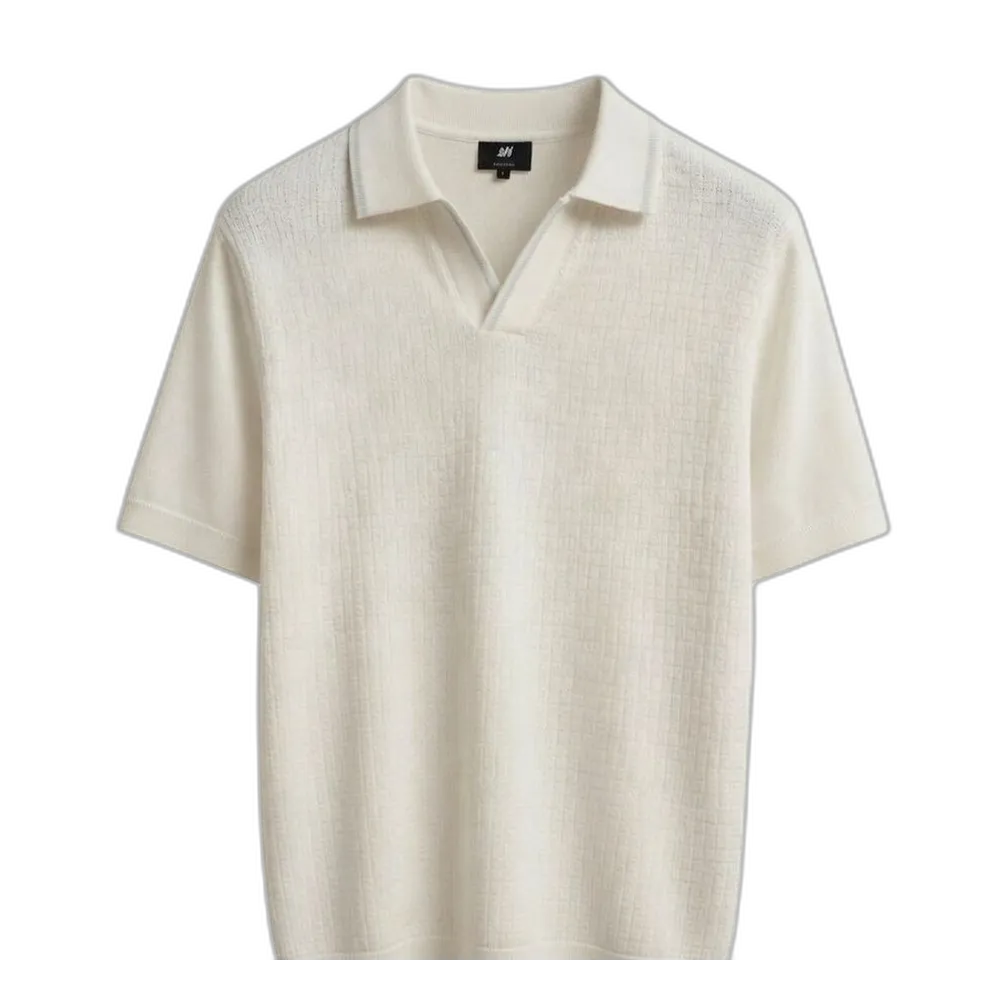 Premium
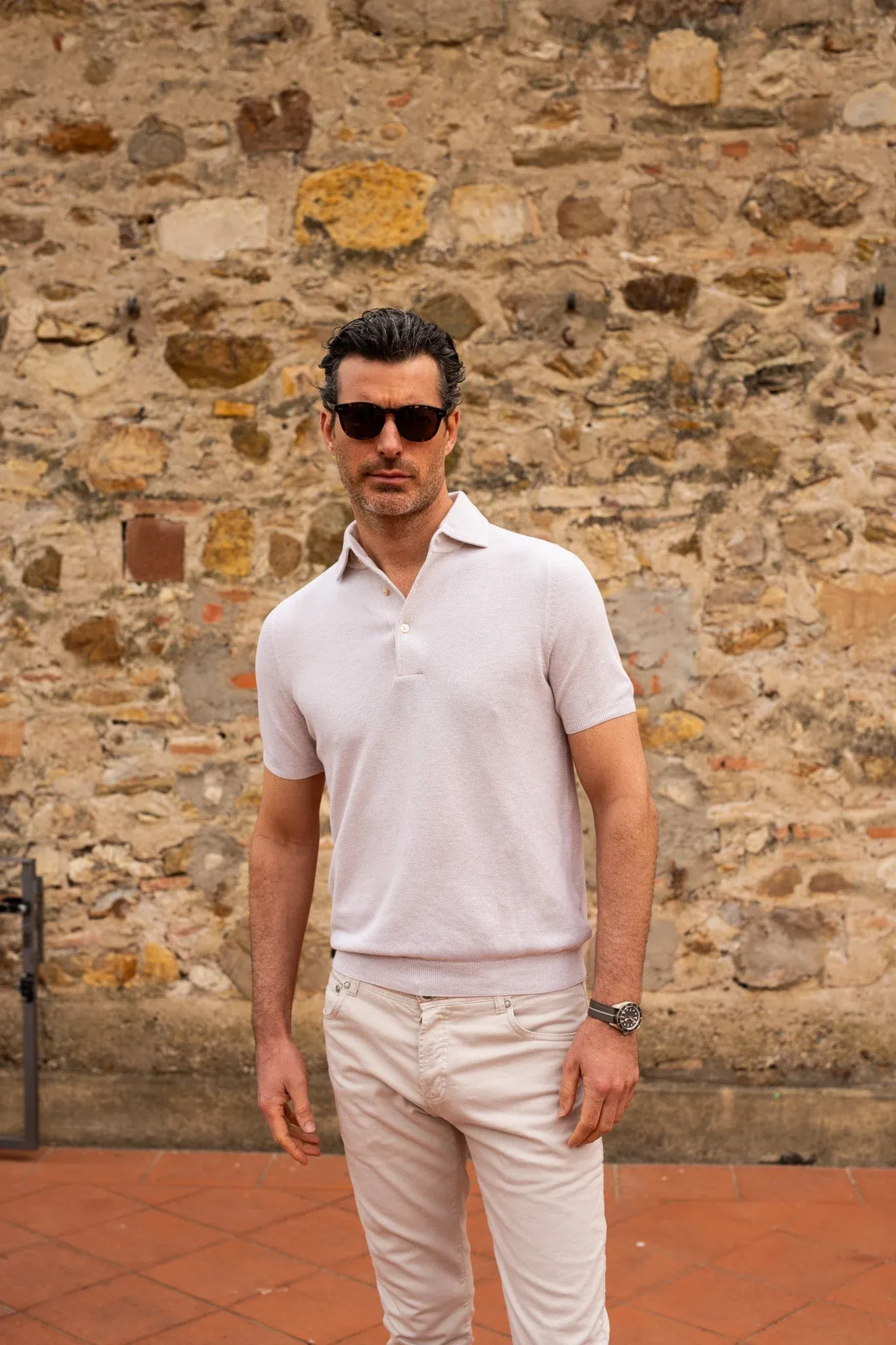
 Polo Shirt
Premium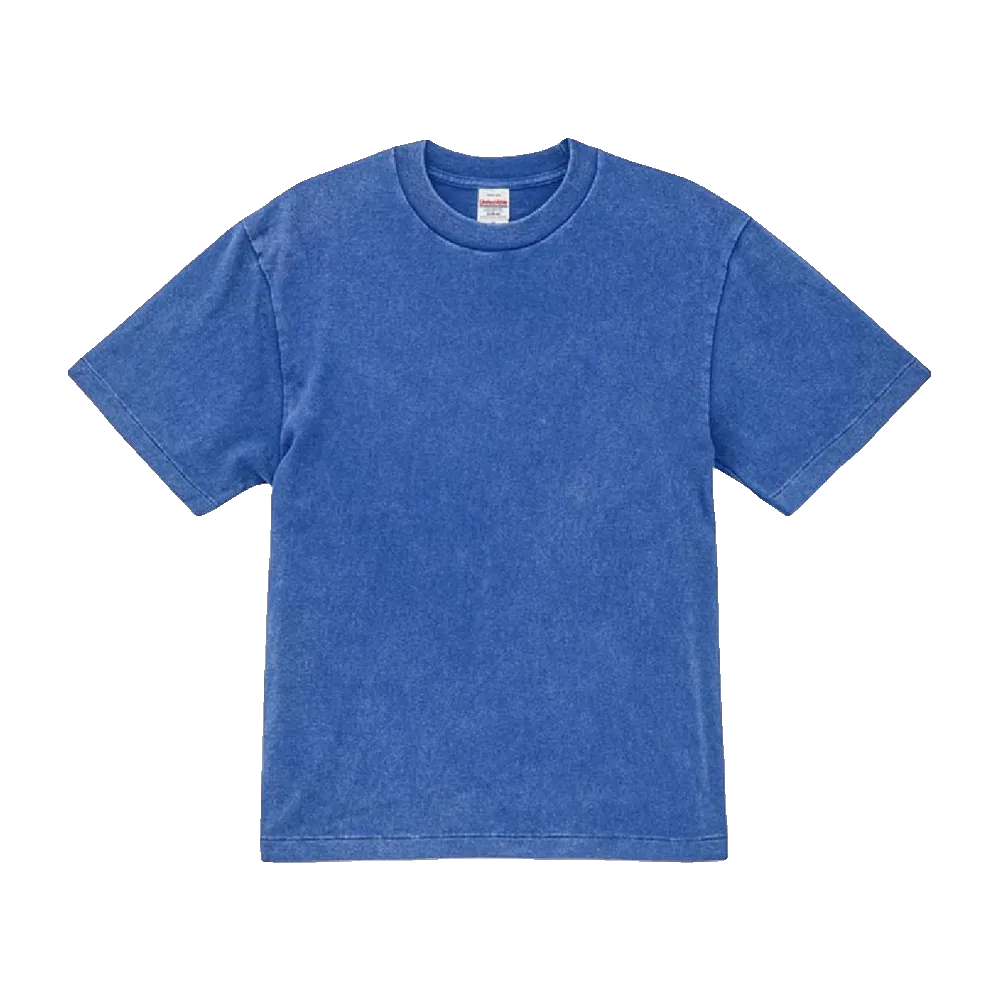 Specialty
 Vintage Wash
Specialty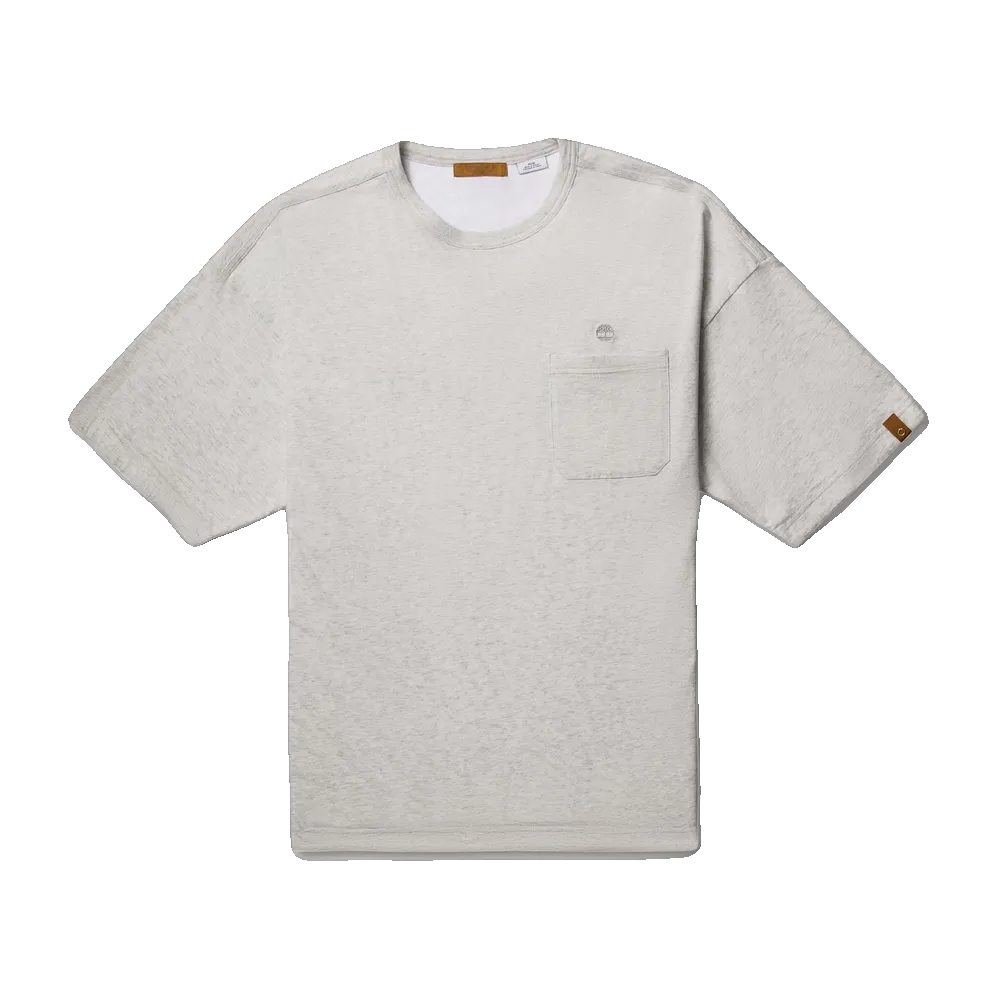 Detail
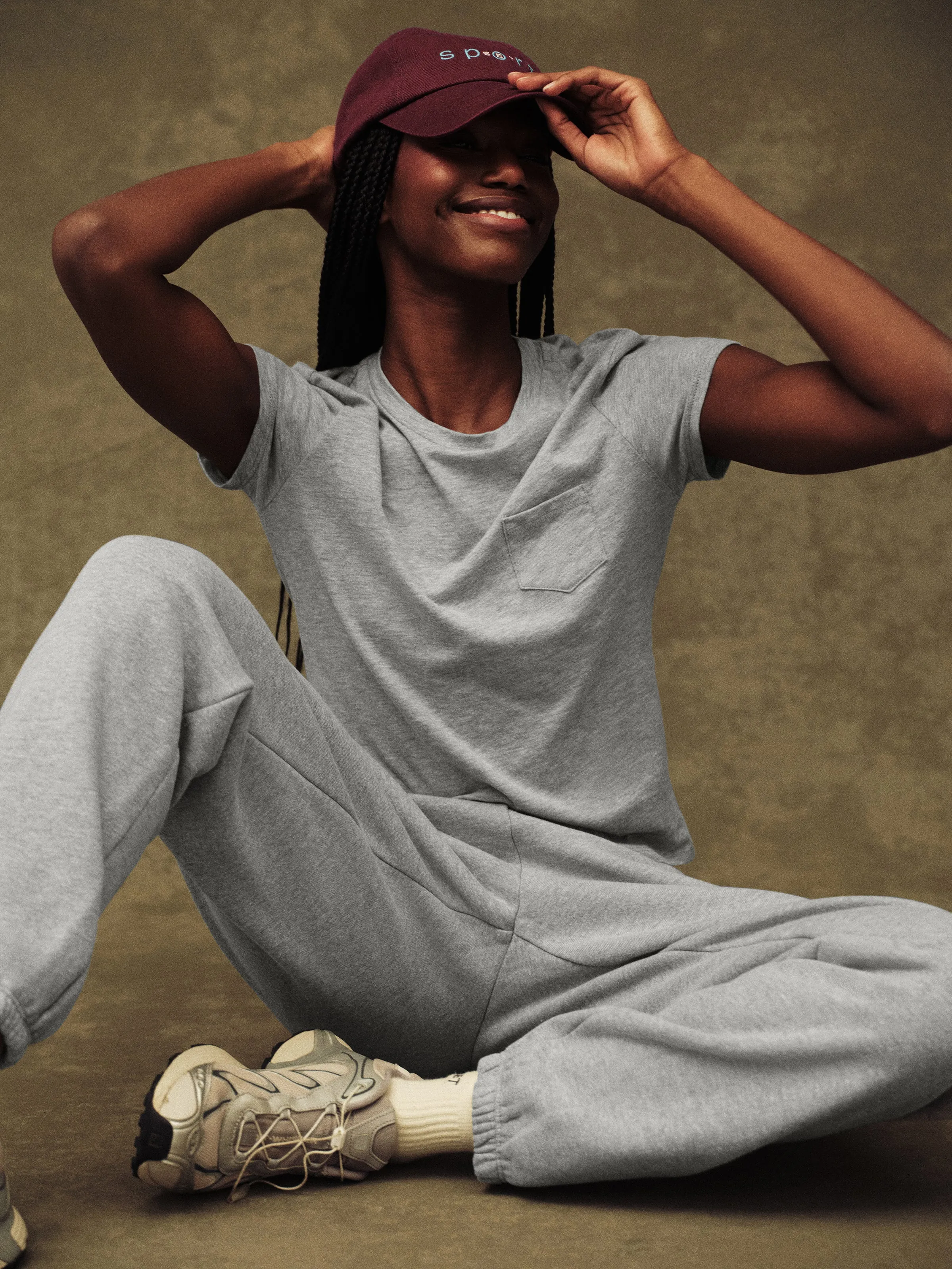
 Pocket Tee
Detail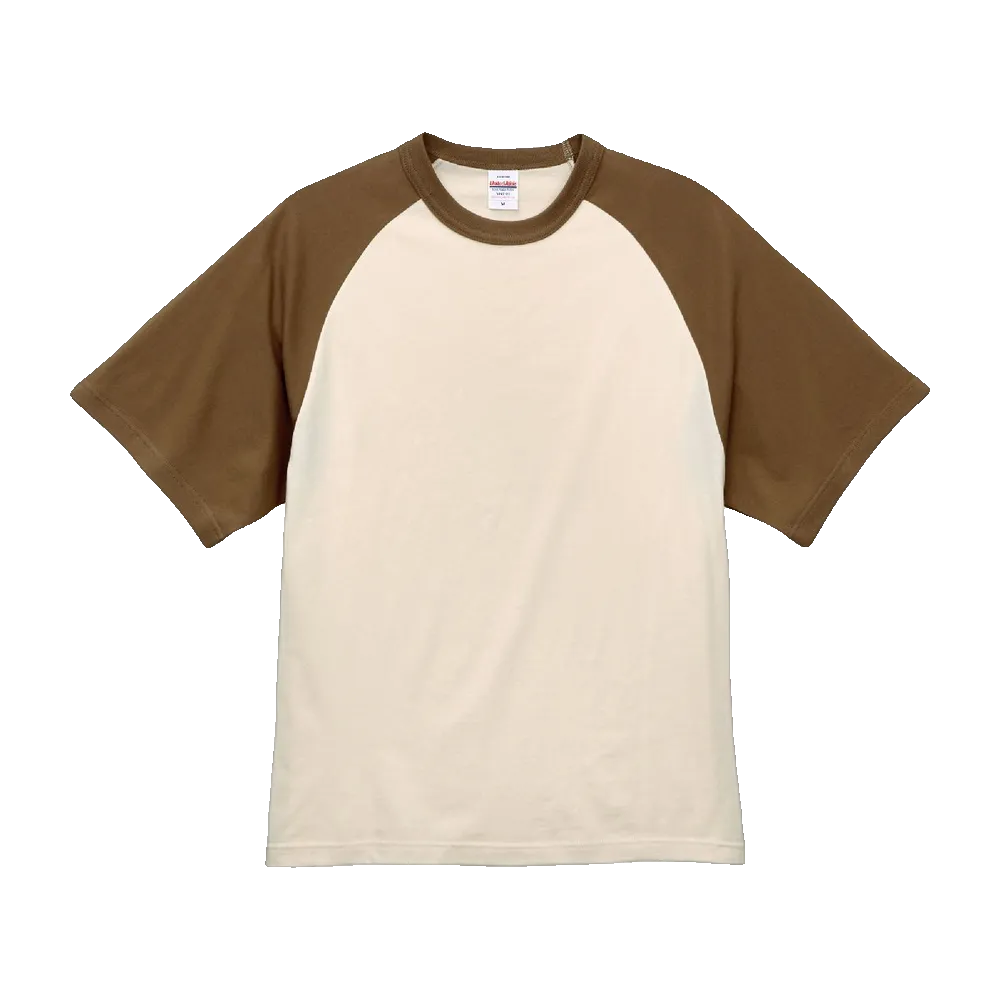 Sport
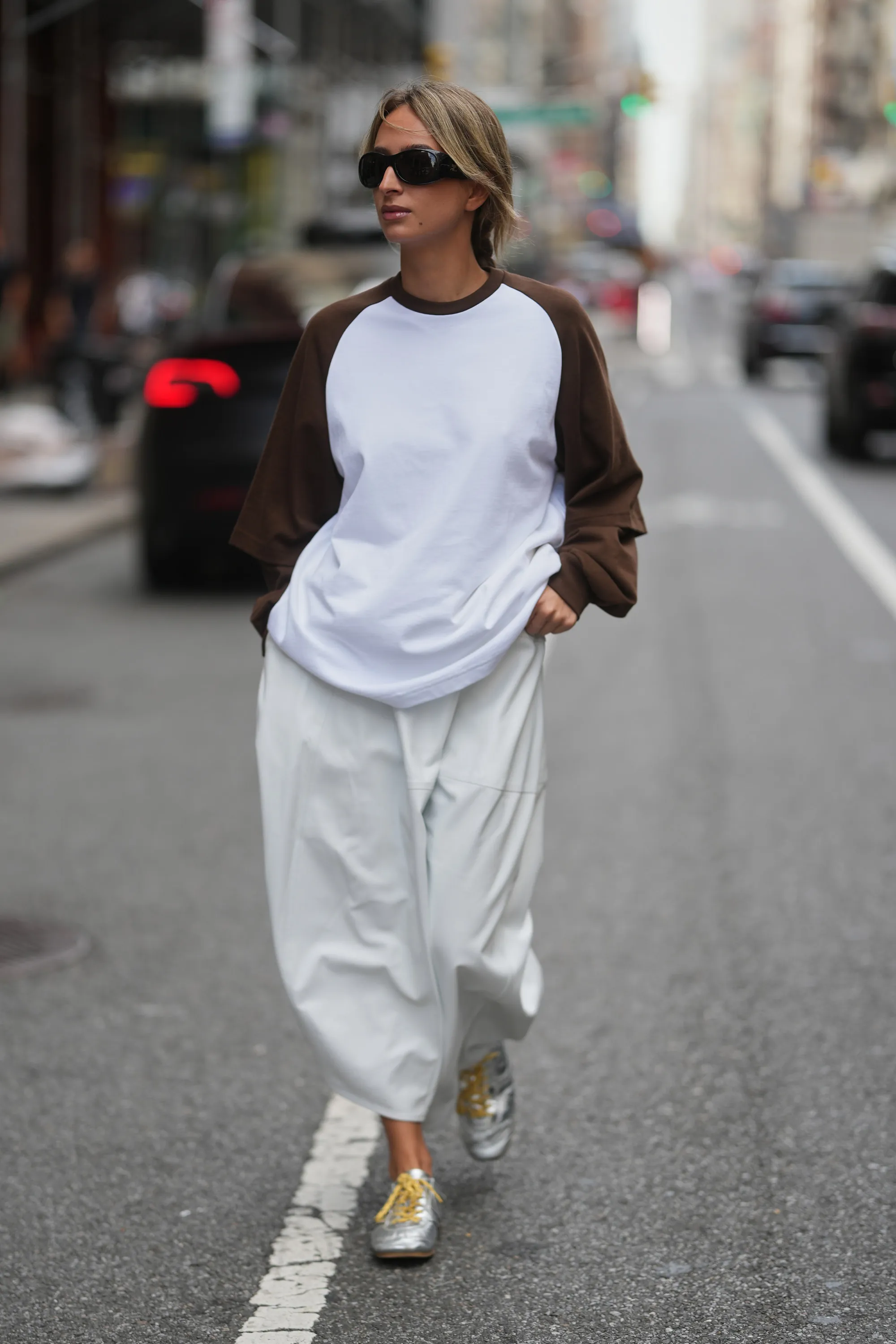
Sport Raglan / Baseball
Sport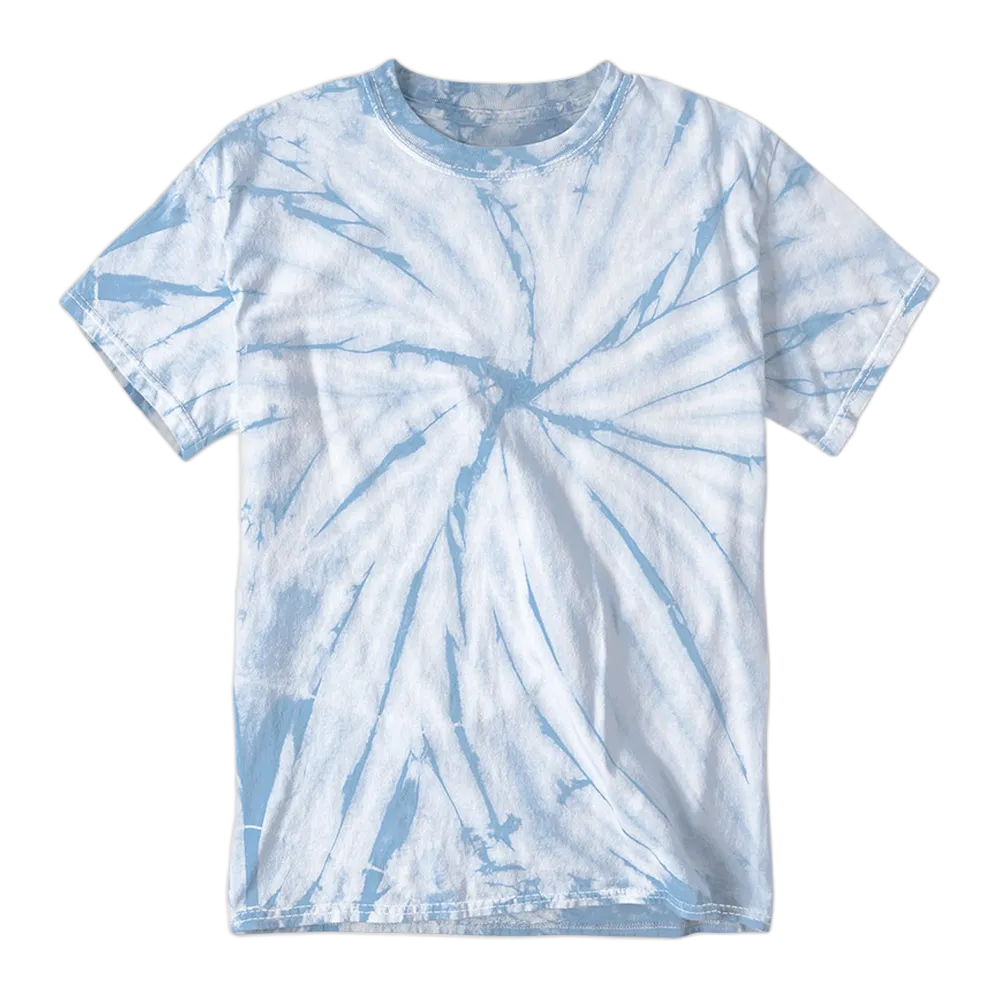 Artisan
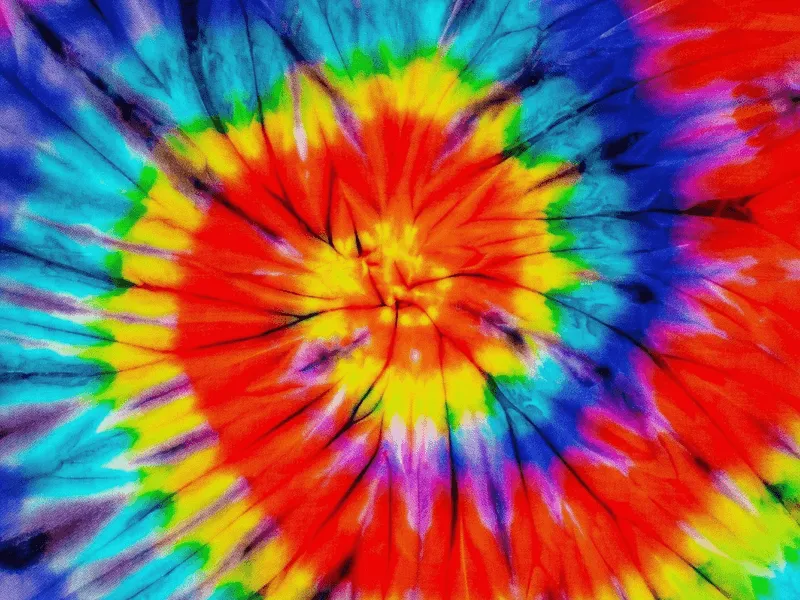
 Tie-Dye T-Shirt
ArtisanFabric Guide
Match GSM & Fiber to the Brand.
Three weight brackets cover 90% of t-shirt projects. Each fabric runs in single jersey — airy, drapey, breathable — or interlock, which adds density, opacity, and edge-curl resistance at roughly 20% higher GSM.

Lightweight Cotton
140–160 GSM Single Jersey — 50% Polyester, 25% Cotton, 25% Rayon
- Single jersey: breathable, drapey, ideal for screen-print and DTG
- Interlock option: denser, opaque, zero transparency under bright light
- Heathered appearance without dye; softens further with each wash
Best for Summer drops, vintage-inspired streetwear, lifestyle DTC brands
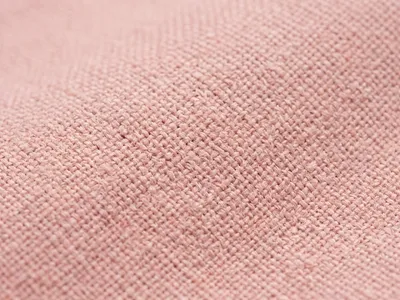
Midweight Cotton
180–220 GSM 100% GOTS Organic Ringspun Cotton
- GOTS certified with full chain-of-custody documentation to farm level
- Ringspun for smoother, stronger yarn — pill-resistant after 30+ washes
- The sweet spot: substantial hand-feel without stiffness, prints on both sides stay opaque
Best for DTC essentials, eco-luxury, children's wear, everyday premium staples
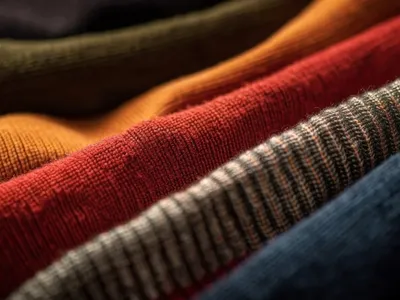
Heavyweight Cotton
240–300+ GSM 100% Combed Cotton
- Substantial, structured drape — oversized silhouettes hold their shape
- Combed for a cleaner surface; ideal for 3D embroidery and heavy plastisol prints
- Interlock option adds density and opacity — no show-through even on white tees
Best for Streetwear, premium merch, designer lines, heavyweight drops
Decoration & Finish
Six Ways to Mark the Garment.
The right technique depends on the project — screen printing scales with volume, DTG handles photorealism at any quantity. The team matches technique to artwork complexity, fabric substrate, and per-unit cost target.
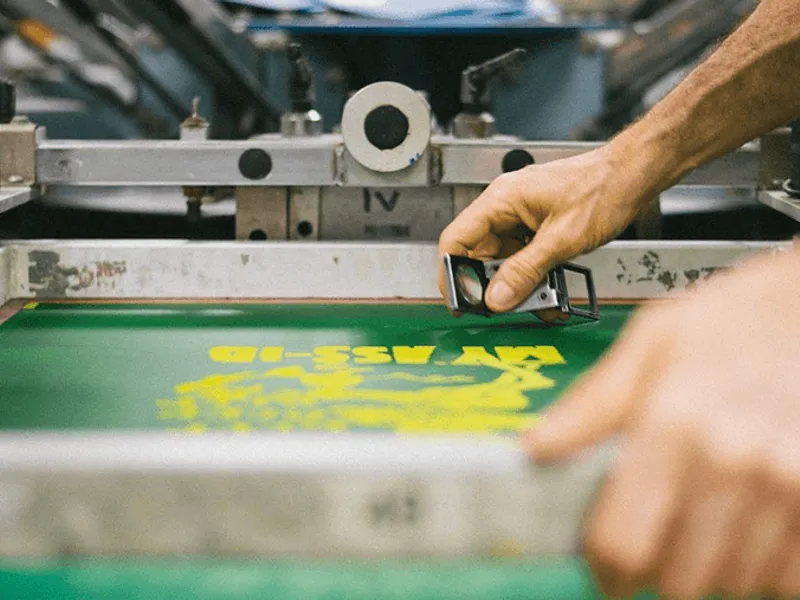
Screen Printing
Pantone-matched plastisol or water-based inks pushed through mesh screens onto the fabric — one screen per color. Bold, opaque, most economical at 100+ units.
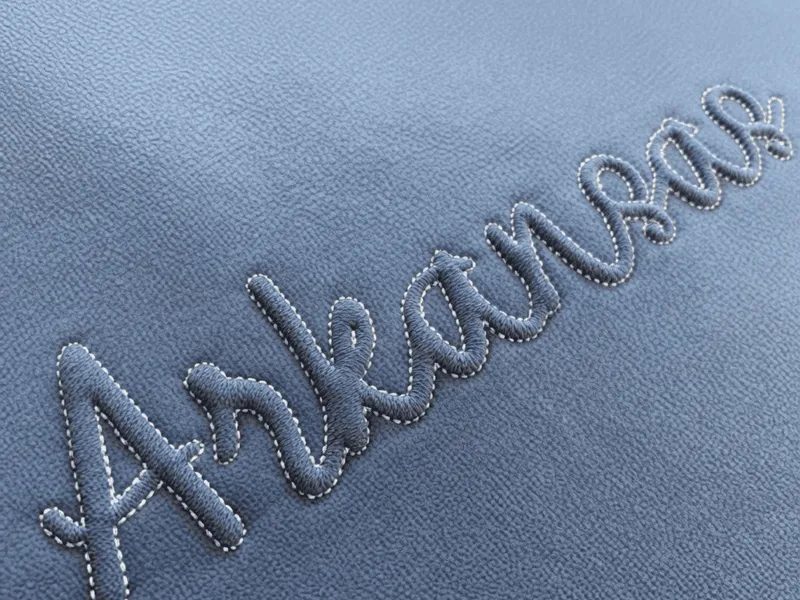
3D Puff Embroidery
Raised dimensional embroidery with foam underlay beneath thread — up to 6mm puff height. Creates a bold, tactile logo that sits off the fabric surface.
.w5RL8nfP_n1YHO.webp)
Direct-to-Garment (DTG)
Inkjet printing directly onto fabric — CMYK + white underbase for dark fabrics. Full-color photorealistic prints, zero screen setup costs.
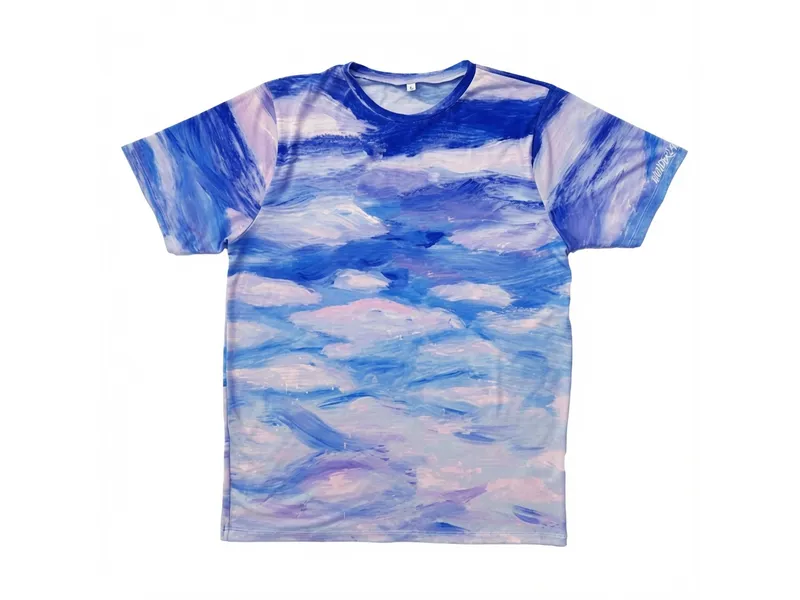
All-Over Sublimation
Dye bonds with polyester fibers at the molecular level — unlimited colors, edge-to-edge coverage. Zero hand feel, won't fade, crack, or peel.
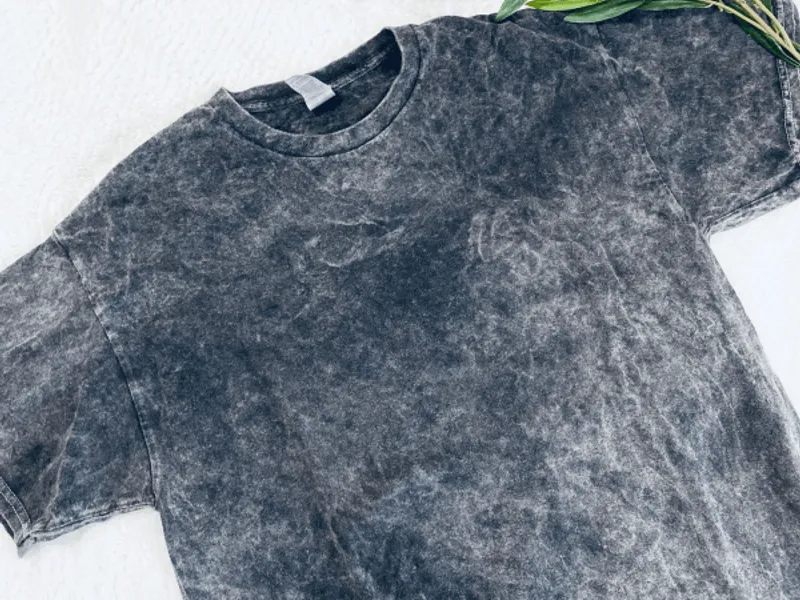
Acid Wash / Enzyme Wash
Chemical or enzyme treatment that strips surface dye unevenly for a worn, vintage look. Each garment is unique — no two come out the same.
Garment Dye
The entire finished t-shirt is dyed after assembly — not cut from pre-dyed fabric. Produces a lived-in, heathered patina with softer seams and edges.
The Difference
What This Facility Delivers vs. What the Market Accepts
Most suppliers optimize for their own margins first. This operation runs differently — small-batch feasibility, line-item pricing, and one team that owns the full chain from pattern to final delivery.
| LeelineApparel | Typical Suppliers | |
|---|---|---|
| Minimum Order Quantity | 100 units, full cut & sew, custom pattern | 500–1,000+ or blanks only |
| Fabric Sourcing | 200+ fabrics, GOTS organic, pre-tested per lot | 5–10 stock fabrics, no mill audits |
| Communication | Native-English PM, WhatsApp, weekly photo updates | Email only, 24–72h response, lost in translation |
| Quality Control | AQL 2.5 at 3 stages, lab reports, needle detection | End-of-line visual check only |
| Shipping & Logistics | DDP door-to-door, one invoice, no surprises | FOB/EXW, 25–40% hidden costs |
| Customization Depth | Pattern → fit → fabric → label → packaging | Print on a stock blank, label swap at best |
Have a design locked in — or starting with a napkin sketch?
Whether your design is locked or you are working off a napkin sketch, a sourcing lead gets back to you with GSM options, timeline, and a line-item price within one business day.
QC & Logistics
Quality You Can Measure. Freight Without the Finger-Pointing.
Five inspection points before anything leaves the floor. QC team and logistics desk sit under the same roof — when a shipment arrives below standard or a freight bill comes in high, there's exactly one number to dial. One team, one call, one answer.
Five-Stage Quality Control
1
Incoming Material Inspection
- All fabric rolls and trim batches checked against production requirements before production
- Spectrophotometer shade verification under standard light box
- GSM tolerance verified to ±3%
- Failed materials rejected at the door
2
In-Line Production QC
- QC at cutting, sewing, decoration, and finishing stages
- Real-time defect flagging — issues corrected mid-batch
- Checkpoints at 50-unit intervals (small runs), 200-unit intervals (large)
3
Statistical Sampling (AQL 2.5)
- AQL 2.5 (Major) / 4.0 (Minor) per ANSI/ASQ Z1.4
- Stitch tension, seam strength, color — measured against golden sample
- Lot size determines sample size — each defect classified and photographed
4
Third-Party Lab Testing
- SGS, TUV, or Intertek testing concurrent with production
- ISO 5077 shrinkage, ISO 105 colorfastness, fabric composition
- GOTS/OEKO-TEX chain-of-custody documentation
- Lab reports in your name
5
Pre-Shipment Audit
- Random carton pull and full-piece inspection
- 100% needle detection verification
- Photo and video report for your approval before shipping
Shipping & Logistics

DDP — One Price, Zero Surprises
- Delivered Duty Paid to 50+ countries
- One invoice covers manufacturing, freight, customs, duties, and last-mile delivery
- All port charges, broker fees, and demurrage covered upfront
- Goods arrive at your door, 3PL, or Amazon FBA
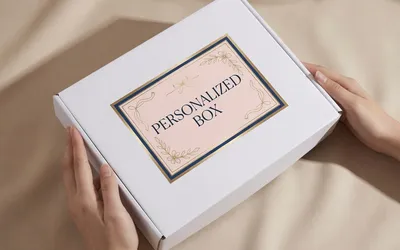
Custom Packaging & Labeling
- Branded polybags, hang tags, and woven neck labels — all produced in-house
- Applied on the production line in-house
- FNSKU labeling and suffocation-warning printing for FBA sellers included
- Your brand identity carries through to the unboxing moment
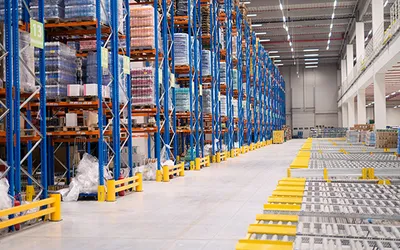
FBA-Ready Production Line
- FNSKU stickers applied on the line, cartons palletized for Amazon inbound
- Polybagged with choke warnings per Amazon requirements
- Ship directly to FBA centers — prep and labeling handled on the line
- Documentation pre-formatted for Amazon shipment creation workflow
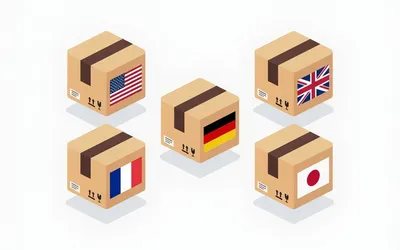
Split Shipments & Multi-Destination
- Split and route shipments at origin — one production run, multiple destinations
- Ship to US 3PL, UK warehouse, and trade show booth in the same batch
- Each shipment gets its own documentation package and tracking
Who This Is For
The Same Starting Point. Three Different Outcomes.
"I can't find a supplier who takes small orders seriously." That's where each of these founders began. What happened next had everything to do with who picked up the phone.
"Sent LeelineApparel a rough sketch of a heavyweight tee — 300 GSM, structured, 3D embroidery. They built the tech pack, sourced the ringspun cotton, and dialed the puff depth across three sample rounds in nine days. First collection sold out in three weeks.
Next order: 500 units. Same factory, same rep, same consistency. Over six collections, defect rate stayed under 1%. A sub-GSM fabric lot got flagged at incoming inspection — caught before cutting, not after."

Malik Carter
Creative Director, Heavy Goods Dept."As a children's brand founder, certification matters more than anything. GOTS and OEKO-TEX aren't nice-to-haves — they're table stakes for my customers. LeelineApparel gave me full chain-of-custody docs on each bolt, traced to the farm level.
Third-party lab reports before production. Water-based prints, compostable packaging. Four seasons, 14 SKUs, zero certification holds across 3,800 pieces shipped. Three independent spot tests commissioned by a UK retail buyer — all clean.
If the paperwork matters to your brand, this is the partner."

Elena Torres
Founder, Linden & Thread"No tech pack, no product sheet — just an idea and a lot of anxiety about minimums. The rep took a rough sketch, picked a 200 GSM fabric, and locked in a retail price that worked. First run: 100 units.
Sold out in 10 days. Second run: 300. Same fabric, same fit. Four reorders later, I am at 1,200 units a month — POM reports from run one and run five sit within 0.3″ on every checkpoint.
Every other supplier brushed off a 100-unit order as not worth their time. Three reorders later, it is still the same factory, same team, same consistency."

Priya Kapoor
Owner, Slow StandardCustomer Gallery
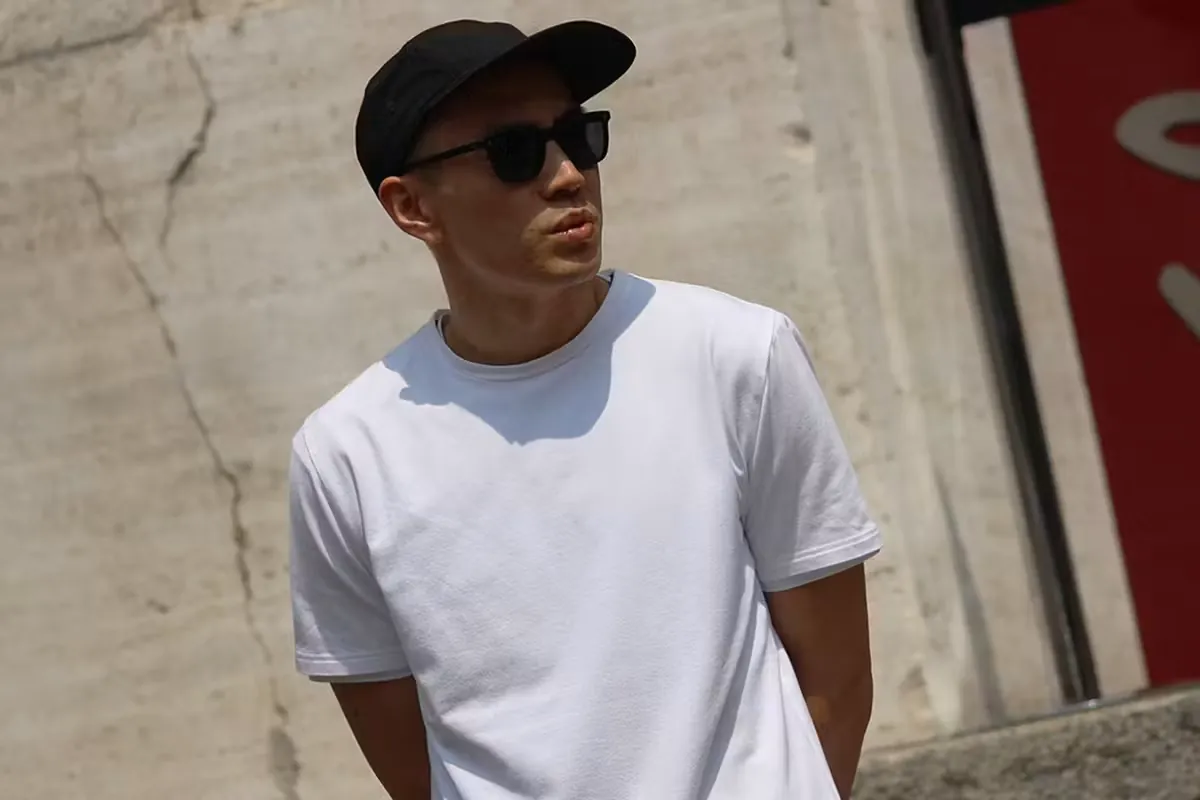
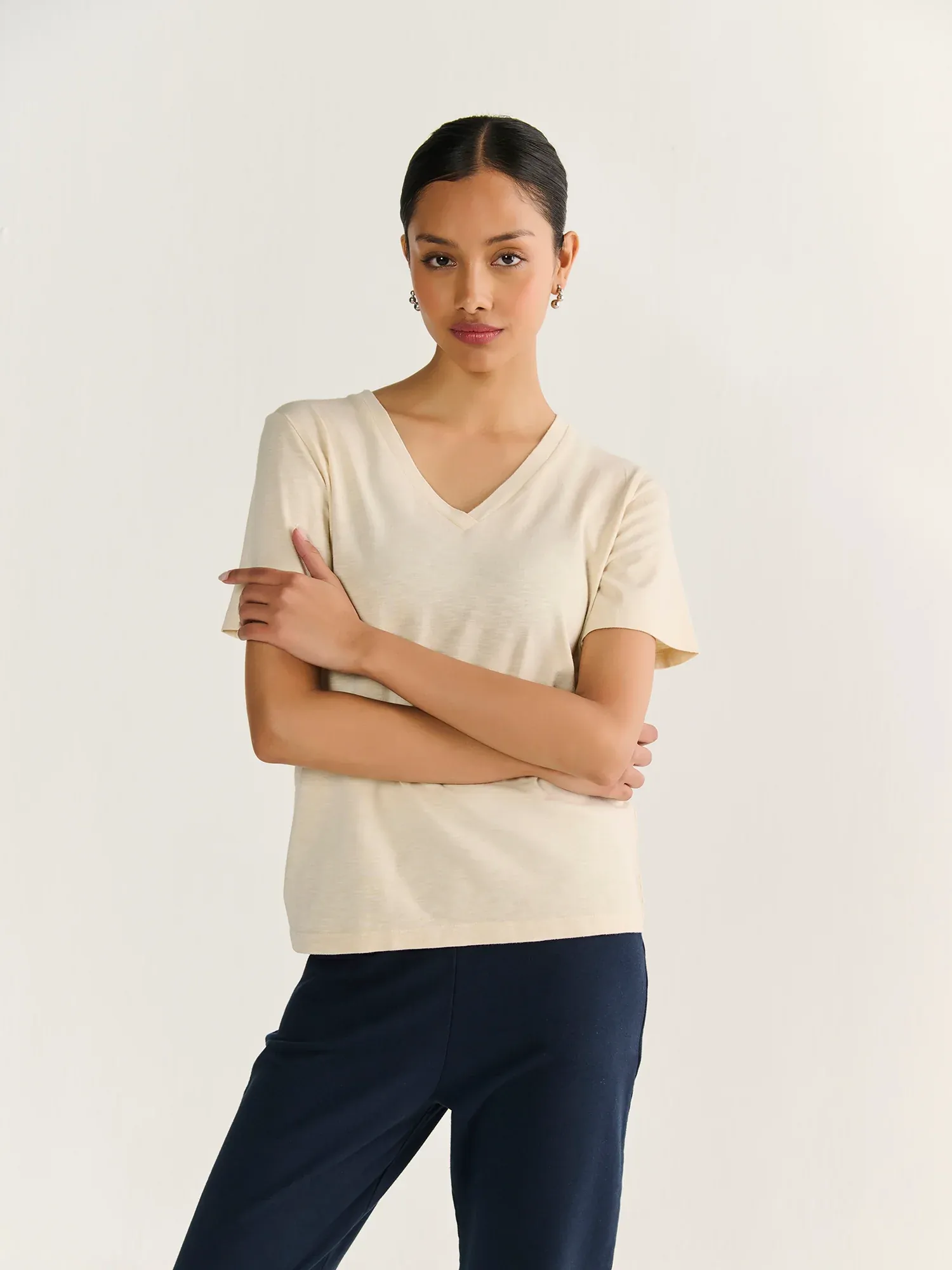
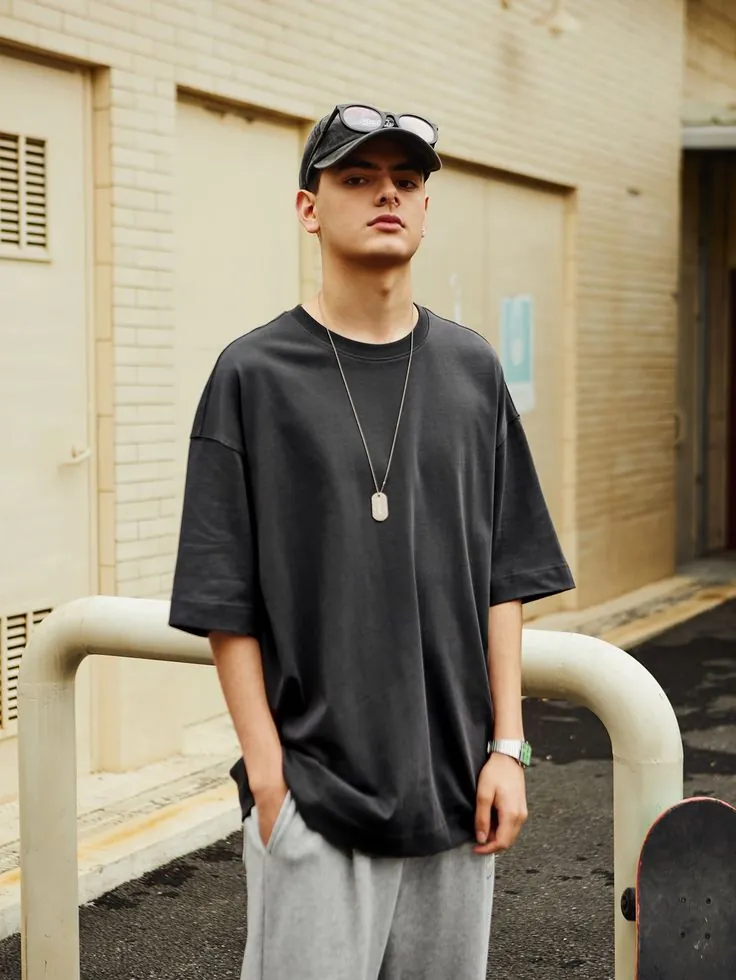
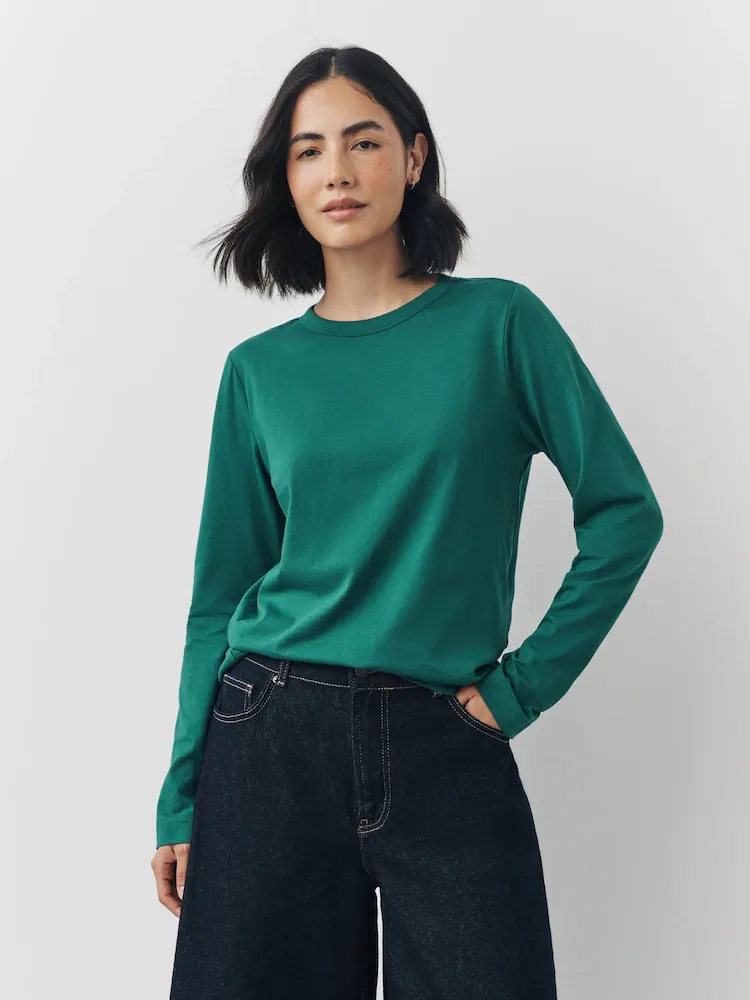
Finished T-Shirts Off the Packing Floor.
Each piece photographed before leaving the floor — inspected, folded, cartoned, and headed to independent brands running real operations, not drop-ship storefronts.
T-Shirt FAQ
Frequently Asked Questions About Custom T-Shirt Manufacturers
What file format should my t-shirt artwork be in?
Vector files (.ai, .eps, .svg, or .pdf with embedded vectors) are ideal — they scale to any print size without losing sharpness, and the prepress team can separate colors cleanly for screen printing. High-resolution raster files (.psd, .tiff, .png at 300+ DPI at print size) work for DTG and sublimation. If you only have a low-res JPEG or a phone photo of a sketch, the design desk can redraw it as clean vector art — included at no charge on confirmed orders. For screen printing, note that each color requires its own screen, so vector files with clearly separated color layers speed up prepress and reduce the setup fee by a day or two.
How many print locations can I have on one t-shirt?
Up to five locations per garment: front, back, left chest, right chest, and either sleeve. Each location counts as a separate print setup. A common entry-level configuration is front print + woven neck label — two touches, clean look, efficient cost. Adding a back print, sleeve print, and hang tag brings it to five touches. The per-unit decoration cost is the sum of each location's individual cost — not a bundled flat rate — so you can mix and match to fit your budget. Neck label and hang tag are the most affordable touches; all-over sublimation is the most intensive.
Can you match an exact Pantone color for my t-shirt fabric or print?
Yes, for both fabric dye and print ink. Fabric dye matching uses a spectrophotometer to hit the closest Pantone TCX (Textile Cotton eXtended) reference — solid shades land within a ΔE of 1.5 or tighter. For screen printing, Pantone Solid Coated to Plastisol ink mixing is standard; the ink kitchen holds 14 base pigments and mixes on-site. A physical swatch or Pantone chip card shipped to the office produces the tightest match. Digital proofs (photos) are useful for direction but are not used for final color approval — lighting and screen calibration introduce too much variance.
What is the difference between cut-and-sew and blank decoration — and why does it matter?
Blanks decoration means printing or embroidering on a pre-made, off-the-shelf t-shirt — you are limited to the factory's existing silhouette, fabric, and color range. Cut-and-sew means the t-shirt is built from scratch to your spec: your pattern, your fabric weight, your neckline shape, your size chart, your label. Cut-and-sew gives you full control — silhouette, GSM, fiber blend, trim, fit — but requires pattern drafting and sampling. Most brands on this page are here for cut-and-sew. If all you need is screen printing on a stock blank, we can still handle it, but it is a different (shorter) workflow.
What fabric blends work for activewear or performance t-shirts?
Polyester-spandex (85–95% poly, 5–15% spandex) — 4-way stretch, moisture-wicking, quick-dry; the default for gym and performance tees. Cotton-polyester (60/40 or 50/50) — softer hand than full poly, better print adhesion, decent wicking if treated. Nylon-spandex — softer drape and higher abrasion resistance than poly; common for premium active lines. Bamboo-modal blends — sustainable angle, ultra-soft, good for yoga and lifestyle fitness. Performance fabrics are kept in inventory alongside the cotton range — the sourcing desk pulls from the same mill network.
Can I mix adult and youth sizes in one order? Do youth sizes cost less?
Yes, you can mix adult and youth sizes within the same style. Youth sizes (typically 2T through Youth XL) follow a separate grade rule set and size chart — the pattern room builds a youth-specific block from the same design spec. Youth sizes do cost less per unit: the garment uses roughly 40–60% of the fabric of an adult Medium, and the print or embroidery area is smaller. The exact cost difference is itemized in your line-item quote. MOQ is still 100 units total — mixing, say, 60 adult and 40 youth units is standard practice for children's brands expanding into adult or vice versa.
How do care labels and compliance tags work for different countries?
Every country has its own care label requirements — fiber content disclosure format, care symbols, country-of-origin marking, and flammability warnings. The compliance desk builds a region-specific care label for you: US (FTC Textile Rules + CPSIA tracking label), EU (EU 1007/2011 fiber naming + REACH), UK (UKCA + equivalent), and Australia/New Zealand (AS/NZS 2392). Multi-country hang tags are available — one tag printed with all required markings on a folded stock. The team monitors regulatory updates so your labels stay current from batch to batch.
Do you offer sustainable packaging options?
Yes, across the full packaging chain. Individual polybags: recycled LDPE with suffocation warning print (standard for FBA) or compostable PLA bioplastic (plant-derived, certified to EN 13432). Hang tags: FSC-certified recycled cardstock, soy-based ink. Mailers: kraft paper or recycled poly. Master cartons: FSC-certified corrugated, water-based adhesive, printed with soy ink. A sustainability packaging addendum is included in your quote — each option is priced as a line item so you can pick what fits your brand's positioning and budget.
Your Tee Line, Ready for Volume
Send a design brief or rough sketch — get fabrics, timeline, and per-unit cost within one business day.