
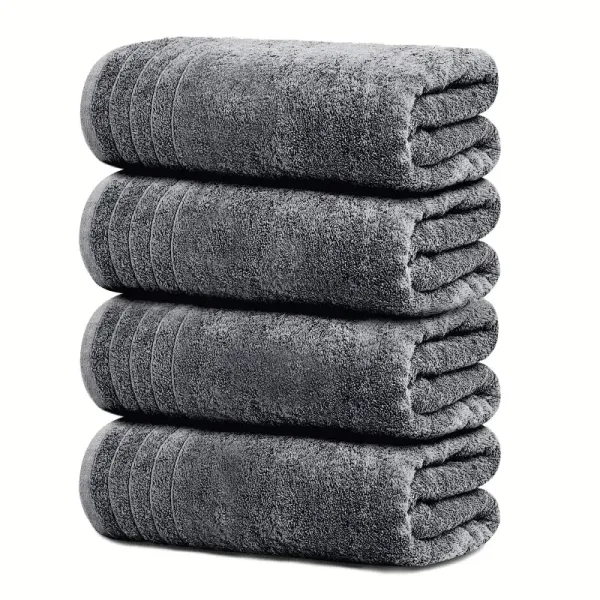
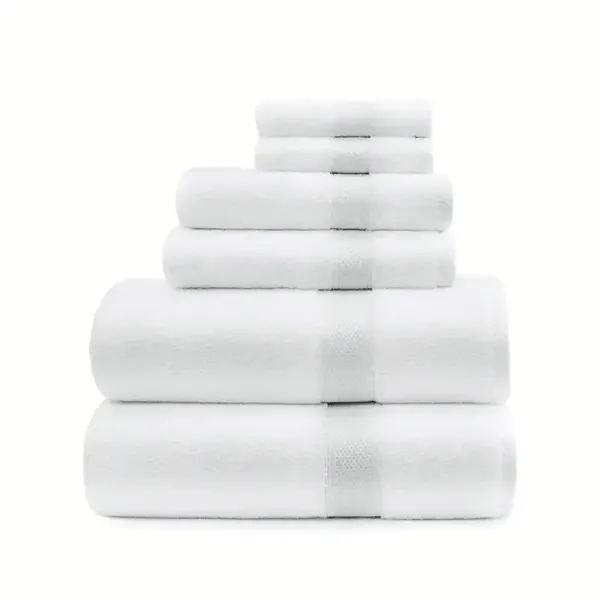
Bath & Bath Sheet
550–600 GSM · 21s/2 · 70×140 / 80×150
- The bath sheet is the upsell slot: same looms, an oversize cut that prices higher.
- Daily laundry is the test — 21s/2 two-ply and a reinforced hem survive the 60–90°C cycle.
Private-label and bulk towel sourcing for hotels, SPA, retail and sports brands. Custom woven logo towels — yarn-dyed jacquard, reactive print and embroidery on cotton, bamboo, microfiber and rPET — built to your GSM spec, and colour-fast and low-lint after industrial washing.
Choose Your Towel Type
Pick the towel scenario, and the tile gives you the spec it calls for — size, GSM, yarn and material — plus a pointer on to the weight and fibre sections below.
550–600 GSM · 21s/2 · 70×140 / 80×150
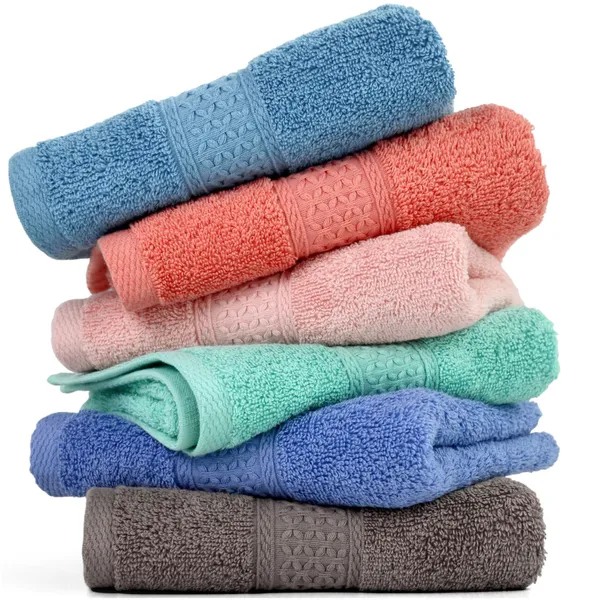
450–550 GSM · 32s/2 · 40×70
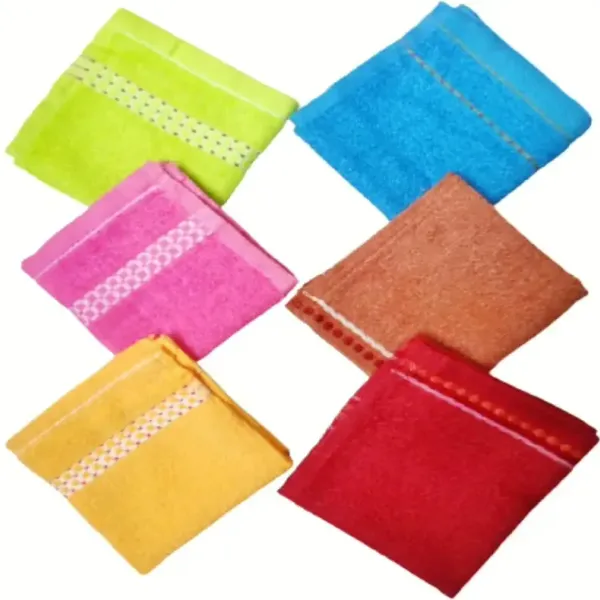
400–450 GSM · 32s/2 · 34×35 (or square)
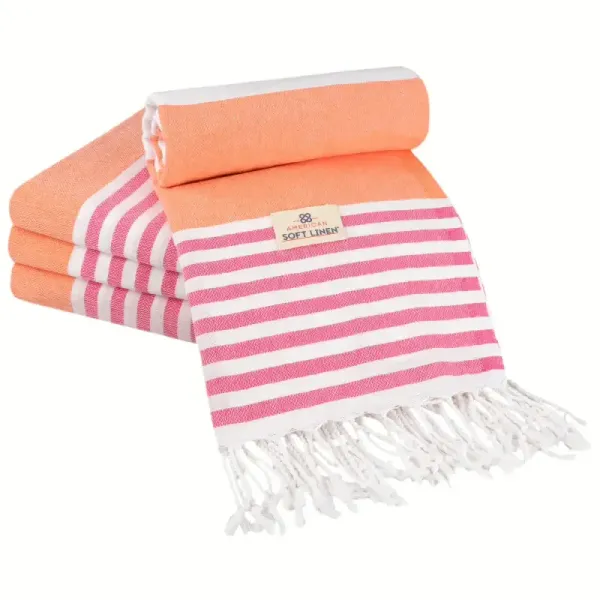
350–500 GSM velour · 90×170 / Ø140 round
600–700 GSM · 21s/2 · bath/robe scale
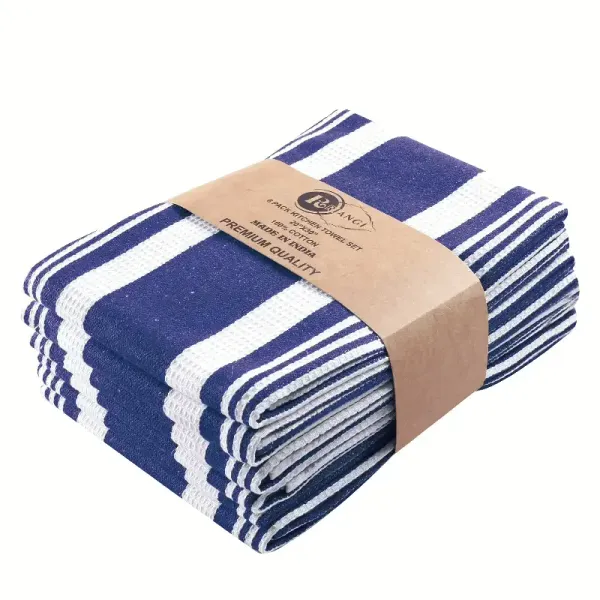
350–450 GSM · waffle or flat weave
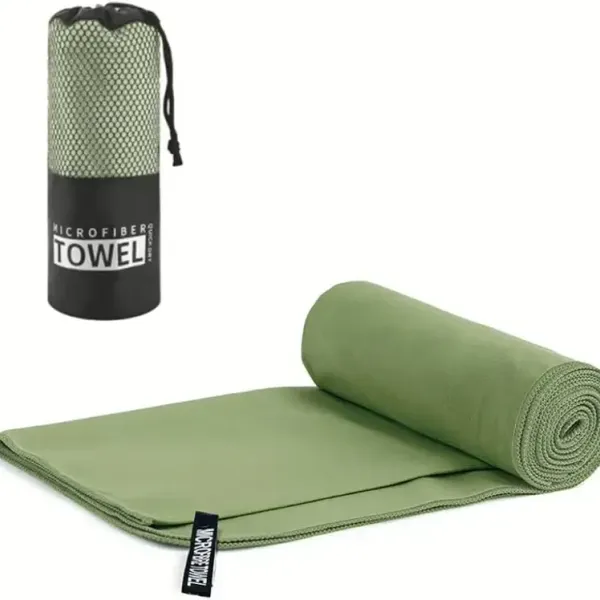
Microfiber · 350–450 GSM
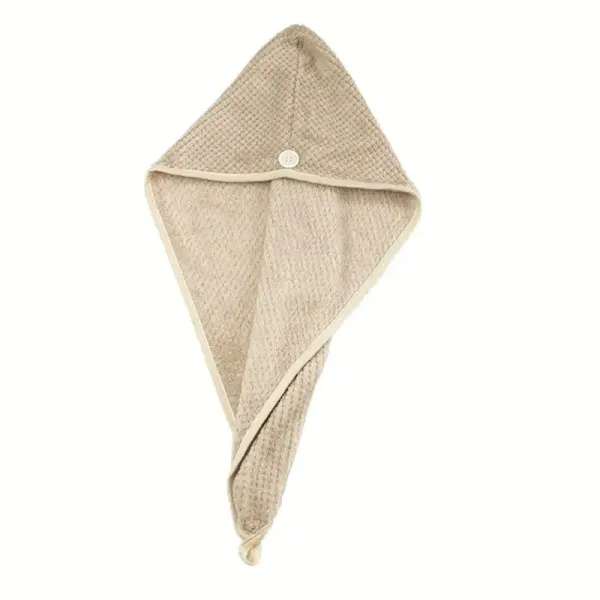
Microfiber · 300–400 GSM
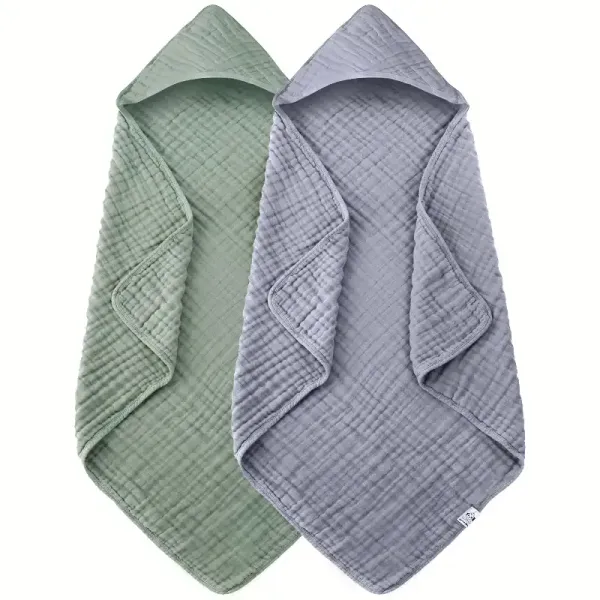
550–600 GSM · GOTS organic
Towel Fabric GSM Guide
English cotton count (Ne) is the number that decides how thick the yarn is — 16s is a chunky luxury yarn, 32s is a fine one. Count plus loop density sets the GSM, and GSM sets the use case. This is the towel fabric GSM guide mapped to real towel procurement.
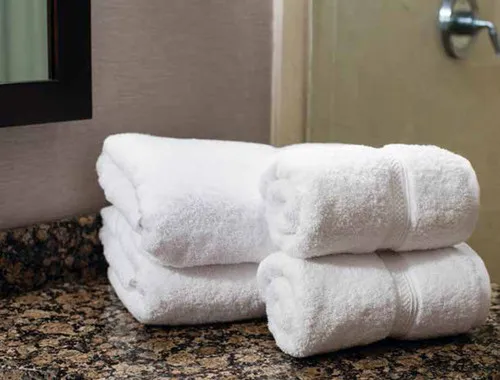
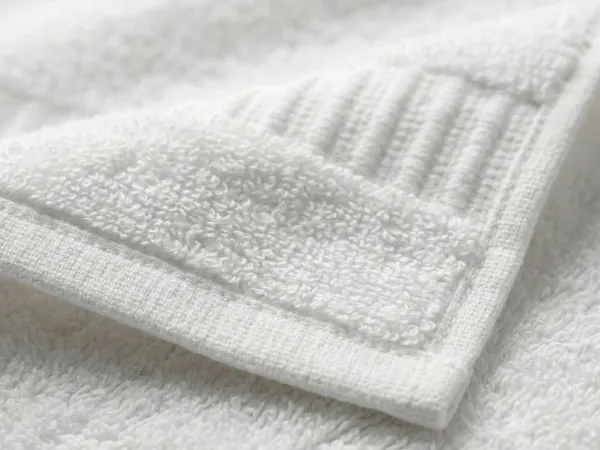
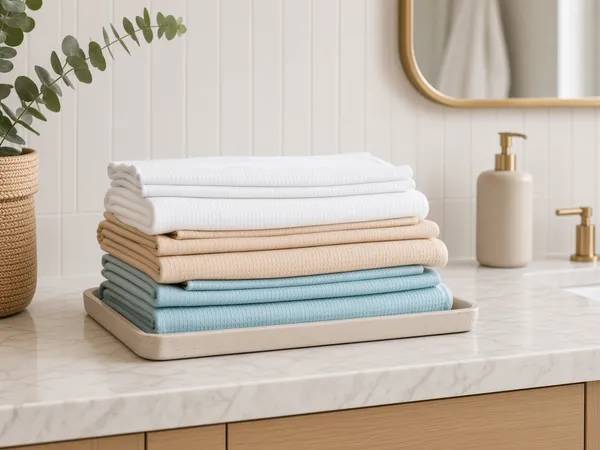
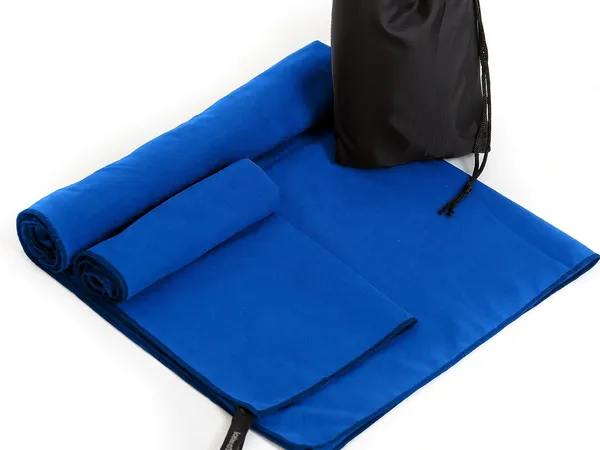
A 500 GSM made from fine 32s/2 yarn and a 500 GSM made from chunky 21s/2 yarn are not the same object. The 21s/2 two-ply weaves denser, more robust loops; the 32s/2 finer yarn builds a softer, slightly flatter face. If you spec by "500 GSM" alone you can land on the wrong towel for the job — the yarn count is what actually sets the hand and the lifespan.
Towel Material Comparison
Same GSM band, four towel fibres. The ladder already set the weight — this table compares the fibre at that weight and construction.
| Performance | Cotton  | Bamboo 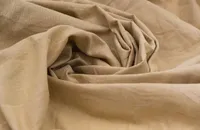 | Microfiber 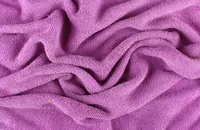 | Recycled RPET 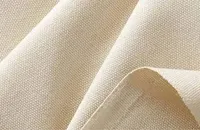 |
|---|---|---|---|---|
| Absorbency | High | High — silky, wet-out fast | Moderate — wicks, low soak | Moderate-high, near cotton |
| Dry speed | Slowest | Faster than cotton | Fastest | Comparable to cotton |
| Wash durability | Best — ring-spun long-staple | Moderate — more delicate | Very good — resists odour | Good — eco lines |
| Cost | Baseline | Mid-high | Low-mid, light freight | Mid — certified recycled premium |
| Certification | OEKO-TEX, optionally GOTS | OEKO-TEX; certified bamboo viscose | OEKO-TEX; recycled-poly on request | GRS — recycled content certified |
Custom Woven Logo Towels
Three ways to brand a towel — woven in, printed on, or stitched over. They change the MOQ, the setup, the durability and the hand. This is the comparison sheet for custom woven logo towels.
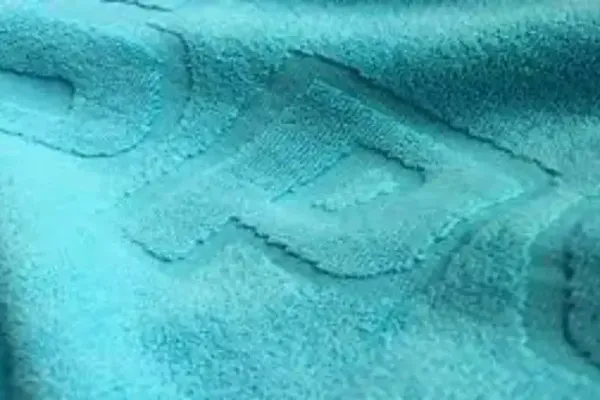 01
01 Woven in with pre-dyed yarn — part of the cloth, not printed on top.
The callLuxury hotel & premium retail — long-life, low-defect line.
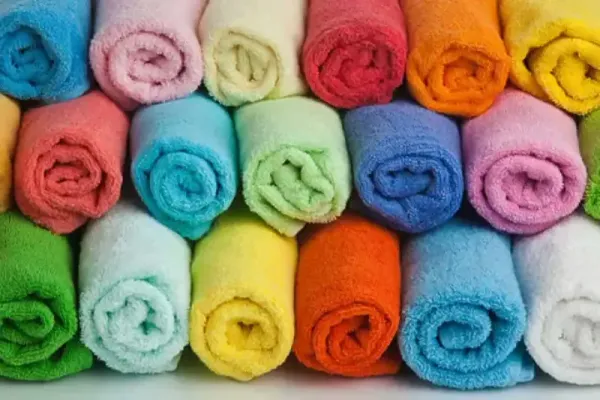 02
02 Full-colour artwork printed onto the pile — low design restriction, but the ink sits on the surface.
The callPromo & seasonal beach towels — full-colour, fast, low-risk first run.
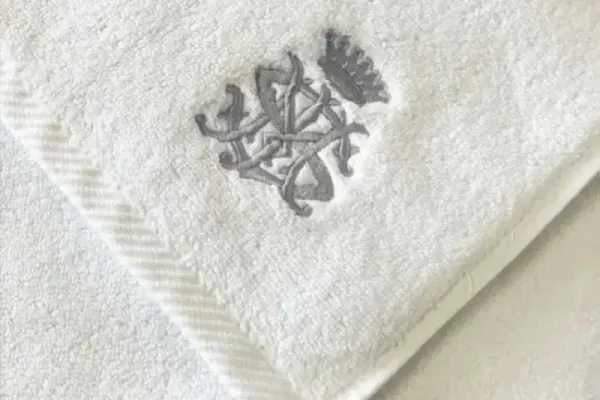 03
03 Stitched on top with a backing stabiliser — a premium, tactile finish.
The callExecutive gifting & boutique hospitality.
Circular Production
Post-consumer PET and ocean-bound plastics become rPET towel yarn — with the softness and strength of virgin polyester.
Wash & Performance Specs
After yarn-count band and towel fibre are chosen, this table is the acceptance spec. This is the QC gate, not another product story.
| Performance | How it is checked | Acceptable number | Why it matters |
|---|---|---|---|
| Absorbency | Weigh a dry towel, soak, re-weigh; sink-time drop test on the pile | Ratio 5–7× · sink ≤ 5 sec | A towel that reads high on the roll but beads instead of soaking fails the sink test — this is the number that catches it. |
| Industrial wash durability | Wash to cycle count at 60–90°C, then re-check GSM and hand | 100 / 200+ / 300 cycles by tier | Predicts when you replace stock — a lot that drops GSM below its tier is out of spec. |
| Drying speed | Weigh wet, run a fixed tumble-dry cycle, re-weigh to target residual moisture | Dry time 30–60 min by GSM tier | Drying time you can schedule against; higher GSM dries longer — see Luxury Plush factory reality above. |
| Shrinkage | Measure relaxed length/width before and after laundering | Length & width ≤ 3–5% | Out of band and a bath sheet stops covering the bed — a guest-facing size loss after the first wash. |
| Colour fastness | ISO 105-C06 / X12 or AATCC; white-towel chlor-bleach/industrial wash | Grade 4–5 (ΔE ≤ 1.0) | Deep shades must not bleed onto whites in the same load; chlor-bleach resistance is the hotel-specific check. |
| Lint / pilling / snagging | Fibre-loss weigh after first 3 washes; loop-pull test | Lint loss ≤ 0.5% · no loop drops | Lint in the first washes is the guest complaint; loop drops turn snags into runs that kill the towel. |
Sample to Golden Sample
The point of a towel sample is a bulk run you can trust. Here is the cycle, the fee, the revision rules — and the tolerance we commit to so sample and container are the same object.
A physical sample is cut and finished to your spec. The cycle runs around 5–7 working days depending on construction and finishing.
Once you sign off, that exact piece becomes the golden sample — the colour, GSM and hand-feed your bulk run is measured against. It is not "a sample", it is the reference.
At bulk, line samples are pulled and checked against the golden sample: shade, weight, dimensions, loop hand. If it does not match, it does not ship.
Yarn to Hand-Feel
A bulk run stops matching the towel you signed off at one of four points. Each gate below is held to the golden-sample spec, so the container matches the sample — not a close approximation.
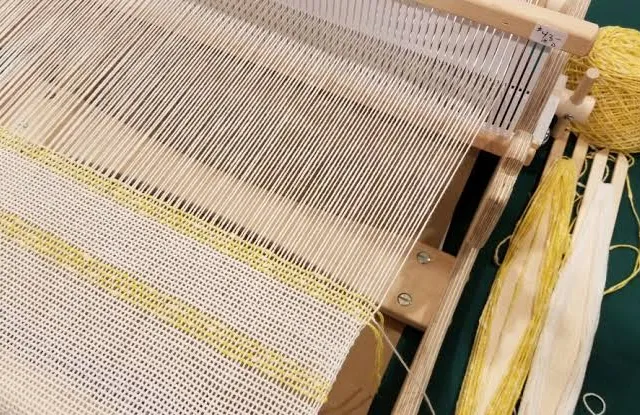
Yarn count and fibre confirmed on arrival — Ne, ring-spun vs air-jet, cotton/bamboo/microfibre/rPET. Loop height set at the loom so the pile meets the GSM band.
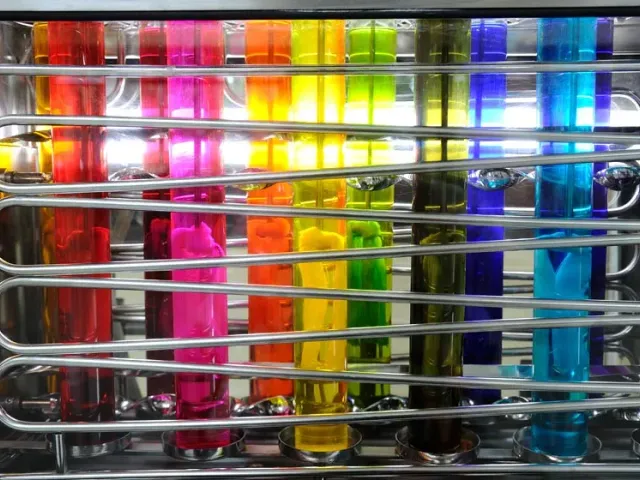
Yarn or piece dyed and matched to your PMS, shade verified in a D65 lightbox against the approved dip. Fixation locked so the colour does not bleed in a 60–90°C industrial wash.
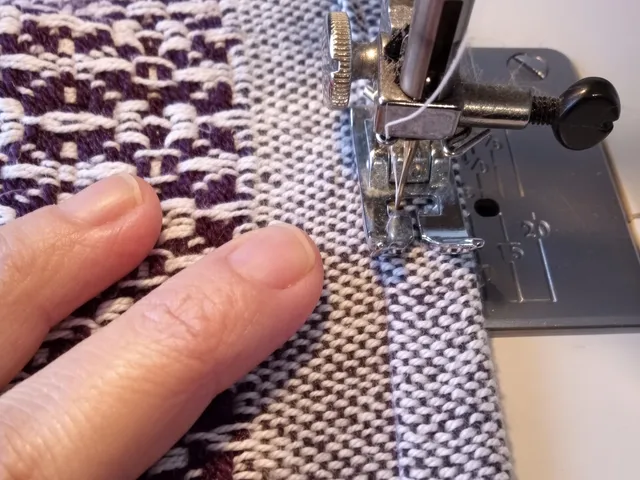
Towel cut to spec, hems double-stitched and borders reinforced (twin-needle, overlock, corner guards) so the points that fail first under laundry survive.
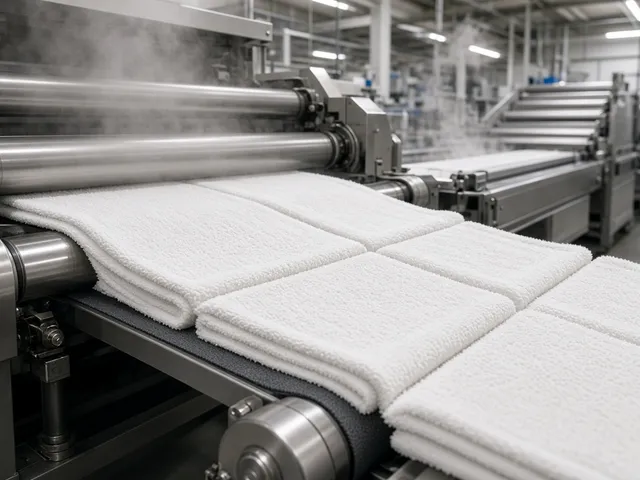
Relaxation/shrinkage and softening or bleaching per spec — measured so the finished GSM and dimensions land inside the PO tolerance and the hand matches the golden sample.
Bulk Inspection Checklist
Towel lots are pulled against an accepted AQL plan, and the six checks below map to performance specs you can verify yourself. This is the checklist — not a promise — that a procurement officer can hand to the factory.
PO quantity, carton counts and shipping marks against the packing list; SKU/colour ratio confirmed.
Cut and weigh a specimen; measure relaxed length/width against the PO. Band: GSM ±5%, dimensions ≤ 3–5%.
Compare to the golden sample under standard light; wet/dry crock with a white cloth. Band: colour ΔE ≤ 1.0.
Tug-test seams and hems — twin-needle overlock and corner guards intact, no skipped or broken stitches.
Sniff test for musty or chemical smell; check for residual finishing agents and mould/moisture.
Run the pile for weak loops and linting; compare to the lint-loss band in TowelPerformance.
The accept/reject numbers for towel defects. Critical defects are a hard zero.
Needles, metal or foreign objects, hazardous mould
Automatic lot rejection — regardless of sample result.
Pulls/snags, dropped loops, GSM or size outside tolerance, severe shade variation, unraveling seams
Sampled to the accepted AQL plan; failures reworked or replaced.
Loose threads, minor finish variance, cosmetic blemishes outside the approved range
Sampled at a looser threshold; noted on the inspection report.
Towel Procurement
Beyond the towel itself, procurement decisions decide how it performs and what it costs to land: the packaging, and the commercial terms that settle the money along the way.
Customers Reviews
Independent brands and enterprise buyers — all with measurable outcomes.

Liam Bennett
Hotel Towel Buyer
A 700 GSM hotel towel line came back as a hand sample in five days, GSM and shade matching the approved dip.
Weight held at 700 GSM ±3% across the whole 5,000-unit run, so the bulk matched the spec sheet.
Twelve industrial washes later (60–90°C), still the same shade and no shedding into the guest linen.
The inspection report landed before the container did — the dock decision was a formality.

Sophia Martinez
Procurement Manager
Bath, hand and face towels combined into one 40-ft container to hit the 100-pc minimum per colour.
Gym towels sublimated in microfibre, beach towels printed on velour — the artwork has not cracked this season.
13 days early, and the lot cleared with zero critical defects on shade and GSM.
Compressed bales cut the CBM; landed cost came in 18% under the first carton-only quote.
Shipped, Not Stocked
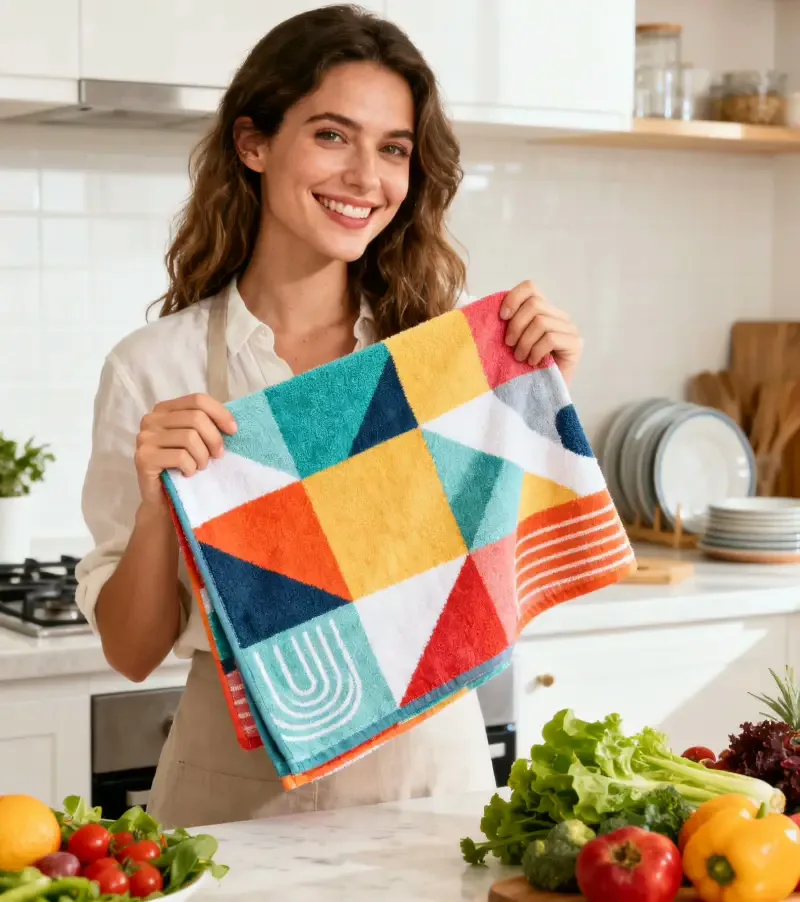
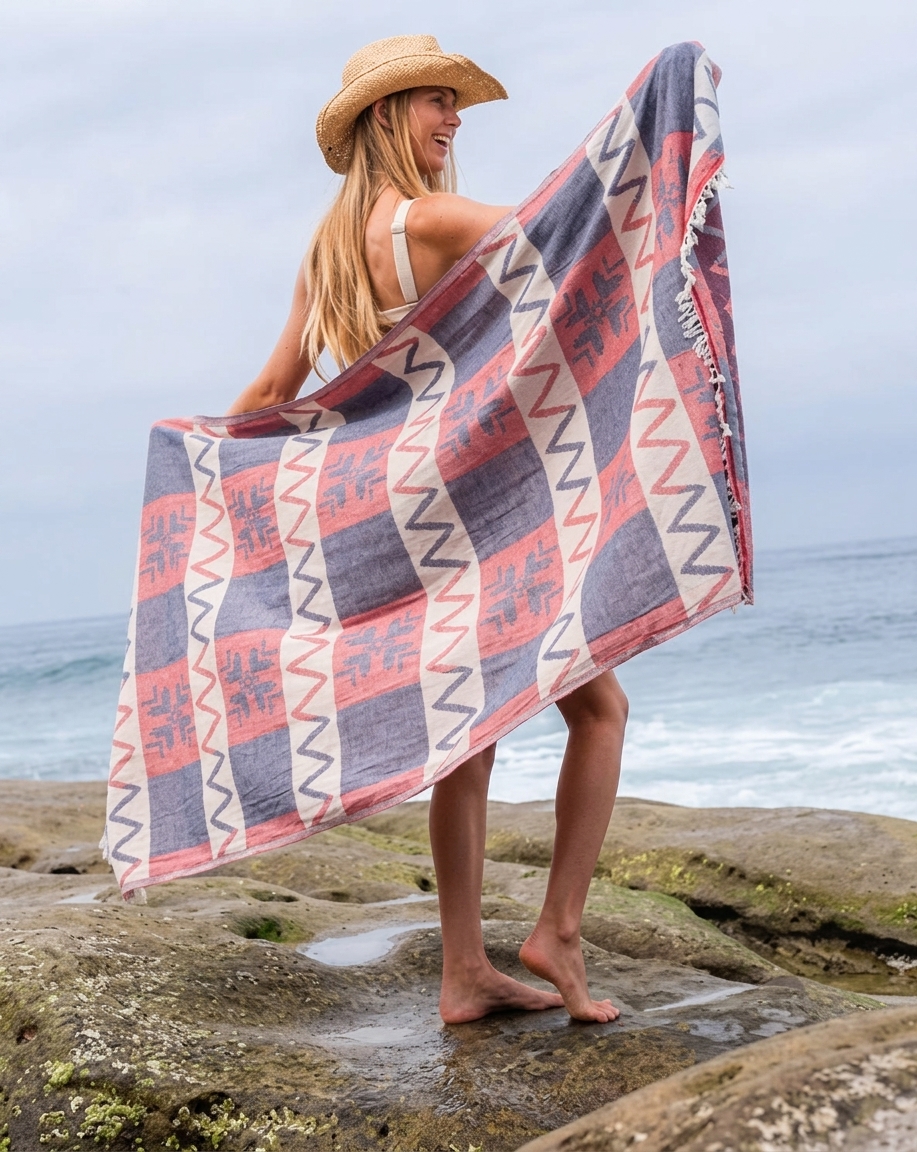
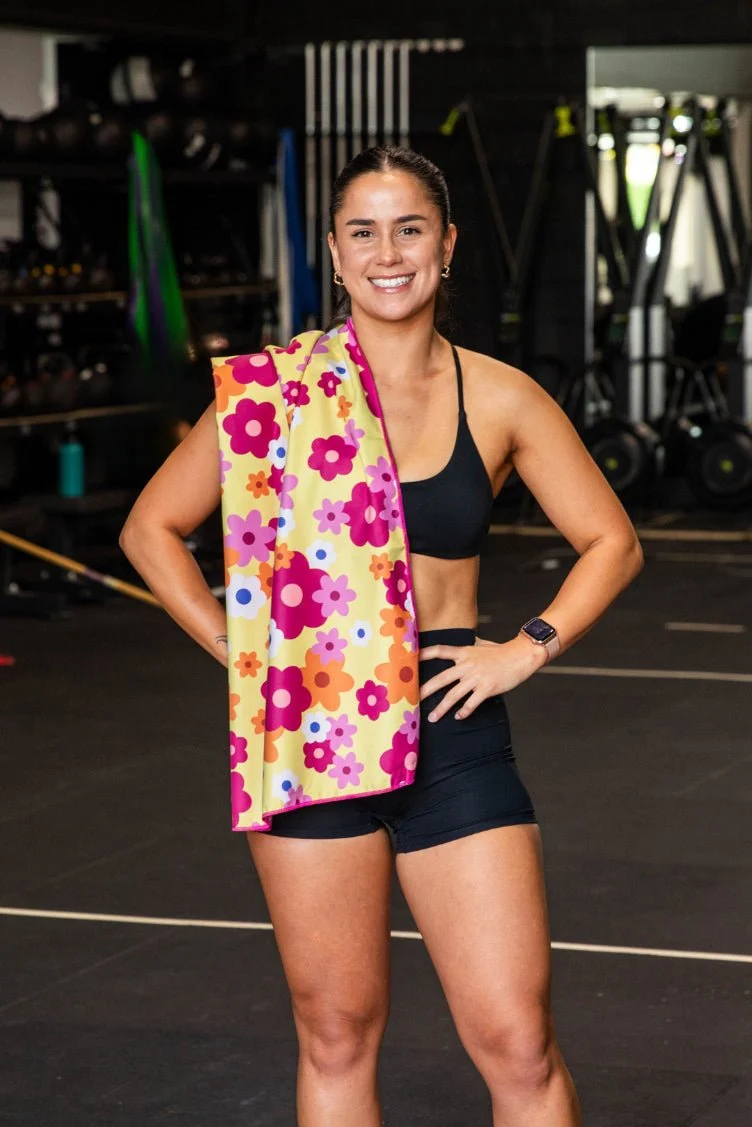
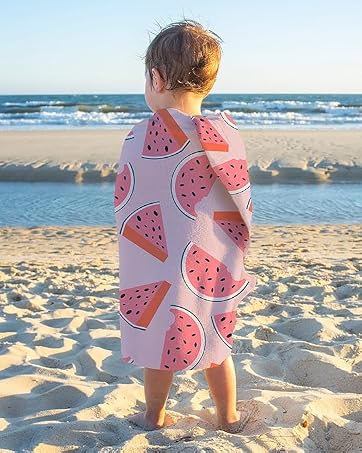
Finished bath, hotel, beach and gym towel pieces from real production runs — each with the spec that shipped. Real runs only, not stock photography.



Towel Sourcing, Answered
The difference is not just how it feels — it is what it costs to run. A 600–700 GSM towel weighs roughly twice as much wet, so it spins and dries slower and burns more energy per load in a 60–90°C industrial wash. Over a property that launders hundreds a day that is a real line item against the guest-experience gain. GSM is speced to your laundry reality, not to "plush".
That is the difference between ring-spun long-staple yarn and short-fibre yarn. Ring-spun loops hold their shape well past 200–300 industrial cycles; short-fibre air-jet yarn sheds heavily in the first few washes and thins early. We hold a lint-loss band and loop-pull check at inspection (see the lint/pilling row in Performance).
The golden sample is the reference, and you can check the deliverable to it yourself. Weigh a golden sample and a bulk towel — they should sit in the same band. Then wash the golden sample 5–10 times and compare shade and hand to the bulk. On the production side the bulk is pulled against the golden sample for GSM ±5% and shade ΔE ≤ 1.0, so the check holds on both sides.
Only if the dye is not properly fixed. We test colour fastness to ISO 105-C06 / X12 and run a wet/dry crock against a white cloth, and on white towels a chlor-bleach test. Verified shades hold without bleeding onto whites in an industrial load. Dark shades for a hotel program are tested to the wash cycle the house actually runs.
It depends on the method. Yarn-dyed jacquard is woven into the cloth, so it cannot fade — the pattern is in the fibre. Reactive print fixes ink to the fibre and outlasts pigment print, though it sits in the pile and is best on a smooth velour face. Embroidery needs a backing stabiliser and correct stitch density or the pile flattens — it is tested on a pilon panel through 5–10 industrial washes before bulk.
You send photo evidence — no argument is needed. Documented defects against the PO are reworked or credited on the affected units, and the resolution is written into the inspection report. Critical defects (needles, metal, mould) trigger automatic lot rejection at inspection before the container leaves.
Yes. If you are buying for a seasonal peak, say how much, by when, and when you need the sample approved — the loom and finishing slots are held for your volume so the run is not squeezed at the last minute. Locking capacity early is how you avoid a Q4 scramble.
Share a reference towel or a tech pack and get a yarn-count and GSM review, a fabric swatch set, and a milestone sample timeline — before a metre is ordered.
Start typing to find articles
No articles found
Try a different keyword