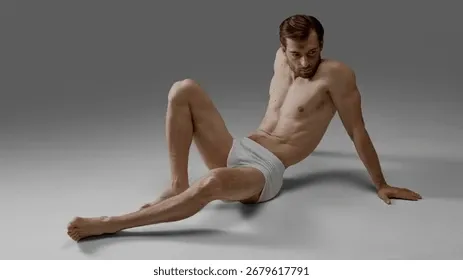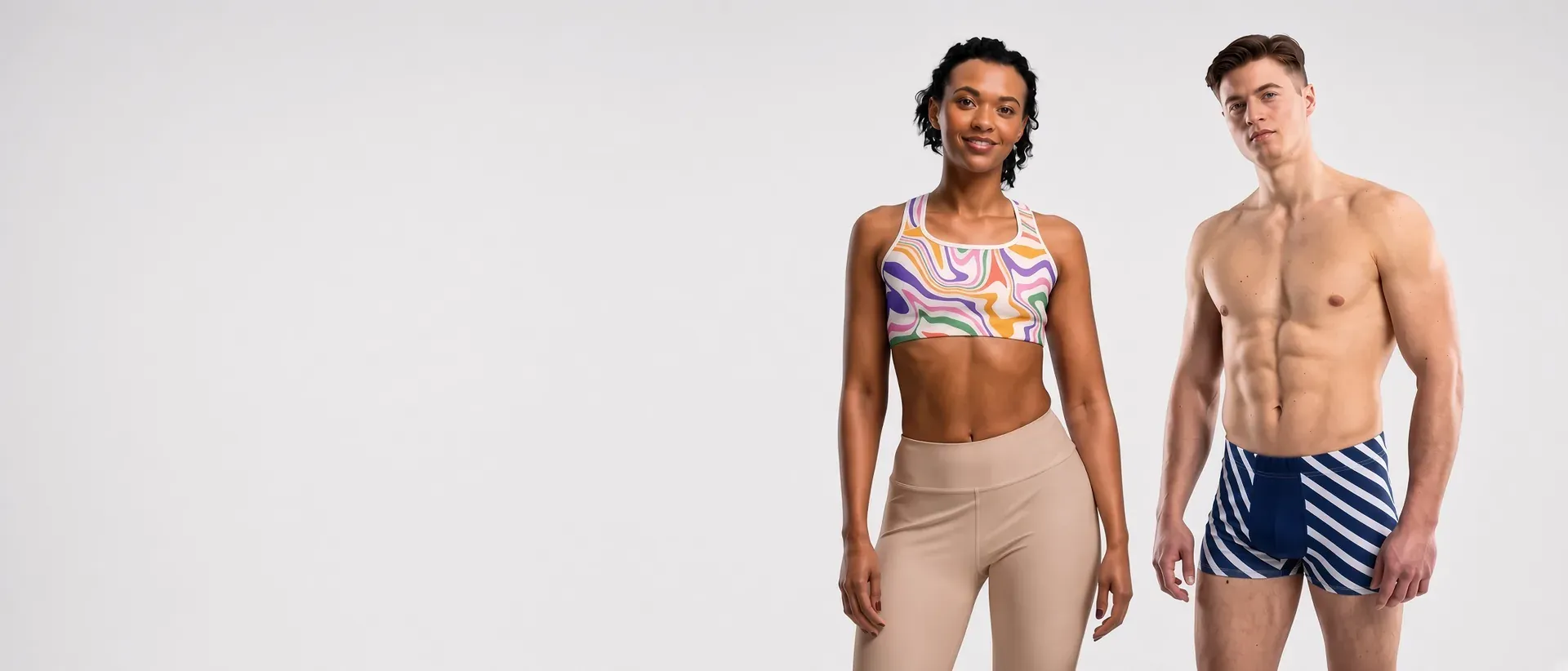
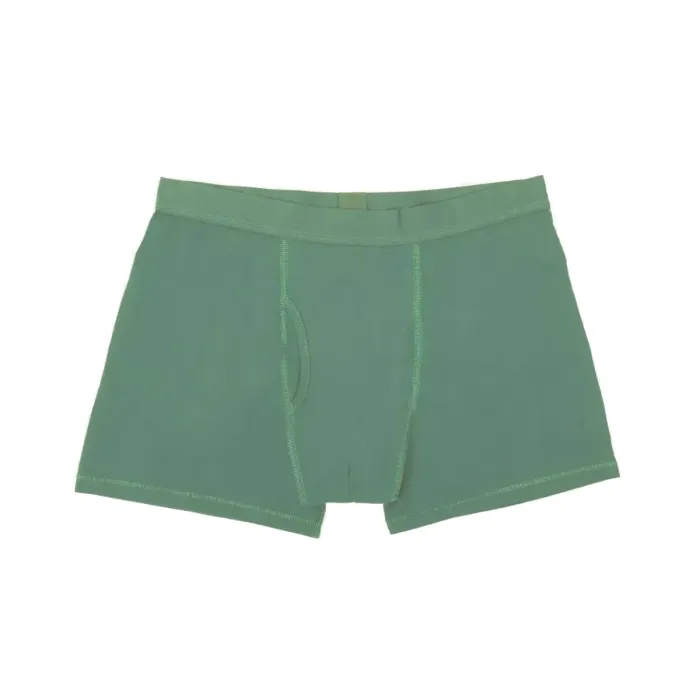
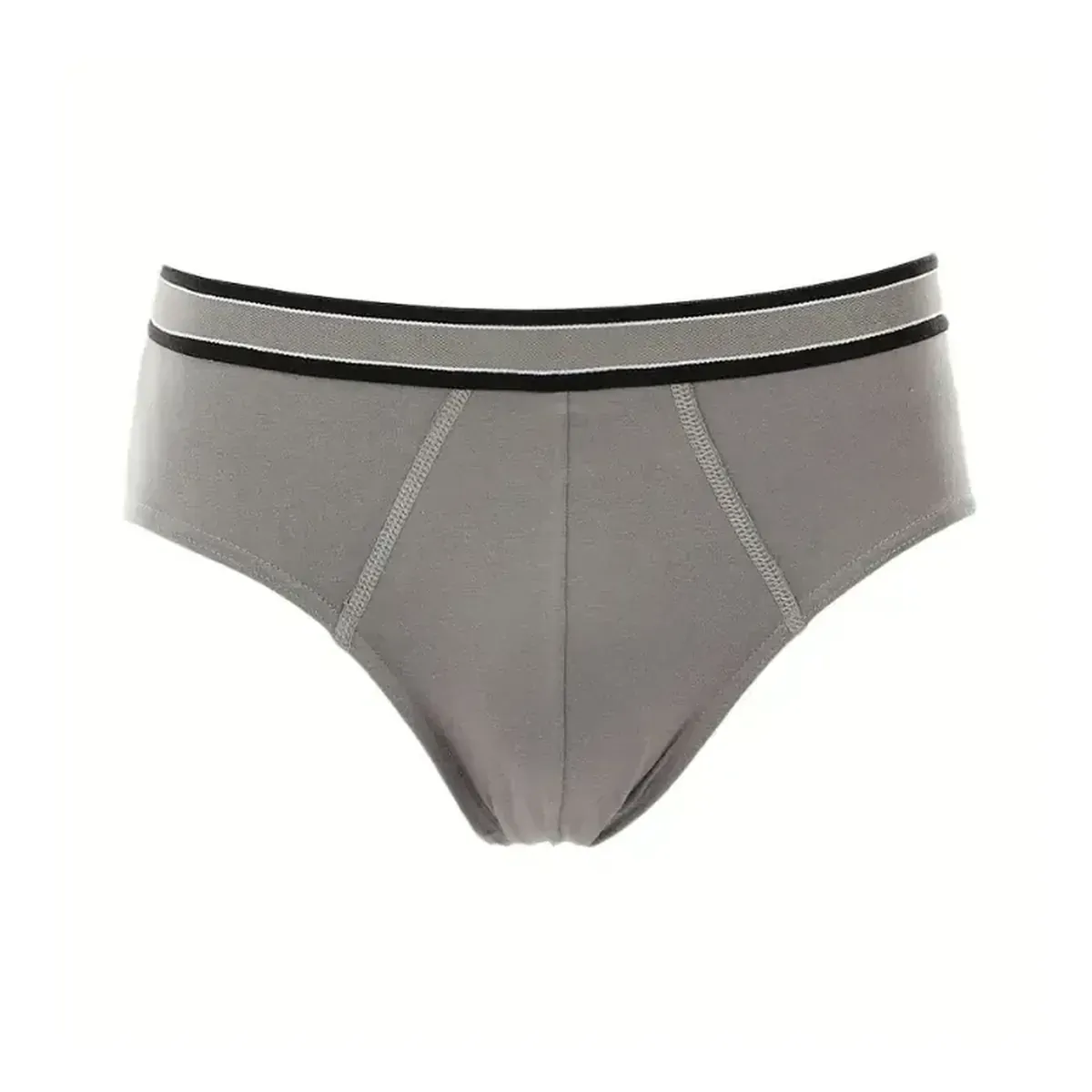
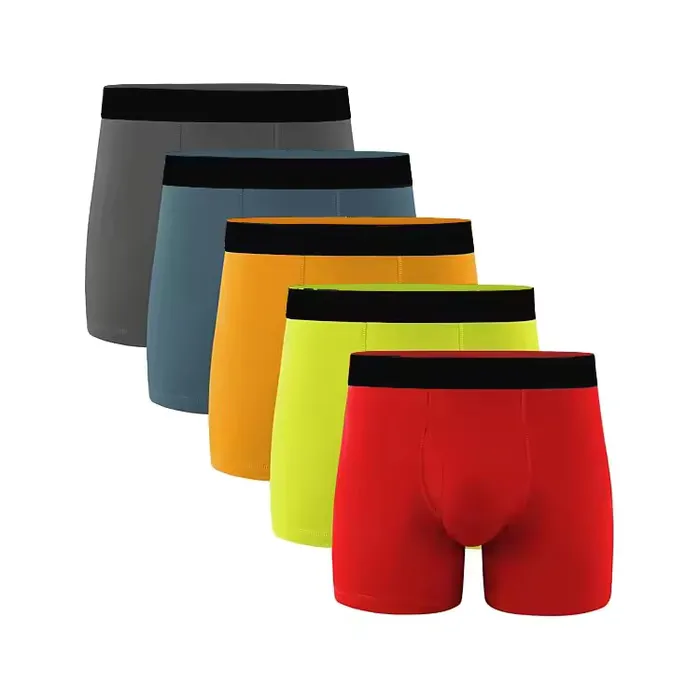
Boxers
- Loose-cut legs that stop bunching and ride-up under trousers
- Covered elastic sits flat — no dig-in
- Relaxed all-day fit
- Tagless label — no scratch at the waist
Private-label underwear manufacturer — boxer briefs, trunks, briefs, bikinis and bralettes, cut to your own sizing and grading and tested skin-safe and colour-fast for the EU and US markets.
Custom Underwear Range
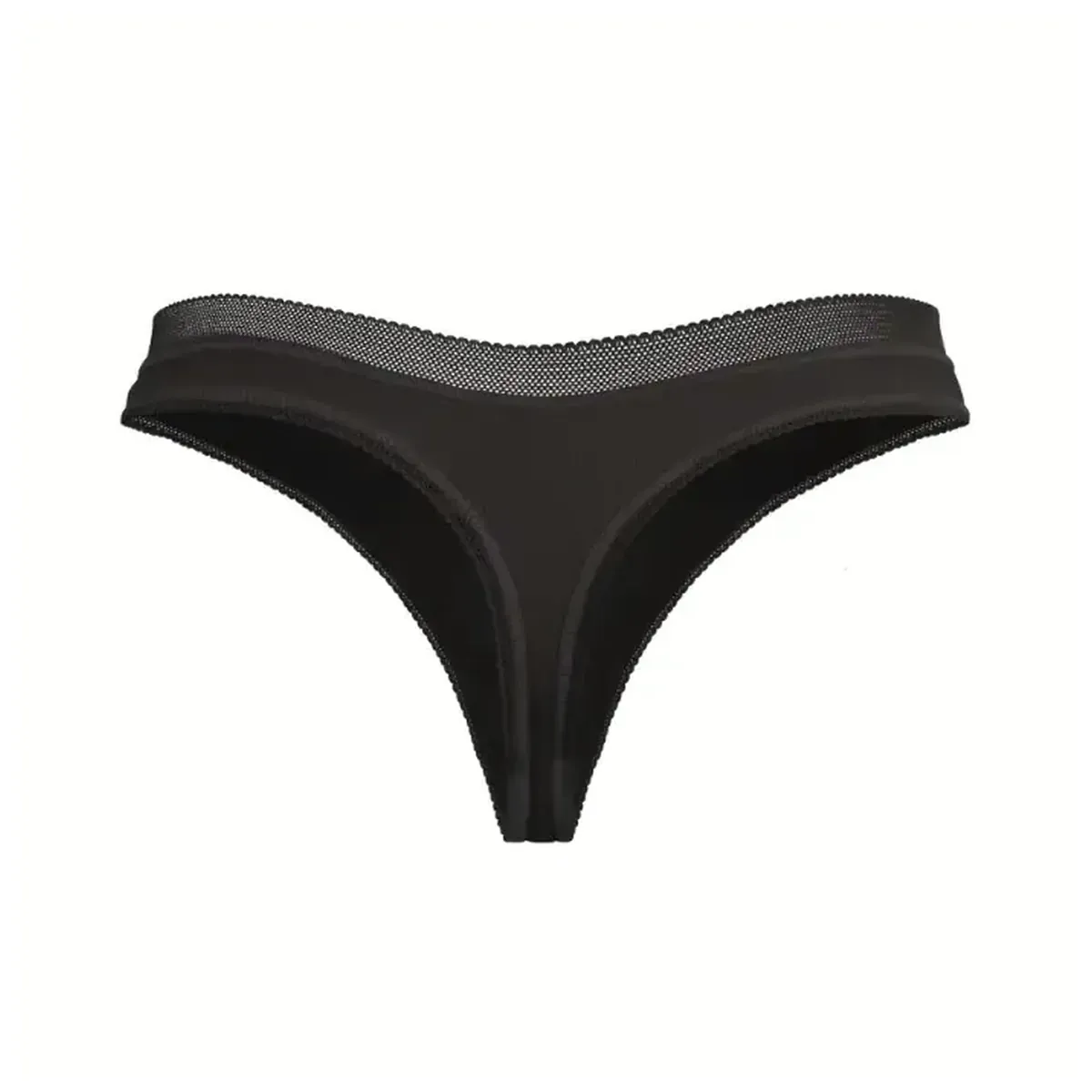
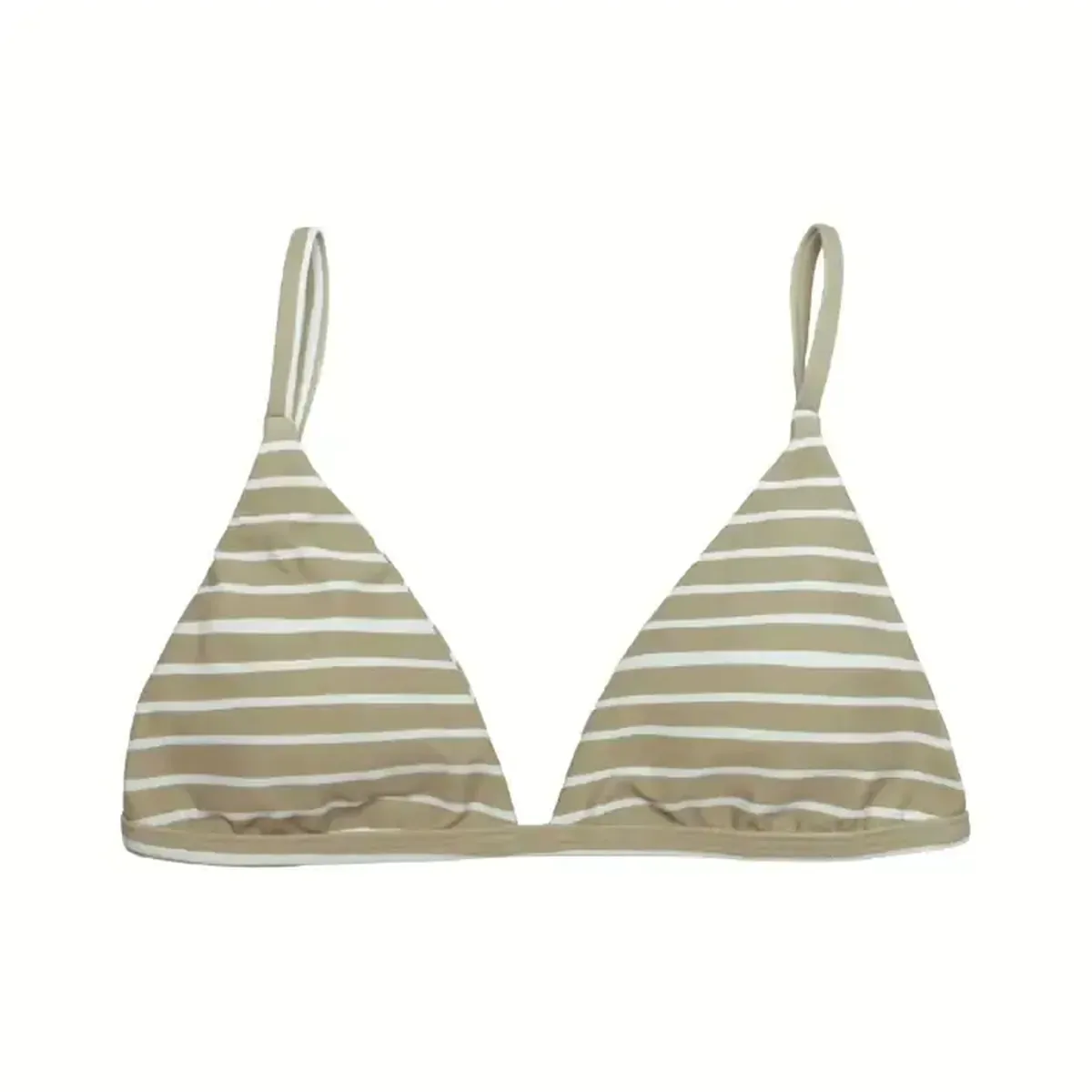
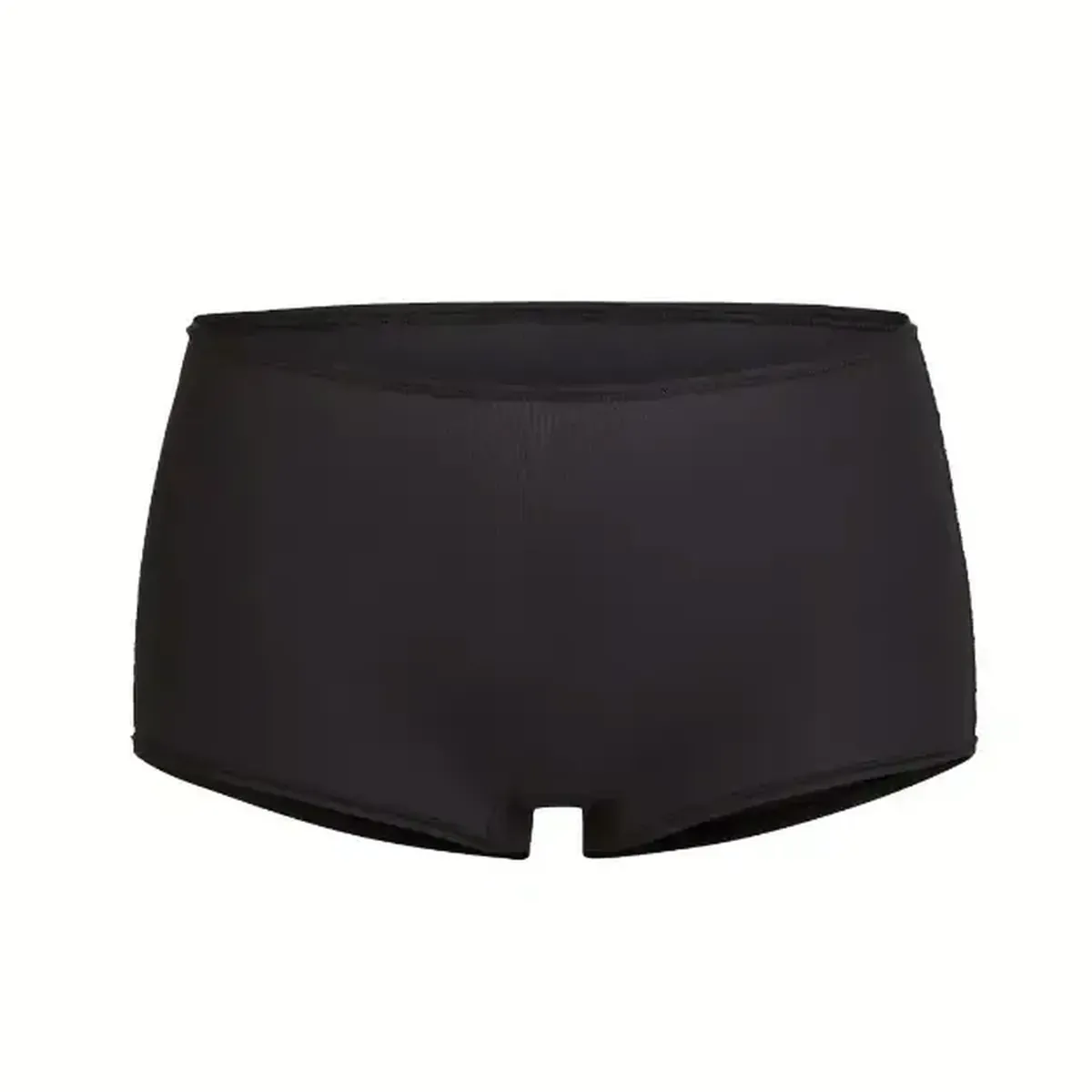
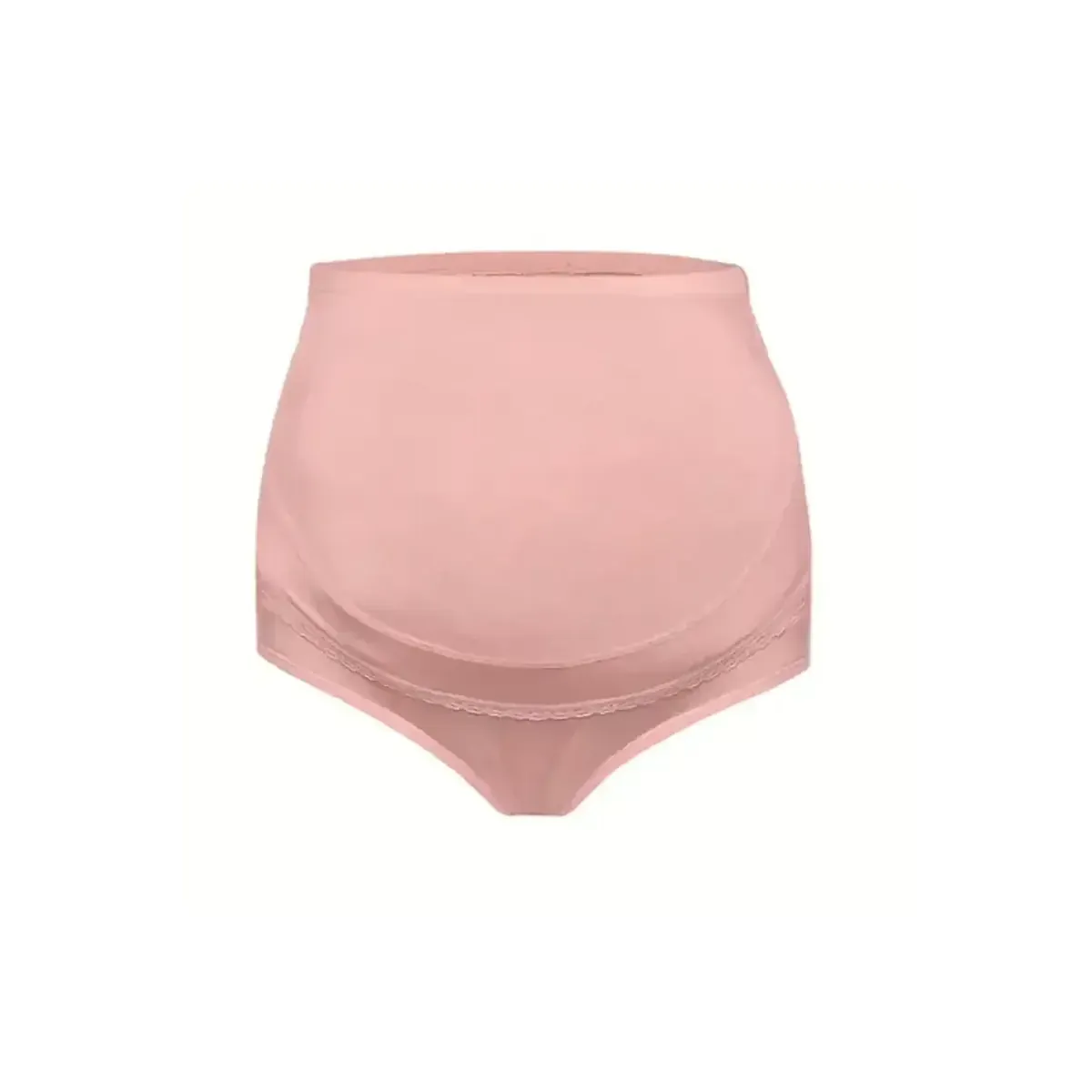
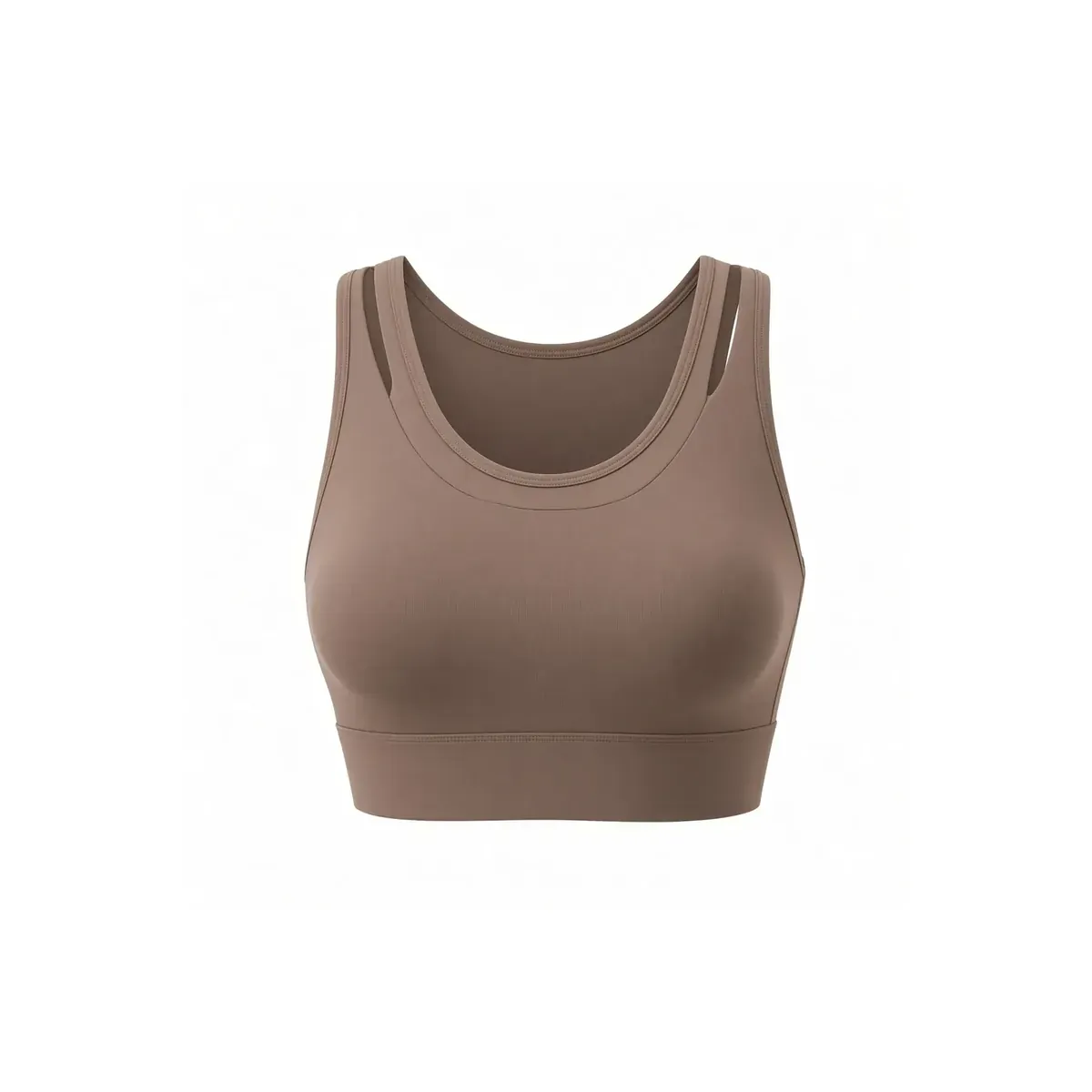
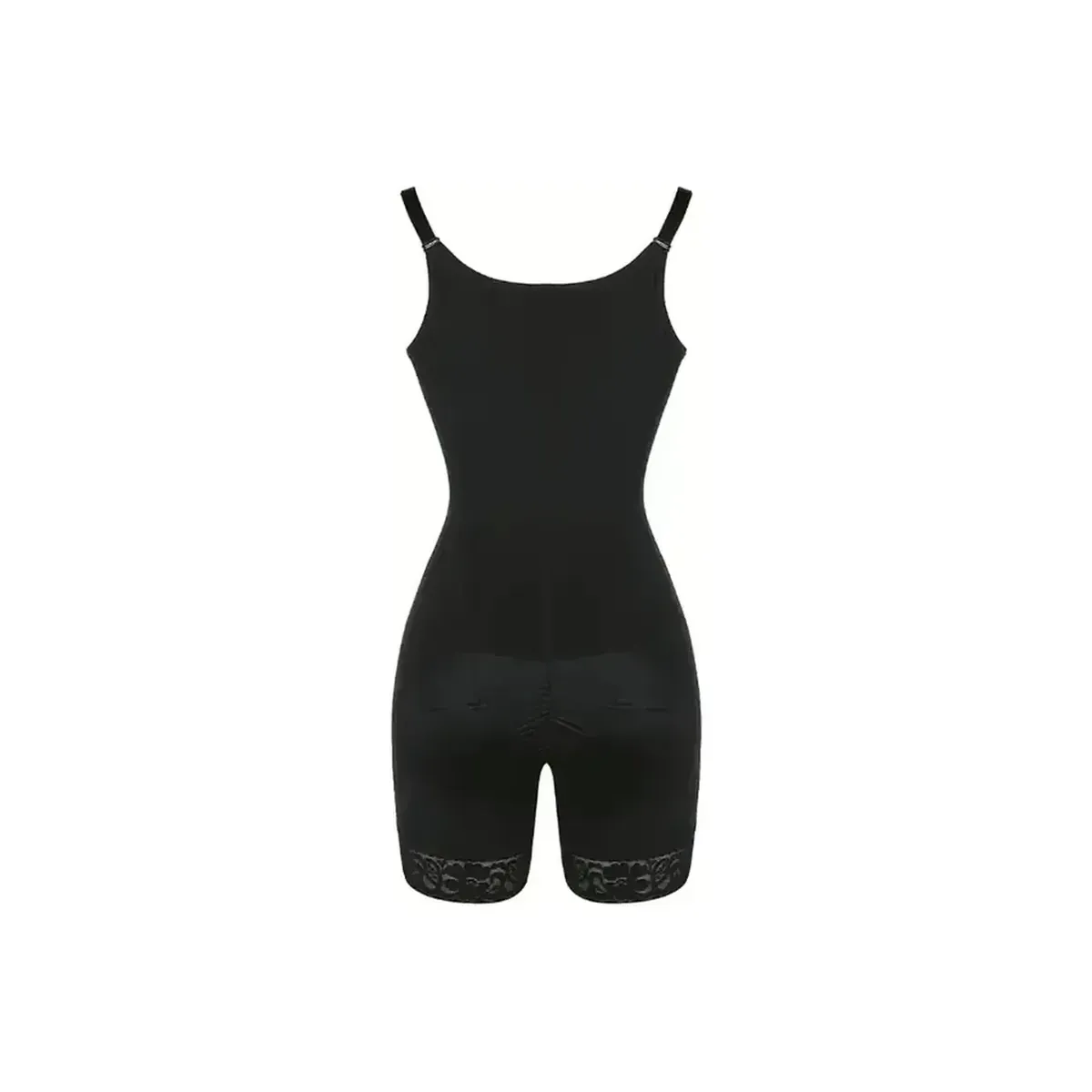
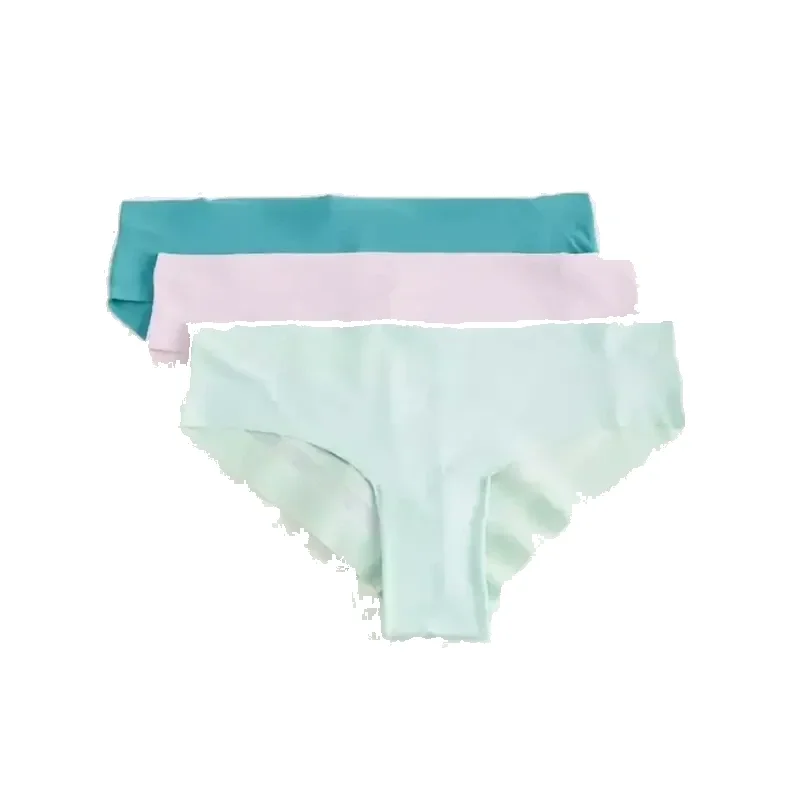
Boxers through shapewear — silhouettes across men's and women's, from everyday cotton to performance seamless.
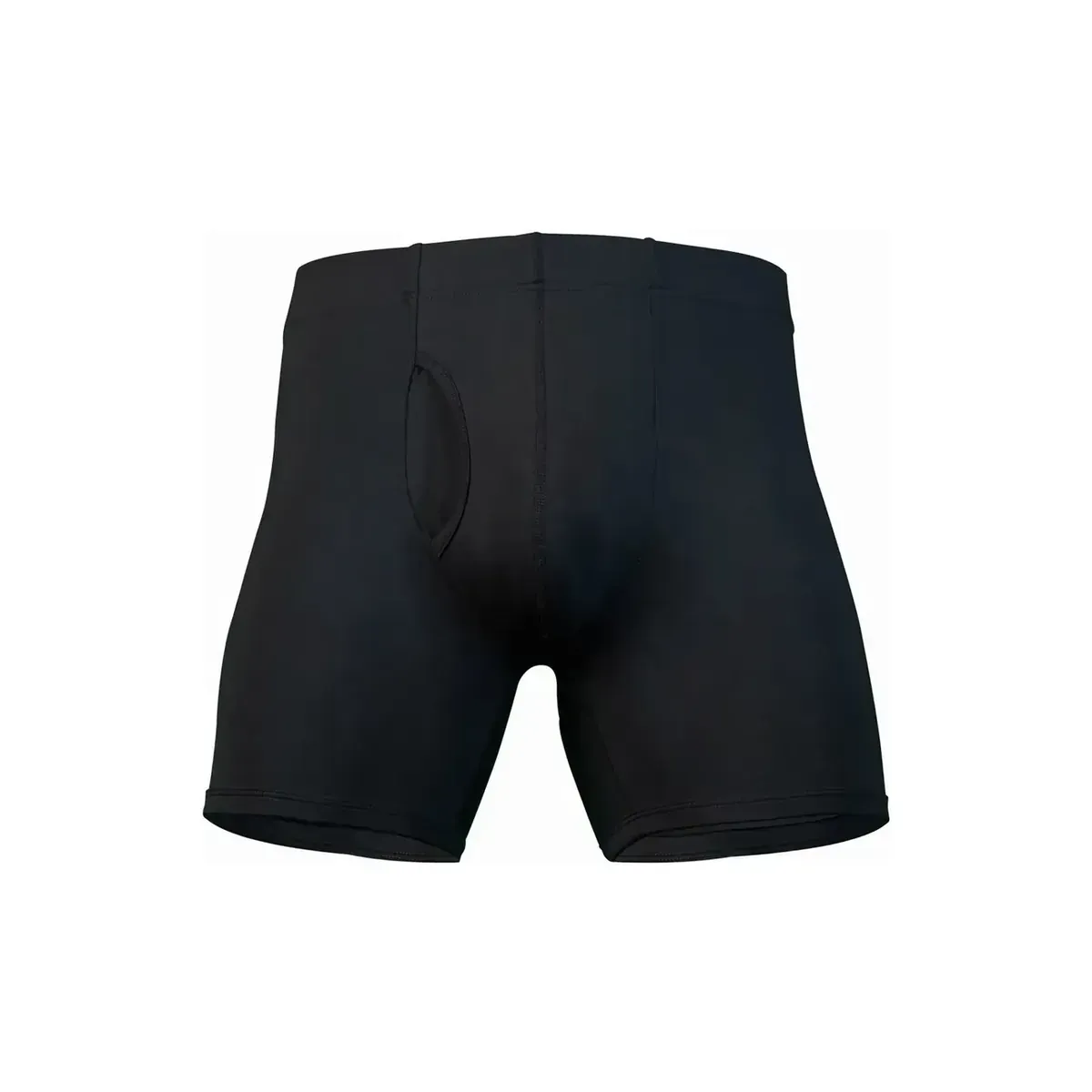
Fabric Lab
Underwear comfort is decided before cutting — in the GSM, the elastane %, and the shrink tolerance of the knit. This is the reference your underwear is graded to, so a fabric is picked from data rather than from a swatch description.
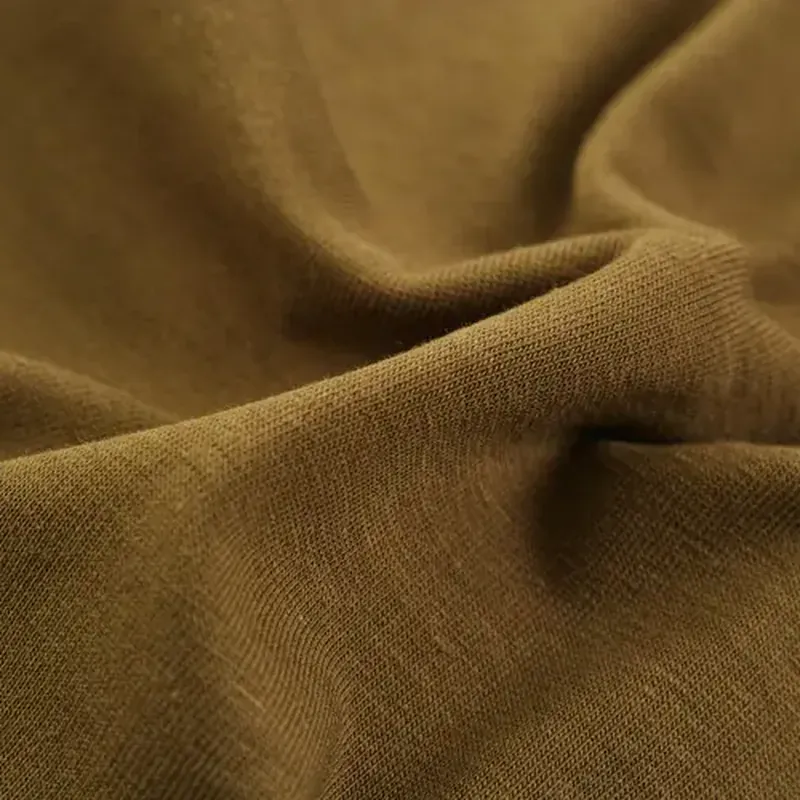
MicroModal
95% MicroModal
Best for Premium daily boxer briefs & trunks
Softest hand-feel of the set, with the best drape. Draws moisture off the skin and holds its shape through repeat washing — the go-to when comfort is the selling point.
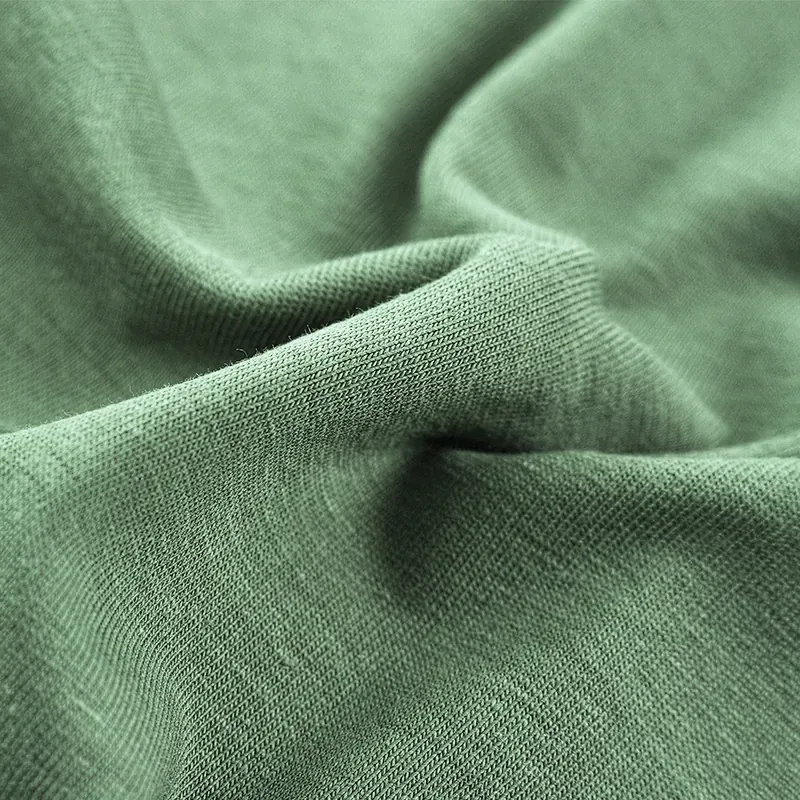
Bamboo Viscose
92% Bamboo Viscose
Best for Breathable, sensitive-skin & eco ranges
Antibacterial and thermo-regulating, so it stays cooler in high-wear sports and sleepwear. Frequently carried to Class I (infant 0–36 mo) on request, which matters for organic lines.
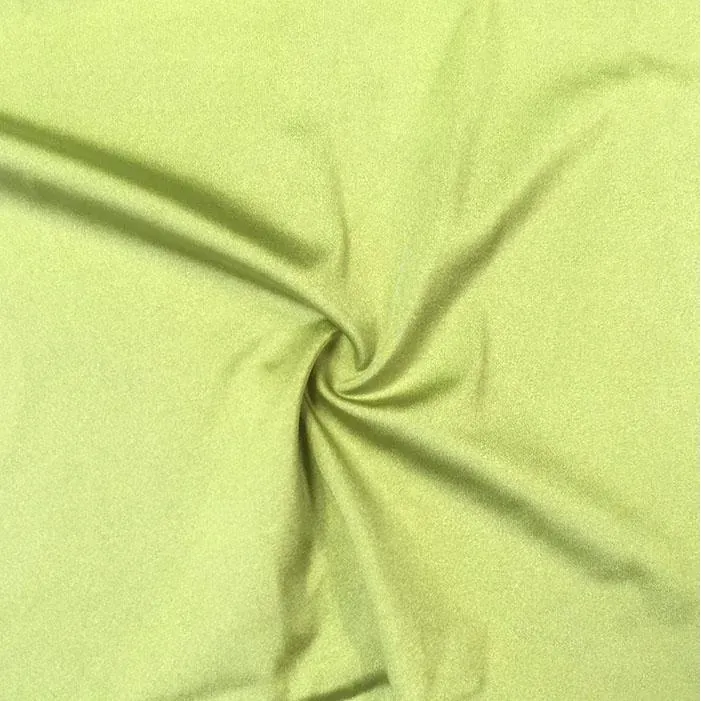
Performance Spandex
80% Nylon · 20% Spandex
Best for Performance & sculpting seamless
High recovery and the highest stretch retention of the set. No side seam — knitted as a tube and bonded — so there is nothing to chafe and no threading to fail at the waistband.
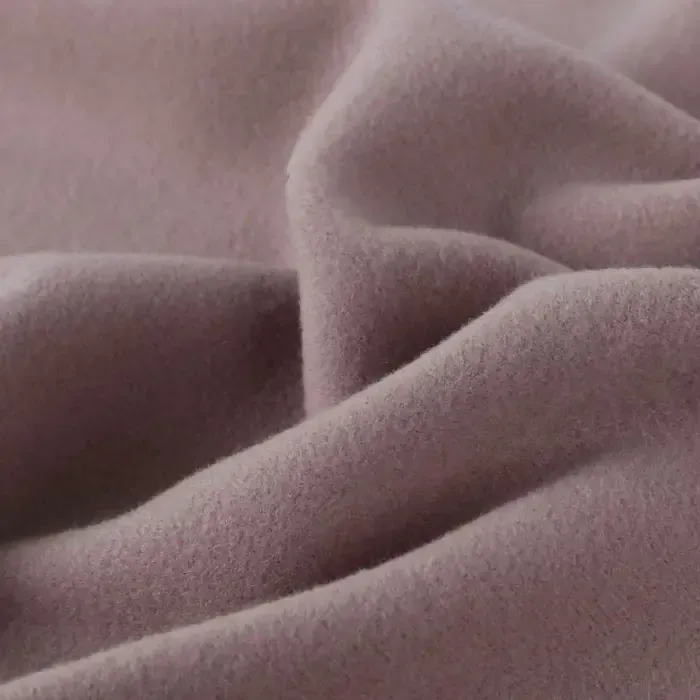
Cotton Spandex
95% Combed Cotton · 5% Spandex
Best for Everyday briefs & bulk programs
The most cost-effective load-bearing fabric — predictable shrinkage tolerances and a consistent SB/SL. Combed cotton removes short fibres, so it feels smoother than ring-spun at the same price point.
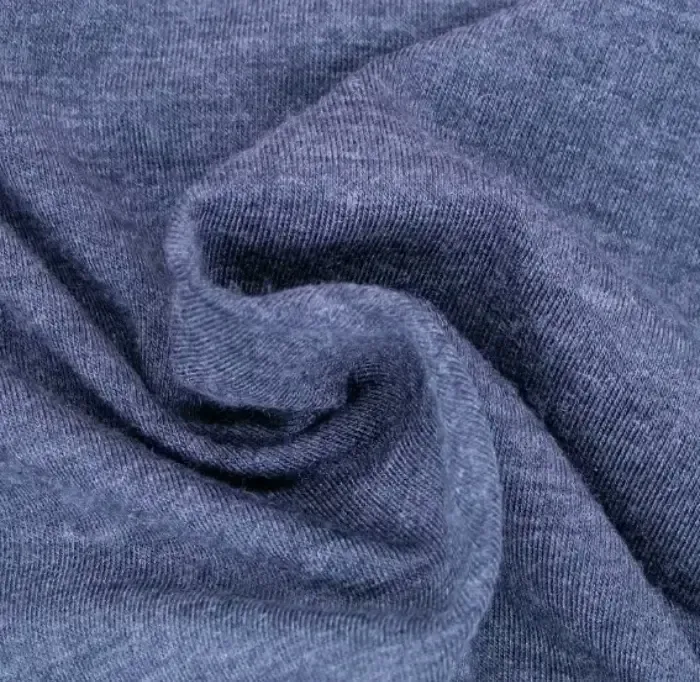
Tencel (Lyocell)
92% Tencel
Best for Eco-luxury & moisture-wicking ranges
A closed-loop lyocell fibre — softer than cotton, cooler than modal, and breathable through high-wear. A premium eco option without the shrink risk of a pure viscose.
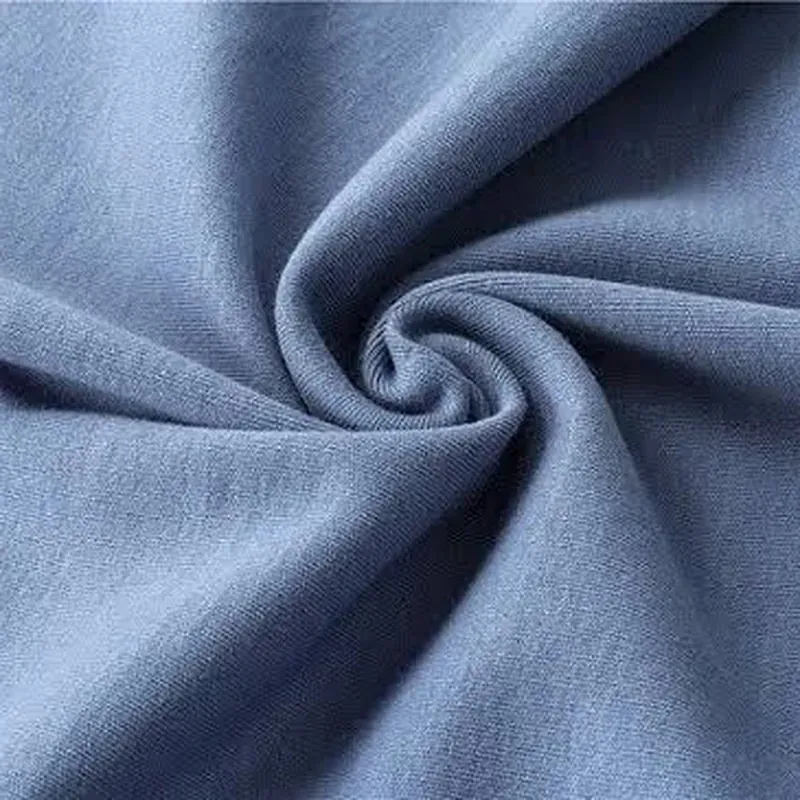
Pima Cotton
95% Pima Cotton
Best for Long-staple cotton & premium basics
Long-staple Pima is the premium cotton — softer and more pill-resistant than standard combed cotton, with a slightly heavier hand. The "step up" from everyday cotton.
Construction Matrix
Underwear fails at the waistband, the rise, and the seam — not the fabric. This is the raw decision sheet. Compare it against any supplier's quote and you will see exactly where their small-print minimums hide.
| Feature | We spec it | Typical supplier |
|---|---|---|
| 01 Waistband elastic The waistband is where bad underwear fails first — rolling, digging, or stretching out. A POM that records relaxed vs extended is the only way to catch it before bulk. | Logged at BOTH relaxed and extended width, so a size M brief opens to a speced 30 cm rather than "stretchy". | One relaxed measurement, or none at all |
| 02 Rise & gusset A rise mismatch gives the "wedgie" or the saggy crotch that drives underwear returns. The gusset lining placement is a top-three QC failure point on intimate construction. | Front rise, back rise, and a flatlocked or fully-lined gusset — with the gusset seam allowance speced, not eyeballed. | Rise guessed from a size chart; gusset skipped or sewn with an outer seam |
| 03 Seam type Flatlock leaves a flat, chafe-free seam; overlock leaves a ridge that rubs on skin. It is the difference between a boxer you forget and one you keep adjusting. | 4-needle 6-thread flatlock on high-stretch panels, so the seam flexes with the fabric instead of tearing it. | Overlock, or a flatlock with no stitch-type callout |
Every size is cut to its own pattern with its own waistband extended width and rise — graded on a POM table, not scaled by percentage guesswork.
The Leeline Difference
Overseas underwear manufacturing has familiar headaches. The process here is built to solve the exact problems procurement managers and underwear brand owners face daily.
Nothing kills a DTC underwear brand faster than returns from poor fit across different production batches.
100% inspection and strict tolerance control on each garment before shipment.
"Its on the boat" shouldn’t be a guessing game when your marketing campaigns are already live.
Transparent timelines, proactive updates, and penalty-backed delivery guarantees.
Explaining a tech pack shouldn’t require a translator, and emails shouldn’t take three days to get a reply.
Dedicated English-speaking account managers who understand garment technicalities.
Transparent Pricing
Open-book unit economics for a custom underwear run, tier by tier. The unit price — and the itemised bill of materials behind it — so you can budget a launch before you commit a single metre of fabric.
per unit · FOB
Sample fee amortised across a small run, snagging a waistband logo on a stock elastic roll.
per unit · FOB
Fabric and labour buy down; a dedicated line keeps lead times predictable.
per unit · FOB
Jacquard waistband becomes viable here — a woven logo with no setup penalty at volume.
Waistband & Branding
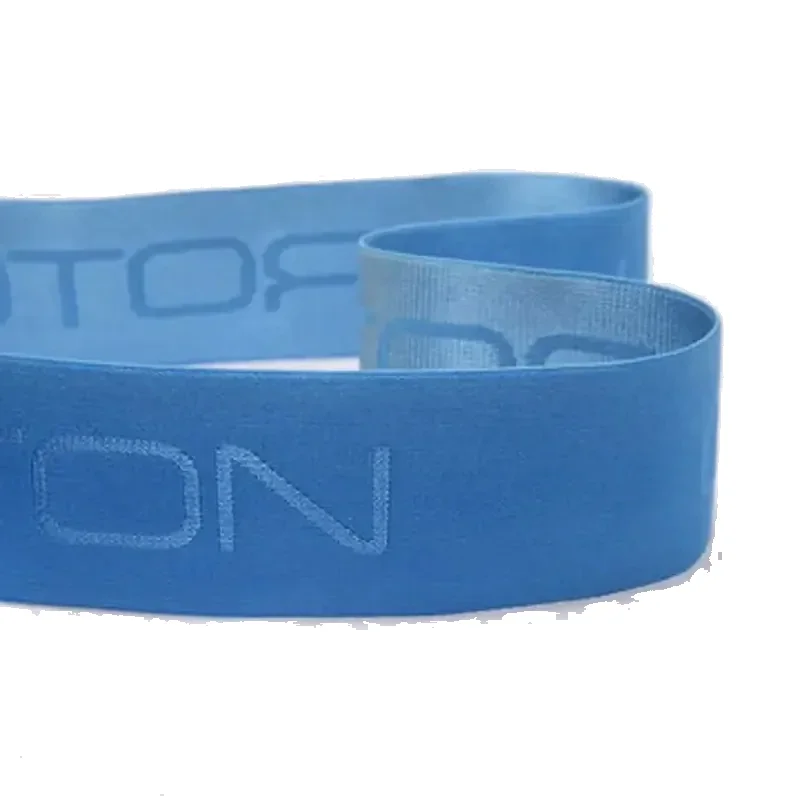
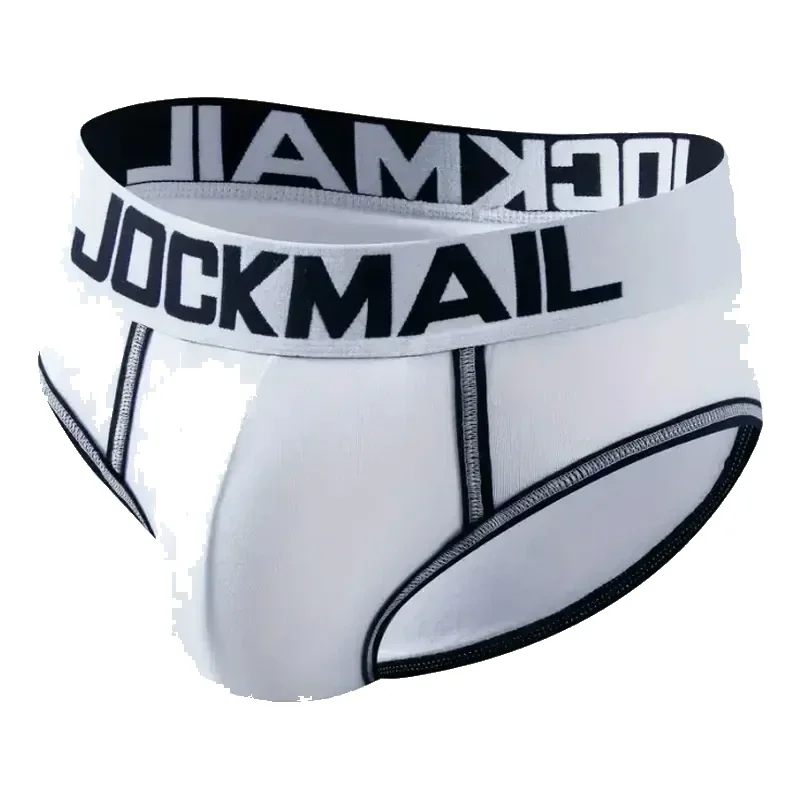
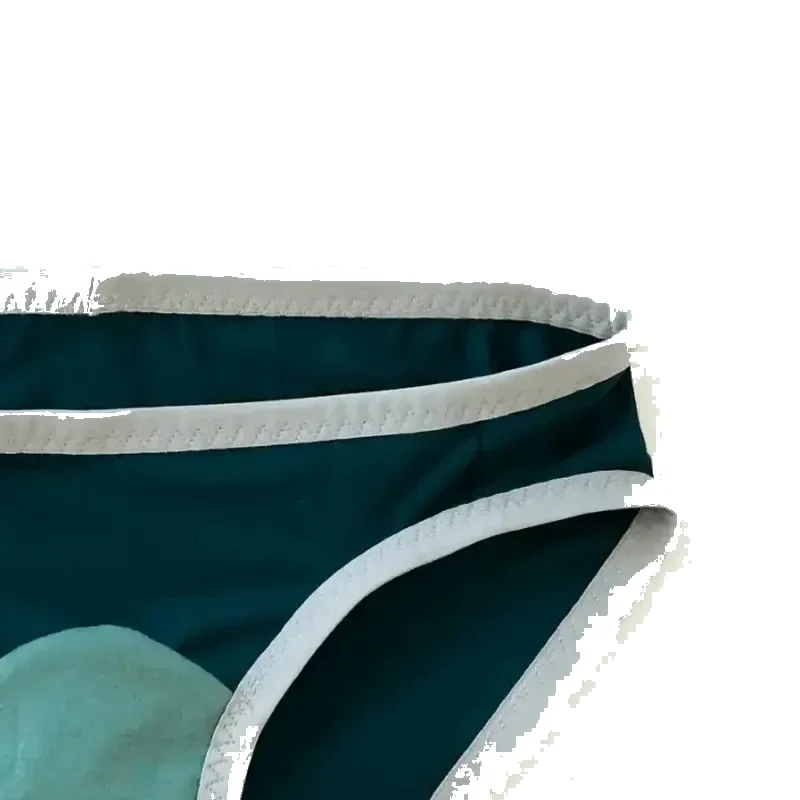
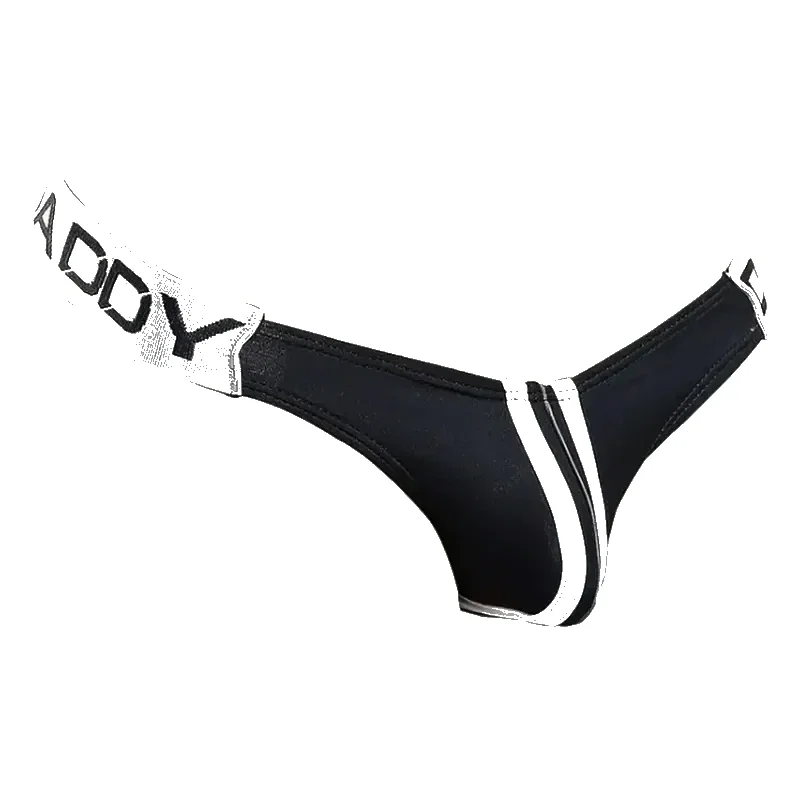
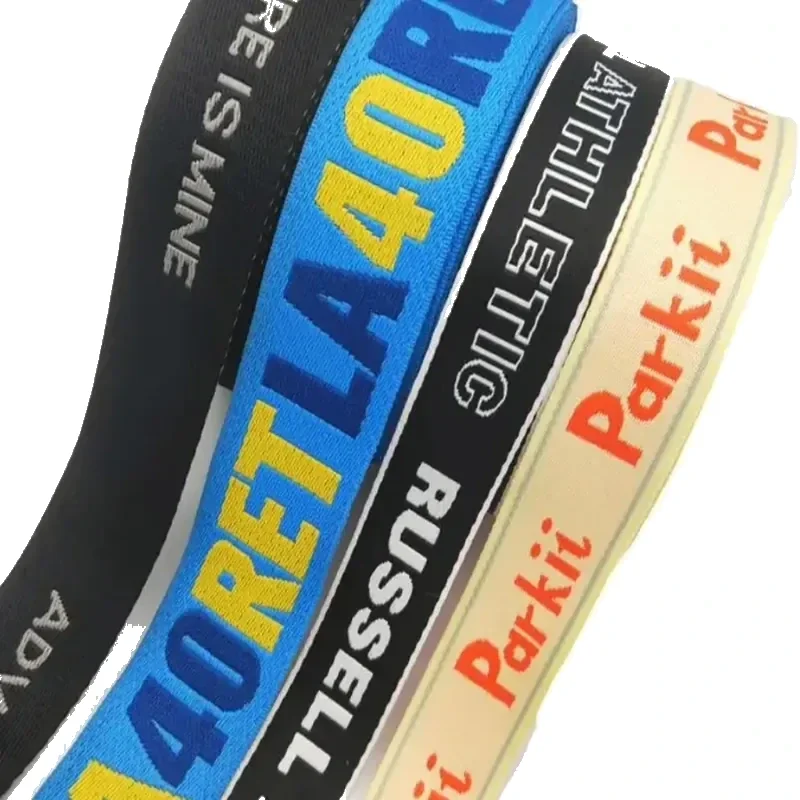
Elastic, no-show, wide, foldover, V-shaped — plus printed or branded. Choose your waistband, then add a solid colour, all-over, or logo print.
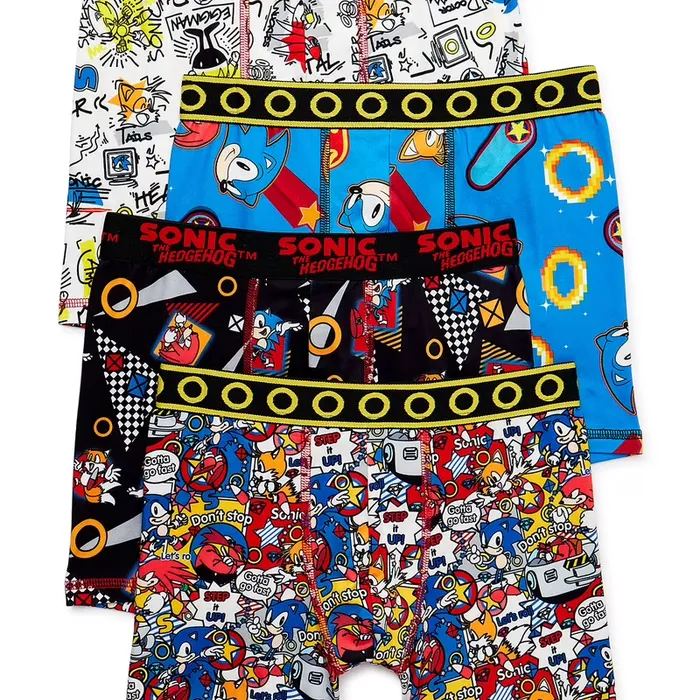
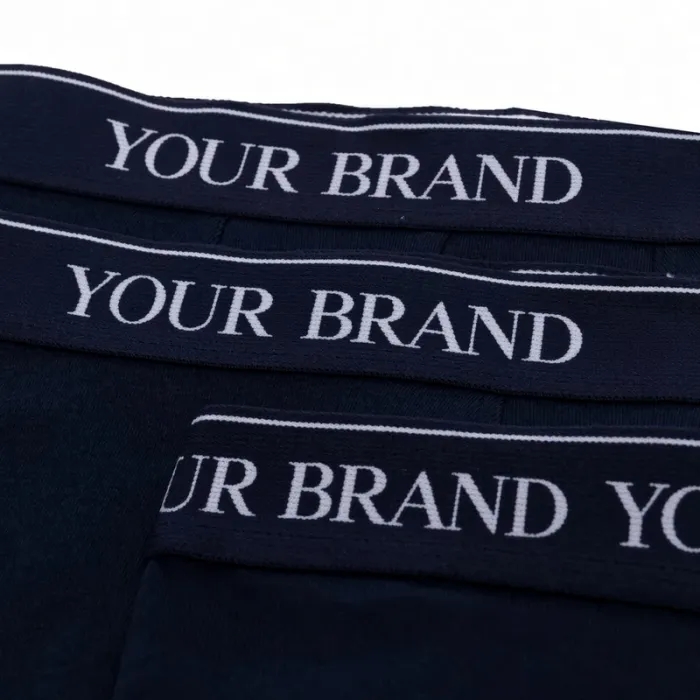
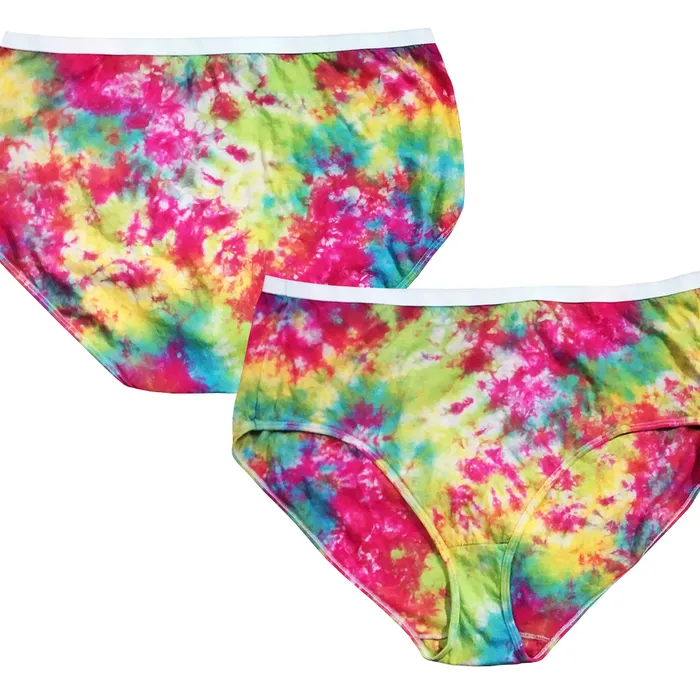
Custom Logo Underwear Process
Underwear orders move through five gates. A gate only opens when the spec is met — so nothing slips through to bulk on a guess.
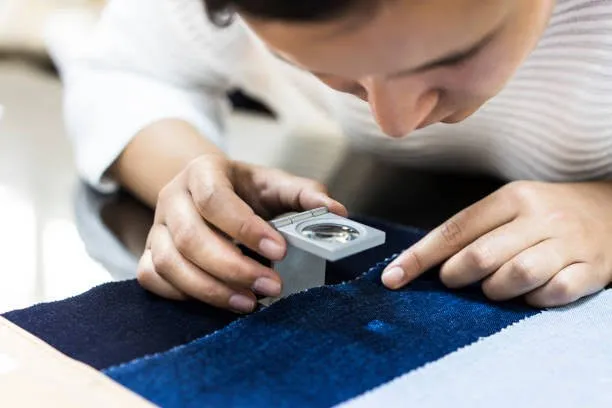
Fabric & elastic tested on arrival — GSM, stretch, shade, and OEKO-TEX report
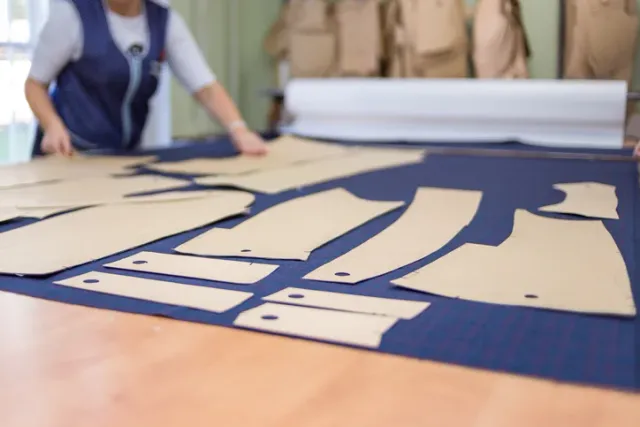
Flat sketch graded across the size range and laid out to the marker, so each size is cut from its own pattern
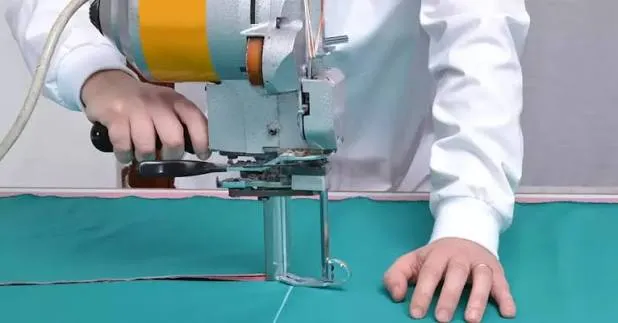
Fabric laid and cut to the marker, elastic & gusset aligned to the same spec
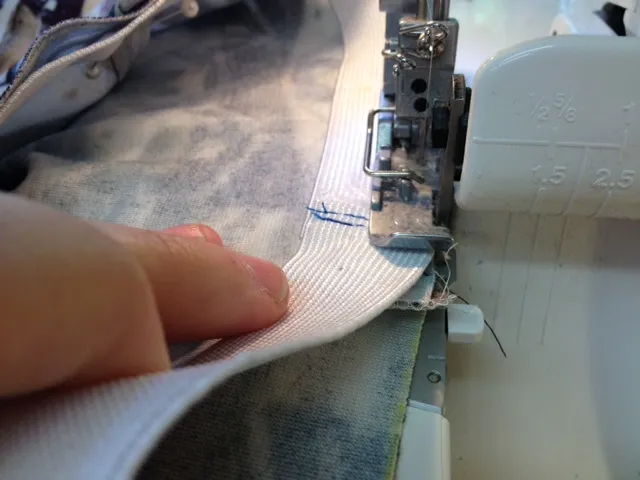
Waistband set and seam-stress points reinforced, elastic tension matched to the spec
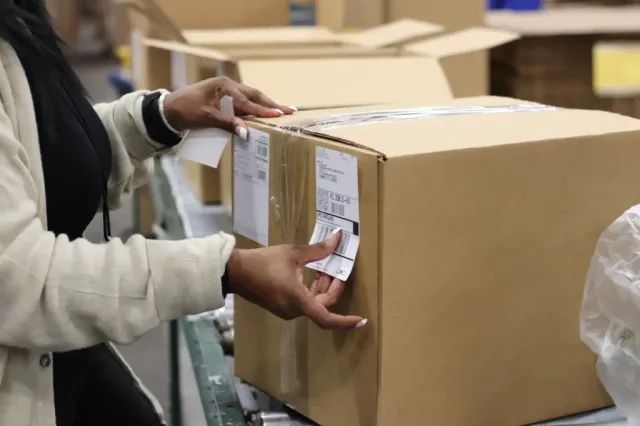
Batch inspected to the sampling plan, then labelled and packed for DDP
Tests & Tolerances
The test numbers that decide whether a skin-contact garment is safe, skin-friendly, and sized right. These are the tolerances a run is checked against — not a wall of certificates with no measurable claim behind them.
Each component that touches skin — shell, thread, elastic, gusset lining, label — tested against 1,000+ restricted chemicals. Infant lines (0–36 mo) bumped to Class I.
Inspected to a published sample plan at final QC — the number that tells you how many defective units are acceptable in a batch. Not a hand-waved "strict quality control".
Shrinkage measured after laundering, so a size M brief still fits as a size M after the first wash.
Catch It Before Bulk
Send a sketch or an existing underwear tech pack and get the waistband and rise flagged, a fabric swatch set, and a milestone timeline — before a metre is ordered.
Customers Reviews
Independent brands and enterprise buyers — all with measurable outcomes.

Carlos Mendes
Underwear Brand Founder
The underwear sample came back in 200 GSM modal, right at the 34 cm relaxed / 52 cm extended waistband that was specified.
An 800-piece 3-colour run shipped with the 4-needle flatlock gusset holding and tagless labels at the waist.
The OEKO-TEX Class II report for shell, thread and elastic arrived before the goods — it cleared a compliance gate.
Two reorders later the fit has repeated at the same spec with zero fit complaints.

Grace Patel
Custom Underwear Line Founder
A 100-unit MOQ got the underwear line off the ground without tying up capital.
One order carried five silhouettes — thongs through boxer briefs — on the same bamboo dye lot.
Printed elastic cleared the branded waistband at a 500-metre commitment instead of jacquard.
The line shipped on time in S–XL, and feedback has run to a 4.8 average with no fit returns.
Worn by Real Brands
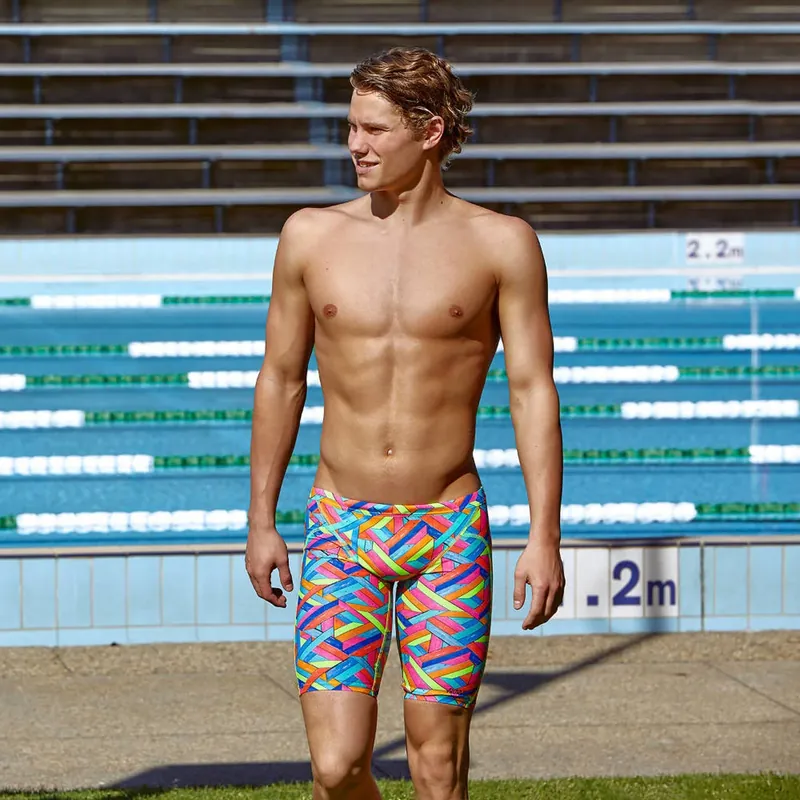
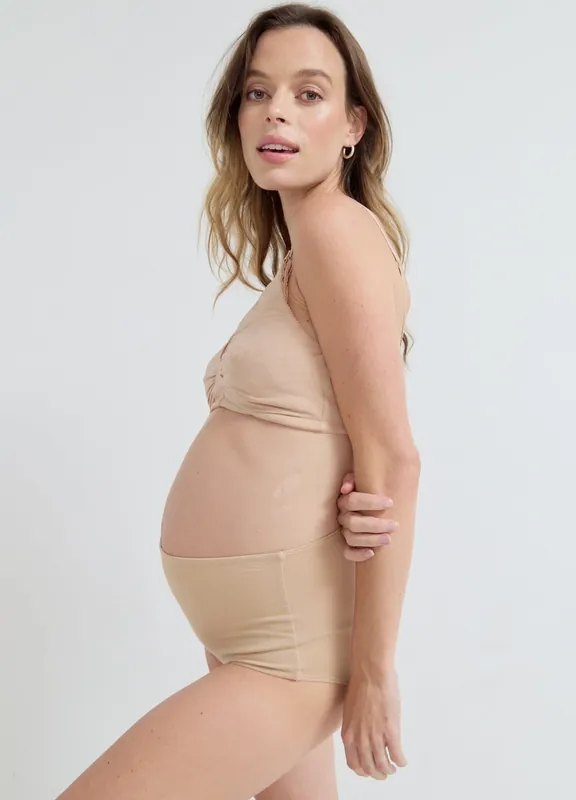
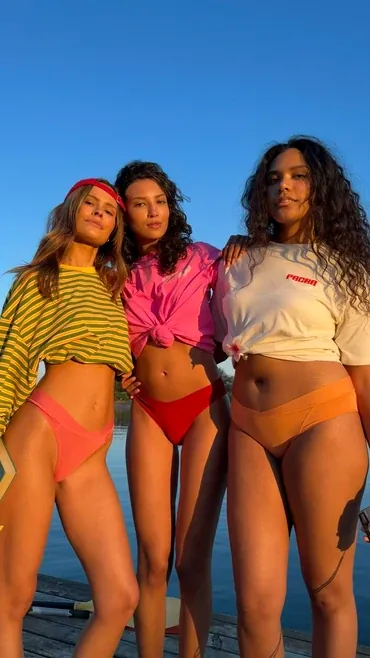
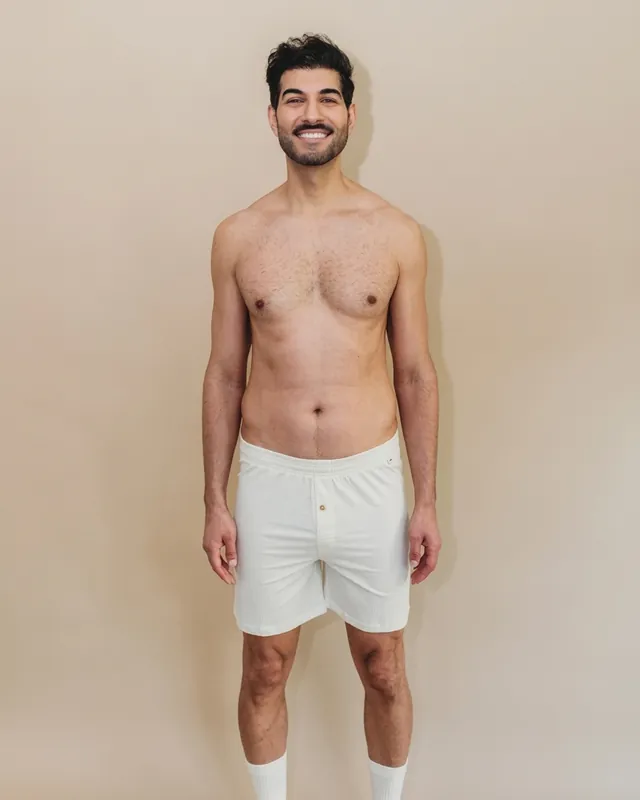
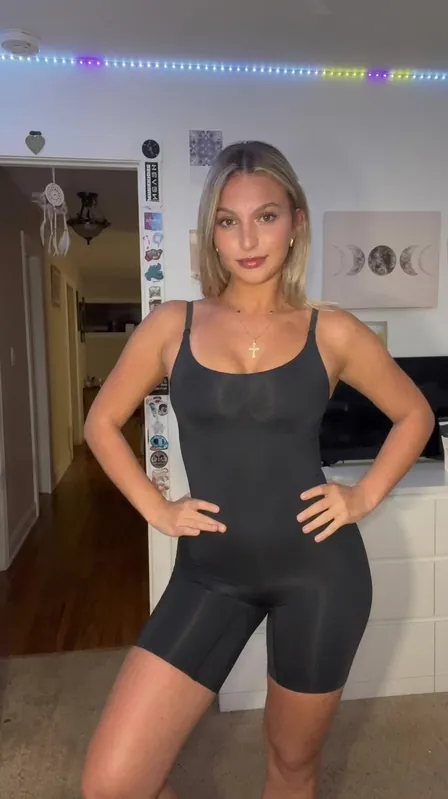
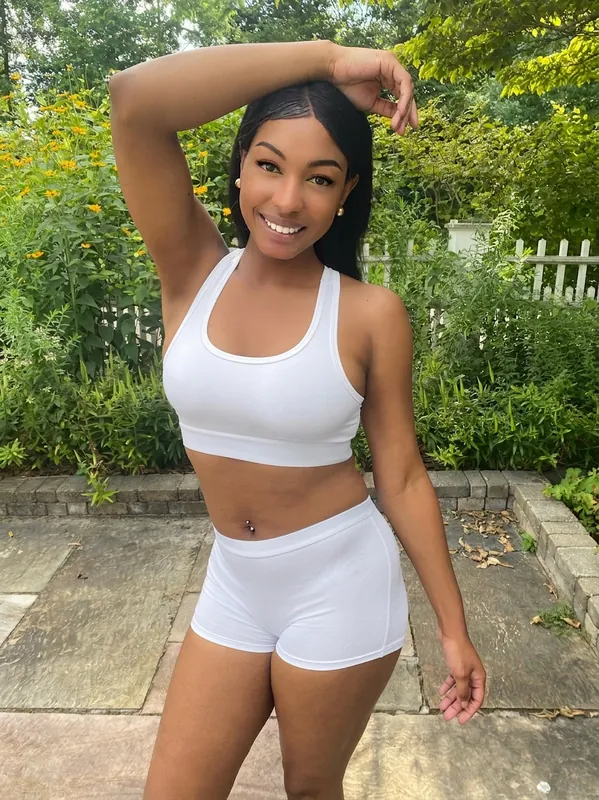
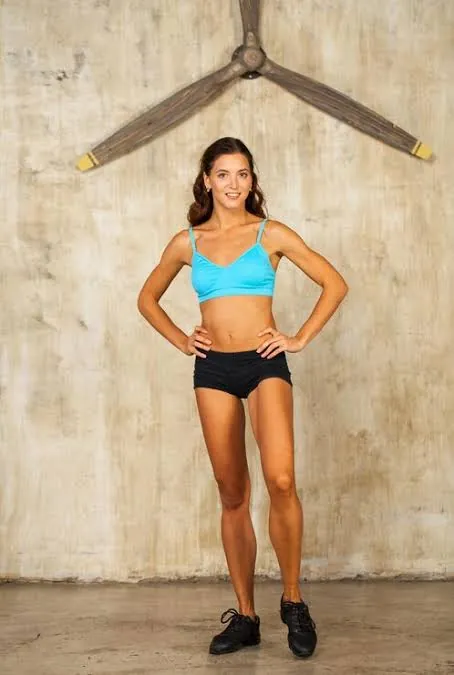
Boxer briefs, maternity briefs, bralettes and shapewear — cut, sewn, inspected and shipped from real production runs, worn by the brands who ordered them.
Underwear Buyer Concerns
It is a fixable spec miss, not a fabric problem. A waistband that rolls is almost always an elastic-width-to-rise mismatch: the elastic is too narrow or too stiff for the body rise, so it is constantly pulling the knit down instead of sitting flat. The elastic is logged at both relaxed and extended width, and speced against the front/back rise on the grading table — so a size M sits at its measured circumference rather than "around a 30". If you have a rolling pair, it was set to a single relaxed measurement, not both.
Print sits on top of the elastic, so it fails where the band stretches most. Printed (heat-transfer / silkscreen) logos are the right call for a low-MOQ first run — 500–1,000 m and a $30–50 setup — but they crack under heavy stretch. A yarn-dyed jacquard logo is woven into the elastic itself, so it cannot peel; it needs a 1,000–3,000 m minimum. Once you are past a couple of reorders, the jacquard upgrade removes the "cracked logo" return entirely at the cost of a bigger elastic commitment.
You do not have to order an even block. The run is cut to your forecast ratio, not to a flat size run — a typical D2C boxer ratio is M 35% · L 30% · S 20% · XL 10% · XS/2XL 5%, spread across your colourways. Give your expected sell-through per size and grading follows that mix, so the units that move fastest carry the most inventory. The graded sizes are cut from the same marker, so a reorder to top up an XL can land in 5–7 days rather than a full production run.
Opacity is a GSM and elastane% question, not a "quality" one. A 160 GSM cotton or a low-elastane blend will read sheer in a light shade. For white, ecru, and pastels the spec holds to a heavier weight — 190–200 GSM with 5–7% elastane — and a squat or backlight opacity test can run on the sample before the colour is committed. If opacity is a launch risk, the gusset is doubled and the shade confirmed against your actual light-source use case.
Usually the pattern (front/back rise) and the gusset lining, not the fabric. A sagging rise means the back rise is too long or the crotch gusset is missing or sewn as a single layer with an outer seam. The front and back rise are graded on the POM table and the gusset is built flatlocked or fully-lined with a speced seam allowance — so the fabric sits where the pattern put it. It is one of the top three QC failure points on intimate construction, and it is a pattern fix, not a fabric swap.
Six things. Waistband width logged at relaxed AND extended (the t-shirt pack never has this). Front and back rise measured to the crotch seam. Leg opening, relaxed and extended. Pouch / gusset width and lining placement. Construction notes — 4-needle 6-thread flatlock on stretch panels, gusset seam allowance, elastic attachment tension. And a grading table with tolerances (1/16″–1/4″). A t-shirt pack that has "waistband" ignored at all will not survive underwear; the pack is built from a sketch or reference before quoting.
Share a sketch or tech pack and get a fabric swatch set, a construction review that flags the waistband and rise, and a milestone-based quote — before a metre is ordered.
Start typing to find articles
No articles found
Try a different keyword