Ball sport
Football & Futsal
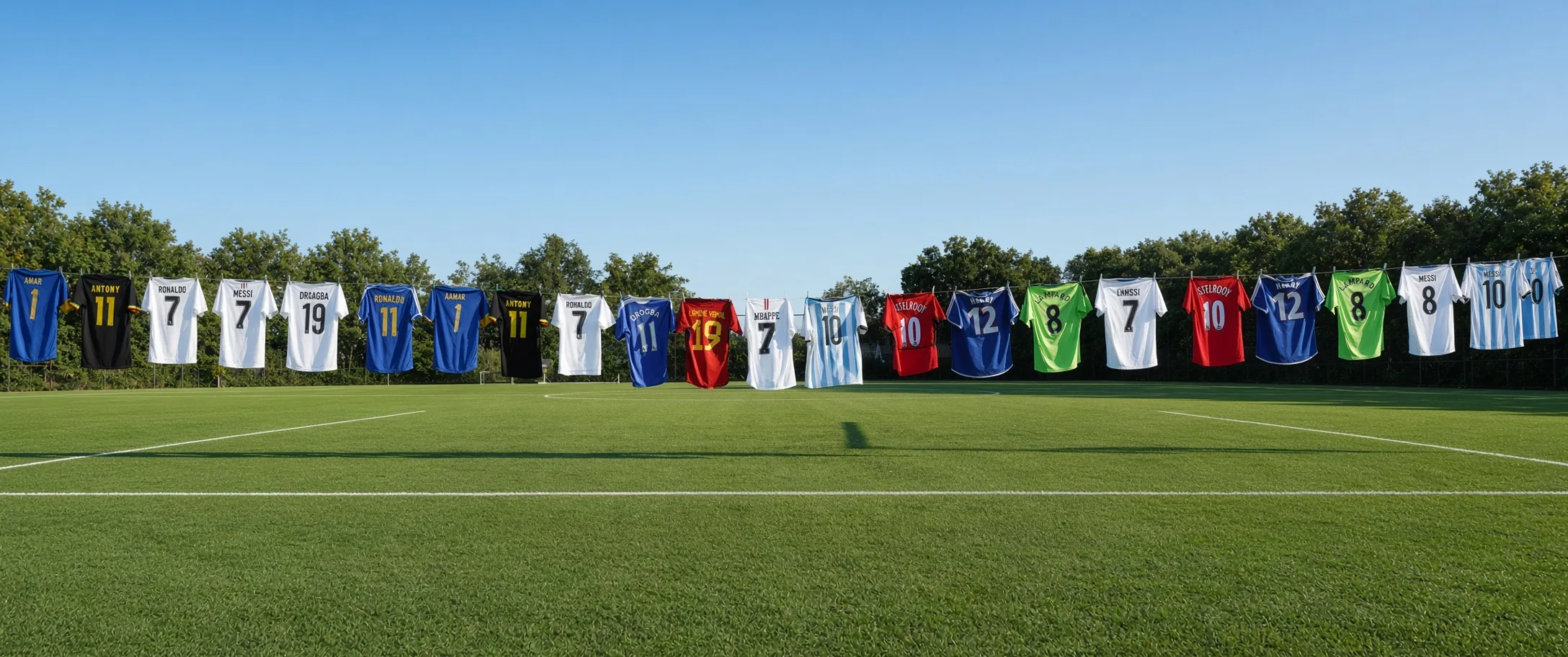
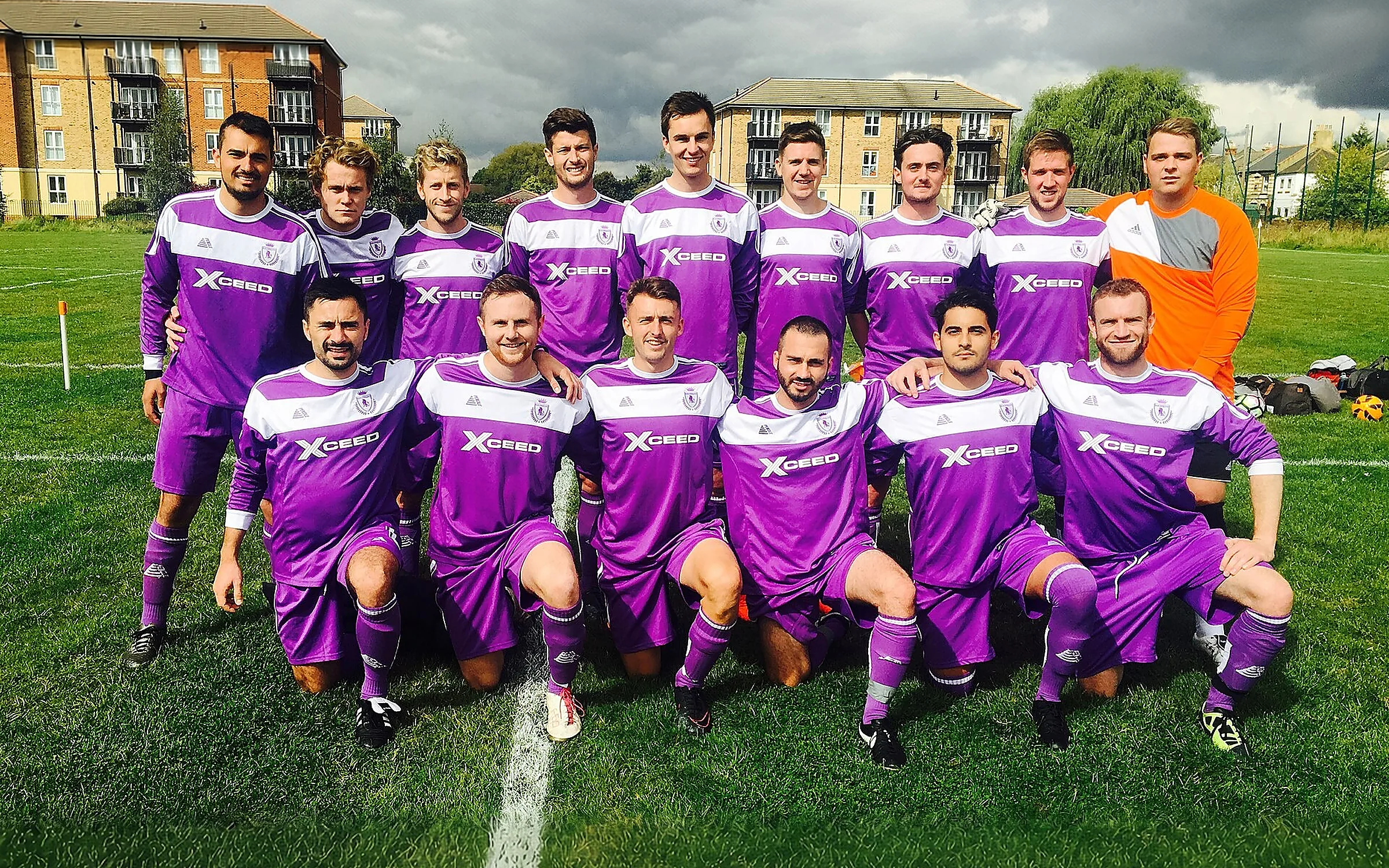
Three kits that cannot clash — home, away and a goalkeeper colour the league will accept before a ball is kicked.
Send the squad list and the first fixture date. Order once at one landed cost; juniors and seniors share the same cut. Artwork clears the rulebook before bulk, kit arrives squad-packed, and hand-out is a straight sort. Minimum 100 units per design per colour; 15–25 working days.
By Sport
The sport decides the garment before the club does. Cut, fabric, where the number sits and how big it can be, which colours the league allows, and whether a position marking is printed on the shirt — all of it comes from the competition’s rulebook, not from taste.
Three kits that cannot clash — home, away and a goalkeeper colour the league will accept before a ball is kicked.
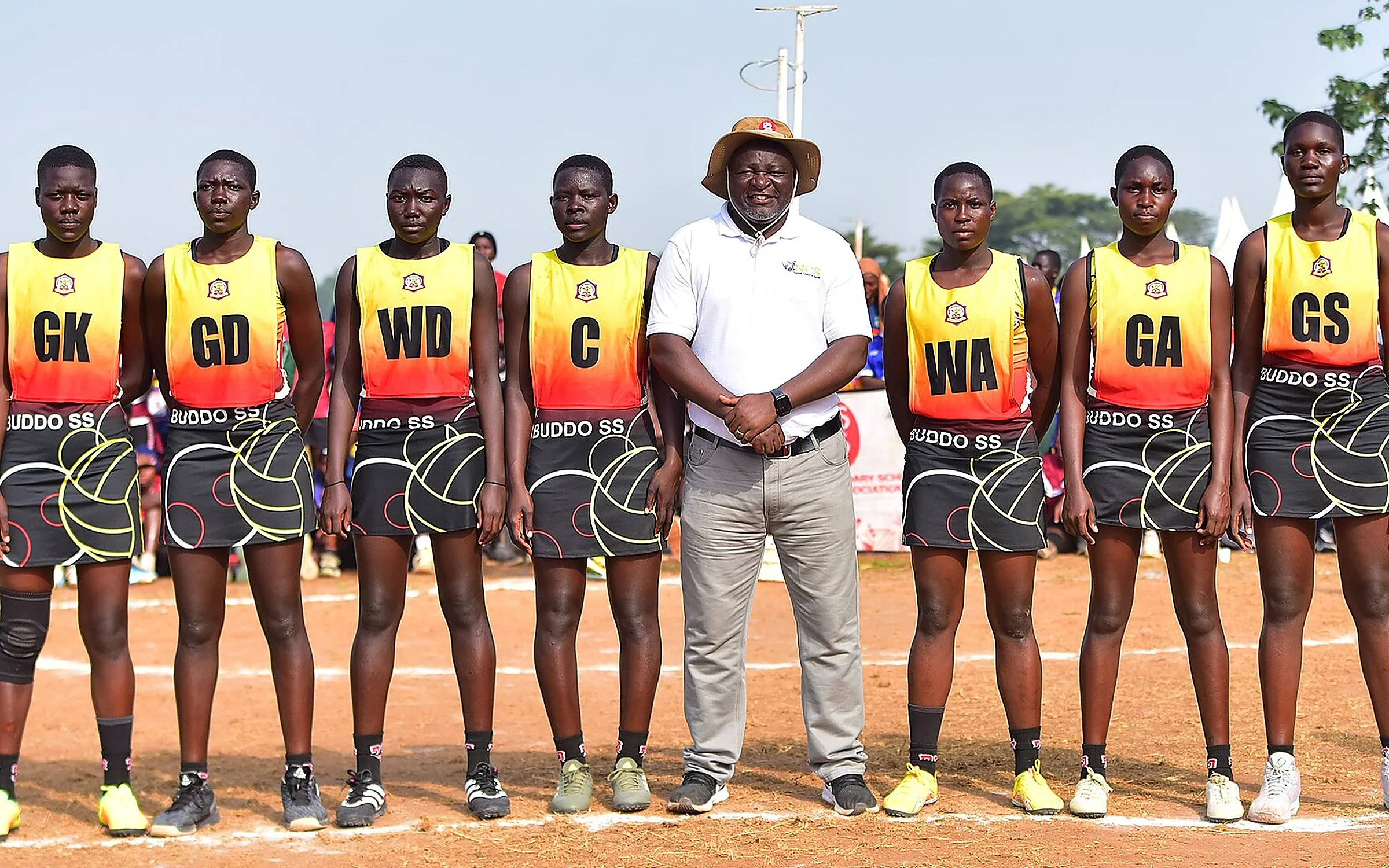
Dress or top-and-skort, with the position letters printed on the garment. Reversible bibs let a squad switch ends without leaving the court.
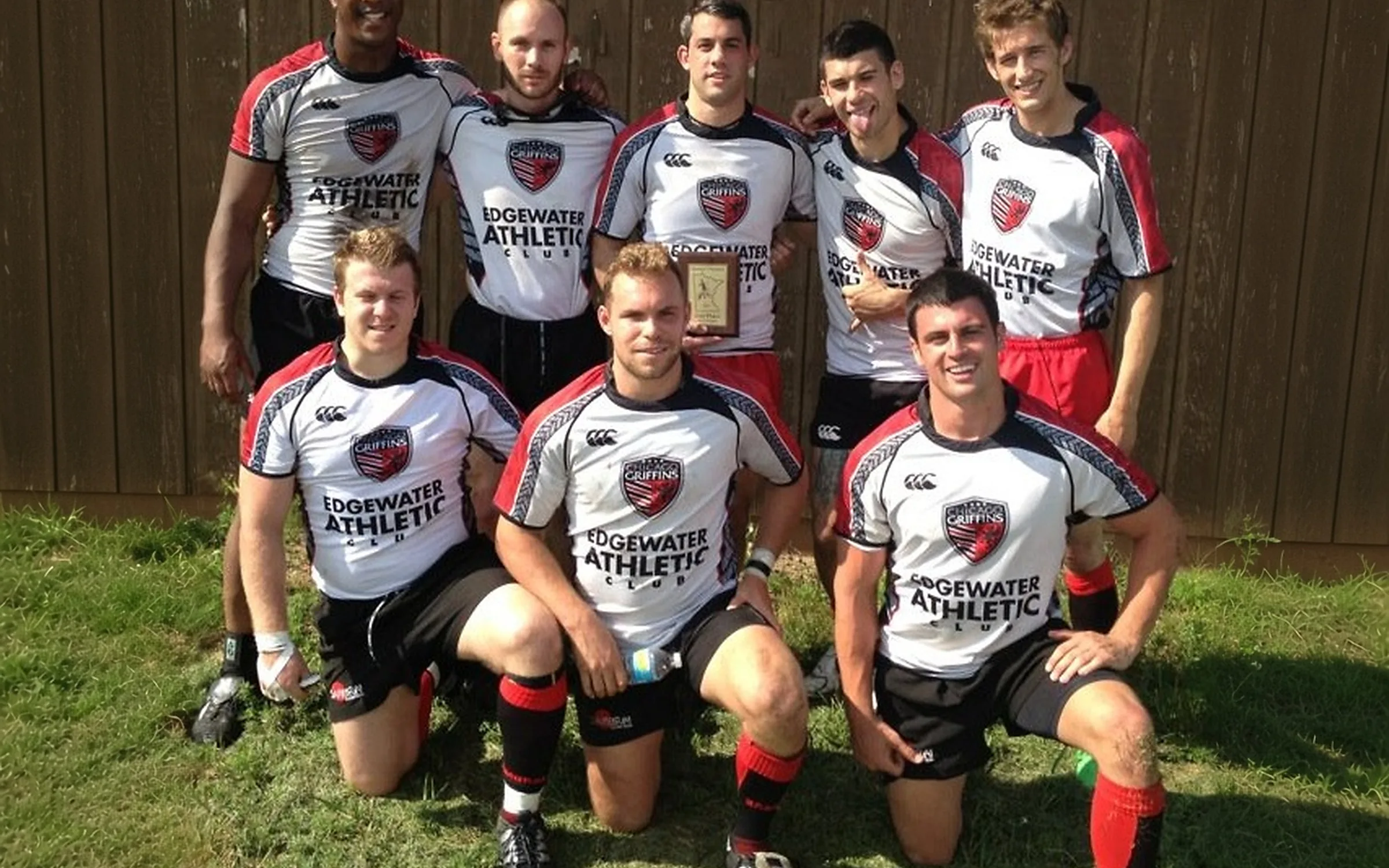
A fitted cut denies the grab, and the fabric takes the pull. Numbers are built to the size the competition specifies, not to the printer’s default.
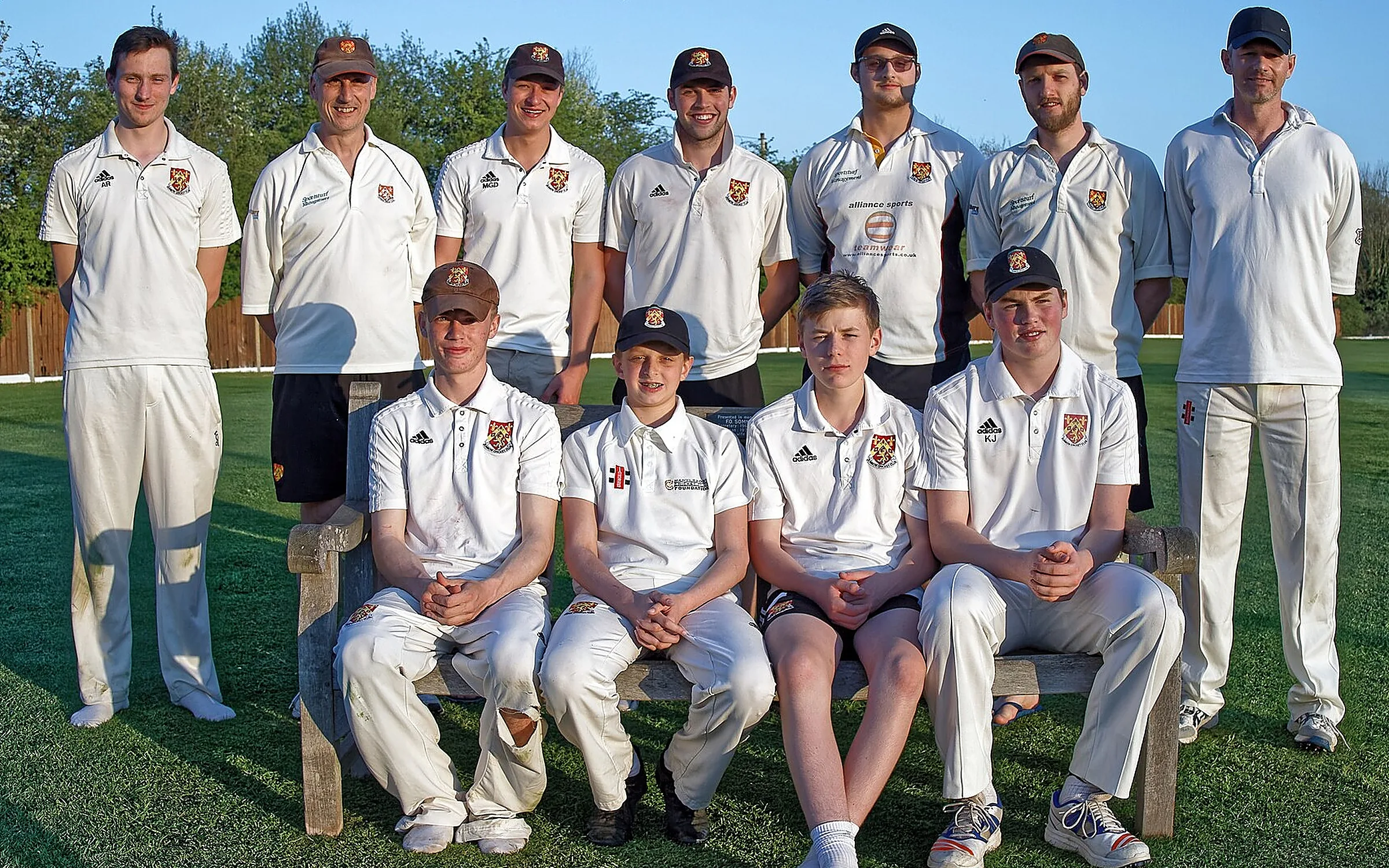
One club, two kits. Whites for the longer format, colour for the short game — and the sponsor limits differ between the two.
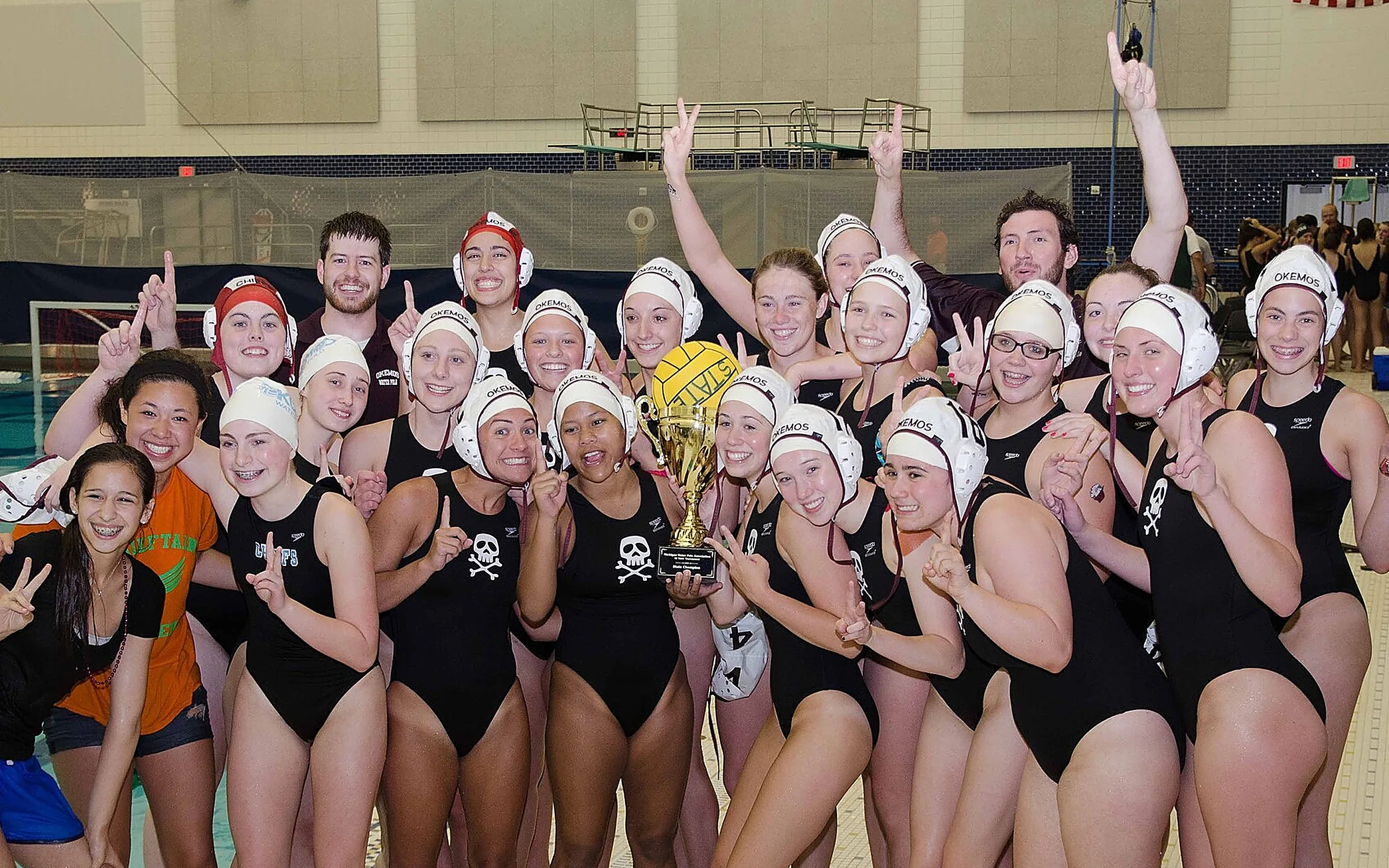
Pool water attacks elastane. Suits are specced to hold through chlorine, with cap numbers that match the suit number a squad is issued.
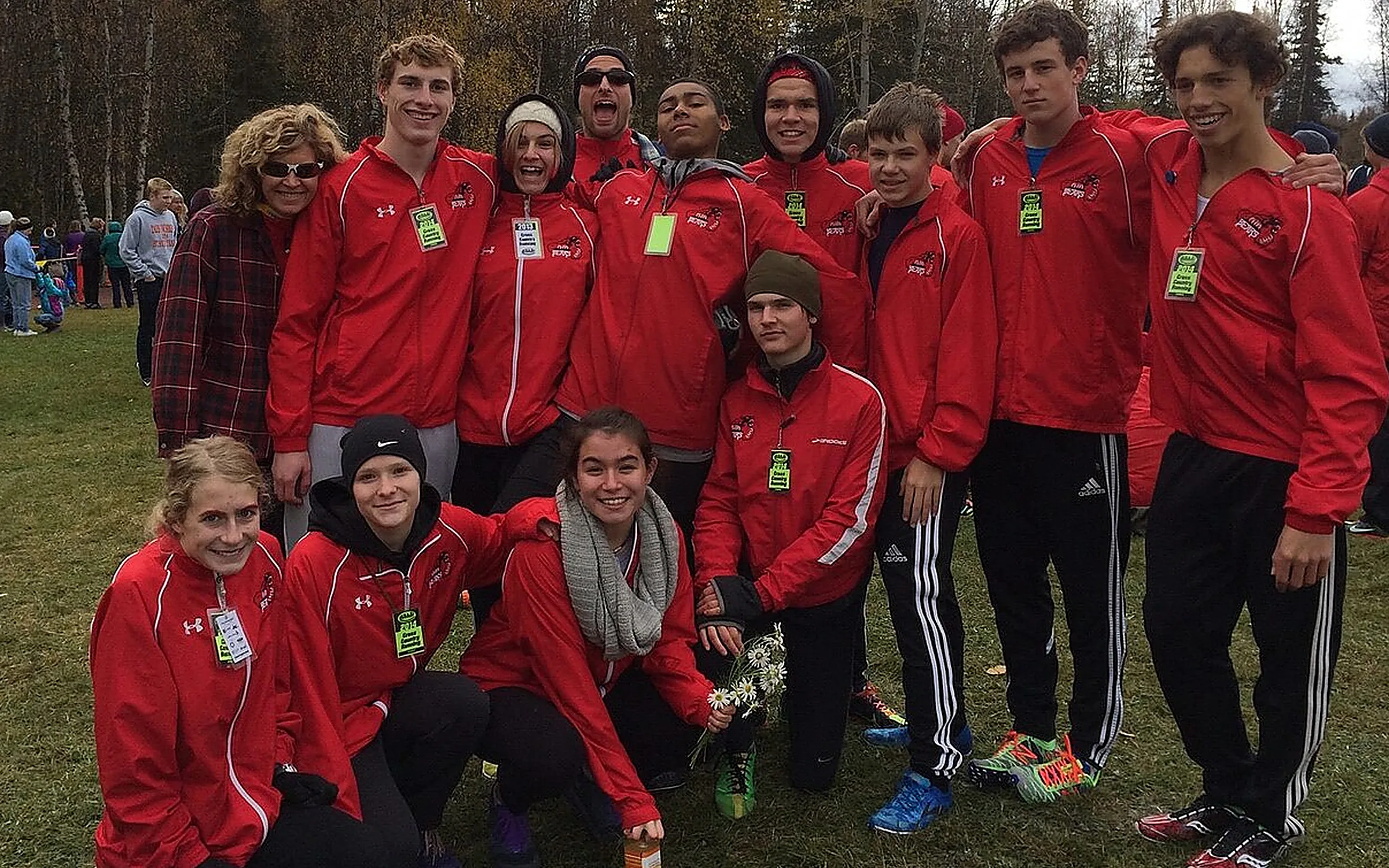
A club vest has to read under a race bib. The cut keeps the club colours visible and the bib sit flat rather than bunching at the shoulder.
Who the Kit Serves
A community club, a school, a talent academy and a one-weekend tournament all look like “a kit order” until the paperwork starts. The deciding voice and the constraint pull in different directions.
Committee volunteer, kit secretary or club manager
No paid procurement staff — one volunteer holds the roster, the sponsor contract and the league calendar at once.
PE department head, bursar or business manager
Budget lines are approved a financial year ahead, and the garment has to serve a whole year group rather than a chosen squad.
Head of academy or performance programme lead
Intake turns over season by season, and the kit carries the academy’s identity — not a parent club’s.
Events coordinator or competition organiser
One fixed date, often one weekend, with squads entering late and a sponsor promise already made.
Roster-Level Sizing
A club roster is wider than a shop-floor roster and it moves faster. Youth and adult sizes are cut as one run from the same pattern set, so a squad does not get split into a junior order and a senior order.
Cut, approved and costed as a whole — the entire roster in a single run.
Back-Plan the Season
Every season has a fixed first day — a league opening, a term start, a tournament weekend. Work backwards from that date through the actual lead times and the order window stops being a guess.
Names, sizes and squad numbers collected. Crest, sponsors and number font approved against the league’s placement rules.
One physical sample per kit design — print colour, crest position and fabric weight checked in the hand before any bulk cutting.
Each player’s kit cut to the roster, sublimated or embroidered, name and number set, then bagged per squad for one delivery.
Customs, duty and final mile on one landed figure, delivered to the clubhouse or school office as a complete squad set.
Kits in hand with time to distribute through team managers — banked cover for a crest correction or a late squad addition.
Lead times are the standard figures: sampling 5–7 days, cut-and-sew production 15–25 working days, DDP transit 7–15 days. Order earlier when a league requires sponsor artwork approval before printing.
Kit Artwork & Sponsor Stack
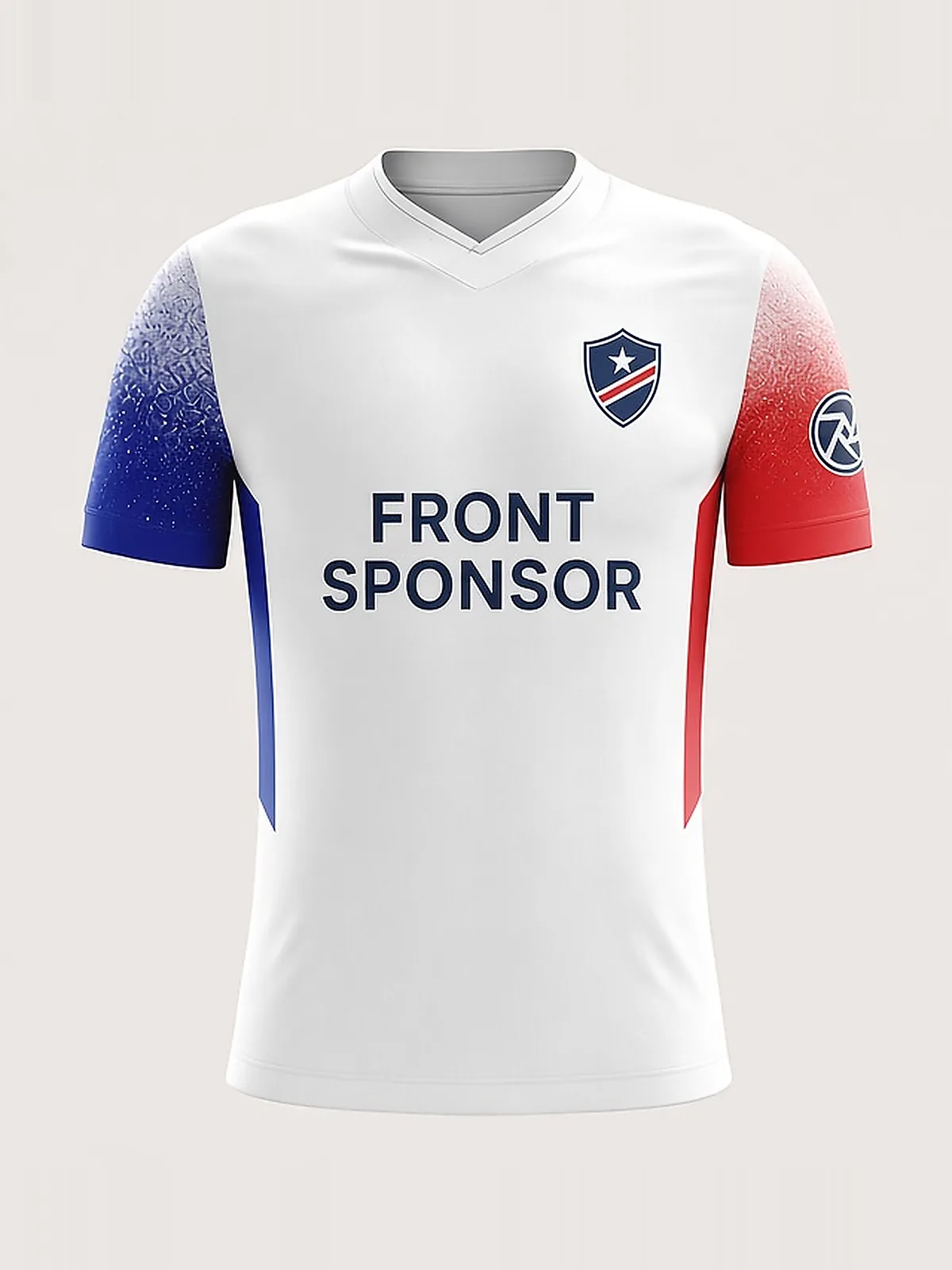
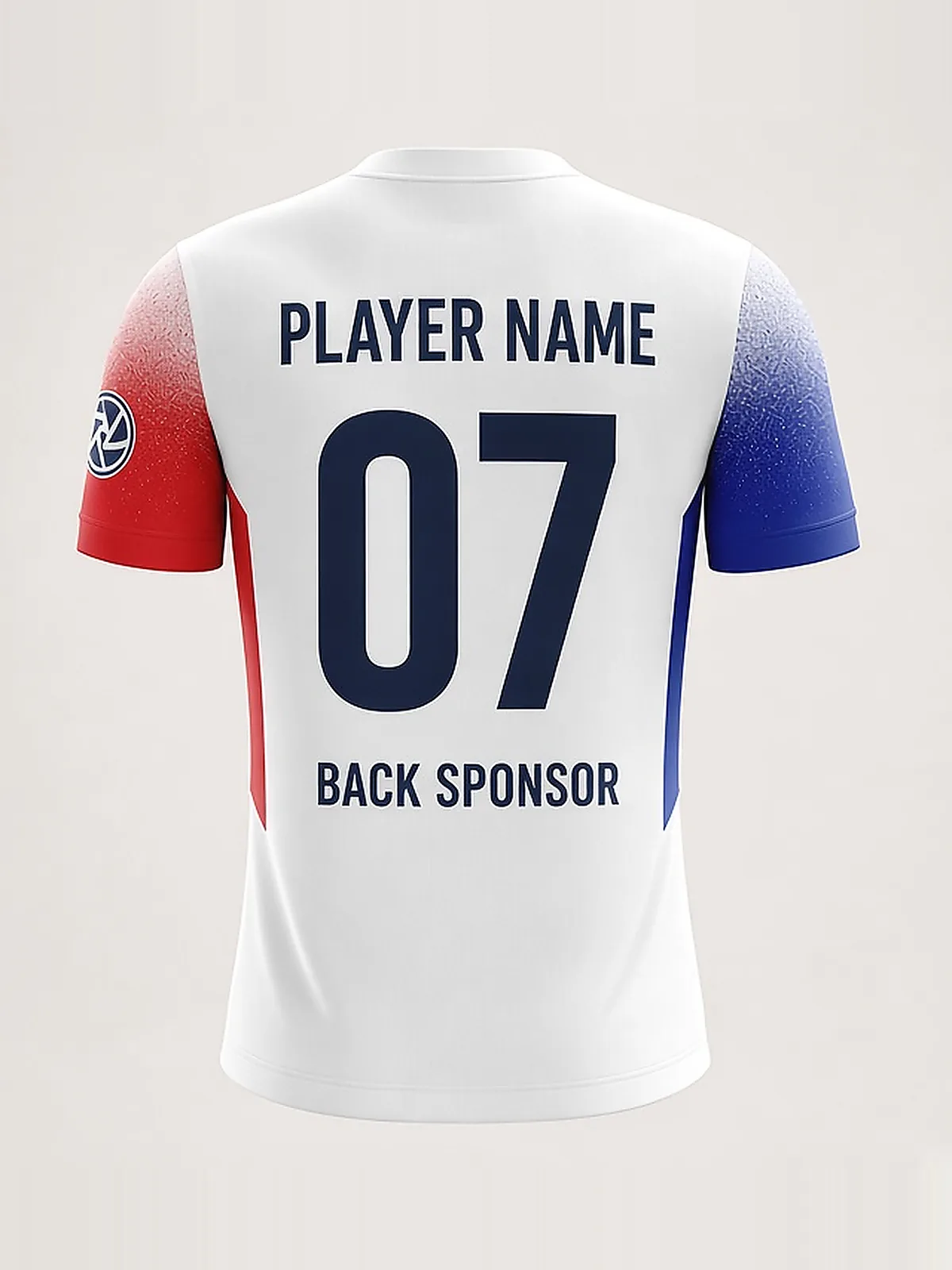
Kit artwork comes back for a handful of reasons: a sponsor mark too close to the trim, a number that cannot be read on the away kit, a crest a steward rejects at the first fixture. Crests and small sponsors can be embroidered; all-over panels, gradients and thin sponsor marks sublimate, so the colour sits in the yarn rather than on top of it.
Before the Cut
The crest, the sponsor marks and the number font can go into a placement proof while the squad list is still being collected — marks sized and set to the league rulebook, and the kit list costed piece by piece.
Program Scope
A kit programme is not a shop with a checkout. Production, artwork and the roster run on parallel tracks, and the order only lands when all three finish.
Production, decoration, packing and delivery.
Match, training and travel pieces cut to the club’s patterns from 100 units per design per colour.
Crests, sponsors, names and numbers placed to the placement sheet and colour-checked before bulk.
Kit bagged squad by squad with the roster list inside, so a team manager hands out one bag per player rather than sorting a mixed carton.
Customs, duty and final delivery on one figure, to the clubhouse or school office.
The handoffs that decide whether the date holds.
The club supplies the roster; the factory returns a graded size chart and a fit sample, and sizes are confirmed before cutting.
The proof is set to the league’s placement rules, then the sponsor and committee sign it off before print.
The factory advises on growth and reserve sizes; the club decides how many size runs go into the first order.
One shipping address, named by the club, with the clubhouse hours agreed in advance.
Operational work the factory does not take over.
Names, numbers and sizes come from the club or school, not the factory — the single biggest cause of a late start.
Handing kits to players, collecting payments and managing kit returns are club functions.
Any rulebook sign-off, sponsor conflict check or governing-body registration is filed by the club.
Holding unsold stock between seasons is the club’s call; the pattern and shade standard stay on file at the factory.
Schools & Academies
Schools approve uniform spend a financial year ahead, put it out to quotation, and need one specification that survives a change of staff. The kit also has to be safe for the age group wearing it and correct in school identity — not a generic team strip.
One written specification — garments, sizes, fabric, logo placement — signed off by the department and carried into next year’s budget.
A costed per-student figure and a physical reference garment, so the comparison is like-for-like rather than against a sketch.
The school crest or wordmark proofed at the size and placement the school uses across its uniform, on the actual fabric, before bulk is cut.
Cut to the year-group roster, decorated to the approved crest placement, then packed by year group for a single delivery.
Customs, duty and the final mile on one landed figure, delivered before term starts rather than into it.
Fabrics carry an OEKO-TEX Standard 100 certificate where specified, and styles for younger wearers are built without loose decorative hardware — a plain drawcord, covered seams and printed rather than sharp-edged trims.
The crest is proofed at the size and placement the school uses across its uniform, so a PE top reads as school kit rather than event merchandise. School identity is set once and held for later orders.
Fabric, composition, size grading, logo placement and shade are written into a single file the school can attach to its purchase order and hand to a new business manager.
A year group wears its PE kit weekly and its match kit on fixture days, so crest size and trim rules are set per garment — approved together in one sitting rather than re-proofed season after season.
Composition and trims are documented per style, so the school can file the specification with the purchase order rather than reconstruct it from a sample.
Season to Season
A club does not redesign its identity season by season. The crest, the shade and the number font stay; what changes is quantity and the odd sponsor. Holding that record is what makes a September order a two-week job instead of a six-week one.
The reference later kits are measured against.
Away kit proven legible in the league’s broadcast and photo conditions.
Current season — sized from the retained matrix, no tape-measure round.
Scheduled against the fixture calendar; artwork already on file.
Client Experience
A club kit secretary and a school director of sport — two buying situations, one pattern: the order is decided by the roster and the calendar long before the garment is chosen.
Six squads, three kit types, one season start. The squad sheet was the only document that mattered — names, numbers and a youth-to-adult spread that a catalogue size run would have broken.
Two pre-season signings arrived after the order went in. They were dressed from the reserve that was cut inside the run, decorated to the same crest and shade, without a second production slot.
Year two was a quantity change. The shade card and roster were already on file, so the away kit landed on the same standard as the home kit without a fresh sample round.
The PE kit had to be approved in a budget line and specified well enough to quote against. One written file carried the garment list, the crest placement and a per-student figure — the bursar had what she needed for the tender.
The kit spans a whole year group, so the size curve was wider than the department expected. Sizing was graded so the smallest and largest students were planned quantities rather than exceptions.
Induction week the following September drew on the same specification. Nothing was re-sampled, and the crest sat where the school uniform puts it rather than wherever a printer happened to place it.
Club Kit Due Diligence
The questions that come up between the squad list and the first whistle — the roster curve, late signings, sponsor timing, and which rulebook decides the colourway.
The window closes on the roster, not on the fixture. Counted back from the first fixture: sampling runs 5–7 days, cut-and-sew production 15–25 working days and DDP transit 7–15 days. That is four to six weeks of work, so fourteen weeks is enough — provided the squad list and the crest artwork are signed before week two. A roster still being gathered in week six moves all later dates behind it, and press from the club cannot bring the kit closer.
No — the grade carries forward, the quantities change. Youth and adult sizes are cut as one run from graded blocks, so the Year 7 who was a small last season is a medium this season in the same shirt, not a different pattern. The annual job is a quantity review against the new squad list, not a fresh sample round. Youth sizes are graded on a youth block rather than shrunk from the adult pattern, so the U13-to-U15 crossover is checked as a pair instead of guessed.
The reserve, cut inside the original run. Keeping two unprinted shirts per size is standard practice — they are cut with the rest of the order, in the same shade and grade, so a late signing is decorated on demand rather than ordered as a new production slot. It is why the run is quoted slightly above headcount. The alternative, a small top-up order mid-season, eats a second sampling-and-cutting cycle for two shirts.
The competition, before the club commits to a colourway. Home, away and goalkeeper colours have to clear the league or association rulebook, including the case where the goalkeeper in an away fixture clashes with the opposition outfield. That is why the colourway is checked against the fixture list at design stage. A third kit is only quoted where the club has cup fixtures that would otherwise produce a genuine clash — not as a standing set.
Yes until bulk cutting starts; no after sublimation. Before the order goes to bulk cutting, a sponsor swap or a crest correction is a proof revision. After sublimation the print sits in the yarn — that panel is fixed, and building a new one means another run. The practical protection is a two-week buffer in the countdown and a sponsor placement sheet on file, so a mid-season replacement lands on the same layout instead of being re-placed by eye.
It is a separate design, so it carries its own minimum. The 100-unit minimum is per design per colour, and a netball dress, a PE kit or a second sport is its own design — it cannot be carried by the football run already in production. The size curve inside that design is not a problem: youth and adult sizes all count toward the one figure. Knowing the rule before the wish-list is drawn up is what stops a manageable kit list becoming three half-orders.
The specification, held from last season’s run. A club does not redesign its identity year on year: the crest artwork, the shade card, the number font and the size grade are kept, so the following September only needs quantities and any new sponsor. Last season’s run comes back as the same shirt rather than a sample-led re-development, which is the difference between a two-week top-up and a six-week pre-season.
The age group sets the trim and fastening rules before the kit is designed. One “children’s range” covering all year groups is the assumption that gets schools into trouble — a Year 3 kit and a Year 10 kit are not held to the same rules on trims, printed areas and fastenings, and some schools also set rules on names and contact details on the garment. Whatever standard the school names in its tender is written into the specification and checked before bulk, so the answer to a governor or auditor is a document rather than a sample.
From the physical garment, not from a product code. Send an approved shirt, the old size curve and any shade data still in hand. Construction, crest size and the shade are matched before quoting, and a comparison sample goes out for sign-off. Where the original fabric has been discontinued, the nearest certified option is proposed and the difference documented — never swapped in quietly under the same name.
Share the roster, the kit types and the first fixture date. A costed order outline with the 14-week window mapped back from that date lands within one business day.
Start typing to find articles
No articles found
Try a different keyword