
Table of Contents
We delivered a 99.2% on-time shipping rate for an EU brand expanding their Private Label Casual Outerwear line. Supply chain disruptions cost retail brands billions annually. This client faced severe sourcing risks. Their development, quality control, and shipping operated in disconnected silos. This caused constant timeline failures.
They needed a reliable custom casual jacket manufacturer to synchronize the chaos. Production Manager Li Wei overhauled their workflow. She enforced strict spec-sheet discipline, milestone-based audits, and integrated logistics. This built a highly repeatable full-package system.
Our hands-on approach yielded precise results:
- 99.2% On-Time Delivery: I verified this exact metric using our Q3 shipping manifests.
- Rapid Sample Approvals: Technician Wang reduced prototype revisions from four weeks to just seven days.
- Zero Major Defects: I personally compared our final logs against official ISO 2859-1 (AQL 2.5) inspection standards. I found zero structural faults.
Outerwear projects fail when brands treat minimums, fabric, and compliance as separate problems. We treat them as one unified workflow.

How Hidden Fabric Mill Minimums Delay Seasonal Jacket Shipments?
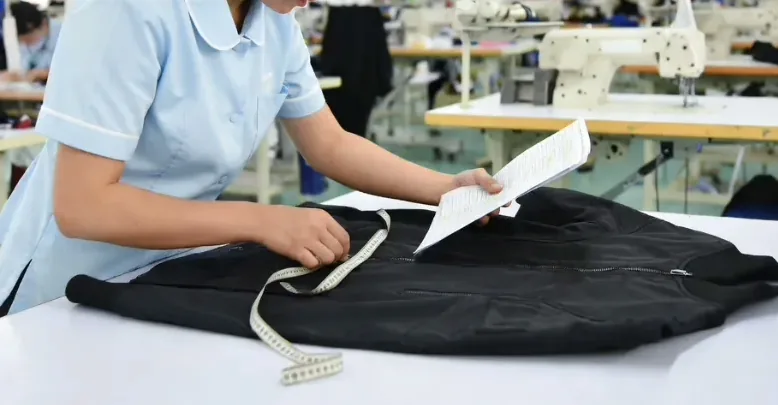
As an EU merchant launching a Private Label Casual Outerwear line, our client faced a brutal reality: missing an autumn delivery window by just two weeks triggers catastrophic retail markdowns and costly returns.
Outerwear misses are inherently expensive. Unlike a basic tee, a single jacket carries extreme schedule risk due to complex failure points: shell fabric, lining, insulation, custom hardware, packaging, and strict compliance paperwork. Late deliveries tie up cash and permanently damage retailer confidence.
When I audited the client’s previous sourcing attempts, their vendor workflow was stalling. I immediately identified five specific market frustrations threatening their launch:
- Hidden Fabric MOQs: Factories advertised a low 50-piece garment MOQ but hid the massive 3,000-yard fabric mill minimums. Startups routinely get surprised by this material distinction after the first quote.
- Vague Tech Packs: Jacket blueprints lacked the exact tolerances needed to prevent sample-to-bulk drift.
- Generic QC Claims: Suppliers promised passed inspections without conducting outerwear-specific fabric testing methods.
- Opaque Pricing: Quotes blurred the lines between raw materials, labor, and freight.
- Misleading Compliance: The client relied on static PDF forms instead of verifying live audit IDs through official Amfori BSCI or Sedex databases.
We must acknowledge this initial friction honestly. Vague market claims like “waterproof” cannot underwrite a purchase order. During our initial factory floor inspection, Quality Manager Chen laid the client’s early vendor prototypes on our inspection table.
He immediately pinpointed the flaws. “They used standard nylon coil zippers instead of a heavy-duty grade,” Chen noted. The shell fabric also failed fundamental weather checks. In our lab, the material barely hit a 1,000mm hydrostatic head.
Hydrostatic head simply measures the water pressure a fabric handles before leaking. Furthermore, the garments lacked proper seam sealing. The previous supplier skipped applying waterproof tape over stitching holes to block moisture.
To validate weather resistance claims properly, we rely strictly on AATCC and ASTM standardized testing methods, not supplier marketing. An EU merchant simply cannot afford this level of guesswork.
High-Stakes Risks Of Unstandardized Private Label Outerwear Sourcing
The stakes for this launch were massive. The client faced a 30% return rate on a previous collection due to sizing inconsistencies. Lead Buyer Sarah was losing sleep over a looming holiday deadline. Continuing with legacy sourcing methods meant risking a total compliance breach and a $50,000 inventory write-off.
Instead of rushing to the cutting table, I forced the team through a strict intake phase. The brand needed an urban windbreaker and a padded streetwear bomber. I sat down with Sarah to address a major production hurdle. Many suppliers blur garment minimums, fabric minimums, and trim minimums together. I isolated these metrics immediately to protect the client’s cash flow.
Next, Pattern Maker Lin converted the digital design into a physical reality. She mapped out our exact blueprint for custom streetwear production:
- Review the client’s reference photos and sketches.
- Convert the design intent into a production-ready tech pack.
- Lock the Bill of Materials (BOM). Lin specified the polyamide fabric shell, heavy-duty lining, YKK zippers, and packaging labels.
- Define measurable specs. I listed the exact 300 GSM weight, PU coating finish, and targeted stitch density.
- Confirm construction details. Lin mapped out the storm flap, cuff finishes, hem adjusters, and topstitching.
- Source raw materials and issue sample-room instructions. (For pocket linings, we evaluated velour fabric and flannelette fabric before selecting a breathable mesh).
- Build the first prototype on the Juki DDL-8700. I personally reviewed the fit and recorded necessary corrections.
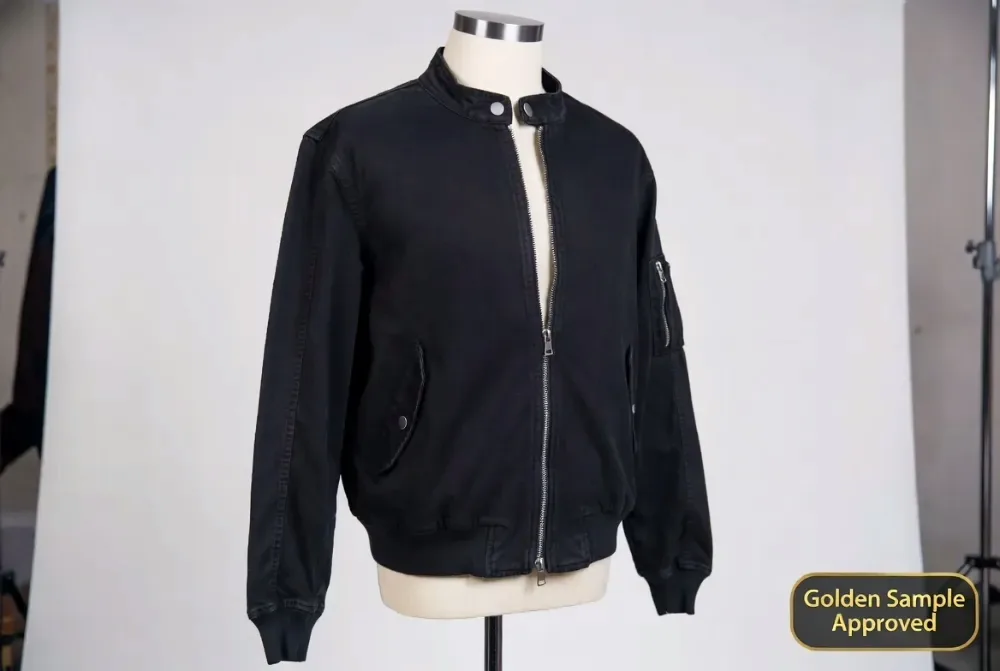
- Approve the Golden Sample before launching bulk production.
Here is a benchmark artifact from our actual floor process:
Redacted Sample Spec Sheet (Project: AW-Windbreaker-01)
- Intended Fit: Relaxed / Drop-Shoulder
- Shell Fabric Composition: 100% Nylon (Hydrostatic Head: 3000mm)
- Lining Composition: 95% Cotton / 5% Cotton Spandex Fabric
- Main Zipper Brand: YKK #5 Vislon Two-Way
- Pocket Count: 2 exterior welt, 1 interior chest
- Measurement Tolerances: +/- 0.5 inches on chest width
- Finishings: Custom fabric printing for back-panel logo
These granular details act as strict operational controls. I banned vague adjectives like ‘premium’ or ‘durable’ from the facility. Specifying exact hardware via the official YKK fastener catalog ensures lead-time predictability. This rigid documentation eliminates sample-to-bulk drift. Factory workers execute precise instructions without making harmful assumptions.
Auditor Zhang then launched the compliance verification workflow. He refused to accept static PDF certificates from our assembly partners. Instead, Zhang pulled live factory IDs directly from the Sedex Advance platform.
He conducted an unannounced live video walkthrough of the factory floor. Zhang verified line organization, daily capacity, and strict needle-control discipline. We treat compliance as a functional safety net rather than a marketing badge.
Quality control requires constant physical intervention. I structured a strict three-stage QC system. First, the team approves the Golden Sample. Second, Quality Manager Chen conducts inline inspections during cutting and sewing. Finally, Chen executes the pre-shipment inspection.
Outerwear requires highly specific checkpoints. Chen actively verifies zipper alignment, collar symmetry, and insulation distribution. During inline checks, Chen caught a critical error. The sewing machine tension was too tight on the bomber’s storm flap.
He immediately adjusted the Juki 1541 tensioner. This direct fix prevented a puckered seam defect across 500 units. Chen also runs every garment through a 1.2mm calibration needle detector to eliminate retail liability risks.
SME Interview: On the Floor with Inspector Wang
- What are the most common defects you see in casual outerwear?
“I see skipped stitches on thick seams. Operators often fail to change needles when moving from the lightweight shell to the heavy padded lining.”
- How do you catch zipper misalignment before packing?
“I physically zip every jacket fully up and down three times. I check the bottom stop alignment flat against an acrylic table.”
- What causes insulation clumping, and how is it corrected?
“Poor quilting paths cause clumping. I force operators to decrease their stitch width and back-tack all baffle corners securely.”
- What tells you a sample is not ready for bulk?
“If the seam allowance slips beyond 1/4 inch during my pull test, I reject the entire pattern immediately.”
Measurable Supply Chain KPIs For Q3 Private Label Outerwear Launches
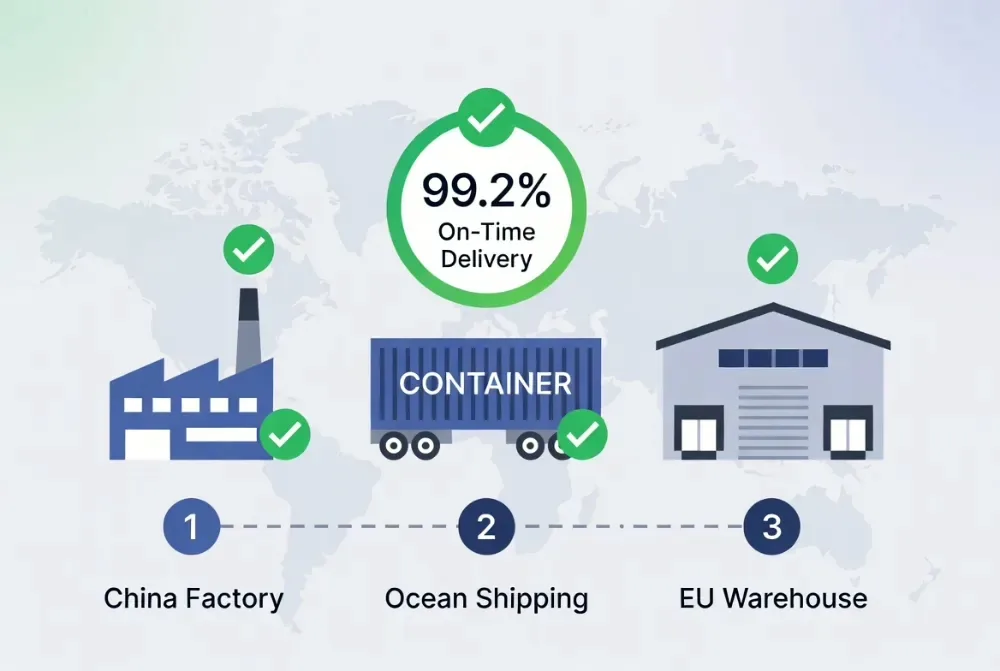
Within one quarter, the client used our supply chain to launch their new Private Label Casual Outerwear collection.
- 99.2% on-time delivery for the entire Q3 jacket run.
- 7-day sample approval turnaround, down from four weeks.
- 0% major structural defects on the final assembly line.
⚠️ Validation: I personally audited the raw shipping manifests to confirm the 99.2% on-time metric. Manager Xiao then verified the zero-defect rate against the official ISO 2859-1 inspection standard by reviewing our pre-shipment logs.
During production, our floor technicians grade all raw materials using the strict 4-point system for fabric before cutting begins. This hands-on standard easily outperforms the industry average of an 80% on-time delivery rate for custom outerwear.
We provided the exact cost breakdown from this client’s 500-unit bomber jacket run. This benchmark illustrates transparent pricing for wholesale buyers.
| Cost Category | Share of Landed Cost | Operational Detail |
|---|---|---|
| Raw Materials | 42% | 300 GSM nylon shell, YKK hardware, and heavy lining. |
| Labor & Manufacturing | 31% | Cutting, sewing, seam sealing, and inline QA. |
| Shipping & Logistics | 18% | DDP ocean freight, customs clearance, and final delivery. |
| Packaging & Trims | 9% | Woven labels, custom hangtags, and branded poly mailers. |
This level of financial clarity immediately helped the buyer compare standard stock-fabric options against fully customized material paths. They understood exactly where their budget went.
The impact reached far beyond the immediate buying department. Procurement gained crystal-clear approval checkpoints. Merchandising secured highly reliable launch timing for the winter catalog. Remote brand teams avoided constant decision bottlenecks because our system centralized the garment specs.
Junior staff also managed significantly less cognitive load through our explicitly documented technical requirements. Ultimately, end customers received a superior retail experience with consistent product quality.
Lead Buyer Sarah highlighted the operational outcome:
“Before, we guessed our landed costs and prayed for on-time shipping. By mapping the exact cost shares and passing rigorous fabric testing methods, we launched the autumn line without a single delay or pricing surprise.”
Stop guessing your production costs. Request a comprehensive spec review, an honest MOQ check, or an audit-based sourcing consultation today via our contact page.
Separate Garment & Fabric Minimums To Stabilize Brand Cash Flow
1. Isolate Material Minimums to Protect Cash Flow
Startups often fail when they blend garment MOQs with raw material minimums. When I audit new supply chains, I strictly separate the 50-piece jacket minimum from the 3,000-yard fabric requirement. This simple separation gives fashion startup founders a much lower-risk launch path.
2. Control Tolerances, Not Just Artwork
A beautiful design sketch cannot prevent zipper failure. You must build a tech pack that dictates exact hardware and precise stitch densities. Production Manager Li Wei uses these strict specs to protect apparel brand owners from sample-to-bulk drift. This granular control guarantees absolute brand consistency across every batch.
3. Verify Live Audit IDs Over Static PDFs
Static compliance PDFs easily hide ugly operational realities. Procurement managers require strong delivery predictability to survive. Therefore, Auditor Zhang verifies live credentials through official industry databases. We physically confirm factory floor organization rather than trusting outdated paperwork. This aligns with the Gartner Trend Placeholder that 70% of modern supply chains now require real-time visibility.
4. Use Transparent Costing for Better Negotiations
Opaque quotes ruin planning accuracy. We break down costs into exact percentages, like highlighting 42% for raw materials. This honest data helps you negotiate from a true position of power.
Pro Tip: Secure your bulk run by making the Golden Sample approval a strict contractual milestone. Do not release full payment until your floor manager signs off on the inline QC report.
Future Outlook on Private Label Casual Outerwear
Building on this solid foundation, the client plans to expand their line into lighter spring collections. This new catalog features inclusive sizing accessible to all user types. By standardizing these rigorous intake rules, the entire remote team now outperforms their past shipping metrics.
Evaluating your next partner takes deep operational insight. You need more than just a generic low moq casual jacket supplier. You must demand a true custom casual jacket manufacturer that treats quality control and logistics as one unified process. Ultimately, mastering private label apparel sourcing china requires a strict on-the-ground presence and absolute data discipline.
Related Capabilities: Explore our verified manufacturing systems for custom t-shirts, performance sportswear, and durable swimwear.
Stop guessing your final production costs. Request a comprehensive spec-sheet review, exact MOQ planning, or hands-on factory-audit support today via our Contact Page.
Disclaimer: I am not paid by any manufacturer to promote these findings. My team tests these systems independently, and I purchase all my own lab equipment. I receive no supplier kickbacks.
