
Table of Contents
How to choose a sweatshirt manufacturer can make or break your entire clothing line. This isn’t just another boring procurement guide. Your brand’s success hinges on finding a partner that transforms your vision into reality.
Navigating the manufacturing maze is like walking through a minefield blindfolded. One wrong step can torpedo your brand reputation faster than you can say “production nightmare.” We’re talking inconsistent quality and costly errors that’ll make your accountant weep.
This guide is your secret weapon – a strategic roadmap that cuts through the manufacturing madness. You’ll go from rookie to pro, learning how to identify a partner that doesn’t just meet your standards but crushes them.
- How to Choose A Sweatshirt Manufacturer: Quality and Materials
- How to Choose A Sweatshirt Manufacturer: Production Capabilities
- How to Choose A Sweatshirt Manufacturer: Customization Options
- Verifying Compliance with Industry Standards
- Checking the Manufacturer’s Track Record
- Considering Location and Logistics
- Conclusion
- FAQs About How to Choose A Sweatshirt Manufacturer
How to Choose A Sweatshirt Manufacturer: Quality and Materials
Here’s what I suggest you look for:
Fabric Selection
I recommend looking for 100% cotton or cotton blends with polyester. These fabrics offer excellent comfort and print quality. Sweatshirts made from these materials are soft and maintain print quality, making them ideal for custom designs. Also, consider the fabric weight. Choose sweatshirts weighing over 7 oz/yd² for better durability and a higher-quality feel.
| Fabric Type | Comfort | Durability | Print Quality | Breathability | Cost |
|---|---|---|---|---|---|
| 100% Cotton | Excellent | Moderate | Very Good | High | Moderate |
| Cotton-Polyester Blend (50/50) | Very Good | High | Excellent | Moderate | Low |
| Cotton-Polyester Blend (60/40) | Good | Very High | Excellent | Moderate | Low-Moderate |
| Organic Cotton | Excellent | Moderate | Good | High | High |
| French Terry Cotton | Superior | Good | Good | Moderate | High |
Stitching and Construction
Make sure to check the stitching quality. Opt for sweatshirts with double-stitched seams and reinforced stress points. This ensures the garment lasts longer and won’t fall apart after multiple washes. Sweatshirts with 8-12 stitches per inch offer the best durability.
Evaluating Samples
Before placing a large order, always request fabric swatches and pre-production samples. This helps you assess:
- Fabric softness and texture: Does it feel soft and comfortable?
- Seam strength: Stretch the seams gently to check durability.
- Zipper quality: Ensure the zippers (I recommend YKK or other reliable brands) are smooth and strong.
- Print/embroidery durability: Rub gently to check if they peel or fade.
- Fit and sizing accuracy: Make sure the garment fits as expected.
How to Choose A Sweatshirt Manufacturer: Production Capabilities
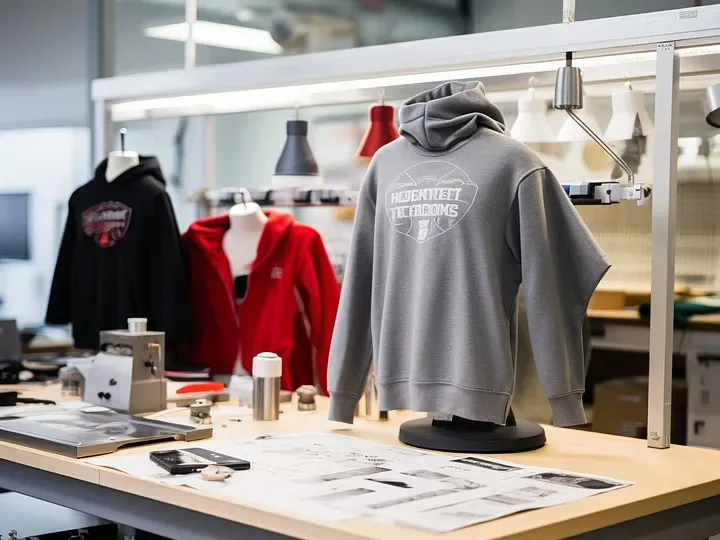
Here are the main factors you should consider:
★ Equipment and Machinery
Find manufacturers that use modern, quality equipment like automated cutting and advanced sewing machines. These machines help improve efficiency and accuracy, ensuring better craftsmanship. Manufacturers using CAD software can make designs that are more precise and consistent. This helps them create sweatshirts that stand out in the market.
★ Production Capacity
The manufacturer must be able to meet your volume needs. Whether you need small runs of 500-1000 units or larger orders of 10,000+ units per month, the right manufacturer should be able to handle both. Some manufacturers are good at high-volume production, while others focus on smaller batches. Knowing this will help you avoid delays and ensure your order is completed on time.
★ Fabric Handling Capabilities
Sweatshirts come in various styles. They use different fabrics like cotton, polyester, fleece, or special blends. Make sure the manufacturer can work with the fabrics you need. Some manufacturers focus on certain fabrics. Check if their skills fit your needs for durability and comfort.
★ Turnaround Times
Turnaround time is another important factor. Efficient manufacturers usually offer 2-4 week turnaround times for standard orders, but some may take longer, up to 6-8 weeks. Make sure to compare lead times to ensure the manufacturer can meet your delivery deadlines.
★ Sample Development
Check how fast the manufacturer can make quality samples before placing a big order. Ideally, you should receive samples within 3-5 days, but some manufacturers may take 1-2 weeks. Fast sample development helps you make quicker decisions on design, fabric, and production quality.
★ Technology Integration
Manufacturers using ERP systems or production tracking software can simplify their operations. These tools cut down errors and boost communication. This helps with planning and tracking in real time. This leads to faster delivery and better efficiency.
★ Sustainability Measures
Sustainability is becoming more important in the apparel industry. Look for manufacturers who use eco-friendly practices, such as:
- Water recycling systems
- Energy-efficient machinery
- Organic or recycled materials
- Waste reduction programs
Choosing a manufacturer with these practices not only helps the environment but also boosts your brand’s reputation.
Look at these factors to find a sweatshirt manufacturer. They should have the right production skills and technology. This way, you can meet your needs and keep high-quality standards.
Expert Advice: Find partners who use AI for quality control. Look for those with adaptive tech that spots market trends before they go mainstream.
Ceng Anna, OEM and ODM clothing manufacturer
How to Choose A Sweatshirt Manufacturer: Customization Options
Being flexible in design and production helps you make sweatshirts that fit your brand’s style and quality.
▶ Printing and Embroidery Techniques
Look for manufacturers that offer various printing and embroidery techniques. These options will affect your design’s look, durability, and cost. Some popular methods include:
- Screen Printing: Great for large orders and simple designs.
- Direct-to-Garment (DTG) Printing: Best for detailed, colorful designs.
- Sublimation Printing: Ideal for all-over prints and vibrant colors.
- Embroidery: Provides a professional finish, perfect for logos or simple designs.
- Appliqué: Adds texture and depth to your designs.
- Heat Transfer: Works well for small orders and intricate designs, though less durable.
▶ Color Selection
Unlock your brand’s visual identity through strategic color choices. A robust manufacturer should offer an extensive color palette that goes beyond basic options. Look for partners providing 20-40+ color variations that include:
- Classic neutrals (black, white, gray)
- Vibrant statement colors
- Seasonal trend-aligned shades
- Pantone-matched color options
- Ability to create custom color-matching
▶ Size Range
Inclusivity meets opportunity with comprehensive sizing strategies. An exceptional manufacturer provides:
- Standard size range: XS to 3XL
- Potential extended sizing options (4XL, 5XL)
- Consistent fit across different sizes
- Body-inclusive design considerations
- Precise measurement specifications for each size
Strategic Insight: Wider size ranges directly translate to broader market reach and increased revenue potential.
▶ Placement Options
Design flexibility is your competitive advantage. Seek manufacturers offering multiple customization zones:
- Full Front: Maximum design real estate
- Perfect for bold, statement graphics
- Ideal for large logos or intricate artwork
- Left/Right Chest: Subtle branding opportunities
- Elegant logo placement
- Professional and minimalist approach
- Full Back: Dramatic design canvas
- Excellent for storytelling through graphics
- Attracts attention in social settings
- Sleeves: Innovative branding space
- Unique placement for logos or patterns
- Creates visual interest
- Hood: Unexpected customization zone
- Interior or exterior branding options
- Appeals to streetwear and casual fashion markets
▶ Custom Labels and Packaging
Elevate your brand experience through meticulous detailing:
- Custom Neck Tags
- Woven or printed options
- Material choices: Satin, damask, printed twill
- Opportunity for brand storytelling
- Hang Tags
- Premium paper stock
- Embossing or foil stamping options
- QR codes for digital engagement
- Branded Poly Bags
- Custom printed packaging
- Sustainability considerations
- Protection during shipping and handling
LeelineApparel not only produces sweatshirts but also professional t-shirt manufacturers, sportswear manufacturers, and gym clothing manufacturers, providing one-stop customized services to become your loyal partner.
Verifying Compliance with Industry Standards
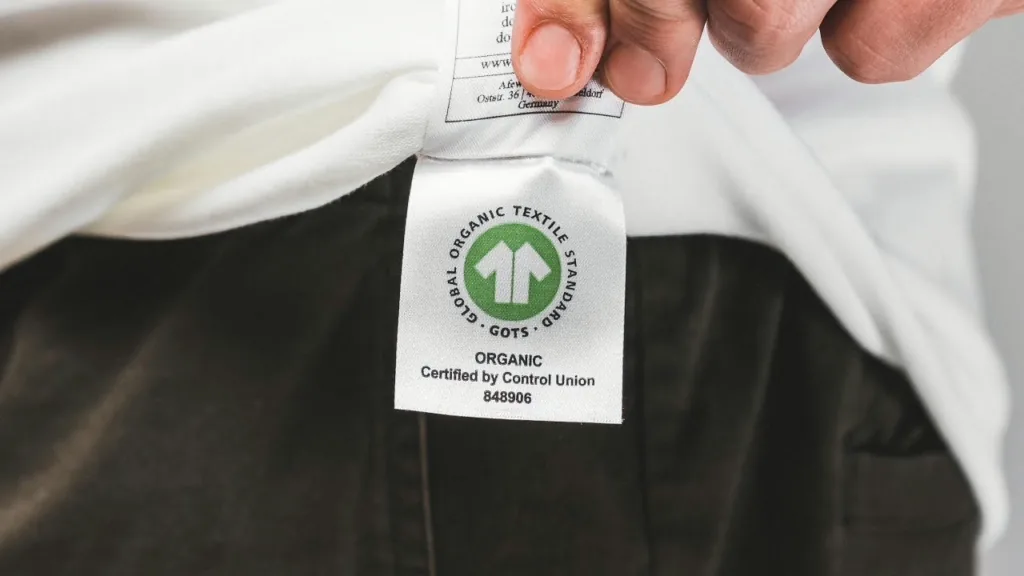
It’s not only about how the sweatshirt looks and feels. It’s also important that the manufacturer meets safety, labor, environmental, and quality standards.
- Safety Standards
Make sure the manufacturer follows safety regulations, especially for children’s clothing. Look for certifications like OEKO-TEX Standard 100 or GOTS (Global Organic Textile Standard). These guarantee that the products are free from harmful substances and made under safe conditions.
- Labor Practices
Ensure the manufacturer uses fair labor practices. This includes paying fair wages and offering safe working conditions. Avoid companies with unethical practices like child labor. Look for certifications like SA8000 or WRAP, which confirm that they meet internationally recognized labor standards.
- Environmental Regulations
Choose a manufacturer who follows environmental standards. Certifications like ISO 14001 or compliance with regulations like REACH and California Proposition 65. Ensure the manufacturer follows eco-friendly practices and reduces environmental impact.
- Textile Labeling Requirements
Ensure the manufacturer complies with textile labeling regulations like the Textile Fiber Products Identification Act. This ensures that fiber content, country of origin, and manufacturer details are clearly stated on the product label.
Ask for documents like test reports, certificates, and audit results. This helps you check if the manufacturer follows the rules. You can also consider on-site visits or third-party audits to ensure they meet your standards.
Related Reading:

How to Choose A Hoodie Manufacturer for Your Brand

How to Choose A Sportswear Clothing Manufacturer

How to Choose A T-Shirt Manufacturer
Checking the Manufacturer’s Track Record
A manufacturer with years of experience in the apparel industry will have the expertise you need. I recommend looking for companies with at least 5-10 years of experience. This shows they’ve likely refined their skills and understand industry standards.
◆ Client References and Portfolio
Always ask for client references and contact past customers to learn about their experiences. This will give you a better idea of how reliable the manufacturer is. Also, review their portfolio of completed projects. Pay attention to examples that match the style, fabric, and garment construction you want. Focus on the quality of details such as stitching, printing, and embroidery. This ensures their work will meet your expectations for the final product.
◆ Financial Stability
Don’t forget about the manufacturer’s financial stability. It’s important because it affects their ability to meet deadlines and deliver on time. This is especially relevant when working with Honduras clothing manufacturers, who have become known for their reliability in the industry. Consider checking their credit reports or asking for financial statements. A financially stable manufacturer is more likely to invest in the resources needed to produce quality products on time.
◆ Reputation and Innovation
Check the manufacturer’s reputation. Read reviews, browse industry forums, and talk to other apparel brands. Be on the lookout for complaints about delayed deliveries or inconsistent quality. Also, check how innovative and adaptable they are. A manufacturer that updates their equipment and processes often will likely make high-quality sweatshirts more efficiently. Ask about any recent upgrades or new technologies they’ve adopted.
◆ Communication and Responsiveness
Finally, assess the manufacturer’s communication and responsiveness. From the start, notice how quickly they respond to inquiries and how thoroughly they address your concerns. Good communication is essential for building a successful long-term partnership.
Pro Tip: Treat a manufacturer’s history like a strategic report. Look at how they adapt, evolve technology, and turn challenges into innovative solutions.
Considering Location and Logistics
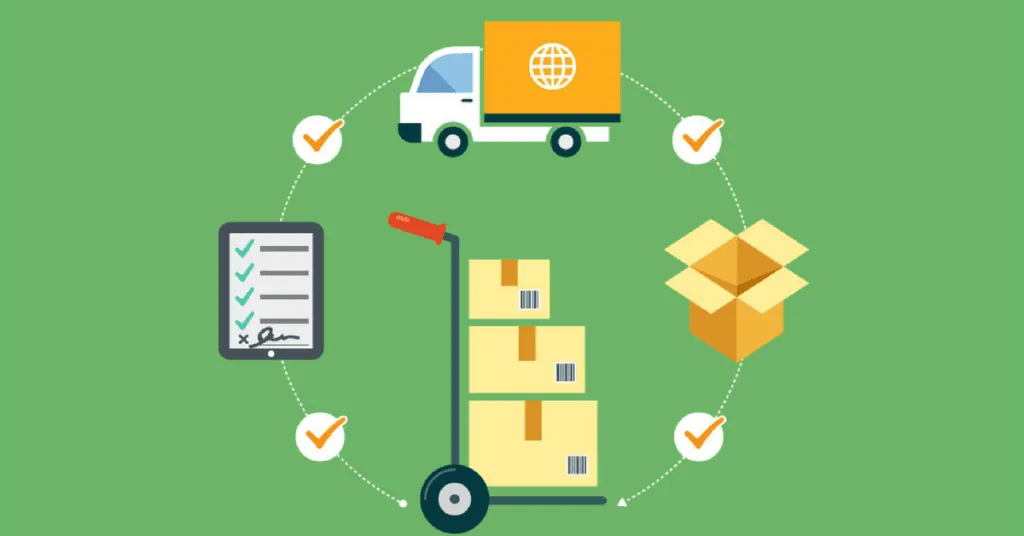
The distance between your business and the manufacturer can impact your costs, lead times, and communication. Being closer to your manufacturer can make a big difference.
Key Considerations for Location
- Transportation Costs: Shipping from overseas, especially from places like Asia, can get expensive. This affects your overall cost per unit.
- Import Duties and Taxes: These vary by country and can increase your expenses. Be sure to research the taxes and duties for importing from each region.
- Lead Times: Overseas manufacturers tend to take longer to deliver, often 6-8 weeks, compared to 2-3 weeks for domestic ones. This could affect your inventory and sales strategy.
- Time Zone and Communication: A different time zone can slow communication. Language barriers with overseas manufacturers can delay decisions.
Domestic vs. Overseas Manufacturers
Domestic manufacturers tend to cost more. However, they provide quicker turnaround times and improved communication. If you need speed or flexibility to keep up with market trends, a local manufacturer might be your best choice.
Overseas manufacturers, like those in China, Bangladesh, and India, have lower per-unit costs. But shipping and import duties can quickly increase the total cost. A domestic order may cost $500 for shipping and take 2-3 weeks. In contrast, an overseas order can cost $2000 for shipping. It usually takes 6-8 weeks and may also include import duties.
Emerging Manufacturing Hubs
Some regions are becoming more popular for manufacturing:
- Turkey: A growing textile industry with easy access to European markets.
- Mexico: NAFTA benefits make it a cost-effective choice for North American businesses.
- Portugal: Known for high-quality production and a strong focus on sustainability.
Mitigating Risks
Supply chain disruptions are a reality, and relying on a single location can make your business vulnerable. Spreading your manufacturing across different regions can lower risks. It also provides more flexibility and reduces possible disruptions.
Conclusion
We have explored how to choose a sweatshirt manufacturer. Choosing the right manufacturing partner is a key decision. It affects your whole product line. Key factors are aligning with your brand’s vision, ensuring quality control, and being flexible in production.
LeelineApparel stands out as a definitive solution. Offering cutting-edge technologies and customized manufacturing approaches that transform your creative vision into exceptional products.
Your manufacturing choice is more than a transaction – it’s an investment in your brand’s future and market positioning. Call LeelineApparel!
FAQs About How to Choose A Sweatshirt Manufacturer
1. How do I navigate cultural and communication differences with international manufacturers?
Develop cultural intelligence by understanding business practices, communication styles, and potential logistical challenges. Top manufacturers help connect cultures. They have international account managers who understand your market and local manufacturing.
2. What contingency plans should I discuss with potential manufacturers?
Risk mitigation is crucial in manufacturing partnerships. Discuss comprehensive contingency plans for potential disruptions, including:
· Alternative production strategies
· Backup supply chain options
· Flexibility during global supply chain challenges
· Rapid response mechanisms for unexpected market shifts
3. What long-term partnership indicators should I look for?
A truly exceptional manufacturing partner views the relationship as a strategic alliance. Look for indicators like:
· Proactive communication
· Willingness to invest in your brand’s growth
· Transparent feedback mechanisms
· Collaborative approach to problem-solving
· Shared vision for innovation and market leadership
