
Table of Contents
Navigating the overwhelming types of towels available can feel like learning a new language—one where “GSM” and “warp knit” are the confusing local dialect. Let’s face it: nobody writes a glowing 5-star review because the lobby had nice carpet, but they will complain if their bath sheet feels like sandpaper.
Stop guessing and hoping for the best. This guide translates technical specs into real business value, so you don’t have to get a degree in textile engineering just to buy bathmats.
By partnering with the right towel manufacturer who understands your specific needs, you can secure linens that survive rigorous laundering without turning into rags. You will learn to select the specific towel that perfectly balances durability, cost-efficiency, and a superior guest experience for your facility.
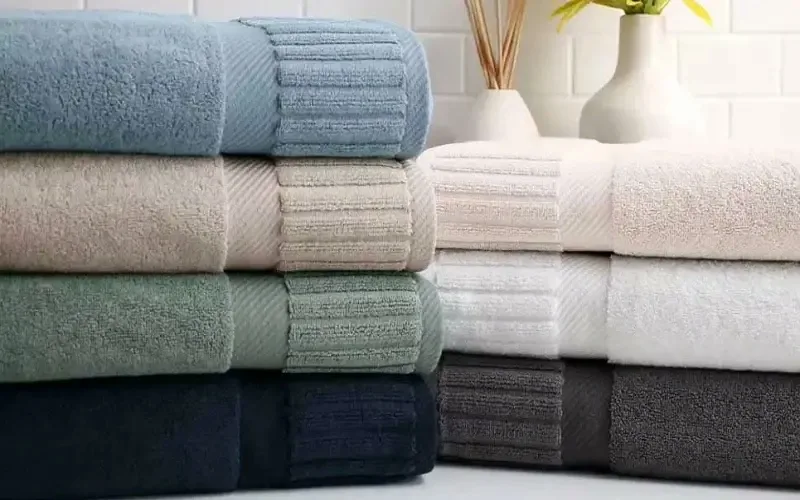
Illustrated Introduction of Types of Towels
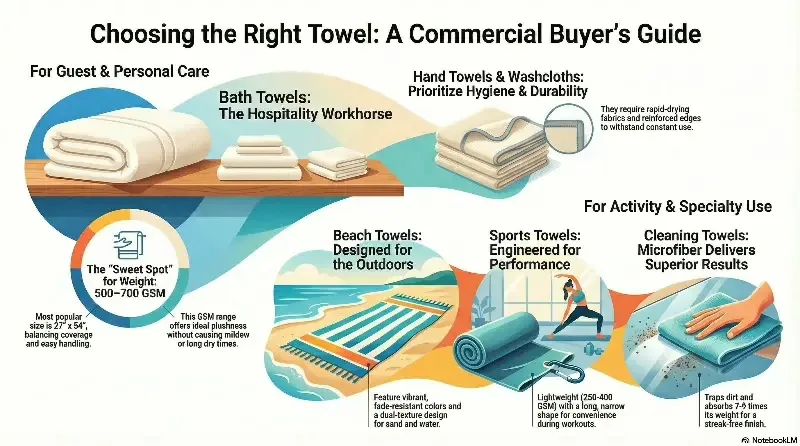
1. Bath Towels
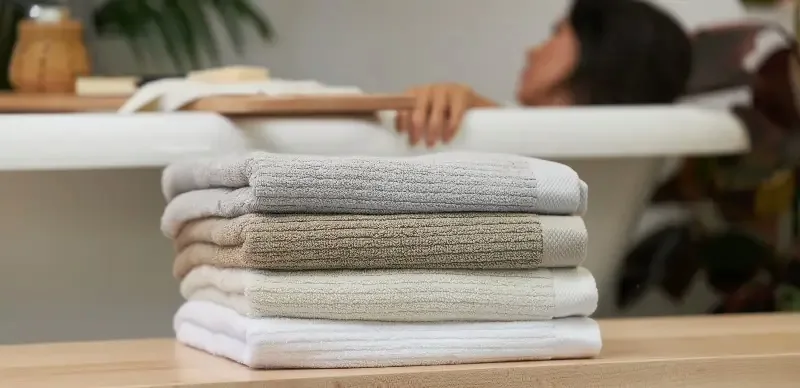
Bath towels are the workhorses among all types of towels in any commercial or hospitality setting.
Key Bath Towel Dimensions & Types
- Standard sizes: Bath towels measure 28” × 54”. Most hotels use towels from 24” × 50” up to 30” × 58”. The 27” × 54” option is most popular. It balances easy handling with good coverage.
- Bath sheets offer extra luxury. They measure 40” × 72”—ideal for premium guest experiences.
Weight & Absorbency: GSM Matters
- GSM (Grams per Square Meter): The sweet spot for bath towels is 500–700 GSM. This gives guests the plushness they expect. It won’t cause mildew or long dry times.
- For luxury settings, go with 650–900 GSM for main towels. You get maximum absorbency, thickness, and a high-end touch. But dense towels with GSM above 800 air-dry slower. This raises mildew risk if you don’t handle them with care.
Performance Standards & Certifications
- Oeko-Tex Standard 100: Your bath towels stay safe from harmful chemicals and allergens. This meets major global rules.
- ASTM D4772-14 measures how fast towels pull water away from skin. It supports your focus on guest comfort.
- Color retention: White towels need to keep a high CIE Whiteness index with bleach exposure. Colored versions must score 4–5 on the Grey Scale after many industrial washes.
- Antimicrobial & anti-shrinkage finishing keeps towels fresher between washes. It helps maintain size. This matters with heavy use.
2. Hand Towels
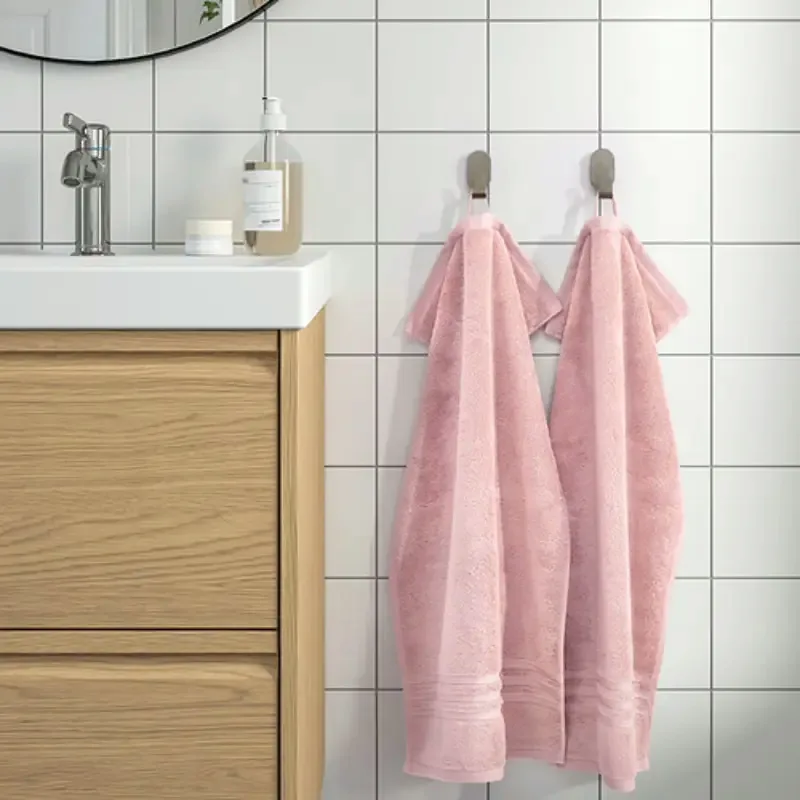
Often situated conveniently near the vanity, hand towels are indispensable types of towels that serve a specific hygienic purpose in both private and public restrooms.
Hygiene and Rapid Drying
Sanitation is a primary function of this linen category since these items face high frequency usage throughout the day. The fabric construction prioritizes rapid moisture wicking and quick drying capabilities to prevent the growth of bacteria and musty odors. A medium pile height is often preferred here as it balances soft absorbency with the ability to air out faster than thicker bath sheets between uses.
Color Fastness and Stain Resistance
In commercial environments, hand towels face constant exposure to soaps, lotions, and cosmetics. Choose towels with vat-dyed or solution-dyed fibers that resist fading and maintain color vibrancy. Lighter colors like white or cream show cleanliness but require more intensive laundering, while darker tones camouflage stains better in moderate-traffic areas.
3. Washcloths
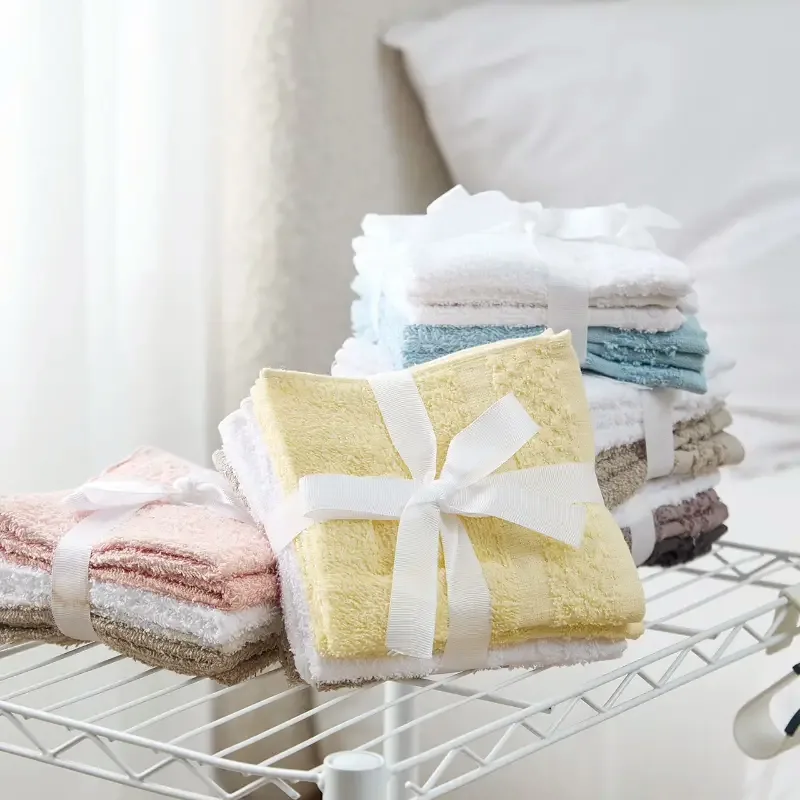
Washcloths are the smallest yet most versatile types of towels in any comprehensive linen program.
GSM Range for Different Applications
Quality washcloths typically range from 300 to 450 GSM. Lighter weight options around 300 to 350 GSM dry rapidly and work well for facial cleansing in gyms or budget hotels. Luxury spas and premium hotels opt for 400 to 450 GSM washcloths that offer substantial thickness and a gentle, cushioned feel against sensitive facial skin.
Durability Under Intensive Use
Washcloths endure harsh treatment including hot water, exfoliation, and aggressive scrubbing with cleansers. Select washcloths with reinforced binding or double-turned edges that prevent unraveling. The terry construction should feature dense, low-profile loops that resist snagging from jewelry or rough handling while maintaining absorbency.
Hygiene and Replacement Cycles
As the most intimate towel type touching guests’ faces, washcloths require impeccable cleanliness standards. Their small size means you can stock higher quantities per guest room at lower cost compared to bath towels. Plan for more frequent replacement cycles, as washcloths show wear faster due to their intensive contact with skincare products and cosmetics.
**Expert Advice:**To maximize your return on investment, implement a “downgrade policy” where washcloths retired from guest use due to minor wear are re-designated as housekeeping cleaning rags, effectively eliminating the need to purchase separate industrial cleaning cloths.
Aakash Kendoole, Towel Manufacturing Expert
4. Beach Towels

Distinctly larger and more colorful than their bathroom counterparts, beach towels are specialized types of towels designed to handle outdoor elements like sand, sun, and saltwater.
Market Size & Growth Trends
- Beach towels are big business. The market size in 2024 sits at USD 33.4 million. Forecasts show it reaching USD 50.9 million by 2034.
- You’re looking at a steady CAGR of 4.3% (2025-2034). Specialized beach towel segments grow even faster. They project 12.3% CAGR (2026–2033).
Current Materials & Preferences
- Microfiber towels dominate 2024’s share with a powerful 45.8%. Why? You get top absorbency, rapid dry time, and lightweight convenience.
- Cotton remains popular. Consumer demand shifts toward natural feels and sustainable materials. 2023 saw cotton fiber beach towels rising in share. Growth continues.
Vibrant Designs and Visibility
Unlike the stark white aesthetic preferred in bathrooms, beach towels serve as a canvas for bold patterns and bright colors. These vibrant designs serve a practical purpose by making the towel easily identifiable on a crowded beach or pool deck. The dyeing process used for these items is formulated to be colorfast which helps resist fading despite prolonged exposure to intense UV sunlight and harsh chlorine chemicals found in swimming pools.
Dual Texture Construction
The fabric construction of a beach towel often features two distinct sides to maximize versatility. One side is often velour. It’s made by shearing loops to create a soft, smooth surface. This design helps sand shake off easily and offers a cozy spot to lie down. The reverse side usually retains standard terry loops to ensure maximum water absorbency for drying off quickly after exiting a pool or the ocean.
5. Sports Towels
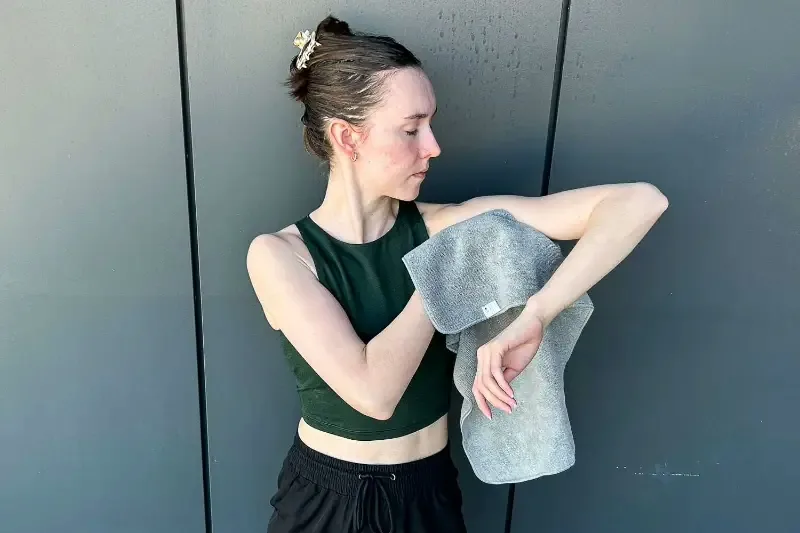
Engineered for high-intensity activity, sports towels are highly functional types of towels that prioritize moisture management and convenience during workouts.
Ergonomic Shape and Size
These towels typically feature a long and narrow rectangular shape measuring approximately 16 by 32 inches. This design helps the towel stay in place around your neck or shoulders. It won’t fall off when you run on a treadmill or switch between weight machines. The dimensions are designed to cover a gym bench well. They ensure enough surface area for hygiene, so they won’t drag on the floor or snag on equipment.
Lightweight Construction for Performance
Sports towels typically range from 250 to 400 GSM, significantly lighter than traditional bath towels. This reduced weight leads to quicker moisture wicking and shorter drying times. It’s vital in busy gyms where towels need to be laundered several times each day.
Grip and Non-Slip Features
Sports towels benefit from textures that prevent slipping when placed on equipment benches or workout mats. Waffle weaves or ribbed terry patterns provide grip while maintaining absorbency. Some premium options come with rubberized corners or silicone dots. These help anchor the towel during floor exercises. This boosts safety and makes using the towel more convenient.
If you are still worried about how to choose the best Hong Kong apparel manufacturers, please feel free to discuss with our professionals.
6. Specialty Towels (Car/Surface Cleaning)
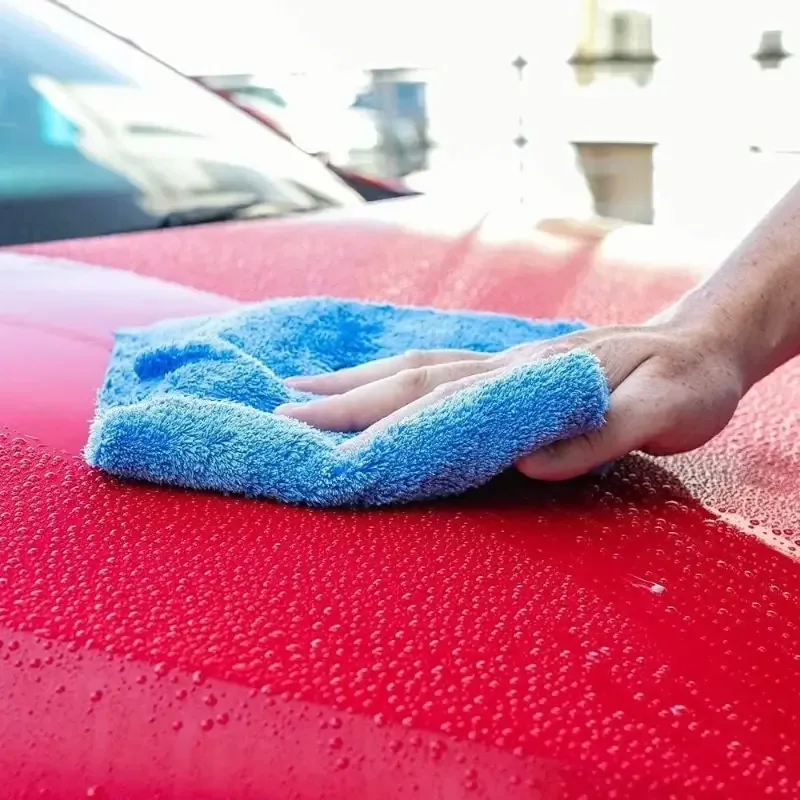
Moving beyond personal care and hygiene, there are purely functional types of towels engineered specifically for automotive maintenance and delicate surface cleaning.
Technology & Performance: Features Driving Value
- Microfiber Power: Microfiber towels beat cotton and synthetic options. They trap dirt and lift water fast. Swirl marks go down. You get a streak-free finish.
- Water Absorption: Premium towels absorb up to 7–9 times their weight. Faster drying means more cars cleaned per hour. Commercial and high-volume settings need this.
- Scratch-Free Results: Modern towels use plush fibers and split weave technology. They make gentle contact with paint, chrome, and glass. Micro-scratching stops—even on dark finishes.
- Antimicrobial Features: Advanced brands now offer towels with antimicrobial or anti-odor treatments. These additives keep towels hygienic. Hot and humid climates benefit most.
- Custom Designs: Leading brands such as Chemical Guys, Meguiar’s, and 3M push innovation. Custom edging, color coding for task separation, and high GSM plush piles fit luxury and professional use.
Competitive Landscape: Brands and Positioning
- Brand Leaders: Names like Chemical Guys, The Rag Company, and Griot’s Garage command loyalty. The professional and DIY market trusts them. They compete on quality, innovation, and specialty products.
- Fragmented Market with Value Niches: Major brands hold share. But you benefit by targeting niche products—towels for glass, chrome, interiors, or green buyers. Private label and SME makers win by filling specific needs at better margins.
- SME and Private Label Options: Regional suppliers and small companies provide flexibility. Custom packaging and faster turnaround for local needs work well.
Conclusion
Understanding the distinct characteristics of these various types of towels is only the first step for a successful business. Custom branding, like embroidered logos or corporate colors, goes beyond just utility. It turns a basic item into a strong marketing tool. Each use reinforces brand identity.
LeelineApparel stands ready as your dedicated manufacturing partner. As a China towel manufacturer, we offer the expertise needed to match the perfect material specifications with your unique commercial requirements.
Contact LeelineApparel today for a professional consultation or quote and let us help you develop a tailored towel solution that elevates your business above the competition.
FAQs About Types of Towels
1. Which types of towels are best for embroidery and custom branding?
Towels with a flat cam border or a dobby border are easiest to embroider because they provide a stable surface for the needle. Velour finishes also display logos beautifully because the loops are sheared off, creating a smooth canvas. Avoid extremely high-pile or plush towels for detailed logos, as the long loops can hide small text and fine lines.
2. What is the difference between Egyptian cotton and Turkish cotton towels?
Both are premium long-staple cottons, but they behave differently. Egyptian cotton is known for being incredibly absorbent and holding moisture, making it very plush but slower to dry. Turkish cotton is less absorbent at first. However, it gets softer and more absorbent with each wash. It also dries faster, which helps prevent mildew in humid climates.
3. Are bamboo towels a good, eco-friendly alternative for my business?
Yes, bamboo towels fight bacteria and fungi. This helps reduce odors in damp places, like spas. They are also highly absorbent and biodegradable. They can take longer to dry than cotton and need gentler washing cycles. So, it’s important to balance your sustainability goals with your facility’s laundry capabilities.
