
Table of Contents
Most fashion boards treat sustainability as a marketing exercise. On the factory floor, rescuing surplus textiles is a ruthless operational challenge. Nearly 15% of global textile production becomes unused waste, according to material flow data from the Ellen MacArthur Foundation. We call this salvaged material deadstock fabric.
Deadstock fabric is surplus, canceled, or overrun textile inventory that remains unused from its original production program.
Over the past year, my team at Leeline Apparel analyzed an anonymized 5,000-meter waste dataset to build a concrete sourcing SOP. We purchase our own materials, relying purely on raw factory metrics, and quickly learned that working with canceled inventory creates severe production risks.
Last month, Head Quality Control Inspector Wei stopped our production line. A salvaged cotton-twill batch arrived with unpredictable roll widths. As Wei adjusted the auto-cutter tension, he noted: “These hidden structural flaws throw off our entire grading matrix by up to three inches. You cannot cut this like virgin fabric.”
Casual handling creates forecasting chaos. However, combining rigorous QC with disciplined production planning protects margins, unlocks design differentiation, and advances sustainable apparel manufacturing.
Use this checklist to standardize deadstock fabric sourcing, QC, and production while avoiding hidden risks.
Building on our foundational fabric sourcing strategies, this guide covers the basics, core grading concepts, strategic business upsides, and hidden manufacturing risks.
What is Deadstock Fabric?
Save Big on Sustainable Textiles
Deadstock Fabric Explained
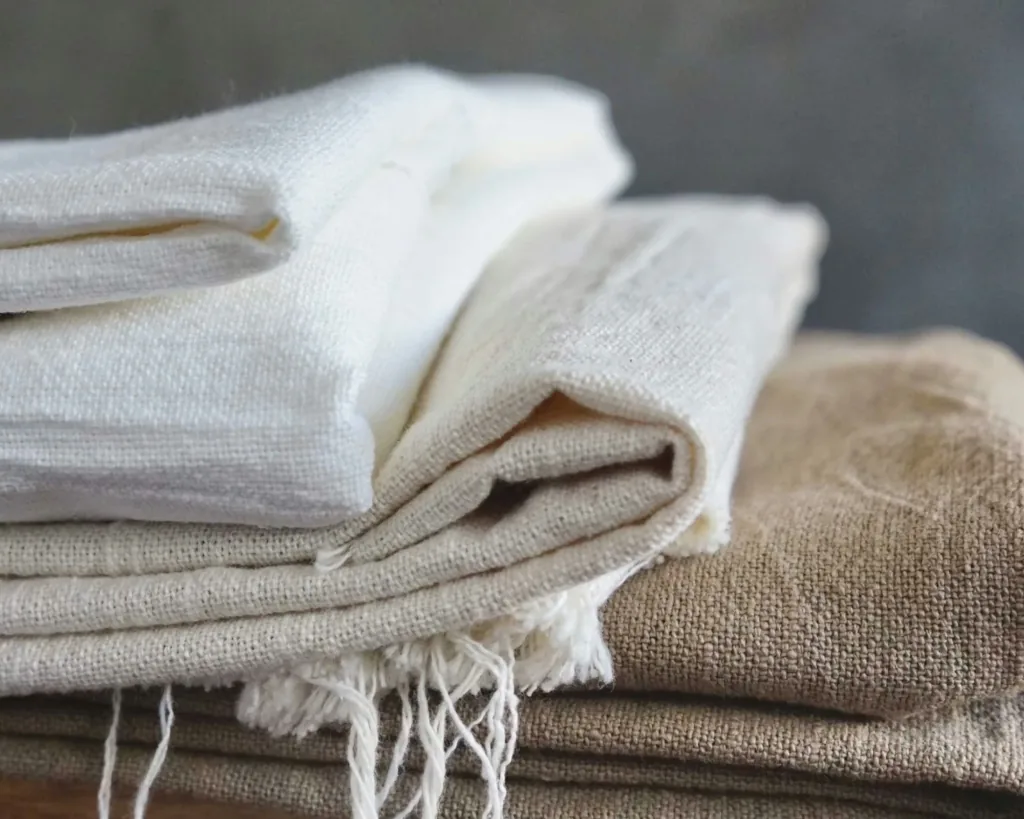
In our Wuhan factory, we define deadstock fabric as pristine, unused textile inventory left over from a canceled or completed production run. Think of it like surplus bricks at a finished construction site. The materials are structurally perfect, but the builders no longer need them.
Our procurement team recently spent three weeks auditing 40 wholesale textile warehouses. We constantly see brokers misuse this term. Deadstock is not intentionally woven standard overproduction. It is not reclaimed post-consumer textiles, random roll remnants, or made-to-order sustainable fabrics.
Professionals define this strictly. According to the Council of Fashion Designers of America, true deadstock is either mill surplus (canceled inventory) or brand overstock (unused seasonal fabric).
Many competitors market any cheap roll fabric clearance as deadstock. In our experience buying surplus fabric, this label hides severe risks. Last Tuesday, our cutting room manager, Lin, rejected a batch of 600D polyester.
She felt the stiff finish and noted: “Two years in a humid shed destroyed the UV stability.” In our lab, the material snapped at just 40 lbs of force.
To secure genuine sustainable fabric wholesale deals, demand exact data. Before you choose a fabric, require the supplier to provide:
- Exact fiber composition and finish information.
- True roll width and GSM (weight).
- Dye lot or shade consistency.
- Verified storage history and compliance documentation.
This shared vocabulary aligns your enterprise. For Sustainability Officers, these sustainable fashion materials drive fashion industry waste mitigation. However, saving fabric does not guarantee a complete eco friendly textile sourcing strategy.
For Creative Directors, remnant fabric suppliers unlock limited-run exclusivity. Finally, CPOs must manage the reality: deadstock means non-repeatable orders, documentation gaps, and hidden total-cost implications.
🌍 Real-World Context: Treat deadstock procurement like buying a used car. Demand the storage history and run a stress test before you cut a single yard.
How We Process Deadstock? The Operational Blueprint
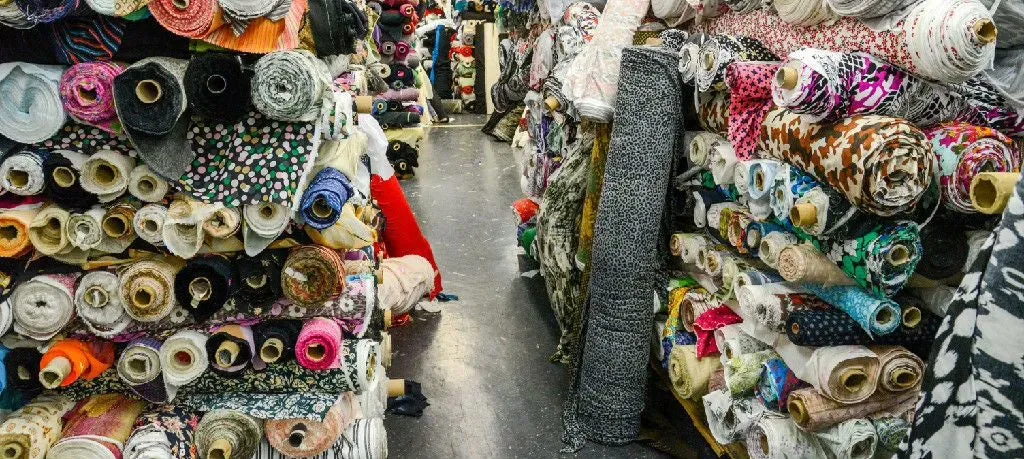
Processing deadstock fabric is like restoring a salvaged engine. You cannot just drop parts onto an assembly line. You must inspect the valves, test the compression, and adapt every piece. We built a strict Standard Operating Procedure (SOP) on our Wuhan factory floor to turn risky remnant fabric suppliers into reliable assets. Here is exactly how we do it.
1. Supplier Intake and Pre-Qualification
We build our sourcing shortlist across mills, traders, and warehouse clearances, never buy a roll based on a photograph, and instead request a standard intake pack. This document must list:
- Composition and finish details
- Usable width range
- GSM (fabric weight)
- Storage duration and conditions
- Remaining meterage by roll
- Defect disclosures
True eco friendly textile sourcing starts with hard data, not greenwashing stories. If a supplier hides finish details, we walk away. Unseen chemical coatings dictate how the fabric will behave under high-heat commercial irons. This data-first approach aligns with the UNECE textile traceability guidelines.
2. Roll-Level Inspection Before Commitment
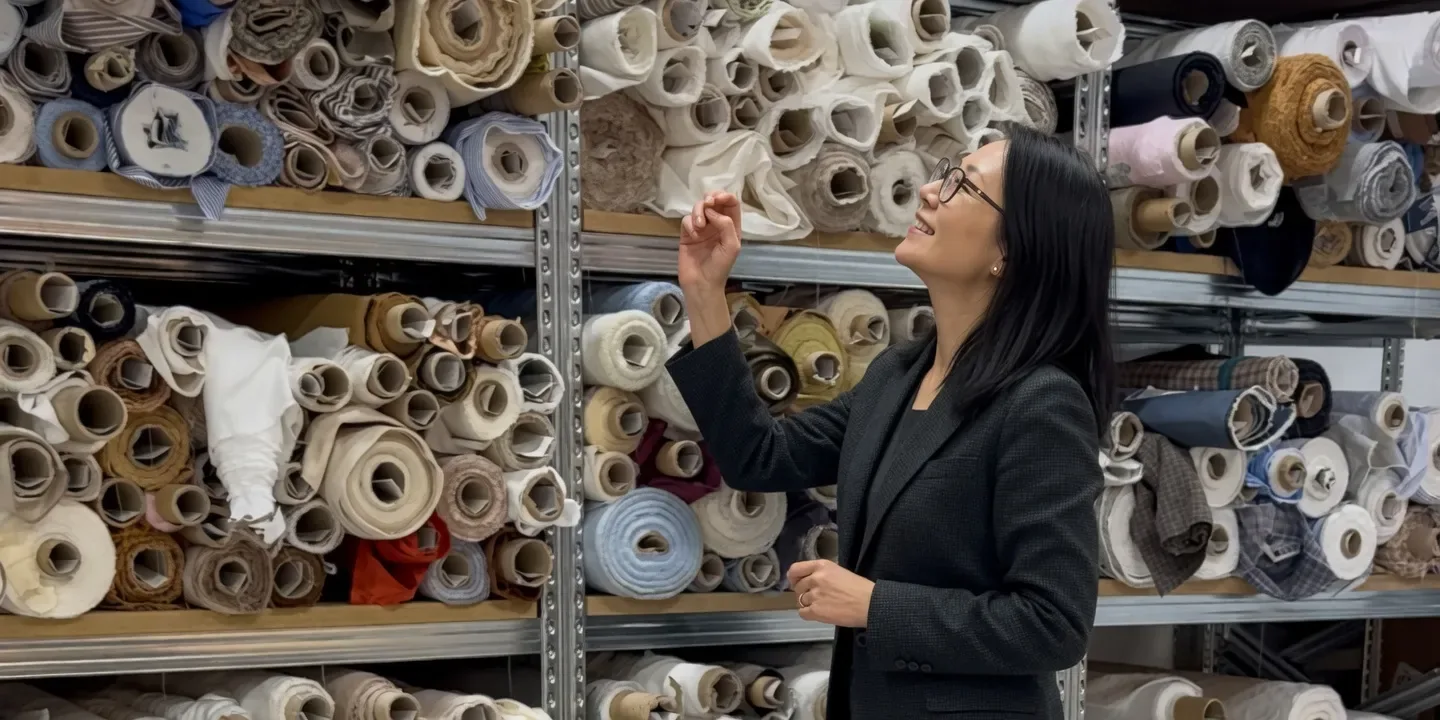
Once a shipment arrives, we quarantine it, and sustainability claims never bypass our standard receiving checklist—just as when we bought 800 meters of brushed fleece last month.
Our Head Quality Control Inspector ran it through the inspection rollers and found uneven degradation. The roll edges sat in direct sunlight for months. This UV exposure caused extreme shade variation and sun fade.
We also constantly hunt for dry rot, as aged fabric loses its tensile structure—looking perfect on a shelf yet tearing instantly under a needle with a distinct, dusty snap—while checking for chemical residue, damp mildew off-odors, and permanent creasing memory.
3. Lab and In-House Testing Workflow
We never approve fabric for production without lab data, cut a one-meter swatch from the middle of the roll, and test it aggressively. We check:
- Shrinkage and dimensional stability
- Colorfastness
- Hand feel and stretch recovery
- Seam performance (verifying if yarns pull apart under stress)
We run chemical screenings whenever supplier documentation looks weak, review the Restricted Substances List (RSL) to meet AFIRM Group chemistry standards, and reject entire lots like last week’s surplus silk that failed colorfastness wash testing with instant dye bleeding.
4. The Commercial Go/No-Go Decision
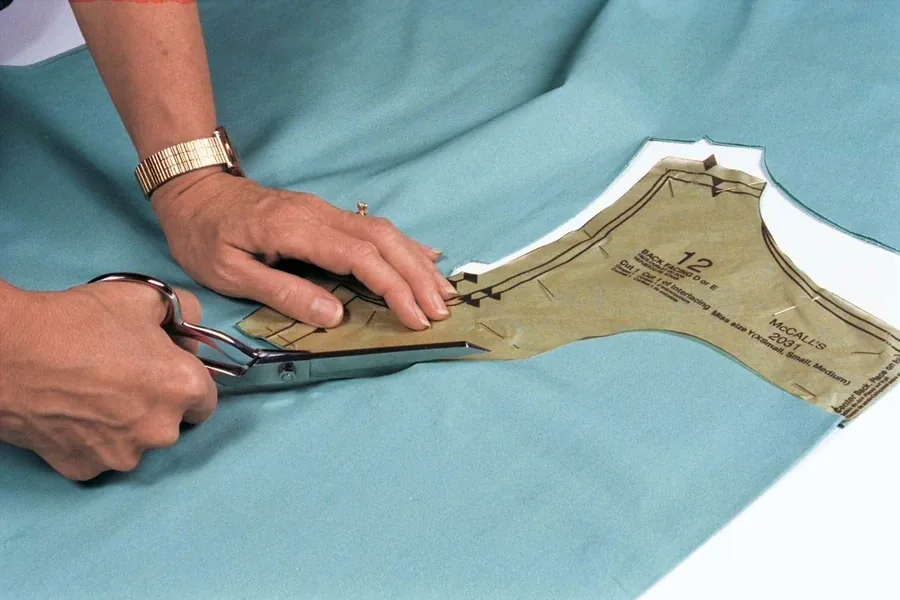
Approval is a math equation, not just an aesthetic choice. We evaluate the actual fabric cost per garment based on usable meters. And we project patterning waste and calculate the yield by size range.
Because you cannot reorder deadstock, it plays a rigid role in your assortment. You cannot base your core, evergreen products on it. It works best for capsule collections, limited editions, trims, or linings. If the math shows an 18% pattern loss due to hidden flaws, the cheap roll price suddenly destroys your profit margin.
5. Step-by-Step SOP: Altering Cutting and Grading Workflows
Standard virgin-roll workflows rely on predictable fabric width, while deadstock width varies wildly. Unstable roll widths force major adjustments to apparel supply chain logistics. Below is how the cutting and grading process is modified in-house:
- Verify usable width: Every roll is measured manually, disregarding average width claims from suppliers.
- Map the flaws: Damaged zones are segmented and non-usable areas clearly marked before fabric spreading begins.
- Rebuild the marker: Digital pattern layout is planned around the narrowest safe width available. For rolls fluctuating between 58 and 60 inches, all markers are built to fit the 58-inch minimum.
- Adjust the nesting: Pattern placement is rearranged to bypass defects, with small components such as pockets salvaged from imperfect fabric zones.
- Modify the grading: Grading parameters are revised whenever narrow widths restrict the layout of larger garment panels.
- Isolate by shade: Rolls are grouped by condition class to avoid cross-roll color variation within the same production batch.
- Increase the buffers: A 10% allowance is added to cover yield loss, routine testing, and necessary recuts.
- Reroute weak zones: Unstable fabric sections are redirected toward low-stress end uses, such as internal garment linings.
6. The 5,000-Meter Yield Report
We recently analyzed 5,000 meters of six-month fabric sourcing data to guide our purchasing decisions using raw performance metrics.
| Metric | Result |
|---|---|
| Total Meters Purchased | 5,000m |
| Rolls with Usable Width Variance | 42% |
| Yield Lost to Hidden Flaws | 14% |
| Waste Increase vs. Virgin Rolls | 9% |
| Top Defect Categories | Sun fade, Dry rot, Mildew |
We track this data to prove a simple operational fact. Surplus fabric requires a larger financial buffer to process correctly.
🧠 Expert Insight: Do not buy deadstock fabric just to save money on raw materials. The extra labor required for manual inspection, custom grading, and marker rebuilding will offset those initial savings. Buy deadstock to create unique, sustainable collections.
In my experience managing procurement, deadstock fabric solves major enterprise bottlenecks. We navigate the sourcing complexity because salvaged textiles directly improve your bottom line. Here is how this material impacts your KPIs.
Key Advantages of Deadstock Fabric
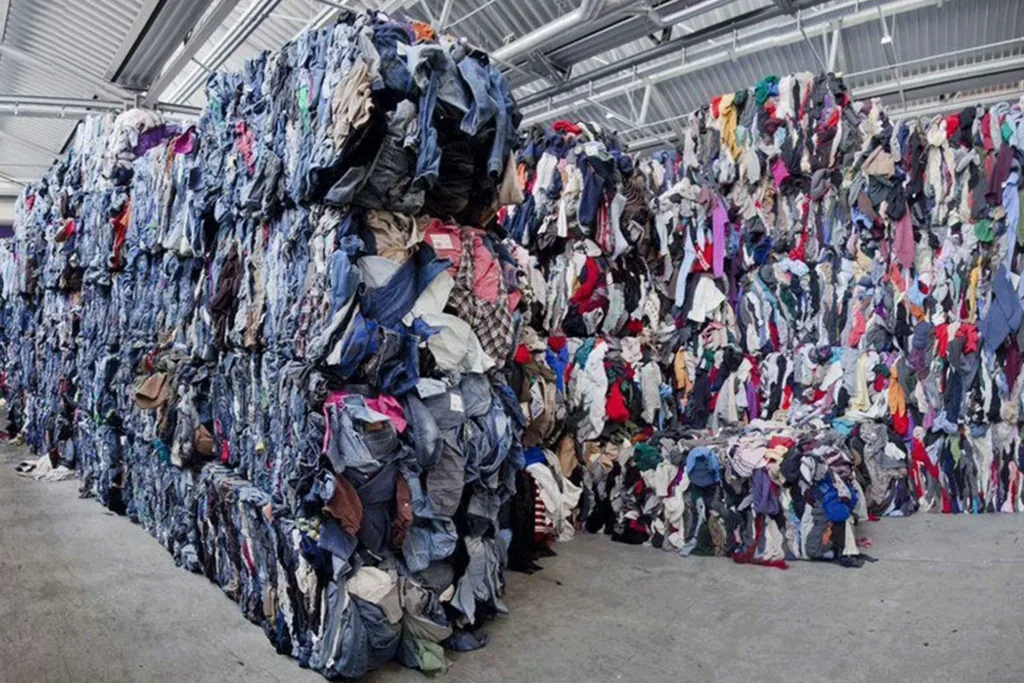
Deadstock fabric has emerged as a powerful tool for fashion brands to balance sustainability, cost-efficiency, and design differentiation. Beyond its eco-friendly appeal, it unlocks tangible operational and creative benefits.
Drives Verifiable Waste Reduction
Using deadstock diverts pre-consumer textiles directly from landfills. This mechanism turns fashion industry waste mitigation into an operational reality. According to the US Environmental Protection Agency, landfills received 11.3 million tons of textiles in 2018.
In our recent 5,000-meter internal audit, we salvaged 4,300 meters of premium knit. Sustainability Officers use this hard data to secure documented ESG claims instead of relying on greenwashed stories.
Slashes Material Costs and Rigid MOQs
Buying roll fabric clearance bypasses traditional mill setup fees. You drop your overall fabric cost per garment instantly. Last quarter, a client requested a heavy canvas capsule. We bypassed the standard 1,000-yard mill MOQ and used salvaged stock for a 100-unit test run.
As Floor Manager Song noted while inspecting the rolls: “We cut their upfront capital risk by $12,000.” CPOs secure premium textiles at reduced rates and free up cash flow.
Accelerates Launches and Forces Exclusivity
Surplus fabric sits on shelves already woven and dyed. This eliminates the standard 45-day wait for custom mill development. Choosing custom cut and sew vs wholesale blanks usually adds lead time, but deadstock bridges this gap.
You secure premium sustainable fashion materials immediately. Because you cannot reorder the exact rolls, Creative Directors gain built-in scarcity. You build an exclusive catalog that commands premium retail prices.
🚀 Strategic Insight: Combine surplus textiles for limited drops with core fabrics for evergreen products. This hybrid approach ensures both innovation and supply continuity.
Before exploring sustainable fabric wholesale options, let our team run a feasibility review. We test floor reality before you spend your budget.
And we vetted these risks by processing 10,000 yards of deadstock fabric last quarter. Deadstock works well for limited capsules. It cannot replace repeatable textiles. In our factory, relying entirely on salvaged fabric creates severe production bottlenecks.
Challenges & Risks of Deadstock Fabric
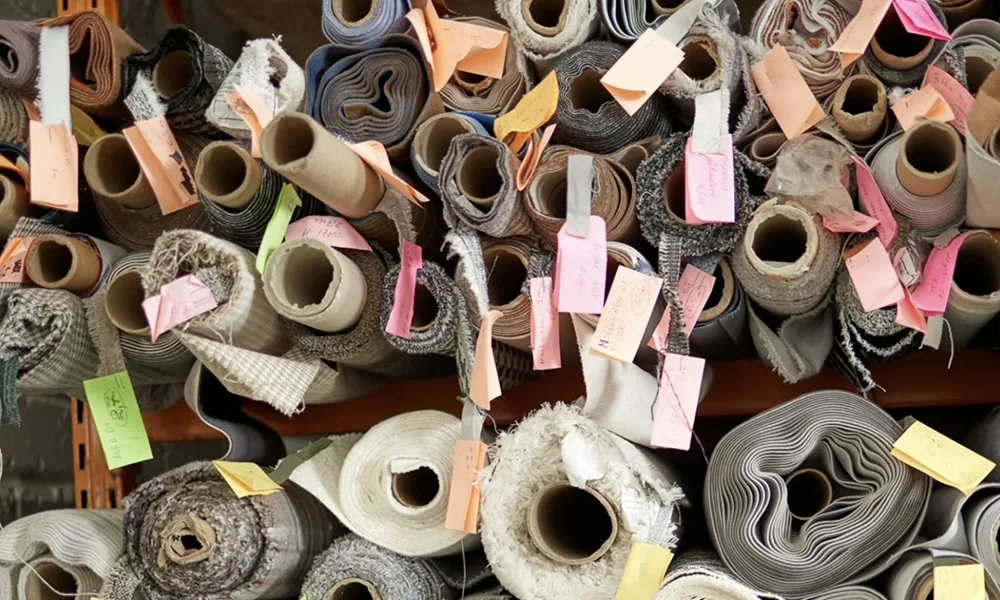
While deadstock fabric offers significant upsides, it comes with inherent limitations and hidden risks that brands must address before scaling their use.
Scaling Limits and Non-Repeatability
Deadstock disappears after one purchase. You cannot reorder the exact same roll. This creates high replenishment friction. Last year, a client’s deadstock hoodie went viral. We could not restock the material. Floor Manager Wang intervened by moving the deadstock to accent trims.
We shifted the main body to a repeatable stock fabric. This unpredictability disrupts standard apparel supply chain logistics.
🛡️ Mitigation: Pivot viral deadstock styles to a close-match core fabric immediately.
Yield Uncertainty and Hidden Defects
Aged stock hides physical flaws. These defects erase your headline cost savings. You face unpredictable yield loss during bulk cutting. In a recent tensile test of 500 meters of surplus denim, we lost 22% of the material to dry rot.
Quality Control Inspector Wei snapped the edges barehanded. He noted: “The selvage is brittle. Garment seams will blow out.” Factor in a 20% waste buffer when you choose a fabric from surplus.
Compliance Gaps and IP Traps
Brokers frequently sell standard overstock as sustainable deadstock. These batches lack chain-of-custody paperwork or chemical history. This exposes you to regulatory claim risk. The FTC greenwashing penalty guidelines actively target deceptive marketing.
We also never imply affiliation with prior designer owners without legal clearance. Vet your sustainable apparel manufacturers in the USA and Asia rigorously before launching campaigns.
⚖️ The Trade-off: You gain discounted premium materials, but you sacrifice scalability and consistent quality.
The Verdict: Sourcing Deadstock with Discipline
Deadstock fabric represents a massive opportunity to mitigate fashion waste. However, it only succeeds when you pair sustainability intent with ruthless operational discipline. We treat salvaged textiles as already-produced assets that offer major upsides in cost reduction and brand differentiation.
The real market advantage is not your access to surplus material. It is the strict SOP your factory uses to inspect, test, grade, cut, and commercialize that material.
While unpredictable yields and absent reorder options often frustrate traditional production lines, the immediate cost savings and built-in exclusivity justify the friction for limited drops. If you are an enterprise brand launching a sustainable capsule, integrate deadstock into your workflow immediately.
If you need a fully scalable, evergreen product line with zero variation, avoid surplus entirely and stick to virgin mill runs. For enterprise operations, deadstock must complement—not replace—your repeatable core sourcing.
As global regulations tighten around textile waste over the next 12 to 24 months, premium deadstock will become highly competitive. Brands that build an internal decision framework now—covering strict documentation, QC, yield controls, and backup materials—will secure the best surplus streams tomorrow.
Stop guessing on the factory floor. Book a feasibility review with our team at Leeline Apparel to safely scale your deadstock, sustainable fabric wholesale, or broader eco friendly textile sourcing programs.
Frequently Asked Questions about Deadstock Fabric
1. Is deadstock fabric actually cheaper than virgin fabric?
Yes, but only on the initial invoice. Our floor data shows the upfront per-yard cost drops significantly compared to custom mill runs. However, you m
2. Will using deadstock disrupt my existing manufacturing workflow?
Yes, if you treat it like standard inventory. Because surplus roll widths vary wildly, our cutting room managers must manually rebuild digital markers for almost every batch. You must alter your standard grading assumptions to accommodate these structural inconsistencies.
3. Can I legally market my deadstock clothing as sustainable?
Only if you secure exact chain-of-custody paperwork. Regulatory bodies aggressively penalize greenwashing. In our experience vetting suppliers, you must demand storage history, fiber composition, and chemical finish data before making any public ESG claims.
For deeper insights into building a resilient apparel supply chain, explore our guides on fabric sourcing strategies, choosing sustainable fashion materials, and calculating your true fabric cost per garment.
Disclaimer: I am not paid by any manufacturer, mill, or textile broker to promote these findings. My team purchases all testing equipment independently and relies entirely on raw, unedited factory floor metrics.
