
Table of Contents
Choosing the right lightest fabric unlocks market leadership across apparel, technical textiles, and high-performance sectors. For swimwear manufacturers tired of “will it survive a cannonball?” debates, these materials deliver featherlight comfort without sacrificing durability.
Your fabric choices are key to your business. They set your brand apart, lower shipping costs (just think of your logistics manager relaxing), and comply with stricter eco-standards. Reading specs shouldn’t be harder than threading a needle. So we’ve curated 12 proven fabrics trusted by industry leaders.
Equip your sourcing and design teams to cut costs, accelerate launches, and win new niches. Your designers won’t trade performance for paper-thin promises—and neither should you.

Preview List of 12 Lightest Fabric
| Fabric | Key Properties | Achievable GSM | Scalability & Cost |
|---|---|---|---|
| Chiffon | Sheer, floated drape | 10-25 | Low cost; high-volume weaving |
| Voile | Crisp, semi-sheer, breathable | 30-70 | Bulk discounts ≥500 yds; dye versatility |
| Organza | Transparent, structural hold | 15-40 | Moderate cost; stiffening finishes add cost |
| Georgette | Pebbly texture, matte finish | 25-60 | Cost-efficient; minimal finishing needed |
| Tulle | Net-like, dimensional volume | 10-30 | High-speed production; nylon/PET cost gap |
| Lawn | Crisp yet soft, opaque finish | 50-90 | MOQs from 200 yds; print-ready surface |
| Crepe | Grainy texture, wrinkle-resistant | 45-85 | Weaving complexity = higher cost |
| Silk Habotai | Luminous, fluid drape | 30-55 | MOQs ≥50 yds; price fluctuates with silk market |
| Rayon Challis | Drapable, color-rich | 70-100 | Low-cost production; 60” width efficiency |
| Batiste | Featherlight, smooth surface | 50-80 | Fast production; Oeko-Tex compliance available |
| Muslin | Open weave, unbleached finish | 60-120 | Most economical; natural fiber scalability |
| Lyocell | Moisture-wicking, biodegradable | 80-130 | Premium cost; closed-loop process certified |
1. Chiffon
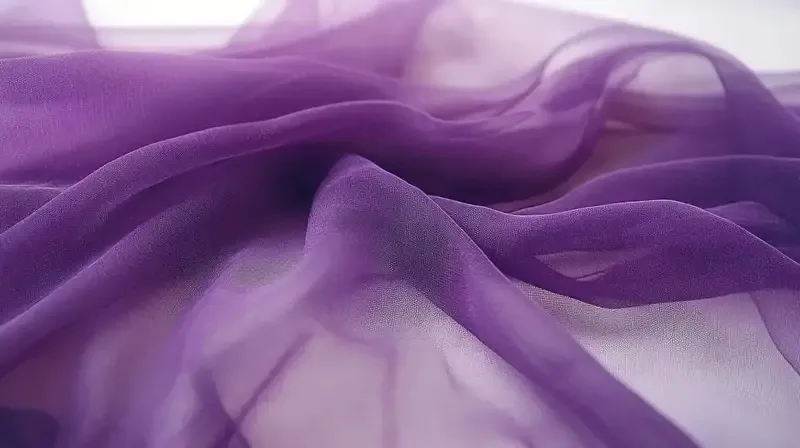
Chiffon stands out as one of the lightest fabric options you’ll find, typically weighing under 100 grams per square meter (GSM).
Key Features of Chiffon
- Lightweight & Sheer: Chiffon’s transparency adds a delicate look but often requires lining for modesty.
- Soft & Fluid Drape: The fabric falls smoothly, perfect for layered or gathered designs.
- Material Types: Mainly 100% polyester for stretch and recovery. Silk chiffon is a luxurious option. (Want to know more about ice silk? Click now.)
- Weight Range: Typically, single layers range from 80 to 150 GSM. Some special double-layer versions can go up to 220 GSM for added durability.
Practical Benefits for Your Garments
- Easy to handle and style—ideal for ruffles, gathers, and layered silhouettes.
- Breathable and comfortable to wear, great for warm-weather collections.
- Versatile in use—commonly applied for dresses, blouses, scarves, lingerie, and even sportswear.
- Wide Width Availability (57/58 inches) supports efficient pattern cutting and reduces waste.
2. Voile
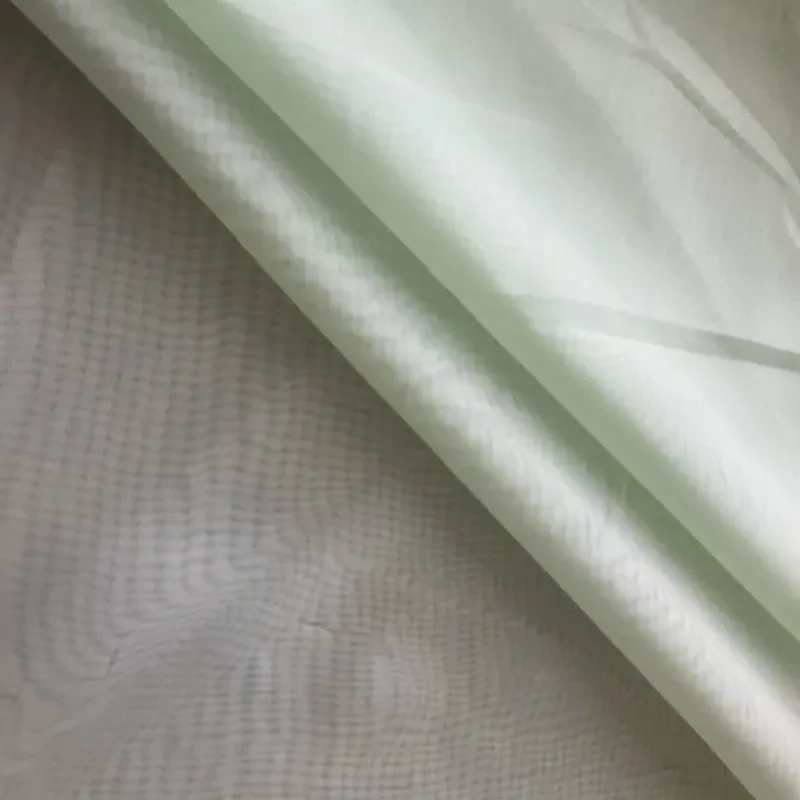
This ultra-lightweight material looks semi-sheer and has a smooth, soft feel with a crisp drape that moves beautifully.
Features That Make Voile Stand Out
- Fine yarn count: Voile’s threads are very fine, usually between 60’s and 100’s, but some twisted yarns reach up to 200’s/2. This makes the fabric both delicate and strong.
- Breathability and transparency: The density of yarns per inch affects its look. Higher density means it’s stronger and less see-through. Lower density voile feels lighter and airier, giving that classic floaty appearance.
- Material variety: While traditionally made from cotton, you can also find voile in silk and polyester blends. This variety extends its use from casual to dressier items.
Common Uses of Voile
Voile fits perfectly where you want a soft, airy fabric that still holds shape and lasts:
- Summer blouses and dresses
- Scarves that softly flutter
- Light curtains for a breezy atmosphere
- Linings that add comfort without bulk
Pro Tip: For wrinkle-free seams in production, stabilize voile with spray adhesive before stitching. This prevents puckering while preserving its delicate drape. For opaque colors, use a liquid enzyme wash first. This locks in pigments and keeps breathability.
3. Organza
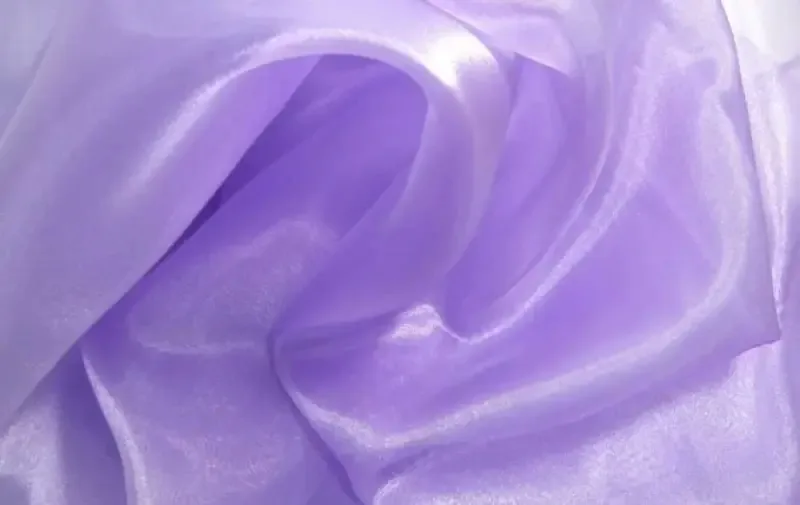
It’s famous for its breathability, crisp texture, and shimmering look. Making it perfect when you need fabric that feels airy yet holds its shape beautifully.
Practical Benefits for You
- Lightweight feel with visual impact: You get the benefit of creating big, bold silhouettes without the bulk. Multiple layers add volume but remain feather-light.
- Versatile utility: Use organza confidently in garments. It also works great for home décor items such as curtains and table overlays.
- Cost-effective options: Pricing ranges widely—from as low as $2 up to $15 per yard—so you can choose based on quality and budget.
Care and Handling Tips
- Always hand wash in cold water or dry clean to protect the fabric’s delicate fibers.
- Be mindful of tearing and snagging; sewing requires precision.
- Since it’s sheer, pairing organza with opaque layers ensures modesty and structure in finished products.
4. Georgette
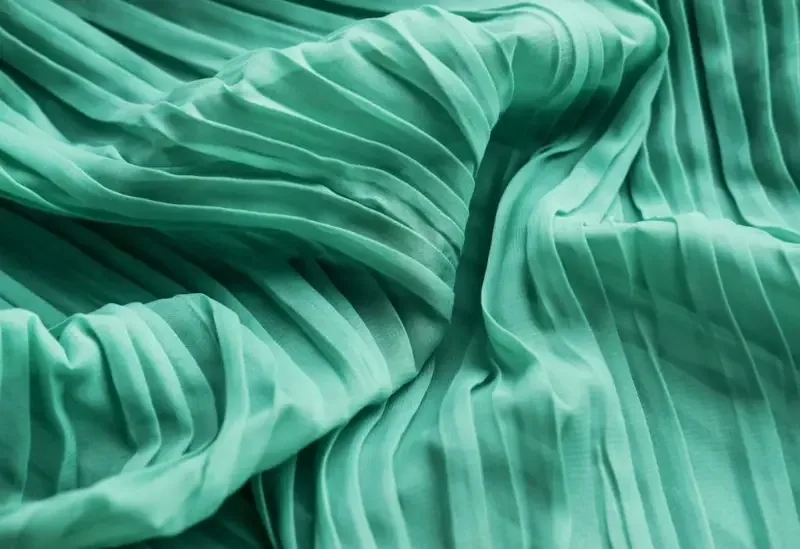
Georgette is among the lightest fabric options you’ll come across, weighing just 30–40 grams per square meter.
Key benefits you will appreciate:
- Exceptional breathability: Georgette allows excellent airflow, keeping cool. Especially in warm or humid environments.
- Unique texture: The slightly crinkled, crepe surface comes from twisting yarns tightly. Giving the fabric a distinct feel and look.
- Flattering stretch and drape: It stretches moderately and drapes beautifully. Making it ideal for dresses, blouses, skirts, and flowing layering pieces.
- Sheer but not too transparent: It offers a delicate semi-transparent effect. Perfect for adding elegance without revealing too much.
- Durability and wrinkle resistance: Georgette may look delicate, but it resists wrinkles and stands up well to everyday use.
- Brilliant color absorbency: It takes dyes very well, so prints and bright colors come out vivid and lasting.
- Supports embellishments: Georgette works well with embroidery, beads, and sequins. These additions make your designs stand out.
Here is an Indonesia garment factory list we carefully prepared. Click to view!
5. Tulle
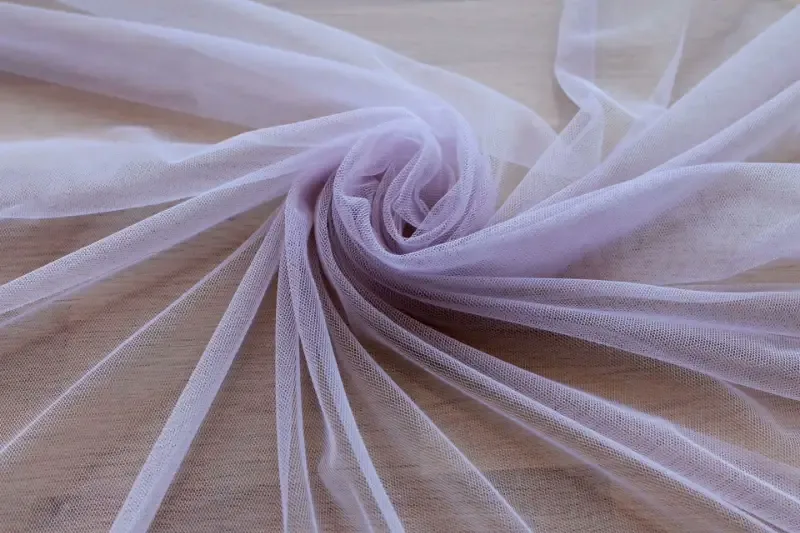
Tulle is one of the lightest fabric choices you can make, weighing less than 100 GSM (grams per square meter) or under 3 oz/yd².
Key Benefits of Tulle for Your Projects
- Extreme Lightness: Tulle’s ultra-light structure ensures your designs won’t feel heavy or bulky. This makes it perfect when you need an airy or floating effect.
- Shape Retention: Unlike many sheer fabrics, tulle has enough stiffness to create volumes and shapes. It is ideal for tutus, petticoats, and dramatic overlays.
- Sheer Transparency: Its see-through quality allows for layering and adds depth without adding weight. It is perfect for bridal veils and evening gowns.
- Versatile Variety: You can find tulle in many colors, textures, and even stretch forms. So it adapts well whether for formal wear, costumes, or decorative uses.
6. Lawn
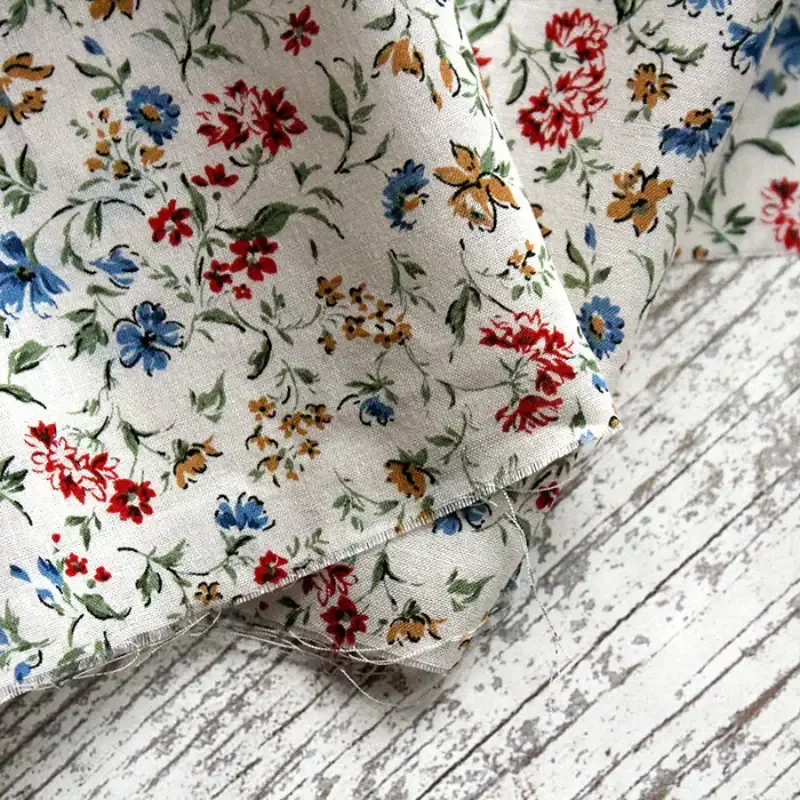
Lawn is one of the lightest fabrics you can work with, weighing up to 150 GSM (grams per square meter) or about 4.5 ounces per square yard.
Key Features of Lawn Fabric
- Lightweight and breathable: Lawn’s fine weave lets air pass through easily, making it perfect for summer clothing.
- Smooth and semi-sheer: It has a delicate, slightly see-through quality, so you might want to use lining for dresses or skirts.
- Durable for its weight: Despite feeling soft and light, good quality lawn holds up well.
- Easy to sew: Lawn has more body than lightweight fabrics like voile or chiffon. It is less slippery, making it easier to handle and achieve clean finishes. Similar to the cotton blends often used in China baby clothes, which also prioritize ease of construction while maintaining comfort.
Typical Uses of Lawn
Lawn’s crisp yet breathable nature makes it ideal for items like:
- Blouses
- Lightweight dresses
- Shirts
- Children’s clothing
- Summer nightwear
- Handkerchiefs
7. Crepe
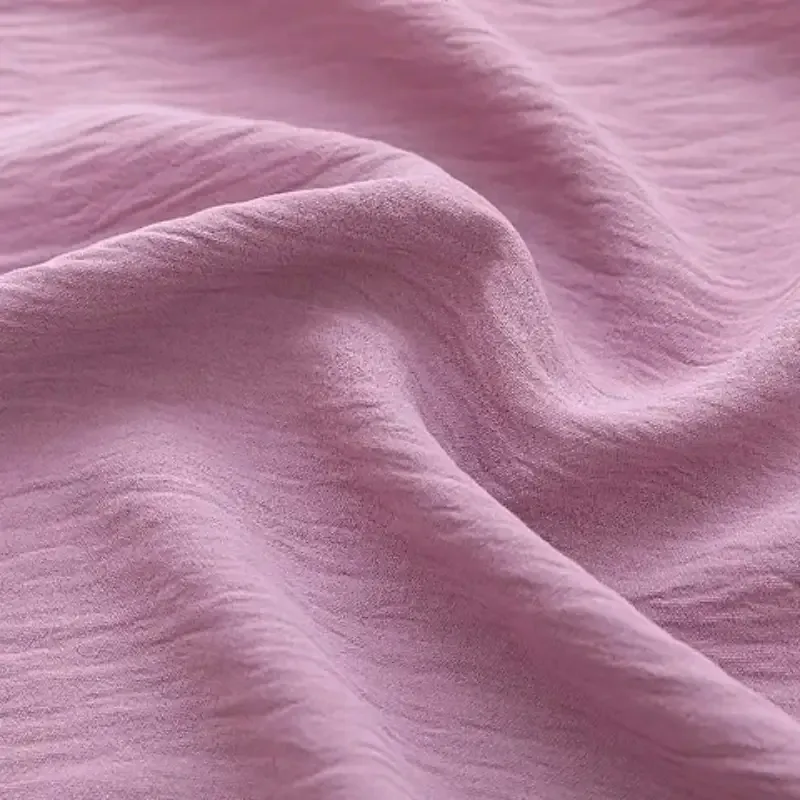
Crepe is known for its light and airy texture, making it a top choice when you want garments that flow beautifully and feel soft against the skin.
Key Characteristics of Crepe
- Lightweight & Breathable: Crepe offers high breathability, which keeps cool and comfortable. This is especially true for silk and wool varieties.
- Soft Draping: Its soft, fluid drape allows clothes made from crepe, like blouses, summer dresses, and scarves, to move gently.
- Stretch & Comfort: Crepe fabric is naturally stretchable and rarely pills, giving lasting comfort.
- Unique Texture: Thanks to a special weaving or chemical process, crepe has a signature puckered or crinkled surface. For example, plissé crepe has a permanent puckered effect, ideal for stylish formalwear.
- Moisture-Wicking Ability: This fabric helps wick away moisture, keeping the wearer dry.
Types of Crepe and Their Uses
- Silk Crepe: The lightest and most luxurious, perfect for blouses, lightweight dresses, and evening gowns.
- Wool Crepe: Slightly heavier but more durable, great for tailored dresses and sweaters where need some warmth without bulk.
- Synthetic Crepe: Offers higher durability and strength but can sacrifice some breathability. Used in suits and costumes requiring specific drape. (When you partner with a Singapore clothing manufacturer, you can source premium synthetic crepe that elevates your designs with its distinctive texture.)
8. Silk Habotai
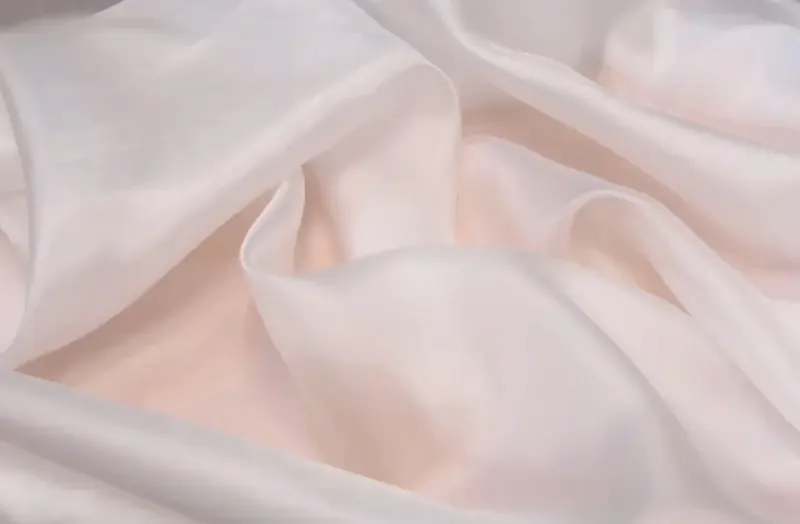
Silk Habotai is one of the lightest fabric options you’ll find, known for its soft, smooth, and slightly glossy texture.
Key Features of Silk Habotai
- Lightweight & Breathable: Weighing between 6 to 15 momme, it ranges from very sheer to more opaque. The lightest types can be as thin as 30 GSM, making it perfect for garments that keep cool and comfortable.
- Soft “Peach Skin” Texture: A special sand-washing process gives the fabric a gentle, velvety feel. This enhances its softness and drape.
- Easy to Handle: Unlike some slippery fabrics, Silk Habotai is less slippery, which means you can sew and work with it more easily.
- Natural Sheen: Its slight gloss comes from silk fibers reflecting light, giving your designs an elegant, polished look.
9. Rayon Challis
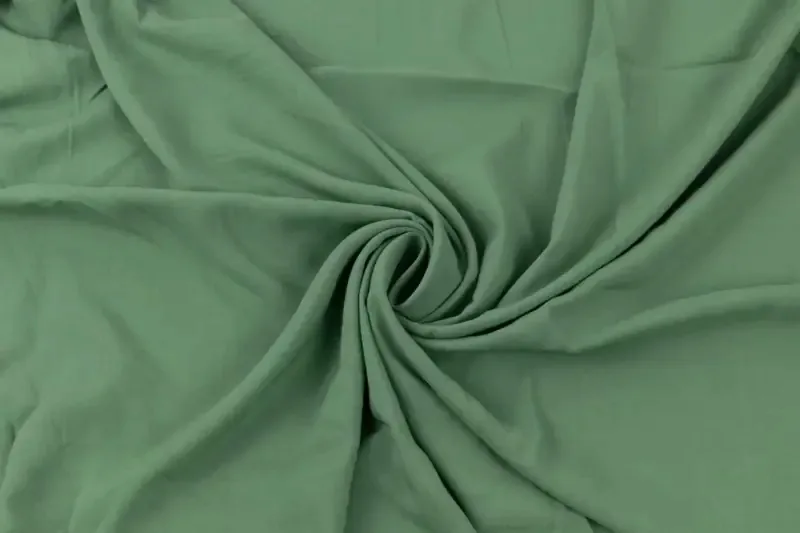
It weighs only around 80 to 120 grams per square meter, making it much lighter than common cotton or denim fabrics.
Key Features of Rayon Challis
- Soft and Smooth Texture: It feels cool and silky on the skin, with a matte finish that is subtle and elegant.
- Exceptional Draping: Rayon Challis flows beautifully, giving clothes a graceful and natural movement.
- Highly Breathable: Thanks to its loose weave, it allows air to flow freely. This helps you stay comfortable and fresh, even on hot days.
- Vibrant Colors and Prints: It holds bright, saturated colors very well, making it great for bold patterns and tropical designs.
Things to Keep in Mind
- Rayon Challis wrinkles and frays easily. To keep your garments looking sharp, use finished seams and handle the fabric gently.
- Pre-washing is important to avoid unexpected shrinkage after the first wash.
- When sewing, use a fine, sharp needle to prevent damage, and consider hanging the fabric before hemming to allow it to relax and avoid uneven edges.
Would you like to customize this type of fabric? Private label clothing manufacturers Italy are quite skilled in this regard.
10. Batiste
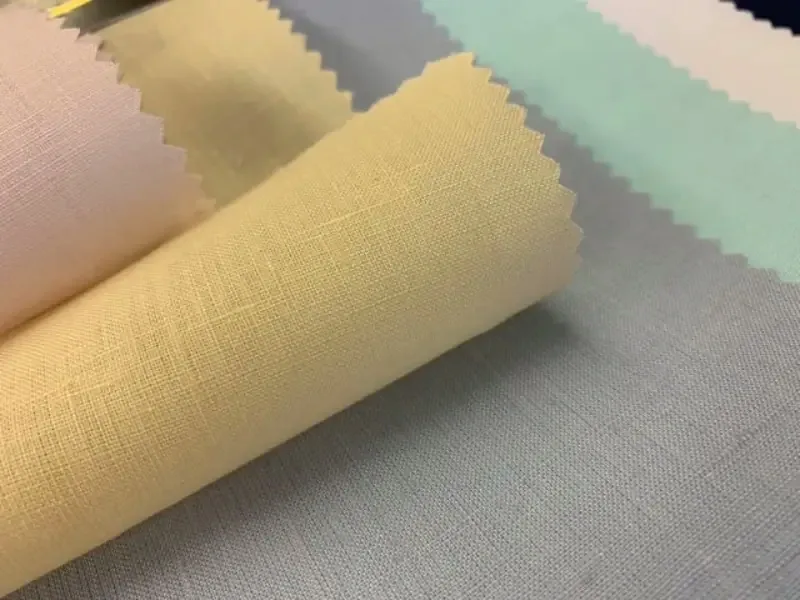
Batiste stands out as one of the lightest fabric choices you can consider for your products.
Key Features and Benefits of Batiste
- Lightweight & Breathable: With thread counts between 150 and 350, batiste is semi-transparent but tightly woven. It feels soft and lets air flow well. This is great for warm-weather clothing.
- Soft and Lustrous: Batiste is made with combed or mercerized yarns. It has a slight sheen and feels wonderfully soft. This quality enhances comfort for the wearer.
- Versatile Use: Its moderate drape suits delicate blouses, children’s clothes, fine lingerie. And even luxury bedding as down-proof fabric.
- Comfort & Moisture Management: Batiste’s breathability keeps cool. Its medium moisture-wicking stops sweat without trapping heat.
- Easy Care: Most cotton-polyester blends of batiste can be washed in the machine. They also handle tumble drying on permanent press cycles, making maintenance simple.
- Affordable Pricing: Prices range from $3.74 to $5.24 per yard for 58-inch-wide fabric. This is a good deal for high-quality lightweight fabric.
11. Muslin
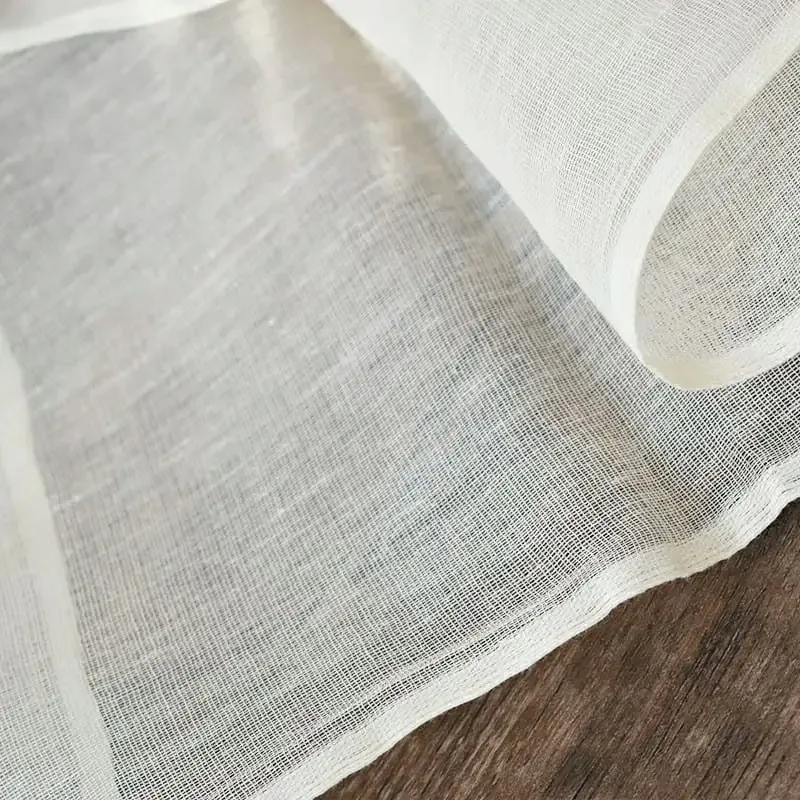
Muslin stands out as an extremely lightweight, breathable, and soft fabric made traditionally from 100% cotton.
Why Muslin Works for You
- Lightweight Versatility: Muslin comes in different weights. It ranges from ultra-light cheesecloth at about 180 g for 2 meters to medium-weight multi-layer types at roughly 230 g/m². This range lets you pick just what you need—whether for airy clothing or durable bed linens.
- Breathability & Softness: Because of its open, plain weave and natural cotton, muslin allows excellent airflow.
- Wide Applications: Muslin isn’t just for clothes. It’s also fantastic for:
- Bed linens—especially multi-layer muslin that combines softness with strength.
- Culinary uses—ultra-fine cheesecloth muslin filters and strains effortlessly.
- Theater backdrops—heavier muslin is used for scenic fabrics.
- Eco-Friendly and Safe: You’ll appreciate that muslin is free from synthetic fibers and harsh chemicals. Most muslins are simply scoured at high temperatures, making them safe and eco-conscious.
Expert Advice: Pre-shrink all medium-weight muslin with steam. This helps prevent uneven shrinkage during production. For dyeing, use low-liquor jet dyeing. This method keeps the natural open weave intact and ensures vibrant color penetration.
Ibrahim Sengul, Textile Sourcing Professional China
12. Lyocell
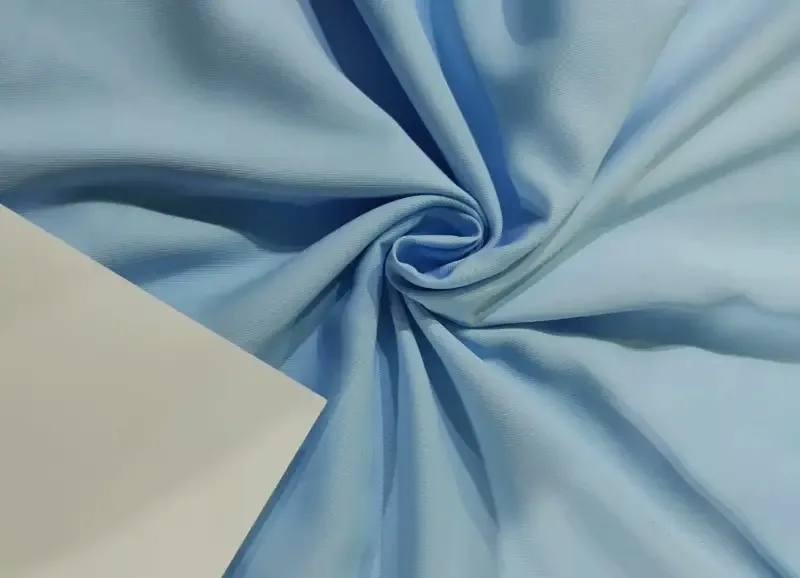
Lyocell is one of the lightest fabric options you can find, made from natural wood pulp sourced from trees like eucalyptus, oak, and birch.
Versatility and Usage
- Summer dresses and casual shirts
- Activewear and leggings (especially when blended with elastane)
- Luxury bed linens and underwear
- Denim and sportswear
Environmental Impact
- Sustainable Production: Trusted brands like TENCEL™ and Birla Excel make lyocell fibers. These fibers come from responsibly managed forests. They are certified by FSC or PEFC.
- Biodegradable & Low Impact: The eco-friendly closed-loop process minimizes waste. Making it a greener alternative to conventional rayon or cotton.
Conclusion
Mastering the right lightest fabric is strategic science—not guesswork.
Prioritize application-first selection: Match durability, functionality, and cost to your product’s real-world demands.
For brands crafting breakthrough products, LeelineApparel engineers custom lightest fabrics that excel. We turn your vision into reality with precision. From high-performance swimwear to smart textiles, we make it happen.
Connect with our textile experts today. Explore unlimited custom options and functional finishes to engineer your edge.
FAQs About Lightest Fabric
1. How do we avoid fabric transparency in lightweight white apparel?
Choose double-layered natural blends like Modal or opt for Tencel knits with dense constructions. Special opacity finishes can be applied during production without adding stiffness. We recommend physical samples for light transmission testing before bulk orders.
2. Do these fabrics perform reliably in high-humidity environments?
Yes, advanced moisture-managing fibers, like bamboo lyocell, stay comfy. They keep their shape, even in hot weather. For synthetic options, consider permanent hydrophobic treatments during manufacturing. Always validate performance through environmental chamber testing.
3. Is detailed printing possible on extremely thin fabrics?
Digital sublimation printing delivers sharp results even on fabrics under 100 grams per square meter. It bonds colors at the fiber level without compromising texture. Avoid traditional screen printing which can cause stretching or tearing on delicate materials.
