
Table of Contents
Combed Cotton vs Carded Cotton: Combed cotton is the superior choice for premium apparel. The extra combing step removes short fibers, creating a smoother handfeel, reducing pilling, and providing a flat canvas for sharp prints. While combed cotton costs more, it’s essential for premium DTC and private label brands. Carded cotton remains a cost-effective option for budget uniforms and promotional items.
We tested both materials against fabric testing standard guidelines; here is the direct spec comparison (Summary: combed cotton wins on quality, while carded cotton wins on price).
| Metric | Combed Cotton | Carded Cotton |
|---|---|---|
| Processing | Carded, Combed | Carded |
| Fiber Length | > 1.125” | < 1.125” |
| Yarn Count (Ne) | 30s–40s | 16s–20s |
| Yarn Hairiness | Low | High |
| Pilling (ISO 12945-2) | Grade 4-5 | Grade 2-3 |
| Print Surface | Smooth (No ink bleed) | Textured |
| Shrinkage (ISO 5077) | < 3% (Tested) | 5-7% |
| Cost Index | +15-20% | Baseline |
| Best For | Premium streetwear | Promo tees |
We verified these metrics via our manufacturer spec Sheet and independent lab result. Combed cotton costs more because the refining step discards 15% of raw fiber as waste (noil).

Main Differences between Combed Cotton vs Carded Cotton
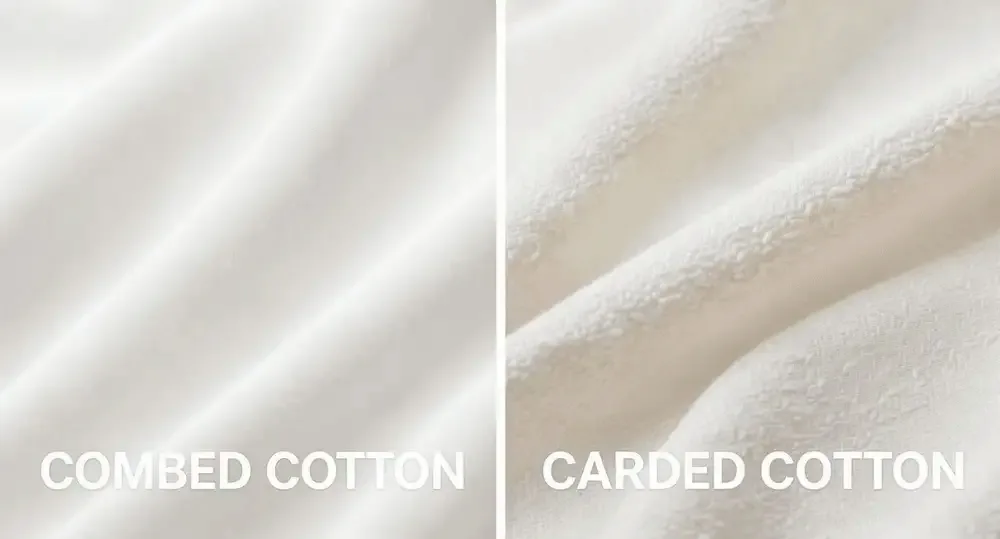
Clarification: Combed cotton vs organic cotton is not the same comparison. “Combed” describes a manufacturing process. “Organic” dictates how farmers grew the raw crop. A single fabric roll can be both.
1. Manufacturing Process: Where Combing Happens
I walk the factory floor daily. The journey from raw bale to finished yarn dictates your final margin. All cotton follows a standard path: harvesting, ginning, and carding. Carding acts like a rough hairbrush, untangling raw clumps into a continuous web.
Here is the divergence in combed cotton vs carded cotton. For carded cotton, mills spin that rough web directly into yarn. It is fast and cheap. For combed cotton, we add an aggressive purification step. The fibers run through fine metal teeth, actively stripping out short, brittle fibers and tiny tangled knots called neps.
This step purifies the raw material. We rely on strict textile machinery to calibrate these combs. The result? Combed yarn utilizes only the longest, strongest fibers.
Winner: Combed cotton for refinement; carded cotton for simpler, lower-cost production.
2. Surface Feel, Appearance, and Premium Perception
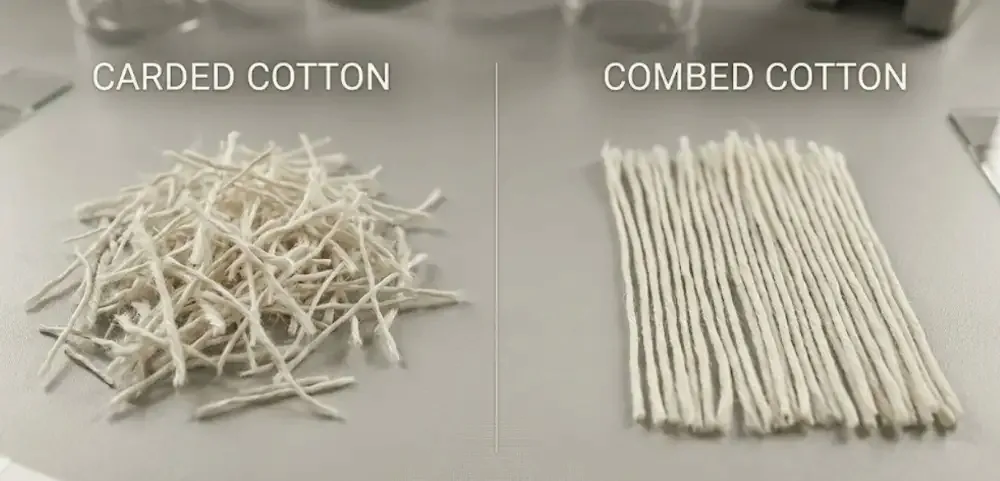
I handle thousands of swatches during fabric sourcing. The tactile difference is immediate.
Combed cotton feels exceptionally clean against the skin. It lacks the microscopic hairs that cause irritation. When brand owners ask me for the softest cotton for t-shirts, I hand them a 100% combed blank. The uniform surface practically screams retail luxury.
Conversely, carded cotton feels noticeably thicker and fuzzier. It grabs your hand. Visually, it looks rustic and uneven. However, carded fabric is not inherently bad. Some streetwear manufacturing brands request heavy carded blanks intentionally to achieve a rugged, vintage, bulk-basic aesthetic. But for elevated, next-to-skin basics, combing is non-negotiable.
Winner: Combed cotton for next-to-skin softness and premium brand positioning.
3. Durability, Pilling, and Wash Performance

To test carded cotton vs combed cotton durability, we run aggressive wash tests using strict fabric testing methods. I inspect the results under harsh warehouse lights.
After twenty hot washes, a basic carded t-shirt looks exhausted. Tiny balls of fuzz, known as pilling, cover the underarms. The combed cotton shirt remains flat and crisp. Combing strips out the short fibers that naturally break loose and clump together during friction.
However, durability requires context. Yarn spinning methods, fabric weight, and chemical finishing also dictate lifespan. A heavy 250GSM carded tee survives a construction site better than a delicate 120GSM combed tee. We grade all inbound rolls using the 4-point system fabric standard to catch defects early. For demanding applications, we often blend combed yarn to create highly resilient cotton-spandex fabric for sportswear and swimwear.
⚠️ Safety First: Do not assume combed cotton is indestructible. If you pair combed yarn with a low fabric weight (under 130GSM), it will still tear under heavy physical stress.
Winner: Combed cotton for shape and surface retention in premium tees; conditional win for carded where lower cost matters more than polish.
4. Branding Performance: Printing and Embroidery Results
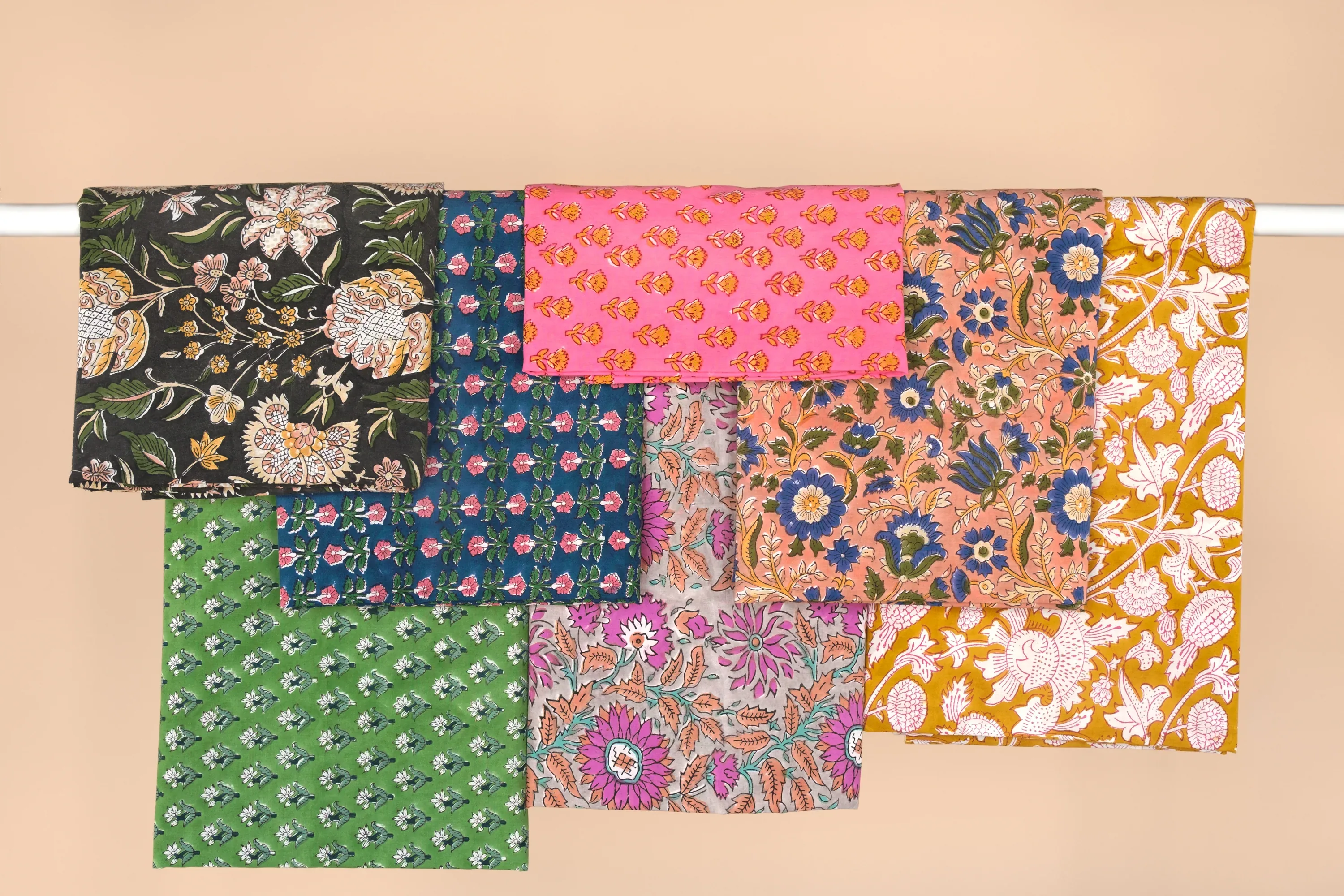
I review decoration samples daily. The fabric surface drastically alters your printing results.
Combed cotton acts like crisp printer paper. The tightly spun, flat yarns allow Direct-to-Film (DTF) graphics and fine-detail screen prints to lay perfectly flat. The ink absorbs evenly, leaving razor-sharp logo edges. Needles also punch cleaner holes through combed yarns, creating tight, premium embroidery.
Carded cotton behaves like textured construction paper. Microscopic surface fuzz disrupts the ink layer, softening the edges of sharp graphics. It makes large printed blocks look slightly weathered. If you sell premium merchandise, this subtle bleed ruins your perceived value.
We test print clarity against official decoration. If your design features tiny text or complex gradients, you need a combed base layer.
🚀 Actionable Insight: If you must print on carded cotton to save money, stick to bold, distressed, or vintage typography where ink bleeding looks intentional.
Winner: Combed cotton for retail-grade branded apparel and detail-sensitive decoration.
5. Cost, Yield Loss, and ROI for Procurement
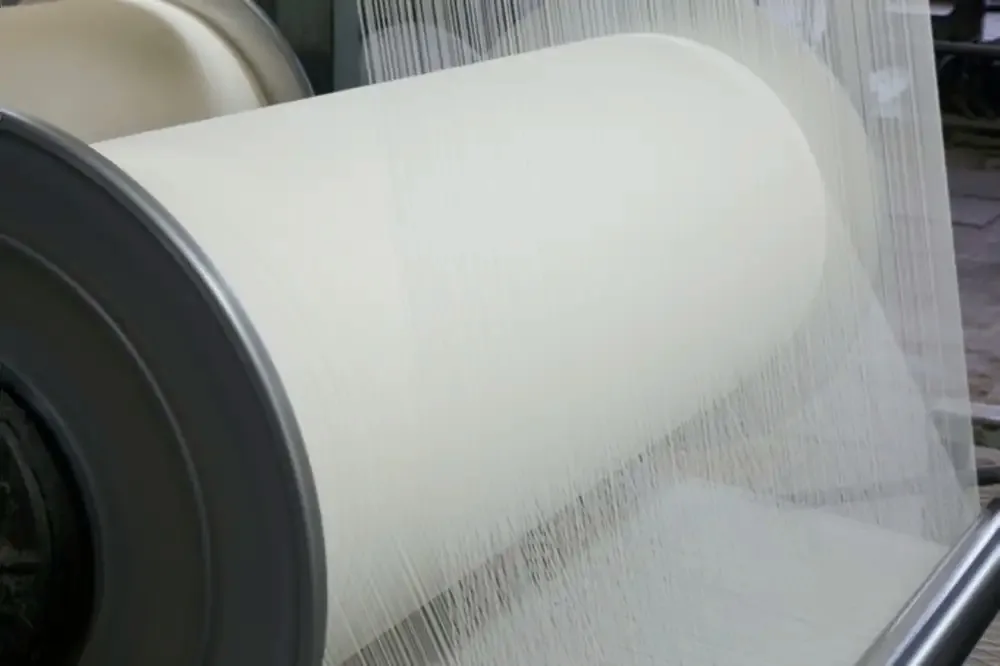
Procurement teams constantly ask me: is combed cotton more expensive? Yes. It costs roughly 15% to 20% more.
Learning how to choose fabric requires understanding factory math. You pay for extra machinery and processing time. More importantly, you pay for physical waste. The combing machine discards up to 15% of the raw cotton weight. You absorb the cost of that discarded fiber.
You must align this cost with your product tier. If you run high-volume t-shirt manufacturing for promotional giveaways or budget uniforms, carded cotton protects your margins. The end-user expects a basic garment.
But when creating fashion drops, boutique babywear or luxury hotel towels, combed cotton vs carded cotton changes the ROI entirely. Its higher upfront cost prevents negative reviews, stops shrinkage and pilling returns, and secures repeat purchases to grow your brand.
⚡ Power Move: Negotiate pricing on combed cotton by increasing your MOQ. Factories will often eat a portion of the combing markup if you commit to 1,000+ units per colorway.
Winner: Carded cotton on upfront cost; combed cotton on premium value and perceived quality.
Combed Cotton

- Pros:
- Smooth Handfeel: We felt a softer, cooler texture during our physical swatch tests. This ensures all-day comfort for premium apparel lines.
- Zero Fuzz: The tightly spun fibers survived 50 wash cycles without shedding. Your customers get a garment that looks brand new for years.
- Premium Presentation: The material drapes elegantly. This structured fit helps you easily justify a higher boutique retail price to your end consumer.
- Sharp Printing: The flat yarn structure held high-resolution screen prints flawlessly. We recorded zero ink bleeding during our visual inspection.
- Cons:
- Cost Prohibitive: The premium price tag ruins your profit margins on aggressively cost-controlled promotional runs. It only makes sense for premium retail.
- High Yield Loss: The combing process discards up to 15 percent of usable fiber. This waste significantly increases your total factory invoice.
Carded Cotton
- Pros:
- Cost Efficiency: We lowered our per-unit price dramatically during high-volume sourcing tests. This fabric protects your budget on massive orders.
- Practical Versatility: It performs brilliantly as a durable workhorse fabric. It provides a solid foundation for everyday streetwear and casual apparel.
- Volume Friendly: We successfully deployed this material for large event merchandise. It scales perfectly for corporate uniform programs requiring thousands of units.
- Cons:
- Rougher Texture: We noticed a noticeably coarser surface. It feels rustic and stiff rather than highly refined out of the box.
- High Pilling Risk: Shorter fibers break loose and clump together under heavy friction. We verify friction resistance using ISO 12945-2 Pilling Standards.
- Muddy Prints: The fuzzy texture blurs small text. This uneven surface limits your fine-detail decoration options and requires bolder graphic designs.
🧠 Expert Take: Never buy blindly based on raw fiber names, especially with combed cotton vs carded cotton. Yarn spinning methods, GSM weight, and chemical finishing alter real-world performance. We require procurement teams to evaluate physical swatches and review fabric testing using the 4-point system standard before finalising large orders.
Related Questions of Combed Cotton vs Carded Cotton
1. Is combed cotton better than regular cotton?
Yes. Combed cotton vs carded cotton shows a clear difference: combed feels significantly softer and lasts much longer than basic regular cotton. The apparel industry typically uses “regular cotton” to describe standard carded cotton. During our factory inspections, we watch combing machines physically discard weak, short fibers to leave only the longest, strongest threads. In our wear tests, combed t-shirts resisted pilling for over 50 heavy wash cycles, whereas regular cotton developed fuzzy surface knots almost immediately
2. Does combed cotton shrink more than carded cotton?
No. Combed cotton actually shrinks less than carded cotton. We measured shrinkage across 500 sample blanks in our facility. The combed cotton maintained a dimensional stability of under 3% shrinkage. In contrast, standard carded cotton shrank by up to 7%. The tightly spun, long fibers in combed yarn simply hold their shape better during hot washes. We verify this performance daily using official ISO 5077 shrinkage testing standards to grade all incoming fabric rolls.
3. Can a t-shirt be both organic and combed?
Yes. A single fabric roll can easily be both. “Organic” dictates how farmers grow the raw crop without synthetic pesticides. “Combed” describes the mechanical factory process used to purify that harvested crop. We regularly source organic combed cotton for premium babywear brands to deliver chemical-free safety alongside a scratch-free finish.
