Cracking the Underwear size chart code is like dodging a wardrobe malfunction—mess it up, and things get awkward fast. Did you know 3 in 5 shoppers abandon carts quicker than a “nope, not risking that squeeze” moment?
For underwear manufacturers, inconsistent sizing isn’t just a returns headache—it’s brand rep’s arch-nemesis. But here’s the fix: A killer size chart turns “Will these even fit?” into “Add to cart, baby!”
Nail the numbers, embrace body diversity, and boom—your brand becomes the go-to for fits that feel like a win. Trust us, nobody’s loyal to a ”maybe-it’ll-work” gamble.
Table of Contents
How to Measure for Underwear
Follow these steps to ensure the best fit according to your underwear size chart.
1. Waist Measurement
Procedure: Position a flexible measuring tape horizontally around the natural waistline, located approximately 1 inch (2.5 cm) above the navel. Ensure the tape rests flush against the skin without compression.
Purpose: Determines waistband compatibility, critical for avoiding rolling or gaping in mid-rise or high-waist styles.
2. Hip Measurement
Procedure: Measure the fullest circumference of the hips and glutes, maintaining the tape parallel to the floor. Avoid angling the tape downward, as this skews results.
Purpose: Essential for styles like briefs and boyshorts, where improper hip sizing leads to fabric strain or sagging.
3. Thigh Measurement
Procedure: Encircle the thickest part of the upper thigh (typically 1–3 inches below the groin) with the tape. Ensure a neutral stance, feet shoulder-width apart.
Purpose: Prevents chafing in high-cut or bikini styles by accommodating thigh girth without constriction.
4. Rise Measurement
Procedure: Measure vertically from the center of the crotch seam to the desired waistline placement (low-, mid-, or high-rise). For consistency, follow the body’s natural contour over the hip.
Purpose: Ensures optimal coverage and comfort, as an incorrect rise may cause shifting or discomfort during movement. And are you looking for an underwear manufacturer Vietnam or underwear manufacturer China? Click now!
General Underwear Size Chart
Getting the size right helps avoid irritation, provides better support, and boosts overall comfort. Here’s a simple guide to help you find the best size.
Women’s Underwear Sizes
Women’s sizing integrates both waist and hip measurements to accommodate anatomical variations.
| Size | Waist (inches) | Hip (inches) | International Equivalents (EU/UK) |
|---|---|---|---|
| XS | 23-24 | 33-34 | 32-34 (EU) / 6-8 (UK) |
| S | 25-26 | 35-36 | 36-38 (EU) / 10-12 (UK) |
| M | 27-28 | 37-38 | 40-42 (EU) / 14-16 (UK) |
| L | 29-30 | 39-40 | 44-46 (EU) / 18-20 (UK) |
| XL | 31-32 | 41-42 | 48-50 (EU) / 22-24 (UK) |
| 2XL | 33-34 | 43-44 | 52-54 (EU) / 26-28 (UK) |
| 3XL | 35-36 | 45-46 | 56-58 (EU) / 30-32 (UK) |
Note: Fabric stretch and style (e.g., high-waisted, thong) may influence fit; consult brand-specific guidelines for tailored styles.
Key Considerations:
- For maternity or postpartum styles, opt for sizes accommodating a 2–4 inch waist expansion.
- Seamless designs often require exact hip measurements to prevent rolling.
Men’s Underwear Sizes
Men’s sizing prioritizes waist measurements but may integrate inseam or thigh data for performance styles (e.g., boxer briefs). Rise (low, mid, high) impacts waistband placement; adjust based on preference.
| Size | Waist (inches) | International Equivalents (EU/UK) | Recommended Styles |
|---|---|---|---|
| S | 28-30 | 46-48 (EU) / 30-32 (UK) | Trunks, Briefs |
| M | 32-34 | 50-52 (EU) / 34-36 (UK) | Boxers, Low-Rise |
| L | 36-38 | 54-56 (EU) / 38-40 (UK) | Boxer Briefs |
| XL | 40-42 | 58-60 (EU) / 42-44 (UK) | Athletic Compression |
| 2XL | 44-46 | 62-64 (EU) / 46-48 (UK) | Extended Sizes |
| 3XL | 48-50 | 66-68 (EU) / 50-52 (UK) | Relaxed Fit |
Key Considerations:
- For athletic or compression wear, select sizes 1–2 inches smaller than standard waist measurements.
- Elasticated waistbands should fit snugly but not too tight. Leave about 0.5 inch for comfort.
Expert Advice: Always check customer reviews for fit notes like “runs small” or “stretchy fabric”—pair these insights with our Underwear Size Chart to fine-tune your choice, especially when trying new styles or materials.
Wingar L., Underwear/Lingerie Manufacturer
How to Ensure Proper Fit

Getting the right fit is key for both comfort and style when choosing underwear. Here’s a simple guide to help you find your perfect fit using the underwear size chart.
▶ Waistband Fit
- Technical Standard: The waistband should maintain consistent contact with the skin, creating a 0.5–1 inch gap (measured by inserting two fingers sideways).
- Failure Indicators: Rolling, folding, or horizontal indentations signal improper tension.
- Material Consideration: For elasticated bands (e.g., 10–15% elastane blends), ensure the recovery rate exceeds 90% after stretching to prevent permanent deformation.
▶ Leg Openings
- Tension Calibration: Leg openings require 5–10% stretch capacity—sufficient to prevent “migration” (riding up) without causing erythema (skin compression marks).
- Seam Engineering: Opt for flatlock stitching or bonded edges on high-mobility areas to eliminate chafing.
- Style-Specific Guidance: Briefs require 20–25% thigh coverage; bikini styles demand 15–20% to avoid visible lines under fitted clothing.
▶ Pouch Fit
- Anatomic Precision: The pouch must accommodate natural contours without lateral spillage or vertical tension.
- Men: Seek 1–1.5 inches of anterior projection space in briefs; boxer briefs require 0.5–1 inch for athletic mobility.
- Women: Seamless laser-cut edges prevent “camel toe” in thongs; gusset width should align with vulvar anatomy (minimum 1.5 inches).
- Material Advisory: Moisture-wicking mesh (e.g., micromodal) enhances breathability in compression zones.
▶ Coverage
- Posterior Benchmark: Full coverage requires the fabric to extend 1–2 inches below the gluteal fold. Partial coverage (e.g., cheeky cuts) should not expose more than 25% of the buttocks.
- Front Design: Gusset depth must align with pubic symphysis placement—1.5 inches for low-rise, 3 inches for high-waisted styles.
- Anti-VPL Solutions: 40-denier microfiber or 3D-knit fabrics eliminate panty lines without compromising support.
▶ Movement and Comfort Test
Dynamic Assessment: Perform a 10-minute regimen:
- 5 deep squats to test pelvic stability.
- Lateral lunges to evaluate leg opening tension.
- Seated forward bends to check rear coverage retention.
Wear Trial: A 90-minute test under ambient conditions (20–25°C) reveals fabric friction points or elastic fatigue.
Adjustment Protocol: Persistent adjustments indicate mismatched size or style—e.g., switch from briefs to trunks if thigh chafing occurs.
▶ Common Fit Issues
- Waistband rolling down
- Leg openings digging in
- Riding up in the back
- Excess fabric in the pouch
- Visible panty lines
- Chafing or irritation
By following these tips, you can ensure a proper fit, reduce discomfort, and find the best underwear for your needs using the underwear size chart.
LeelineApparel is a leading clothing manufacturer in China, in addition to custom sportswear, custom gym clothing, and custom swimwear. Every size fits your body exactly.
Choosing the Right Fabric
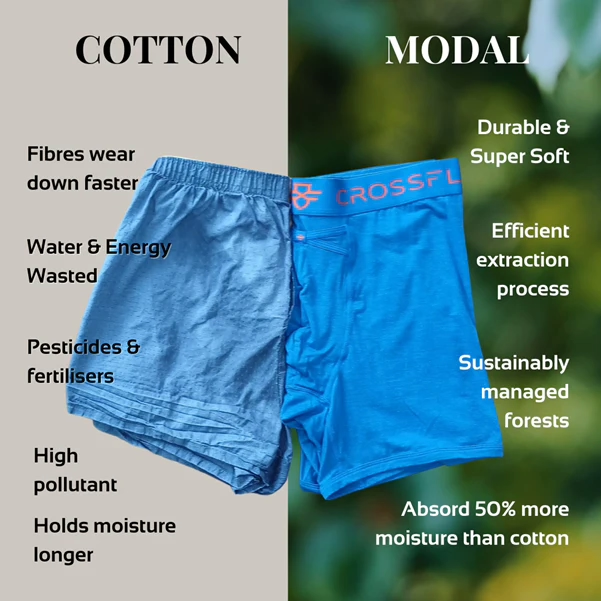
The fabric you choose affects your daily comfort. Understanding the characteristics of different materials can help you make a better decision.
a. Breathability and Comfort
- Natural Fibers:
- Cotton: A hydrophilic fiber with 65–75% air porosity, ideal for thermoregulation. Opt for organic, combed cotton (18–24 Ne count) for reduced pilling and hypoallergenic benefits.
- Bamboo: Offers 40% higher breathability than cotton due to micro-gaps in its cellulose structure. Naturally antimicrobial (99% bacterial reduction) and UV-resistant.
- Synthetics:
- Nylon/Polyester: Hydrophobic fibers with <15% moisture absorption. Choose mesh-weave variants (e.g., 3D spacer fabrics) to mitigate heat retention.
b. Moisture-Wicking Capabilities
- Performance Blends:
- Microfiber (85% Nylon/15% Spandex): Engineered with capillary-action channels to transport sweat 3x faster than cotton. Common in athletic lines (e.g., Nike Dri-FIT).
- Polypropylene: Hydrophobic polymer used in base layers; wicks 90% moisture within 10 minutes.
- Cotton Limitations: Retains up to 7% of its weight in moisture, leading to dampness in high-humidity environments.
c. Softness and Skin Feel
- Luxury Fibers:
- Modal (Beechwood Pulp): 50% softer than cotton, with a silk-like drape. Look for Lenzing Modal (OEKO-TEX certified) for colorfastness and durability.
- Silk (6A Grade Mulberry): 12–15 µm fiber diameter for unparalleled smoothness. Requires delicate care (cold wash, no spin).
- Microfiber: 0.8–1.2 denier fineness mimics cashmere’s handfeel. Ideal for seamless designs.
d. Durability
- High-Tenacity Blends:
- Nylon (6,6 or 6,12): Abrasion-resistant (20,000+ Martindale cycles) and retains shape after 50+ washes. Pair with 20D elastane for stretch recovery.
- Polyester (PET Recycled): Resists UV degradation and retains tensile strength up to 60°C.
- Cotton Degradation: Loses 30–40% tensile strength after 30 washes unless mercerized.
e. Stretch and Flexibility
- Elastane Integration:
- 5–7% Spandex: Provides 150–200% elongation for everyday comfort (e.g., Calvin Klein cotton blends).
- 15–20% Elastane: Used in compression gear (e.g., Under Armour) for muscle support and 4-way stretch.
- Seamless Technology: Ultrasonic welding eliminates chafing seams, enhancing mobility in yoga or athletic styles.
Related Reading:

T-Shirt Design Size Ratio 2025

The Ultimate Men’s Jacket Size Guide

Childrens Clothing Size Chart: A Complete Guide for Accurate Sizing
Conclusion
A data-driven underwear size chart transforms uncertainty into trust, aligning precision with body diversity for lifelong loyalty.
At LeelineApparel, we replace sizing chaos with confidence. Our custom underwear size charts reduce returns, increase satisfaction, and establish your brand as a fit leader.
Ready to end guesswork? Partner with us to craft perfectly fitting underwear—every time.
People Also Ask About Underwear Size Chart
1. Why does my usual size feel different in your brand?
Sizing varies by brand due to fabric stretch, cut, and regional standards. Always match your measurements to our Underwear Size Chart, not generic labels.
2. How often should I re-measure for underwear?
Update measurements every 6–12 months or after significant weight fluctuations (±10 lbs) to ensure consistent fit.
3. Do your size charts apply to unisex underwear?
Unisex styles use a hybrid chart. For AMAB (assigned male at birth), focus on hip measurements. For AFAB (assigned female at birth), look at waist and hip ratios.
4. Can I mix sizes for different underwear styles?
Yes. High-cut styles might need a smaller size for a snug fit. Full-coverage briefs usually match standard sizes.