Types of uniform can make or break your business. No kidding! Ever walked into a store and thought, “Wow, these folks look sharp!” or “Yikes, did they get dressed in the dark?” That’s the power of uniforms at work, folks.
Let’s face it, a poorly chosen uniform is like a bad haircut – it tanks morale faster than you can say “casual Friday.” But nail it, and you’ve got a recipe for success. We’re discussing brand recognition that stands out, proud employees, and sky-high productivity. It’s like giving your whole team a double shot of espresso, minus the jitters.
Now, you might be thinking, “Great, but how do I choose the right threads?” Don’t sweat it! We’re about to dive into 7 types of uniform that’ll make your business shine. And hey, with the right uniform manufacturers in your corner, you’ll be dressing for success in no time. Ready to turn heads and boost your bottom line? Let’s roll!
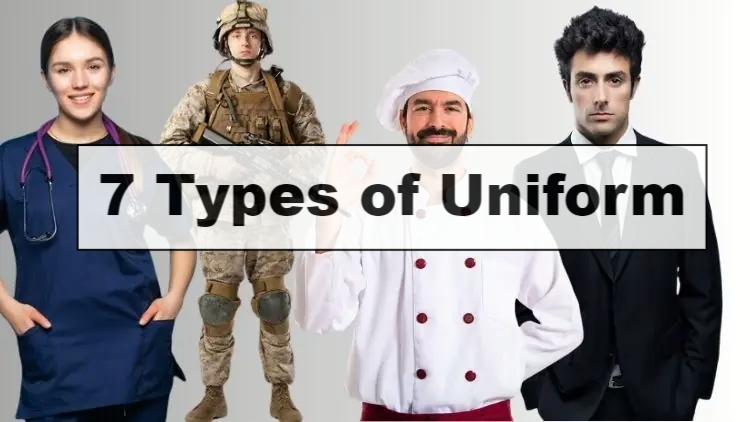
Table of Contents
7 Types of Uniform
| Aspect | Industrial Workwear | Healthcare | Corporate Office | Hospitality | Safety Gear | Retail Service | Promotional |
|---|---|---|---|---|---|---|---|
| Primary Function | Protection, durability | Hygiene, comfort | Professionalism, brand representation | Customer service, brand identity | Safety, hazard protection | Brand representation, customer identification | Brand promotion, event identification |
| Key Materials | Durable fabrics (e.g., canvas, denim) | Antimicrobial, easy-care fabrics | Business-appropriate fabrics (e.g., cotton blends) | Comfortable, stain-resistant fabrics | Specialized protective materials | Comfortable, durable fabrics | Varied, often lightweight fabrics |
| Customization Options | Limited – focus on durability | Moderate – color coding, name tags | High – logos, color schemes | High – brand colors, logos | Limited – focus on safety standards | High – logos, color schemes | Very High – event-specific designs |
| Cost Considerations | Higher initial cost, long-term value | Moderate, balanced with frequent replacement | Moderate to High, focus on quality | Moderate, balance of quality and quantity | High – specialized materials and certifications | Moderate, focus on brand representation | Low to Moderate, often bulk orders |
1. Industrial Workwear Uniforms

Industrial workwear uniforms are key to protecting your team in tough work environments. They also ensure comfort and practicality. These uniforms use strong materials. They are built to last in industries like manufacturing, construction, and warehousing.
Key Features of Industrial Workwear
- Durable fabrics: These uniforms use materials such as cotton duck, ripstop, and denim, perfect for tough conditions.
- Reinforced stitching: Stress points and seams are reinforced to increase the lifespan of the garments, even during heavy use.
- Comfortable and breathable: Many fabrics wick away moisture, keeping you comfortable and ventilated, even in demanding situations.
- Flame-resistant: For hazardous environments, flame-resistant options protect workers from potential risks.
- High-visibility: Reflective strips and bright colors, like orange or yellow, help workers stand out in low light. This boosts safety.
Common Items in Industrial Workwear
- Work shirts: Available in short and long sleeves, designed for comfort and durability.
- Work pants and jeans: Tough enough to handle regular physical activity without wearing out.
- Coveralls and overalls: Provide full-body protection, perfect for messy or hazardous jobs.
- Safety vests and hard hats: Vital for protecting your workers’ heads and bodies in dangerous conditions.
- Steel-toe boots: Footwear that offers essential protection in environments where heavy objects are handled.
Costs of Industrial Workwear
- Work shirts: Usually range from $20-$50
- Work pants: Typically cost between $30-$70
- Coveralls: Can vary from $50-$150
Durability and Replacement
Industrial workwear is built to last, typically holding up for 6-12 months of regular use before needing to be replaced. Make sure your suppliers offer products that match your durability needs.
Investing in quality industrial workwear uniforms ensures your team is safe, comfortable, and able to work effectively.
Pro Tip: Implement a data-driven uniform lifecycle management system. Monitor wear and tear for different roles and settings. This helps you improve your replacement schedule.
2. Healthcare Uniforms

Outfitting doctors, nurses, or support staff? The right uniform boosts comfort and productivity. It also enhances your team’s professional appearance.
Common Types
- Scrubs: Scrubs are the most common healthcare uniform. They’re often made from polyester-cotton blends or antimicrobial fabrics. They come in various colors to identify roles or departments. For example, green scrubs are worn by surgical staff, and blue scrubs are worn by nurses. Scrubs are made for comfort and easy movement, making them great for long shifts.
- Lab Coats: Lab coats are worn by doctors, researchers, and pharmacists. They provide protection and have multiple pockets for tools and documents. They also symbolize authority and professionalism in the medical field.
- Surgical Gowns: Surgical gowns are worn in sterile environments like operating rooms. They are fluid-resistant and disposable, helping to maintain infection control during surgeries.
- Nursing Uniforms: Traditional nursing uniforms, such as dresses with aprons or caps, are still used in some places. These uniforms focus on comfort and functionality, helping nurses perform their tasks effectively.
- Pediatric Uniforms: Pediatric uniforms usually feature bright colors and fun cartoon characters. This helps create a friendly and welcoming atmosphere for kids. This helps ease children’s fears and makes the environment feel more relatable.
- Support Staff Uniforms: Administrative, housekeeping, and food service staff wear polo shirts or blouses with pants or skirts. These uniforms may be less formal but still need to be durable and practical.
- EMS Uniforms: Emergency Medical Services uniforms are designed for visibility and durability. With reflective elements, they help EMS workers stay visible in emergency situations.
Uniform Color Codes
Healthcare facilities often use color-coding systems to help identify staff roles easily. For example:
- White: Doctors and senior medical staff
- Navy Blue: Registered Nurses
- Light Blue: Licensed Practical Nurses
- Green: Surgical Staff
- Burgundy: Phlebotomists
- Gray: Respiratory Therapists
In healthcare settings, fabrics such as polyester-cotton blends or antimicrobial materials work best. They help keep things clean, which is very important.
Working with private label manufacturers gives you more control over your uniforms’ quality, design, and cost. You can customize uniforms to meet your needs and ensure they comply with industry standards.
3. Corporate Office Uniforms

Corporate office uniforms are key for building a professional and unified company image. They help employees feel part of the team and project authority, competence, and consistency.
Key Elements
- Suits: Dark colors like navy, charcoal, or black are popular for both men and women, creating a clean, professional look.
- Dress Shirts: White, light blue, or pastel shirts are perfect for a neat, polished appearance.
- Blouses: Simple solid colors or subtle patterns work well without overwhelming the overall style.
- Slacks/Trousers: Matching suit pants or khakis provide a consistent look and comfort.
- Skirts: Knee-length pencil or A-line skirts are great for women aiming for a stylish yet professional appearance.
- Dresses: Sheath or wrap dresses in solid colors are a refined alternative to separate pieces.
- Blazers: A matching blazer adds structure and style to trousers or skirts.
- Ties: Men’s ties should feature conservative patterns and colors to maintain a professional feel.
- Shoes: Leather dress shoes, loafers, or modest heels complete the corporate look.
- Accessories: Keep accessories minimal. Belts, scarves, and jewelry, such as Pandora Charms, should be subtle, letting the uniform shine.
Benefits of Corporate Office Uniforms
- Professionalism: Wearing uniforms creates a polished and consistent image, which leaves a strong first impression.
- Consistency: Uniforms ensure a consistent company image, which is vital for branding.
- Comfort: Corporate uniforms are designed for comfort and ease of movement, especially for those spending long hours at work.
- Versatility: Many uniforms easily transition from formal meetings to more casual days, providing flexibility.
- Branding: Uniforms can showcase company colors or logos, offering additional branding opportunities. Custom touches, like embroidered logos or branded accessories, can strengthen your brand.
Customization Options
- Embroidery: Adding your logo to shirts or jackets can boost the professionalism of your uniforms.
- Neckwear: Custom ties or scarves in your company’s colors give employees a personal touch.
- Branded Accessories: Lapel pins, belts, or scarves can further enhance your brand identity.
Choosing the right uniforms and adding personal touches helps your company create unity, professionalism, and brand recognition. This works both inside and outside the organization.
Suggested Reading:

▶ Exploring 11 Types of Jeans: A Fashion Guide

▶ Exploring the Types of Hawaiian Shirts: A Guide to Island Fashion

▶ 7 Types of Sportswear You Should Know
4. Hospitality Uniforms
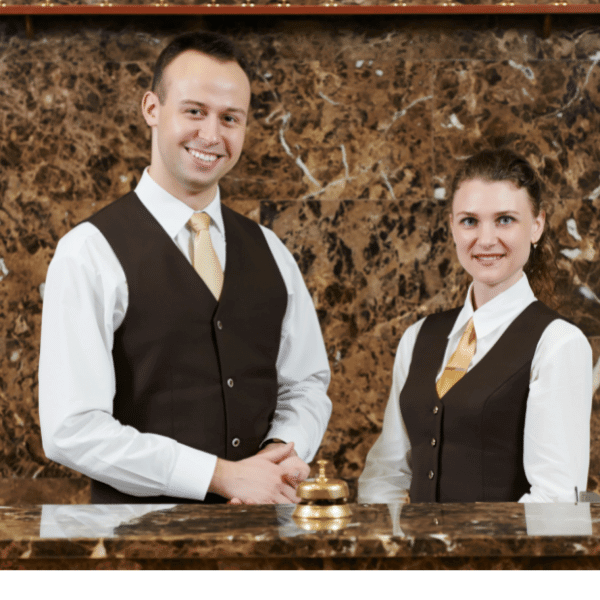
Each role in hospitality needs specific uniforms to balance function and style. Here are the main things to consider when selecting uniforms for your staff:
- Front Desk Staff
First impressions are important. Front desk staff typically wear formal attire like suits, blazers, or dresses in neutral colors. Their uniforms play a major role in how guests perceive your business. Studies show that 78% of guests form their first impression of a hotel based on their front desk experience. So, your staff’s attire should reflect professionalism and friendliness.
- Housekeeping Uniforms
Housekeeping uniforms should prioritize comfort and function. Tunics, aprons, and comfortable shoes are common choices. Housekeeping staff work long hours on their feet. So, they need uniforms made of breathable fabrics and ergonomic designs. This keeps them comfortable and efficient.
- Restaurant and Banquet Staff
Restaurant and banquet staff uniforms should be stylish and easy to clean. Vests, aprons, bow ties, and formal shirts are typical. The look should fit the restaurant’s theme. It also needs to let staff move easily and do their jobs without any hindrance.
- Kitchen Staff
Kitchen staff need protective gear to stay safe in a hot environment. Chef coats, pants, hats, and non-slip shoes are essential. Pick uniforms that use heat-resistant and moisture-wicking fabrics. This keeps staff comfortable, safe, and clean.
- Bellman Uniforms
Concierge and bellman staff often wear elegant, tailored uniforms to convey sophistication. Suits, hats, gloves, and polished shoes are common. Their uniforms should represent the luxurious experience you aim to offer your guests.
Key Considerations for Hospitality Uniforms
- Brand consistency: Choose colors and logos that match your brand.
- Comfort and functionality: Select materials and designs that keep staff comfortable throughout the day.
- Durability and easy maintenance: Make sure uniforms stand up to daily wear and are easy to clean.
- Professional appearance: Uniforms should enhance the professionalism of your staff.
- Safety features: Some roles require uniforms with safety features like slip-resistant soles or heat protection.
Popular materials for hospitality uniforms include polyester blends, cotton, and moisture-wicking fabrics. To maintain a professional appearance, it’s recommended to replace uniforms every 6-12 months based on their wear and tear.
Would you like to customize this type of uniform? Honduras clothing manufacturers may help you solve many problems on the way of purchasing.
5. Safety and Protective Gear Uniforms

It’s not merely about aesthetics; it’s about ensuring the well-being and productivity of your workforce. A well-protected team is invariably more efficient and content.
Consider your employees as valuable assets, with their uniforms serving as a crucial line of defense. Proper gear on construction sites and in labs can cut workplace injuries by as much as 50%. This reduction translates directly to improved operational efficiency and reduced liability costs.
Tailored Solutions for Various Industries
Safety uniforms are not universally applicable. Different sectors require specialized equipment:
- Construction: Hard hats and steel-toed boots are essential for protecting against falling objects and heavy machinery.
- Firefighting: Heat-resistant suits are crucial for withstanding extreme temperatures.
- Industrial work: Chemical-resistant coveralls provide necessary protection in hazardous environments.
Technological Advancements
The field of safety uniforms is experiencing significant innovation:
- Smart textiles with vital sign monitoring capabilities
- Integrated cooling systems for high-temperature environments
- Antimicrobial fabrics for enhanced hygiene
- Lightweight, breathable materials that don’t compromise on protection
Strategic Selection Process
Choosing appropriate safety uniforms requires careful consideration:
- Adherence to industry standards (e.g., ANSI/ISEA, NFPA) is non-negotiable.
- Proper fit is crucial for maximum effectiveness.
- Regular maintenance and timely replacement are essential for ongoing protection.
- Comprehensive employee training ensures correct usage and maximum benefit.
Working with trusted uniform makers can give you helpful advice. This way, you can make sure your team has the best protective gear.
6. Retail and Customer Service Uniforms

Retail and customer service uniforms are a key part of your business’s brand identity. They help your employees stand out and improve the customer experience.
Key Benefits
- Enhance customer recognition: Uniforms help customers quickly identify staff, making them feel more comfortable and confident.
- Represent your brand: Custom uniforms with your logo or brand colors reinforce your business identity and encourage customer loyalty.
- Boost professionalism: Well-designed uniforms project a professional image, building customer trust.
- Support brand loyalty: Staff uniforms that reflect your brand make customers feel more connected to your business, encouraging repeat visits.
Considerations for Choosing the Right Uniforms
- Comfort and fit: Make sure uniforms are comfortable and fit well. This helps employees do their job better and enhances customer service.
- Quality and ease of care: Choose durable fabrics that are easy to maintain. This saves costs over time and keeps your team looking sharp.
- Brand guidelines: While some customization is encouraged, it’s important to stay consistent with your brand’s image.
- Practicality: Uniforms should be functional and suitable for the tasks your employees perform, whether it’s assisting customers or handling products.
- Target audience: Consider who your customers are. For example, uniforms for a children’s store should be playful and colorful, while a luxury store may require more formal attire.
- Color choices: Colors matter in uniforms. Dark colors work well for many customers, while bright accents help staff stand out. Black and white are classic choices that convey sophistication.
Different Uniform Options
- Clothing Stores: Uniforms often reflect the store’s products. Athletic stores may have staff wear performance t-shirts. In contrast, boutiques might choose more formal outfits.
- Food and Grocery Stores: Uniforms should balance style and functionality. Some examples include:
- Classic: Collared shirts, ties, and black and white colors.
- Casual: Denim or khaki pants with bright, attention-grabbing colors.
- HACCP-compliant uniforms: These ensure safety and hygiene, especially in food-handling environments.
More companies are adopting “capsule collections,” where employees can mix and match different uniform pieces. This offers comfort and flexibility while maintaining a professional look. This approach can boost employee satisfaction, which positively affects customer service.
Expert Opinion: Choose top employees to model new uniform designs. Get their feedback on comfort, function, and customer reactions. This method improves uniform selection and increases employee engagement. It can also lead to better and cheaper uniform choices.
Luwen L., Manufacturer and supplier of custom uniform and work wear
7. Promotional and Event Uniforms

Promotional and event uniforms are made to give staff a professional and cohesive look at events, trade shows, or marketing campaigns. These uniforms usually feature bold branding elements, making them more noticeable than regular work clothes.
Key Types of Promotional and Event Uniforms
Some common types of promotional uniforms are:
- Branded t-shirts or polo shirts
- Custom printed aprons
- Colorful vests or jackets
- Themed costumes
- Matching hats or caps
Important Considerations
When picking promotional uniforms, consider the following:
- Vibrant colors that match your brand’s identity
- Large, clear logos or slogans for easy recognition
- Comfortable fabrics that work for long hours on your feet
- Flexible styles that fit different body types
- Weather-appropriate choices for outdoor events
Why Choose Promotional Uniforms?
Promotional t-shirts can create about 3,400 impressions during their lifetime. This makes them a smart and cost-effective marketing tool. Adding QR codes or social media handles to your design helps engage the audience. It also expands your marketing reach. Picking the right uniforms for your events makes your staff noticeable. This draws attention and boosts your brand’s image.
( Are you still finding Italian swimwear manufacturers? Stop! I prepared. )
Conclusion
It’s time to take a good, hard look at your current types of uniform strategy. Is it working overtime for your brand, or is it more like that employee who’s always “busy” on social media? If it’s the latter, it’s time for a change-up!
Let me introduce you to LeelineApparel – we’re not just another player in the uniform game, we’re the MVPs of corporate style. Trust me, we don’t just stitch fabric together and call it a day. No sir, we’re in the business of crafting corporate identities that pack a punch. Learn more about us!
People Also Ask About Types of Uniform
Q: How do we balance branding with functionality in our uniforms?
A: It’s all about finding that sweet spot between style and practicality. Start with comfort and functionality as your foundation, then layer on your brand elements.
Consider subtle logo placements, strategic color accents, and unique design touches. These elements can hint at your brand identity without overshadowing the uniform’s main purpose.
Q: How do you ensure consistent quality across large orders?
A: Consistency is our forte. We’ve implemented a rigorous quality control process that covers every step of manufacturing. We conduct many inspections and use top-notch testing.
Our standards impress even the toughest quality experts. It’s about delivering uniformity in every uniform, no matter the order size.
Q: What options do you offer for uniform customization?
A: Customization is where we really shine. We offer a range of options to make your uniforms uniquely yours. We offer techniques for every brand style, from classic embroidery to high-tech heat transfers and sublimation printing. And with our extensive color palette, your brand identity will pop in all the right ways.