How to start a kids clothing line? It might feel like jumping into a playground full of obstacles—how do you stand out in a crowded market? So, how to start a kids’ clothing line without pulling your hair out?
Well, it comes down to knowing how to dodge pitfalls like inconsistent quality and those dreaded production delays. We’ve all heard the horror stories—missed deadlines, angry customers, and suddenly you’re swimming in rework and extra costs.
But don’t worry! With the right childrens clothing manufacturers and a solid clothing supplier by your side, you can avoid the mess and actually get your brand up and running smoothly. Stick with us, and we’ll guide you through the steps to launch your kids’ clothing brand like a pro, without the drama.
Table of Contents
How to Start a Kids Clothing Line: Research the Market

Starting a kids’ clothing line requires market research to understand consumer needs, identify competitors, and find potential gaps. Here are the key areas to focus on:
- Target Audience Analysis
To create a successful product line, you need to know your target customers. Break your market into specific age groups, like 0-2, 3-5, 6-8, and 9-12 years old. Each group has different clothing needs and style preferences. Gender preferences and specialized niches, like organic or sustainable clothing, are also important. You should also consider parents’ income levels and buying habits, as these directly affect their purchasing decisions.
- Competitor Analysis
Check what established brands like Carter’s, The Children’s Place, and Gap Kids are doing. Look at their products, pricing, and marketing. Identify what they do well and where they may be missing opportunities. This will help you find market gaps that your brand can fill.
- Market Trends
Stay updated on current trends. Gender-neutral clothing is growing, with a market expected to increase by 6.5% annually from 2025 to 2030. Knowing what’s trending will help your brand stay relevant and attract your target audience.
The global children’s apparel market is growing and is expected to reach $286.73 billion by 2025, with a 5.35% annual growth rate from 2025 to 2030. This growth shows there’s plenty of room for new brands to succeed.
- Sustainability Trends
Sustainability is key. 73% of millennial parents are willing to pay more for sustainable children’s clothing. If your brand offers eco-friendly options, you can attract more environmentally-conscious consumers.
By focusing on these areas, you’ll gather valuable insights to make informed decisions as you launch your kids’ clothing line.
How to Start a Kids Clothing Line: Develop a Business Plan
A clear plan will guide you at every stage and help you stay on track. Here’s what you need to include:
▶ Executive Summary
Your executive summary should clearly explain your vision and mission. Define your unique selling proposition (USP). For example, “Our eco-friendly kids’ clothing line uses organic cotton and aims to capture 5% of the local market within two years.” This section should grab attention and highlight what makes your brand special.
▶ Product Line
List your initial product offerings. You might start with 20 SKUs, including tops, bottoms, and accessories for kids aged 2-10. Be clear about your product details and highlight what makes them unique—whether it’s the fabric, design, or sustainability efforts.
▶ Operations Plan
Explain your production process, inventory management system, and quality control measures. These details show how you’ll run your business efficiently and ensure product quality, which is key to gaining customer trust.
▶ Financial Projections
Include estimates for startup costs, which can range from $50,000 to $150,000. Outline your sales forecasts and break-even analysis. For example, you might aim for 20-30% gross margins and plan for profitability within 18-24 months. This section shows investors that you’ve considered the financials and have a clear growth plan.
▶ Funding Requirements
Define how much capital you need and how you will use it. For example, you may need $100,000 for inventory, marketing, and operations. Showing that you can allocate funds effectively will build confidence with potential investors.
Expert Advice: Leverage detailed market segmentation to refine your pricing strategy and distribution channels. By analyzing demographic spending habits, regional demand, and competitor pricing, you can position your brand strategically—maximizing profitability while ensuring competitive advantage.
Selena Li, Baby Clothes/Sticker/Paper Box Manufacturer
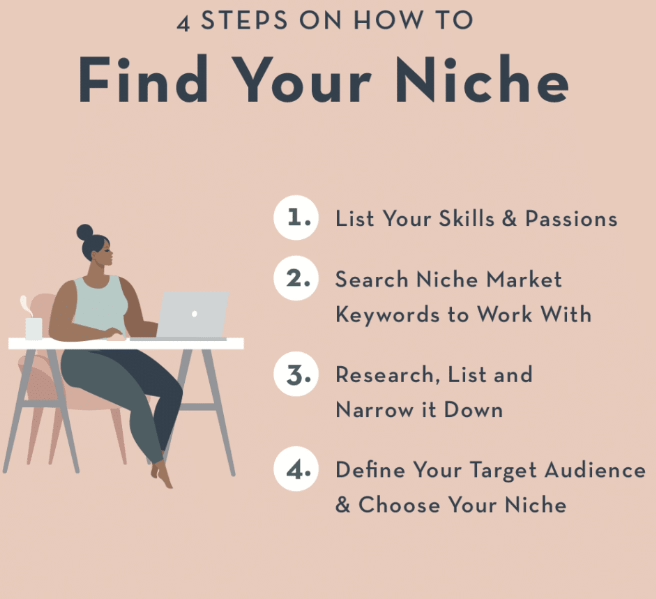
How to Start a Kids Clothing Line: Choose Your Niche
Age Groups
Targeting specific age groups helps you design and market effectively. Consider these categories:
- Newborns (0-3 months): Soft fabrics for delicate skin.
- Infants (3-12 months): Easy-to-dress styles for growing babies.
- Toddlers (1-3 years): Fun, durable clothes for their active lifestyle.
- Preschoolers (3-5 years): Playful designs that let kids show their personalities.
Clothing Styles
You can focus on particular styles to meet different needs:
- Casual: Comfortable everyday wear.
- Formal: Great for special occasions.
- Athletic: Activewear for kids who love to move.
- Sleepwear: Cozy options for bedtime.
- Special Occasion: Clothes for holidays and family events.
Themes
Using popular themes can help you stay on trend:
- Eco-friendly: Sustainable fabrics for eco-conscious parents.
- Organic: Organic materials are in high demand, with the organic kids’ clothing market expected to reach $18.3 billion by 2025.
- Gender-neutral: Designs that don’t follow traditional gender norms are becoming more popular, especially among millennial parents.
- Character-based: Clothing with characters from TV shows or movies appeals to kids’ interests.
- Educational: Clothes that promote learning or STEM subjects.
Specific Needs
Consider focusing on specific needs:
- Adaptive clothing: For children with disabilities. This market is expected to hit $400 billion by 2026.
- Allergy-friendly fabrics: Perfect for kids with sensitive skin.
- Sensory-friendly designs: For children who need extra comfort.
Suggested Reading:
How to Start A Gym Clothing Line: For the Ambitious
How to Start A Hoodie Business in 8 Steps
How to Start a Sportswear Brand: Effective Strategies
How to Start a Kids Clothing Line: Design Your Collection
Think about adding features such as elastic waistbands, snap closures, and adjustable straps to make dressing easier for both kids and parents.
✔ Age-Appropriate Styles
Design clothes that suit the needs of different age groups. For example, create clothes for infants (0-2 years), toddlers (3-5 years), and older children (6-8 years). Make sure your designs are practical for everyday activities and easy to wear.
✔ Fun and Playful Elements
Kids love creative fashion. Use bright colors, fun prints, and interactive features like pockets, appliques, or reversible designs. Themes like animals, nature, space, and fantasy can make your collection exciting and spark children’s imagination.
✔ Safety First
Safety is essential. Avoid small detachable parts that could be choking hazards, and choose non-toxic materials. For sleepwear, use flame-resistant fabrics to keep children safe at night.
✔ Cohesive Themes
Create 2-3 themes each season to tie your collection together. Themes like “Jungle Adventure”, “Under the Sea”, or “Outer Space Explorers” can make your collection more appealing and coordinated for both kids and parents.
✔ Versatile Basics
Every collection should include versatile basics, like solid-colored tees, leggings, and shorts. These staples are simple to mix and match. They make it easy to create outfits that go well with your more creative designs.
How to Start a Kids Clothing Line: Source Materials and Manufacturing
There are key factors to consider to ensure you offer high-quality, safe, and eco-friendly products.
① Fabric Selection
Choosing the right fabric is important. Soft, breathable, and durable options like organic cotton, bamboo, or modal work well. These materials are gentle on children’s sensitive skin and eco-friendly. Organic cotton is chemical-free. It grows without pesticides. This benefits your customers and the environment.
② Safety Standards
Your children’s clothing must meet strict safety standards. Make sure all materials meet regulations for children’s garments, such as flame resistance for sleepwear. Verify that there are no harmful chemicals in the production process. These steps help protect children from potential health risks.
③ Supplier Vetting
Look for those who follow ethical manufacturing practices and fair labor standards. Certifications like GOTS (Global Organic Textile Standard) and Fair Trade show they meet these criteria. By choosing ethical suppliers, you support sustainable and responsible production.
LeelineApparel is a good choice, we are the leading clothing manufacturer in China, and in addition to children’s clothing, we also produce custom uniforms, custom t-shirts, and custom sportswear. Meet any business needs you have.
④ Production Methods
Eco-friendly production methods reduce environmental impact. Consider options like low-impact dyeing, water-efficient processes, and zero-waste cutting. These methods help ensure your clothing line is both sustainable and responsible.
⑤ Quality Control
Set up strict quality control measures to ensure your garments are safe and durable. Many Cambodia clothing manufacturers excel at implementing testing for colorfastness, shrinkage, and tear resistance. Quality assurance is key to maintaining your brand’s reputation and keeping customers satisfied.
⑥ Minimum Order Quantities (MOQs)
Start with smaller production runs to test the market. Many manufacturers offer MOQs between 100 and 500 pieces per style. This helps manage costs and lets you gauge customer preferences before making larger orders.
How to Start a Kids Clothing Line: Create Your Brand Identity
Your brand’s identity shows who you are, what you stand for, and why customers should choose you.
Brand Name
Your brand name should be catchy, easy to remember, and appeal to both parents and kids. Choose a name that’s simple to pronounce and reflects the fun, playful side of children’s fashion. Some examples could be Tiny Trendsetters, Playful Threads, or Whimsical Wardrobe.
Logo Design
It should be colorful, fun, and easy to recognize. Pick child-friendly fonts and think about adding playful details like animals, toys, or nature. Since your logo will appear everywhere—from your website to product tags—it needs to express your brand’s vibe quickly.
Color Palette
Colors play a big role in how people see your brand. Pick 3-5 main colors that match your brand’s personality. Some popular color choices include:
- Bright and vibrant: Yellow, red, blue
- Soft and soothing: Pastel pink, mint green, lavender
- Gender-neutral: Orange, teal, purple
Brand Voice
Your brand voice should connect with both parents and kids. It needs to feel real and align with your audience’s values. Your voice can be fun and energetic, educational and caring, or eco-friendly and sustainable. It shapes the tone of all your communication.
How to Start a Kids Clothing Line: Set Up Your Business Structure

The two most common options are sole proprietorship and Limited Liability Company (LLC). Each has its benefits and drawbacks. Understanding how they work can help you choose the best one for your business.
Sole Proprietorship vs. LLC: What You Should Know
- Liability protection: An LLC protects your personal assets. If there’s a lawsuit or business debt, your assets are safe. A sole proprietorship does not offer this protection. In this case, your personal assets could be at risk.
- Taxes: Sole proprietorships have pass-through taxation, meaning profits are taxed once on your personal tax return. LLCs offer flexible tax options, which might be more beneficial depending on your choice (e.g., S-Corp or partnership).
- Costs: Sole proprietorships are easy and inexpensive to set up with lower maintenance costs. LLCs need more paperwork and can cost between $50 to $500 to set up, depending on the state.
- Credibility: LLCs look more professional, which is helpful when building relationships with suppliers, retailers, or investors. Having LLC status may give your business more credibility.
- Funding: LLCs are in a better position to secure funding. Investors and lenders like the formal structure and liability protection LLCs provide.
Steps to Set Up Your LLC
- Choose a unique business name that reflects your brand.
- File Articles of Organization with the state where you plan to operate.
- Create an operating agreement outlining your business management structure.
- Obtain necessary licenses and permits to legally operate your business.
- Apply for an Employer Identification Number (EIN) for tax purposes.
Setting up an LLC takes time and effort. However, it gives you legal protection and credibility. This can help your business thrive in the competitive kids’ clothing market.
How to Start a Kids Clothing Line: Establish Sales Channels
To launch and grow your kids’ clothing line, you need strong sales channels. Both online and offline strategies are important to reach your audience.
Online Sales Channels
Online platforms are essential for any modern retail business. E-commerce sales for children’s apparel are expected to reach $57.89 billion in the US by 2029. This is a huge opportunity. Here are some options to consider:
- Own Website: Build your own online store with platforms like Shopify or WooCommerce. These let you control your branding, inventory, and customer experience.
- Marketplaces: Sell your products on popular platforms like Amazon, Etsy, and eBay. These sites already have large customer bases and offer marketing tools.
- Social Media: Use Instagram, Facebook, and Pinterest to build brand awareness. Social media allows you to connect with customers directly. You can use posts, ads, and work with influencers.
Offline Sales Channels
Despite the growth of e-commerce, 96% of global consumers still prefer to buy children’s clothing in physical stores. To meet this demand, explore these offline sales options:
- Pop-up Shops: Set up temporary physical stores to give customers a hands-on experience with your brand. Pop-up shops help you engage with your community and build loyalty.
- Consignment in Boutiques: Partner with local boutiques to display your products. This raises brand visibility without the need to run a full retail operation.
- Wholesale to Retailers: Sell your products in bulk to retailers. This helps you reach a larger audience quickly and can be a profitable strategy when targeting the right stores.
Pro Tip: Use unified commerce solutions. They sync stock levels, customer data, and order fulfillment. This ensures smooth transitions between online and offline sales. Plus, it boosts customer retention and improves operational efficiency.
How to Start a Kids Clothing Line: Marketing and Promotion

To market and promote your kids’ clothing line, focusing on the right strategies can help you reach more parents and increase sales.
★ Leverage Social Media Platforms
Social media is a great way to show off your products. Instagram, Pinterest, and TikTok are perfect platforms to reach parents looking for trendy kids’ clothes. Post high-quality photos and videos 3-5 times a week and use relevant hashtags to get more attention. Staying consistent is important, and these platforms help you engage with your audience often.
★ Partner with Parent Influencers
Collaborating with parent influencers is a good way to connect with your audience. Look for influencers with 10,000 to 100,000 followers who have an engaged community. Offering free products for honest reviews and styled photos builds trust. Parents trust recommendations from peers. So, this strategy will draw interest and boost conversions.
★ Create Valuable Content
Creating content that appeals to parents is key to building your brand. Start a blog or YouTube channel to offer useful tips and advice. Topics could include:
- Seasonal styling tips for kids
- How to build a kids’ capsule wardrobe
- Caring for different fabric types
- Fashion advice for different ages
This content will not only attract visitors but also position your brand as an expert in kids’ fashion.
★ Implement Email Marketing
Email marketing helps you stay connected with your audience. Aim for a 2-3% click-through rate by sending personalized content. Segment your email list to send targeted offers and updates, such as:
- New product announcements
- Exclusive discounts for subscribers
- Birthday offers for kids
- Seasonal lookbooks
By sending valuable content straight to their inbox, you’ll keep your audience engaged and more likely to make a purchase.
How to Start a Kids Clothing Line: Launch and Grow
You need to set up sales channels, create a marketing plan, and provide excellent customer service to build a loyal customer base. Here’s how to get started:
a. Offer Excellent Customer Service
Good customer service is essential for growing your brand.
- Provide size guides and fitting tips to help customers make informed choices.
- Offer easy returns and exchanges to build trust and reduce barriers to purchase.
- Respond quickly to inquiries to show you care about your customers’ experience.
b. Expand Your Product Offerings
To keep customers coming back, keep adding new items.
- Introduce new sizes, styles, and categories based on what customers want.
- Launch seasonal collections to keep your products fresh and appealing.
- Create complementary accessories like hats, socks, or bags to increase the value of each sale.
c. Analyze Performance and Iterate
Continuous improvement drives growth.
- Track sales data and customer feedback to see what’s working.
- Adjust your inventory to focus on popular items and improve cash flow.
- Refine your marketing strategies to focus on what works best for a better return on investment.
d. Scale Operations
As demand grows, streamline your operations.
- Optimize your supply chain and fulfillment to ensure fast delivery and reduce costs.
- Hire more staff to keep up with growth.
- Explore international markets to expand your reach and boost sales.
e. Seek Funding if Needed
If you need extra capital to scale, here are a few options:
- Consider small business loans for growth.
- Angel investors or venture capital might be good options if you need to raise more funds.
- Crowdfunding campaigns can help generate funds and create buzz for your brand.
If you want to know about the manufacturer, our article about Baby Clothes Manufacturer USA may help you.
Conclusion
Building a successful brand starts with a clear vision. How to start a kids clothing line isn’t just about creating cute designs—it’s about crafting a unique brand identity that resonates with your market.
LeelineApparel is your trusted partner for producing children’s apparel on a large scale. No matter if you’re starting your first collection or growing your brand, we offer the support and reliability to help your business succeed. Contact us!
FAQs About How to Start a Kids Clothing Line
1. How do I market my kids’ clothing brand effectively?
Use a mix of social media, influencer collaborations, and content marketing. Using professional photography and storytelling to showcase your designs builds a strong brand presence.
2. Should I sell my products online or in physical stores?
An online store gives you a wider reach, while physical retail allows customers to experience the quality firsthand. Many brands use a hybrid model, selling through both their website and select retailers.
3. How can I ensure my kids’ clothing line stands out in a competitive market?
Focus on unique designs, sustainable materials, and a compelling brand story. Offering customization, limited-edition collections, or ethical production can also set your brand apart.
4. How do I manage inventory and avoid overproduction?
Start with a small inventory and track demand trends. Pre-orders and made-to-order models can help minimize excess stock while keeping cash flow steady.